Life Is Short

Photo by Andrea Piacquadio on Pexels.com

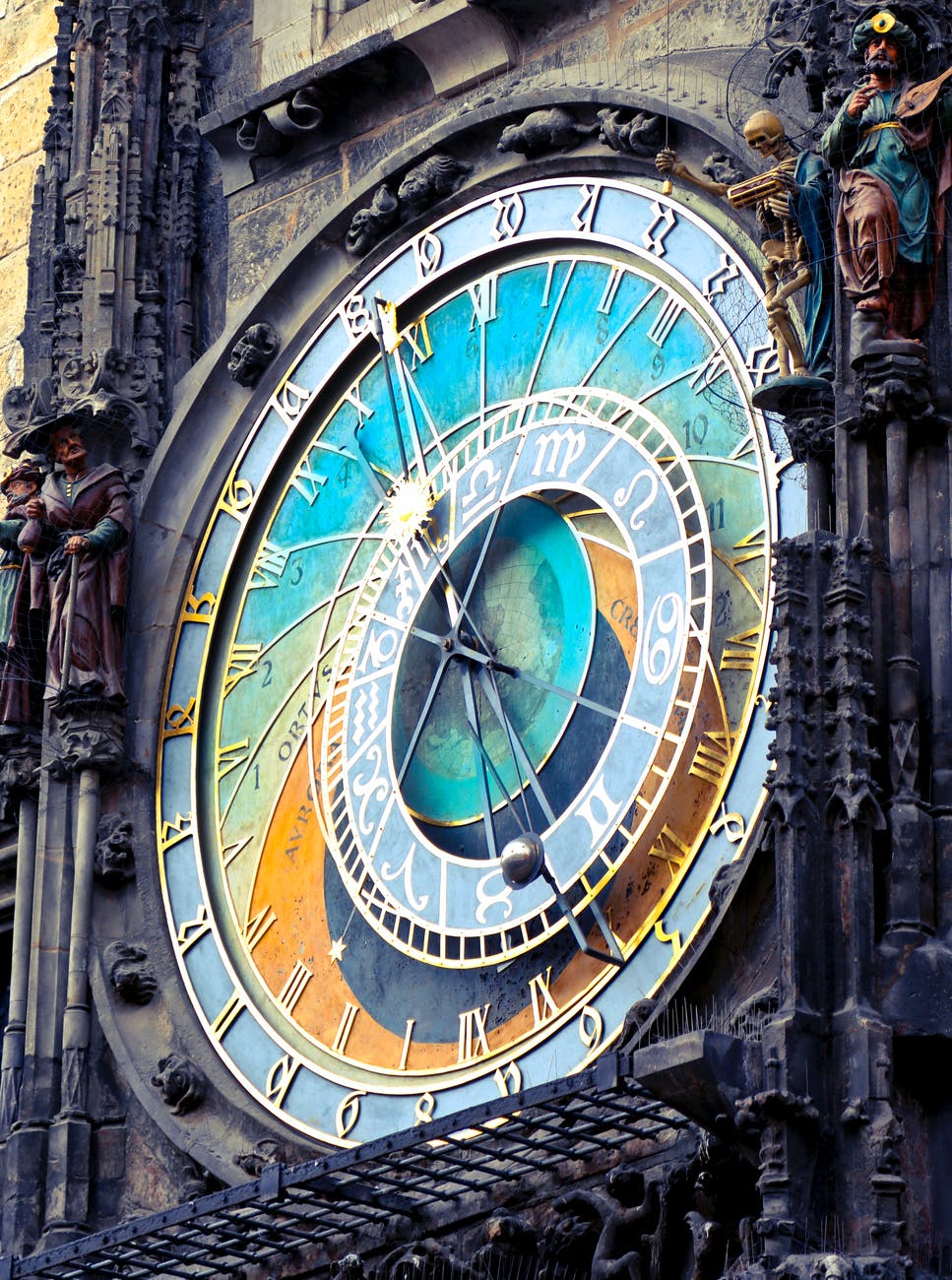
The old saying is that life is short. In the grand scope of history that is certainly so. A single life can seem so brief and insignificant when lumped with he billions of souls who have spent time on this earth. On the individual level life can feel both unbelievably fast and brutally slow. The only thing that is certain is that each one is important and never to be taken for granted.

From my vantage point of seventy-two years and counting there are days when I feel as though I am still a young woman in her twenties just beginning my adult journey. I wonder where the time went, how I became so old. On other days it feels as though I have carried the weight of tragedies and sorrows and worries for a thousand years. I suppose that in reality time is relative to each situation. Those fun vacations are over in the blink of an eye. Carrying out a difficult task seems endless. Our sense of time is controlled not just by the clock or the calendar but by our emotions. 

We humans are hardwired to make plans for the time that we are here. We set goals, accomplish tasks, reach milestones. It is in our natures to travel through the days looking into the future, but sometimes spending so much time on tomorrow that we forget to make the most of today. Balancing the way we use our time is a skill that we too often neglect in our attempts at being all things to all people. 

Our calendars are often so full that we do not have a single moment to spare. We rise early and begin our daily race from one appointment to another. We set routines that are exhausting and travel from one day to another in a kind of blur. We must work. We must eat. We must exercise. We must care for our children. We must find a second to have fun. We must maintain and repair our homes. We must clean our clothes. We must. We must. We must. 

Then a tragedy enters our life. We may have an accident or become very ill. Someone we love may die suddenly. We may lose our homes to fire or winds or floods. The whole world seems to still be moving around us while we feel as though time has stopped and we are stuck in a place of horror from which we cannot escape. We wonder how it is even possible for others to hold fast to their routines while we feel as though time itself is standing still. We are filled with pain that stalks us hour after slow moving hour. 

The bad times remind us to value the good times. They prompt us to adjust our daily routines, to slow down just enough to focus on our relationships with others, to use our time more wisely. We sincerely attempt to be more mindful of the people around us, to give that extra couple of seconds to be kind or to give encouragement or praise. We learn that a phone call need not take away from our duties but it can be a lifeline to someone who is feeling lonely or anxious or sad. It’s an easy change to adjust our routines to include love and hugs and understanding along with all of our other tasks. Time feels just right when we use some of it to do such things.

There are those among us who have to use every bit of time just to survive. They do not have regular salaries or sick leave. They work by the hour, often at minimum wage or even below. Every hour missed is income lost and they have very little wriggle room that allows them to enjoy the security of being an employee with a guaranteed wage and perks like insurance, vacations, holidays, and time off for sickness. Often they work two and three different jobs. They toil all day and then travel to second jobs at night. They find supplemental opportunities on weekends. They may even move from place to place in season after season in search of jobs. 

As an educator I have seen the realities of this kind of survival. Parents tied to such lifestyles were unable to attend conferences because doing so might jeopardize their jobs. Students often played the roles of surrogate parents to siblings while their moms and dads worked at night. I heard stories of students themselves who headed to jobs immediately after school, working long into the late hours and neglecting homework because they had to do so. In spite of knowing that this kind of thing is happening the rest of us are all too often reluctant to ensure that every working person has a decent wage, a source of medical insurance, time off for illnesses or going to vote. Instead we quibble over raising the minimum wage. We shorten the hours and number of days on which citizens may vote. We rant about a national medical insurance program. We push many among us to use all of their time just attempting to survive while insinuating that if they were not so lazy they would not be caught in such time stealing traps. 

We are born, we live and then we die. A few generations after we are gone we are little more than a name on a tombstone, an urn or a family tree. The world soon forgets what we accomplished who we were and it may be only one curious descendant who wants to understand what our purpose was on this earth. Our time is short, but it should also be more meaningful than just fighting to survive. It’s up to every one of us to help our fellow humans to have enough time to make life more than toil and worry. We have the means and the power to make this happen. It’s time we also have the will. Each of us has only a short lifetime to make a difference.
I Choose Not To Walk On the Wildside

I’ve rarely been wild in all of my life. It’s not so much that I think of myself as being above risky behavior. It’s that I don’t like the way such things turn out. Probably the craziest I have ever been was to get drunk a few times. I hated the way I felt the next morning. I really don’t like having headaches and feeling nauseated. I get migraines and I don’t need to chemically induce that horrid aching by putting so much alcohol in my body that I get the exact same symptoms. I’d rather enjoy a drink or two and then call it a day. Besides, I’m what is known as a cheap drunk. It does not take much for me to be dancing on the table and giggling uncontrollably. 

I suppose control is my middle name. I like to be in charge of what is happening to me as far as it possible. I’ve had my share of unexpected illnesses, accidents and tragedies. I don’t want to be guilty of bringing them on myself. I proceed through life with caution, a trait that I suppose began when I was still a child.

I wasn’t always that way. In fact, I used to puzzle my mother with my tendencies to push the envelope. Then my father died, a person who also liked to try absurdly dangerous things. My mother had all but predicted his untimely death in a car crash or some other accident because of how careless he was. He was an adventurer and believed in the idea of living life to the hilt. After he died I saw how difficult it was for my mother, and I swore to myself that I would not become another reason for her to worry. I became cautious to the extreme. Whenever I smelled trouble I went home. 

Besides, I always tended to be that person who gets caught doing bad things. I don’t know why I was so vulnerable to detection but it never failed that my improprieties would be revealed and I would have to face the consequences. Only one time did I get by with being disobedient and that was a close shave. 

The kids in my neighborhood loved to hang out in a big drainage area near the bayou that ran through my neighborhood. My mother was concerned that I might get hurt if I accompanied them, so she absolutely forbade me to ever go inside the huge tunnel that dumped run off from the streets into the a big sewer. It was not until I had been tempted multiple times that I finally gave in to my curiosity and went with my buddies to the forbidden place. 

I was having a great time and thinking how absurd my mother was to think that there was any danger in what I was doing when I slipped on an accumulation of algae and fell into the running water. I managed to right myself quickly, but my all white clothing was covered with green slime and I had scratched my shins as well. I was certain that I would be in deep trouble when I went home. Since running away was not an option in my mind, I had to eventually go to my house and face the music.

When I got there my mother was gone. She had left a note on the kitchen table letting me know that she was going to run some errands and then visit her sister for a bit. I couldn’t believe my good fortune. I Immediately shed the evidence of the dirty clothes and combined them with a load of towels that needed to be washed. I ran a cycle praying that no stains would persist and give away my infraction. Amazingly they came out snowy white. 

I was able to pretend that the scar on my shin was from falling from my bicycle onto the pavement. It pained me to lie to my mother, but in the world of kids sometimes it is what must be done. To atone for my sin I vowed to never again visit that foul drainage area. After all, it wasn’t even that much fun. I never told my mother what had happened and I feel certain that she never knew. 

I was not so lucky with other incidents and so I essentially learned that it was far better to live within the laws of moderating my behavior. By the time I was an independent adult I was beyond the temptations of excess and continued leading a reasoned life. I can honestly say that I have never once broken the law in any manner. I even pay taxes on income that I earn that is paid to me in cash. I don’t even speed, although I once received a ticket for going too fast that I still swear was bogus. 

I have approached the pandemic with my usual caution. I follow the suggestions from the medical community to the letter. I stayed home for many months, ordering groceries and supplies to be delivered to my home. I wore masks and became fully vaccinated. I’m looking forward to getting a booster in the near future. My rationale is the same as it was when I did not want to become a burden on my mother. I do all of these things to not only protect myself, but also to protect the people around me. I have immunocompromised people in my family. I have people with comorbidities that might affect their ability to overcome the virus. I care for people in their nineties. I have young nieces and nephews who are too young to be vaccinated. I see it as my duty to do everything possible to keep them safe. 

I have always believed that on the day my father died I advanced in age and maturity from eight years old to thirty-five. I became an old soul who rarely experienced the wildness of teenage years. I have never regretted being that way. I’ve enjoyed life no matter what the circumstances. I don’t feel the need to prove myself by being risky nor do I feel that my freedoms are under siege when I follow laws and recommendations. It’s who I am and I’m proud to say that being so has brought me a sense of feeling honorable. 

Perhaps some would see me as being arrogant or audacious or self-righteous, but I see my behavior as being always aware of how anything I do affects everyone else. I strive not to hurt anyone. It’s a good feeling to be that way. I choose not to walk on the wildside.

Unsolved Mysteries

Photo by cottonbro on Pexels.com

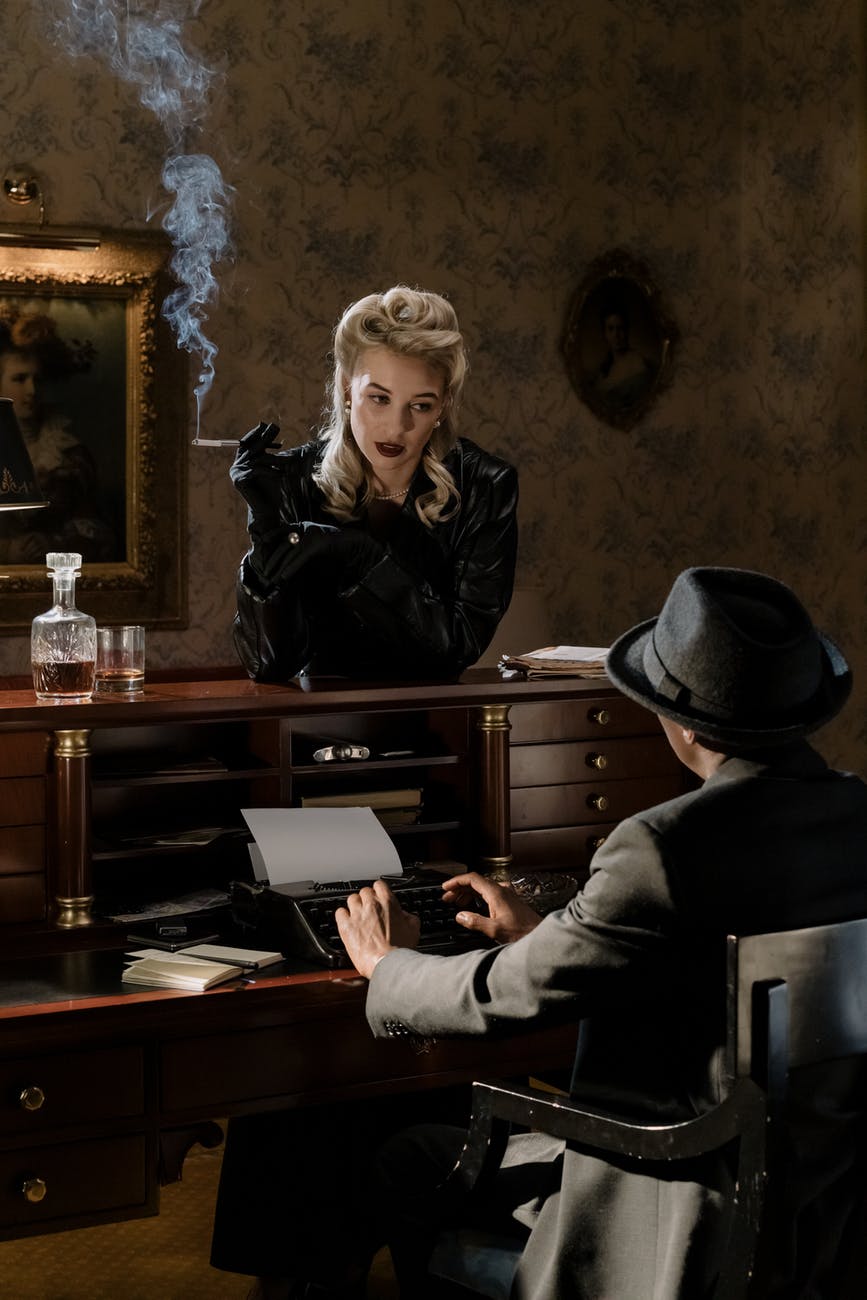
I still remember the first time that my friend Lynda shared one of her Nancy Drew mystery books with me. She pushed the volume into my hands assuring me that I was going to love it. Since it was summertime I had all day to devote to reading, and by the evening I had finished the story and was eager to borrow another one of the titles. Thus began my fascination with detective stories, murder mysteries, and true crime. 

My voracious interest in solving “who done its” was only interrupted by the requirements of my high school and college English classes. Even then I found creative ways to feed my appetite for the genre by exploring new authors to challenge my sleuthing skills. I soon found that I not only had an interest in detective stories, but was also rather adept at solving cases long before I had turned the last pages of each volume. I also developed techniques from some of the very best investigators like the master of them all, Sherlock Holmes. 

I’ve learned over time that my uncanny interest in crime is shared by people all around the world. There are many of us whose addiction to unraveling human puzzles fuels the abundance of fictional and real life crime stories in books, movies and television channels dedicated to the darker side of human nature. I suppose that for me the challenge is to attempt to follow the thread of clues both physical and psychological that unravel the truth behind foul deeds. 

My mother insisted that I missed my true calling and should have worked for the FBI or the CIA. Sometimes she balked at what she referred to as my nosiness, and at other moments she appeared to take pride in my ability to logically piece together seemingly unrelated bits of information to uncover villains. For me it has always been a kind of game in which I challenge myself to determine the identities of the culprits long before they are finally revealed.  

I’ve added true crime to my passion for the fictional mysteries of evil. I am fascinated by stories of people whose emotions lead them to horrific places. Nonetheless I am appalled to realize just how dark and desperate some humans among us are willing to become. I find myself watching and observing the people around me like some undercover cop intent on stopping foul deeds before they occur. I take note of faces, reactions, body language wherever I go. I once even saved myself and the party with whom I was walking from a mugging by noticing that we were being followed.

There were a series of murders that occurred along or very near a corridor of Interstate 45 from far north Houston, Texas to Galveston that remain unsolved to this very day. In each case a young attractive woman or young girl was last seen in the vicinity of the highway and then later found dead. Some theorize that each case is unrelated to other and simply a fact of life along a major road. Others believe that all of the women were killed by a single killer who went on a rampage of murder and then suddenly stopped. Among the possible victims of this supposed serial killer was a young girl who disappeared when she was out for a run. Her remains were later found dumped in a neighboring town. To this day her case is cold and no suspect has faced a trial for her death. The same is true of the many other instances of young women killed near the infamous route.

I’d love to find a real life Sherlock Holmes and lay out the facts that are known about each victim. If there is indeed a connection among their murders, surely his masterful mind would find the commonalities. He would be able to discern the difference between copycat murders, coincidences, and a possible serial killer who went on a murderous rush before finally going silent. So far nobody else has found a breakthrough in the various cases, but there was once a suggestion that the murderer may have moved on to a new locale when the danger of being discovered became too imminent. Others have wondered if the perpetrator ended up in prison for some minor offense or perhaps had even died.  

I suppose that my love of reading and writing and people watching has caused me to develop a rather vivid imagination and fascination with human nature. My interest in the macabre topic of murder is in stark contrast to my quiet and unassuming nature. I’m also somewhat of a cock-eyed optimist seems an unlikely sort to delve into the realities of criminal minds. I suppose that I simply will never truly understand what drives anyone to violence so foul that it results in the taking of a life. My interest is perhaps spurred by wanting to comprehend the kind of evil that seems so unnatural to me. 

Sherlock Holmes was a man of unemotional logic and reasoning. He was able to solve his crimes because he rarely allowed his feelings to interfere with an analysis of either his victims or his suspects. In truth it’s difficult for most of us to be so dispassionate. We put a human face on every crime and even find ourselves wondering what horrific chain of events brought both actors in the tragedy to such an horrendous moment. It defies our desire to avoid cynicism. I suppose that for me, solving the unsolvable fulfills a need to prove that we humans care enough to attempt to remove evil from our midst. I wish that the unflappable mind of Sherlock Holmes were real so that we might solve the many mysteries that defy us once and begin to truly understand what we need to do to prevent such tragedies once and for all.

Talking About The Weather

Photo by Ralph W. lambrecht on Pexels.com

When my grandparents were in their late seventies they fulfilled a dream to live on a farm. They were not just retirees who sat on the front porch admiring their land. They were full fledged cultivators who worked from the crack of dawn until late in the evening growing crops which my grandmother then canned and shared with family and neighbors. It was hard work, but they reveled in it and not even our summertime visits to their place halted their labors. Usually by the time that we awoke each morning they had already been working in the fields for hours. 

By noon the sun would be bearing down so brutally on the Arkansas land that my grandparents would take a break from their labors. We would sit on their front porch sheltered by an overhang shielded by screens designed to keep the bugs from invading our space. Big box fans did their best to move the mostly still air and Grandma provided cold drinks to quench our thirst. Since none of us had air conditioners in our homes back then, we endured the heat without too much complaint, but when the temperatures inched over one hundred degrees our talk would almost always focus on the weather. 

My grandparents lived in the hills near a tiny town called Caddo Gap, Arkansas where summers were ferociously hot and winters brought snow and ice. In the fall they enjoyed the changing colors associated with that time of year and the spring marked the beginning of their months of toiling over their crops. Their’s was a cycle repeated over and over again in tandem with nature. Sometimes a flash flood would hit and keep them captive in their home until the waters receded, but they were always prepared to survive with their fresh supply of milk from their cow, eggs from their chickens, and canned vegetables in the cellar. The seasons and the weather ruled their days and nights and thus were a constant topic of discussion.

There was a time when talking about the weather was noncontroversial. It just was a fact of life that everyone took for granted. Depending on where one lived there were certain weather events that tended to occur regularly and some that were a less frequent but possible occurrence. I grew up near the Gulf of Mexico and understood that now and again a hurricane might come our way. Preparing for such an eventuality was commonplace. We knew what supplies we might need if a big storm headed our way. We kept stashes of batteries, flashlights and water along with gas stoves and canned foods to sustain us if the worst happened. I remember filling the bathtub and all of our big pots with water in advance of hurricane Carla with the idea of having a means of flushing toilets and washing ourselves if our utilities were damaged. Sometimes it would take weeks for the electricity to come back and we adjusted until things returned to normal once again. 

Somehow the storms and droughts and tornadoes and fires and blizzards seem to be happening more often than in the past. When they come their intensity is often more extreme as well. Even if nobody ever mentioned phrases like climate change or global warming I suppose we would sense that the weather is not exactly as it once was. There is a frightening uncertainty about it that even belies our preparations. We don’t expect three or four days of unrelenting downpours that bring six feet of water into our homes and yet that has happened more and more often. We are not accustomed to such long stretches of drought that our forests become kindling but it has almost become a way of life.

We humans are innately control freaks. We have long had dominion over the land and sometimes over other people. It’s been quite some time since most of us have had to produce what we eat. In well developed countries we tend not to notice the weather much until it is unusual. We enjoy our cooled and heated homes and cars and take those things for granted. Life seems so good and so perfect. There are no noonday breaks from the sun for us. We keep working in our air conditioned or heated bliss. Our food is delivered in trucks. Weather is an inconvenience only when it interferes with our routines. Somehow we have ignored it for so long that it only gets our attention when it wreaks havoc. Otherwise we don’t seem to notice the impact that we are having on it, and that our impact is not good. 

Talking of the weather is no longer an everyday thing like it was for my grandparents whose progress in the fields depended on what was happening in the atmosphere. As with so many things these days the weather has become political. We fight and disagree over how to address it, or whether it is even necessary to address it. We expect our government to stay out of the business of harnessing our habits of creating problems, and then expect that same government to save us when a weather disaster occurs. We seem either unwilling or incapable of becoming more attuned to the sacrifices we each need to make if we are to undo all of the damage we have done to our planet. It is almost unthinkable to consider spending a summer in the south without air conditioning, and yet it was done all the time before about the middle of the twentieth century. We don’t want to do the heavy lifting of scaling back our misuse of the earth’s resources. In fact we don’t even seem to want to talk about it, and we make fun of those who do. 

My grandparents were in tune with the weather. They grew up in a time when there often was no glass on the windows of their homes. They learned how to survive the heat of summer and the cold of winter. They worked around the vagaries of temperature and climate. They wasted nothing and used little. All of that changed as we became more modernized and began to take our conveniences and our government for granted. We want it all and we want it now, a concept that would have been foreign to my grandparents. They understood the need for sacrifice and sharing quite well. They would not have understood our hesitation to conserve and cultivate habits that enrich the natural resources of our world. They would have easily spoken about the weather and our role in it rather than denying that we have any impact whatsoever in the acceleration of disastrous events. 

So let’s really begin talking about the weather and what we will have to do to keep it from ultimately making life more difficult for all of us. If we love our planet and each other it’s time for some hard conversations and some new ways of living.  

A Real Prince of A Man

Photo by cottonbro on Pexels.com

Time magazine has named Harry and Meghan as members of the one hundred most influential people of 2021. Sadly people are mocking both Time and the couple as being unworthy of such an honor. I would like to submit that not only are they in fact incredibly influential, but also rather courageous for bringing a discussion of mental illness into the public consciousness. The mere fact that people view their honesty as a kind of selfish weakness is proof that we are not yet ready as a society to deal with mental illnesses in a rational and productive way. 

We all know that Harry was only twelve years old when his mother, Diana, died. He has often spoken of how traumatic that event was for him. He has spent much of his life attempting to deal with the scars that her death left with him. For the most part he was forced to combat his fears and sorrows alone because our world seems to believe that children are so flexible that we need not worry much about their reactions to tragedy. Furthermore, we are all expected to adapt to challenges with a stiff upper lip, and this would be even more true for Harry given his royal background. The truth is that he is still dealing with the backlash of his enormous loss. In speaking publicly of his torment he hopes to let people know that their own trials and fears are worthy of attention, respect and therapy. 

Harry is aware of his mother’s struggles with mental illness as well. She attempted to be as honest as he has been and was often degraded because she brought her issues to light. She was a beautiful woman who married a future king and as such she was expected to be perfect, always in control of her emotions. Her mental afflictions made it impossible for her to be so. She suffered in the public eye. In many ways she was destroyed by the general refusal of society to accept that mental illnesses are real, not the imagination of weak individuals. They afflict individuals regardless of their status in life. For the most part they make people feel uncomfortable, and so as a whole we do not want to talk about them. We nervously shun anyone who broaches the topic the way Harry and Meaghan have begun to do. 

Frankly, I believe that are doing a great service to the world at great personal cost. They both know that their honesty has generally resulted in insulting backlash and yet they persist. They are willing to endure the negativity to present an important message about the presence of mental illness in the world and the lack of understanding associated with it. For this they should be resoundingly commended.

I have often written about my father’s death and my mother’s bipolar disorder. For decades I hid those things from even close friends. They have been stunned to learn that I was only eight when my father died. They did not realize that much of my shyness and quirky behavior stemmed from the fear of death that I felt as a young child. Because nobody ever talked with me about what had happened I know for certain that I still retain unresolved issues. I am different than I might have been and different from others as well. Keeping my feelings under wraps only compounded the frightening feelings that haunt me even to this day. 

Eventually my mother became overwhelmed by the symptoms of bipolar disorder. I became her caretaker at the age of twenty. I spent the next forty years finding doctors for her, making sure that she took her medications, putting her back together after psychotic episodes. It was daunting, but what made it even worse is that I did not feel comfortable sharing her story and mine with others. The few times I tried I sensed the discomfort in my confidant. I realized that people cringe with discussions of mental illness. I mostly kept the truths of my life to myself and I often felt so alone. 

When my mother died ten years ago I went public just as Harry has done. Some people have been very supportive. Others have backed away, unwilling to listen to the horror of mental illness. I have written many blogs on the topic. I have completed a book. I sob just thinking about the impact that mental illness has on the victim and the families. I understand exactly what Harry is attempting to tell us. I know that it is something that he believes is important. I realize that he hopes to once and for all time being mental illness out of the shadows of indifference, fear, and myth. I too pray for these things because I have seen the destruction of a beautiful human being, my mother, first hand. 

I applaud anyone who broaches the topic of mental illness. It is not a sign of weakness. It is not a selfish act. It is not a way of getting attention. It is incredibly hard to do because those of us who attempt such conversations know all too well that we are driving many people away when we try to educate others on the realities of this dread disease. I tip my hat to Harry while I also chide those who would be cruel enough to ridicule a man who has endured so much sorrow and sincerely wants to help others. We won’t ever be where we need to be with mental illness until there comes a time when everyone applauds Harry rather than mocking him. He is indeed a prince of a man, and I believe that his mother would be quite proud of him.