The Clock Is Ticking

When I was growing up I had friends whose households were bustling with extended family. It was not unusual at all to see a grandmother or grandfather living with children and grandchildren. I’m not certain that all was well with the situation, but for the most part everyone appeared to be getting along. From what I observed there was a kind of happiness in those homes that made me want to be there. 

My own maternal grandmother never lived alone. She had two sons who were unmarried and remained in her house with her. One died rather young but the other watched over Grandma until the day she died. At the end of her life the family placed a hospital bed in the living room and took turns caring for her. They created an intricate calendar that detailed who and when would be in charge. With a family effort nobody was overwhelmed with that task of making Grandma comfortable in her final days. 

After his wife died my paternal grandfather rented a room from a young widow who needed extra income. The two of them were eventually joined by another woman, making it kind of “Three’s Company” situation”. They lived quite happily together and the women often mentioned that my grandfather had become like a father to them. Because his health was rather remarkable well past his one hundredth birthday he did not require any special assistance until a few months before his death at the age of one hundred eight. Nonetheless, his extraordinarily long life had left him penniless by that time so my brothers and I, along with a cousin, had to pay for his funeral and burial. 

We are living longer these days and with that great gift comes the possibility of needing structured care as our bodies and minds become weak. Somehow here in the United States we have not done our best to prepare for such eventualities. Often the end of life is difficult not just for the person who is fading away but for the family members as well. The physical, emotional and financial cost of end of life care can be devastating because we have few areas of support for our older citizens. As more and more of our population ages we are facing a crisis that is rarely discussed. 

My brothers and I took turns watching over our mother in our homes. She was an exceedingly undemanding and flexible person. It almost felt as though she was not even in the house. She spent much of her time reading her Bible or listening to Astros baseball games on the radio. She enjoyed talking on the phone with her sisters every morning and tuning in to her favorite daytime shows in the afternoon. She took a nap each day and retired for bed early in the evening. Her death from lung cancer came far more quickly that we were prepared to accept. It was an easy honor to be able to care for her in the last years of her life. Between the three of us, nobody ever felt burdened by our responsibilities to her. 

Things become far more difficult when aging children are still caring for exceptionally old parents while the cost of providing care in nursing homes or memory care facilities is exploding. The price tag can easily reach six thousand dollars a month or more and few elderly persons have enough retirement income to pay for such bills. Many are forced to sell homes and belongings and literally spend themselves down into poverty to care for a parent or spouse who requires longterm care. An otherwise healthy senior with dementia can drain family finances for years, leaving survivors wondering where the funds will come from if and when they need them. 

The fact is that eldercare is in a state of crisis in the United States and few wish to speak of it or attempt to do anything about it. Ironically the hardest hit group is in the middle class. The wealthy can afford concierge prices. The poor get coverage from Medicare and Medicaid. Those in the middle have to use savings, continue working well past retirement age, sell off possessions or be the caretakers themselves. It is a frightening situation that is only going to grow worse with time as aging Baby Boomers threaten to overwhelm the already limited options for care in our nation.

Horror stories about the lack of help for our most vulnerable seniors are already becoming more and more common as hardworking families are watching their assets draining away in a system that seems to have ignored the looming dangers. The time is rapidly approaching when we as a country of caring people will need to consider helping the elderly and their families to navigate the most difficult final months and years of life without asking them to plunder a lifetime of hard work. It is in the best interest of all of us to have a national plan that insures that nobody has to live in a locked basement because the money for his/her dementia care simply is not there. 

Other nations have managed to prepare for end of life care for citizens. It’s seems only fitting that we do the same for our seniors here in the United States. Meeting the needs of even a vibrant and seemingly healthy person in the later years can be more difficult than imagined. The clock is ticking we can beat it if we begin to discuss this issue now and do something constructive to face it. 
The Necessity of Play

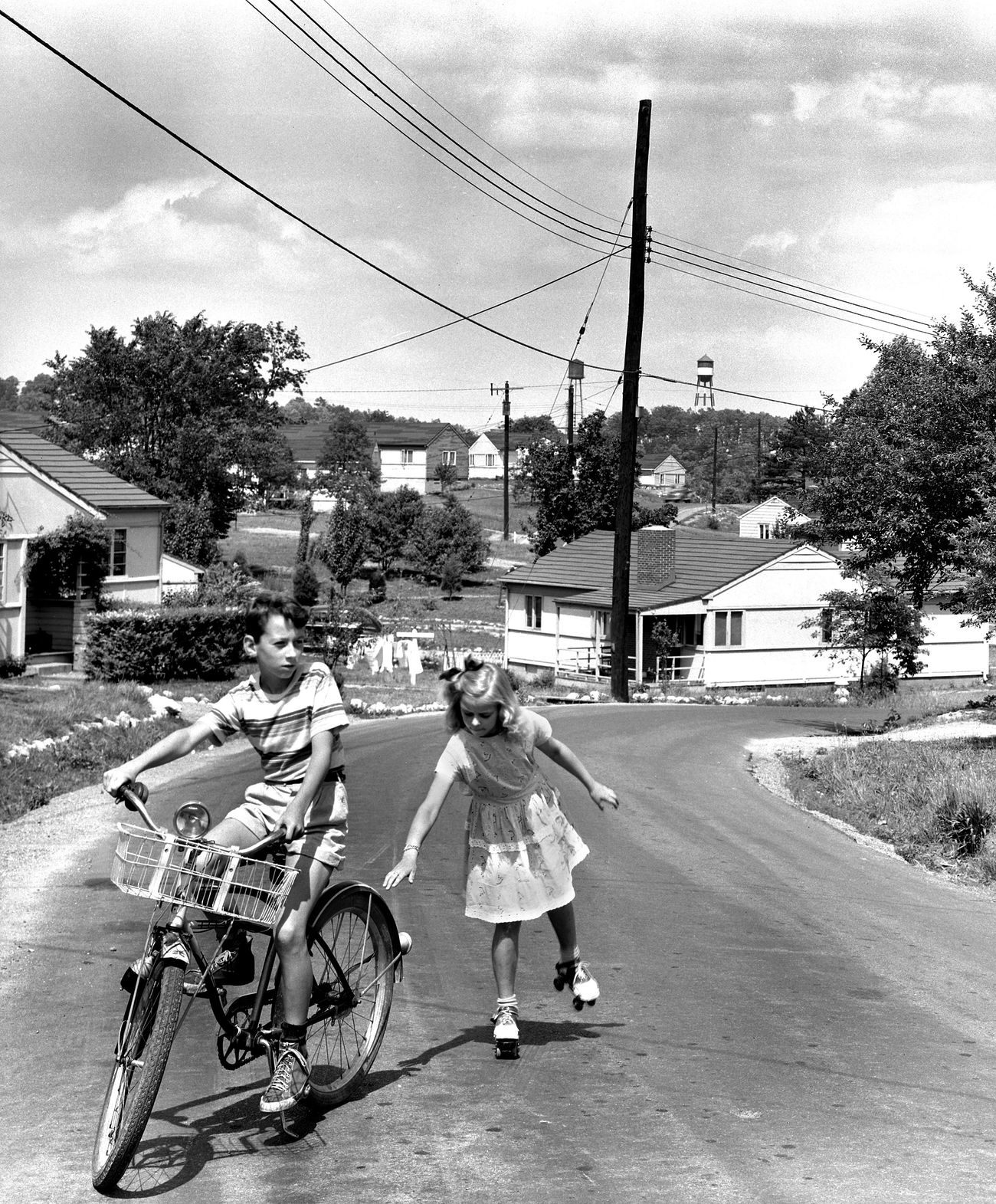
Children at Play on the Street by U.S. Department of Energy is licensed under CC-CC0 1.0

If I had to name the one thing that I like most about my neighborhood it would be seeing the children who live near me playing outside. Unless it is raining or during the school day my cul de sac is filled with the vibrant sounds of laughter and pure joy. It never ceases to delight me when I see the youngsters riding their bikes or running with unadulterated glee. They are a creative crew that invents all sorts of games. Sometimes I can even hear the stories and jokes that they tell each other. They create a joyful sound that keeps a big grin on my face. 

As a teacher I value the significance of formal education, but I also know how important unplanned free time is for children. Those are the moments when they are the most inventive. When left to their own resources young people find fascinating ways of working together to have fun. It’s essential that adults step aside now and then to allow their young ones the glorious opportunity of being creative.

My own youth was filled with nonstop activity after school and during the summer. Very little that I did was orchestrated by the adults in my world. Mine was a glorious kid fest in which we we created a world that would have been the envy of Tom Sawyer and Huckleberry Finn. As with my present neighborhood there was a moveable feast of activity that might involve teams of kids or one on one interactions. Shoes were optional and most chose to bare their feet unless it was very cold.

We liked games that we played on the front lawns or in the street. They were often rough and tumble and quite competitive. Somehow nobody thought to make different rules for girls and boys. Everyone was equal on the neighborhood playing field and had to toughen up or lose. By some miracle their were few injuries associated with our antics. Only once did an accident turn serious. That was the time when my brother encountered a large shard of broken class as he raced across the high grass in one of our contests. The hidden weapon sliced through a tendon on his foot and he went down like a hero, barely whimpering in spite of the pain. A quick trip to our family doctor’s office mended his wound and made him a bit of a legend of bravery on our block. 

We did outrageous things on our bicycles. Almost everyone knew how to peddle quickly and then let go of the handle bars. Some of us perfected the art of standing on the seat while the bike propelled forward. We had scabs on our knees to prove our valor and the efforts that we had made to be warriors of the road. Some of us used our roller-skates in Olympic fashion as well, learning how to move in a backward motion and jumping over homemade ramps.

We built forts and planned shows. We had our own hand printed and illustrated neighborhood newspaper. We wrote songs and created outrageous stories that were so well crafted that we almost believed their fiction. We did woodturning with a magnifying glass and looked at water from the street on someone’s Christmas gift microscope. 

The girls sometimes took a break from the antics to play with our dolls. We crafted furniture from shoe boxes and milk cartons that we painted or covered with scraps of cloth. We named our tiny images of humans and created biographies for them. Our imaginations soared as we spoke of the future of our Barbies and baby dolls. They would move to New York City to find exciting jobs or travel to California to live along the coast. They would be writers, performers, lawyers, or adventurers. 

Now and again I managed to convince some of the kids on my block to play school with me. I had a cardboard box filled with paper and pencils and little books that I had written. I would teach a concept and then give my students work to complete. At the end of the session I gave each one a grade on my handmade report cards. I was always generous in my praise so that they would want to return for more at a later date.

The best of the times were spent exploring the woods near the bayou that meandered through our neighborhood. There we would encounter children from other streets. We enjoyed being together in our little haven that seemed to be far away from the structured world of adults. Inside that tangle of trees and underbrush we might encounter snakes or squirrels and lots of crawly creatures. We learned the importance of proper shoes and clothing on our make believe safaris. We learned early on not to taunt the creatures or bear the consequences of doing so. We whispered stories of the girl bitten by a rabid squirrel or the boy who invoked the wrath of a snake. 

We kids created our own world just as the children in my present neighborhood seem to do. Everyone was equal and respected. If there were differences between us we did not seem to notice them. We were wild and tame all at once, free ranging children learning about the world around us on our own. We gleaned as much from each other as we did in the formal arena of school. We enjoyed the freedom of our youth to the max and it was glorious. Play is a necessary part of growing up. We mastered that aspect of life quite well and the children in my neighborhood appear to be well on their way to earning their own degrees in the art and science of play as well.

First Learn Who They Are

There was a time when it was quite easy to move back and forth across the border between Mexico and the United States. North Americans and citizens of Central and South America traveled freely from one place to the other. Workers made daily treks to jobs in one country and went home at night in their homes in another country. Many from south of the border with Mexico and the United States sometimes did seasonal work for months at a time throughout different parts of the U.S. When the tasks were finished they returned to their families. Nobody needed a passport or special papers to do such things. The countries lived in a kind of harmonious agreement of mutual support until the nineteen seventies when concern about the flow of drugs resulted in the near closing of the border. In each successive decade the problem of illegal immigration has only grown, leading some who have studied the issue to wonder if tougher policies about travel back and forth was the wrong approach compared to that of the past. 

In the ensuing decades the problems with immigration have continued to grow with few attempts to refine immigration policies and most emphasis being placed on policing the border and apprehending those who cross illegally. Since the tragedy of 9/11, 2001, there has been a growing fear of who might be finding their way into the United States illegally. With economic and political downturns in many of the countries to the south, the flow of people seeking refuge has become steady. Families are literally risking their lives to escape the horrors and privations in their homelands. The old relaxed back and forth from one country to another seems like a fairytale compared to the militarized feel of today’s border crossings. 

Who are these souls willing to risk everything to get to the United States? What are they thinking when they subject themselves and their children to such a distressful journey? Why would anyone want to endure the privations that lay ahead for them? The truth of their stories may lie in the trend of reverse migration that is a huge factor in keeping the number of illegal immigrants living in the United States virtually steady over the last twenty years. 

Many young couples escaped from their home countries and found their way into the United States without legal status decades ago. They managed to find work, live frugally and begin families. Their children were born in the United States and were therefore legal citizens of the country. Those kids went to school, learned English, graduated from high school and often went to college. They are now adults with good jobs and the ability to vote in elections. They are model citizens who only know the United States as home. Stories of the old country are simply memories from their parents who often still long to see the towns that they knew as children and the parents that that they have not seen for decades. 

With their children legally settled into the United States the now middle aged couples are often ready to return to the lands of their own youth. They want to spend time with their parents before those loved ones die. With funds that they have saved from years of hard work they are often purchasing one way tickets home, happy in the knowledge that their children who are citizens of the United States will be able to freely visit them in the future. It is a trend about which we rarely hear, one that says a great deal about the sacrifices that they have made for the sake of their children. 

I have sat with students over the years who described the heart rending situations of their families. These students ultimately went on to carve out places in the middle class here in the United States, but there is a part of their family history that is incomplete. As adults they began to fully understand the fears that their parents have endured on their behalf. They feel a deep and unrelenting sadness for their parents who have silently grieved over the loss of identity for years.

We have a terrible tendency to view people that we do not know only as members of a group. Their faces blend together into a stereotype that we have imagined for them. We hear of someone being illegal and make automatic assumptions about that person when the truth of his/her life may be far more complex. We would do well to hear their stories and really know them. Then we might learn to admire them rather than revile them. We might better understand the power of love that has guided them. Seeing them as individuals rather than as members of a group that frightens and reviles us may change our thinking about how to approach the tangled knot of immigration with loving concern for everyone involved. 

Humans have traveled across the earth since the beginning of time. It’s difficult to say who was in some locale first. Our present day borders are the result of politics and wars over thousands of years. We have different languages and cultures and histories, but in the end our hearts beat in the same way and our blood flows through the same kind of veins. All of us want a home where we feel safe and loved. Perhaps if we begin to approach immigration with such thoughts in mind we may find a more humane way to determine who we will welcome as neighbors rather than focusing on those that we want to turn away. We need to start with kindness and only bring out our big sticks when the individual cases warrant it. It’s time that we first attempt to learn who these souls really are.

Random Thoughts On A Spring Day

I tossed and turned last night. I finally fell asleep about three in the morning. It happens to me sometime. I can never predict when a sleepless night will occur. It does not seem to coincide with anything that I ate or my activities for the day. Suddenly and without warning my head is so full of ideas that I seemingly have to address them or my brain will burst. Mostly they are random thoughts that are disconnected from one another. All of them seem to be in need of attention. I lie awake dealing with them one by one and eventually am free from them and snoozing. 

My calendar is full these days, not with exciting social events or trips, but with schedules to visit doctors and reminders of wakes and funerals. I remember my sweet mother-in-law describing her late life as a series of old people’s responsibilities. She died at the age of seventy six after attending more funerals in her last years than I was able to imagine. Now that I am in in my seventies funerals and visits to doctors have become regular routines in my life. 

When I thought of my mother-in-law last night I was reminded of how important it is to do more than just exist from day to day. I thought of ways to enhance my life with more than the mundane. I want to put visits with living friends on my to do list. I want to embrace all that nature has to offer. I want to be sure that I have been responsible, but also that I have taken the most from every single day that I am able to grab. 

I remember my brother taking my sister-in-law’s mother along with his family on trips. She was wheelchair bound but it never slowed her down. She was willing to roll along the streets of Europe to see the places that she had dreamed of visiting. She always found someone willing to carry her and her chair up stairs or hills so that she might enjoy a beautiful view. The innate goodness of the vast majority of humans blessed her again and again because she was fearless enough to go out among them . 

My thoughts of the night moved to the many problems of my friends and family members and all people of the world. I know I can’t solve them all, but I can tackle the ones that are within my abilities. I can sit next to someone who is sad or just send them a note of encouragement if they are too far away. I can stop fretting about things that I can’t change and attempt to spread kindness wherever I go. Often it is in the tiniest moments that we make the most difference. 

Somehow my mother-in-law came to my mind in between and toss and turn. Perhaps she is watching over me or maybe her wisdom has stayed with me in the years since she left. I remembered her talking about the death of Jesus Christ. She often noted how he had been spurned by his fickle followers in his final walk to the cross. His apostles were hiding. Still, there was the courageous man who helped Jesus lift the cross he was bearing when he stumbled. There is a profound message in that simple act of kindness. We all know someone who is suffering through a difficult time. We would do well to help them regain their footing. 

I read a blurb about Kareem Abdul-Jabbar, one of the greatest basketball players of all time. I thought of how I saw him play when he was still in college at the old Astrodome in Houston. He was a stunning man who went on to achieve greatness. He has sold many of the trappings of wealth and achievement to fund youth education programs. He realizes that our earthly treasures are ultimately worth nothing to us, but investments in the well being of people live on far after we are gone. 

I want to be like Kareem and unselfishly give of what I have. The day will one day come when it is my funeral that is on the calendar of the people I know and love. I would like to think that I have helped them in some meaningful way while walking and talking with them on this earth. Being more selfless should be the admirable goal of each of us. That favorite possession or price of a new pair of shoes just might help in changing the trajectory of someone’s life.

Maybe my thoughts were supposed to happen in the middle of the night when I could not be ignore them by busying myself. In really thinking about what to do about the difficulties that concern me I realized that I can only do so much, but also that I still have the power to do something, even if it seems small. Each of us has something remarkable to offer that will make the world a much better place. Once I reached this conclusion I fell into a deep and restful sleep. I awoke a bit later than usual, but that was okay. I feel refreshed and determined to make each day count by sharing my time and my treasures. My thoughts reminded me again of how to live well. I’m rested and ready to engage with the people I encounter. I plan to give more and worry less.

My Memorial

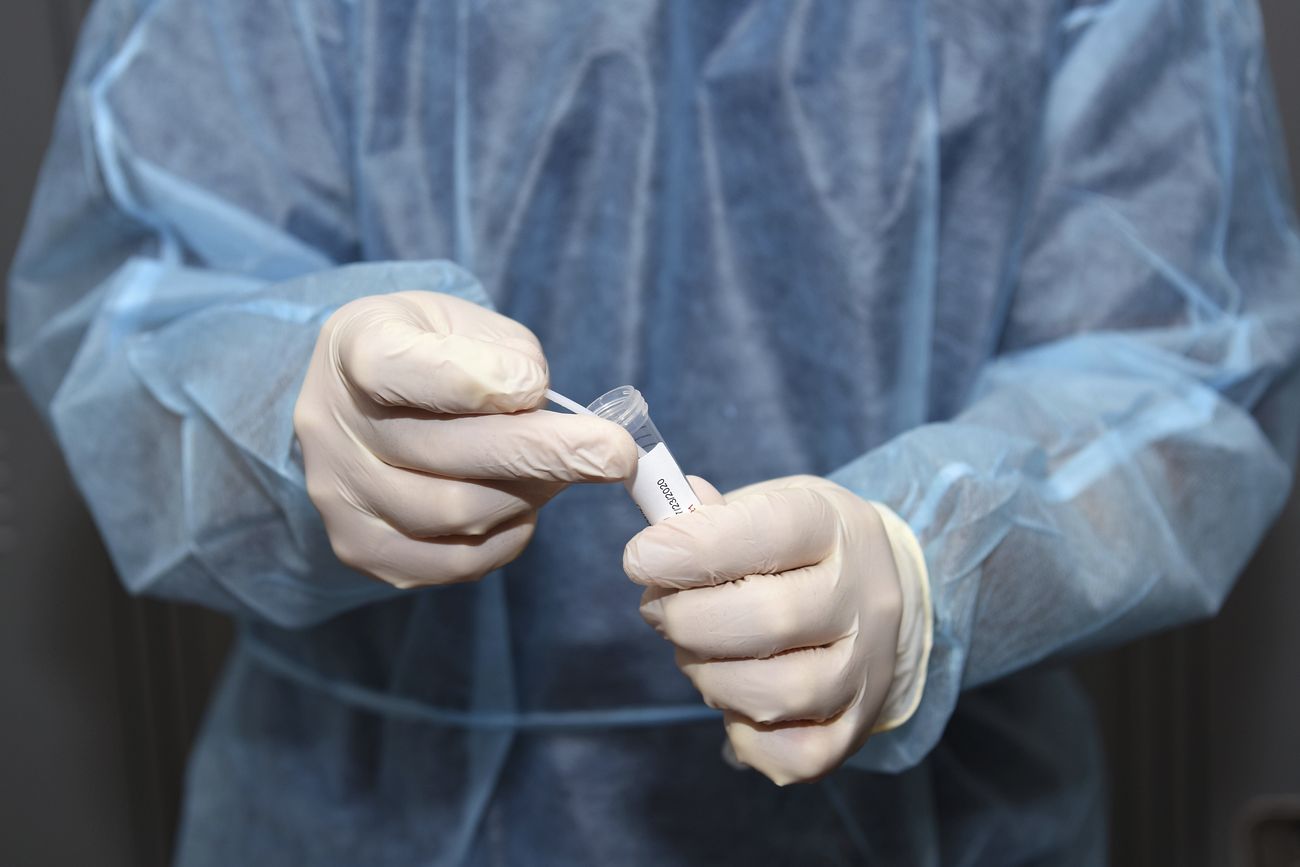
SCANG performs COVID-19 tests for mission by National Guard of the United States is licensed under CC-CC0 1.0

Three years ago I felt the seriousness of the worldwide pandemic with full force. I accompanied by husband to Methodist Hospital for a procedure on his heart. It was an eerie experience. The valet parking was closed so we had to scurry to find a place to leave our car while he was undergoing his surgery. As we walked into the Walter Tower we were greeted by masked nurses who took our vital signs and asked a series of questions before we were allowed to proceed to the floor where my husband would get two stents placed in the arteries of his heart. 

There was a ghostlike feeling to the usually bustling place. Guards directed us so that we would not wander into restricted areas. When we finally arrived to the cavernous waiting area to check in we were stunned by how few people were actually there. Couples huddled next to each other far away from contact with other humans. Everyone wore masks and interactions were brief. The floors reeked with the smell of disinfectants applied regularly by the cleaning crew. 

My husband was quickly taken to a private waiting room and I sat alone in the quiet of the cavernous hall. The coffee machines were dismantled. All signs of hospitality were missing. Nobody spoke to one another. Not even their eyes smiled. There was a kind of suspicion of strangers that made the long wait much more difficult to endure. It was the beginning of a three year journey with uncertainty. At that point in time death was lurking in hospitals across the world and nobody knew exactly how to deal with the novel virus that would soon sweep to every corner of life. 

Normally my husband would have spent the night in the hospital after his surgery, but on that day he would be monitored until he was deemed ready to go home. It took until almost midnight before the doctors released him. I had sat alone in the huge room for hours. I was hungry and exhausted and more frightened about Covid than I had previously been. The precautions of the hospital personnel had convinced me that this was a serious moment not to be ignored. 

Only hours before midnight a nurse came to accompany me to the parking garage to retrieve my car. It took us a great deal of time to find an outlet because many of the exists and entrances to the hospital were securely locked. Eventually we found our way out of the maze of hallways. I exited the garage and drove to the front of the Walter Tower where my husband was waiting in a wheelchair. The nurses helped him into the car and with expressions combining both fear and concern wished us both well in the coming weeks. 

Of course we all know the rest of the three year saga that affected each of us. There were so many losses of people, jobs, learning, goodwill. We were so ready to return to what felt normal that we hardly acknowledged the passing of time. We have tended to pretend that the whole thing is over and that we probably overreacted. In truth people are still contracting Covid and some of them are dying. The ravages of that virus has changed us. We are less open, less certain, less willing to sacrifice than we once were. We just seem to want to get on with life even as some among us worry that we are celebrating too soon. 

I personally feel a bit like Rip Van Winkle. It feels as though I have been in a deep sleep while the world continued on its pace. I still can’t quite feel the same lightheartedness that once defined me. I have witnessed too much hurt and anger to just pretend that all is well. I grieve for those who lost loved ones and had to endure seemingly unsympathetic attitudes of people who were angry at being forced to be cautious. I know how sick some people became and I have watched them struggle to become healthy again. There should have been some kind of remembrance of our neighbors and friends who died, but somehow we are not in the mood to even speak of the long nightmare. 

Ironically my husband is returning to Methodist Hospital in the coming days for one more procedure. Only one person may accompany him. We all must wear masks. The medical community is still proceeding with caution. There are still people dying from Covid. They must be careful. We are reminded once again.

This time I know the drill. I’ll bring my laptop and my cords to charge my phone and computer. I’ll have drinks and food in a bag in case I have to stay in place for a long time. I’ll think of the brave and dedicated medical people who cared for my husband three years ago and so compassionately wished us well even as they feared what might come. I will remember the beloved departed members of families that will never quite be the same. I’ll hold my own private memorial to honor all of them. I’ll hope that we have learned the right lessons from all of this. Mostly, I will remember how important it is to love. In some ways love and compassion have suffered during the past three years. It’s time we brought those things back so that we all may heal.