
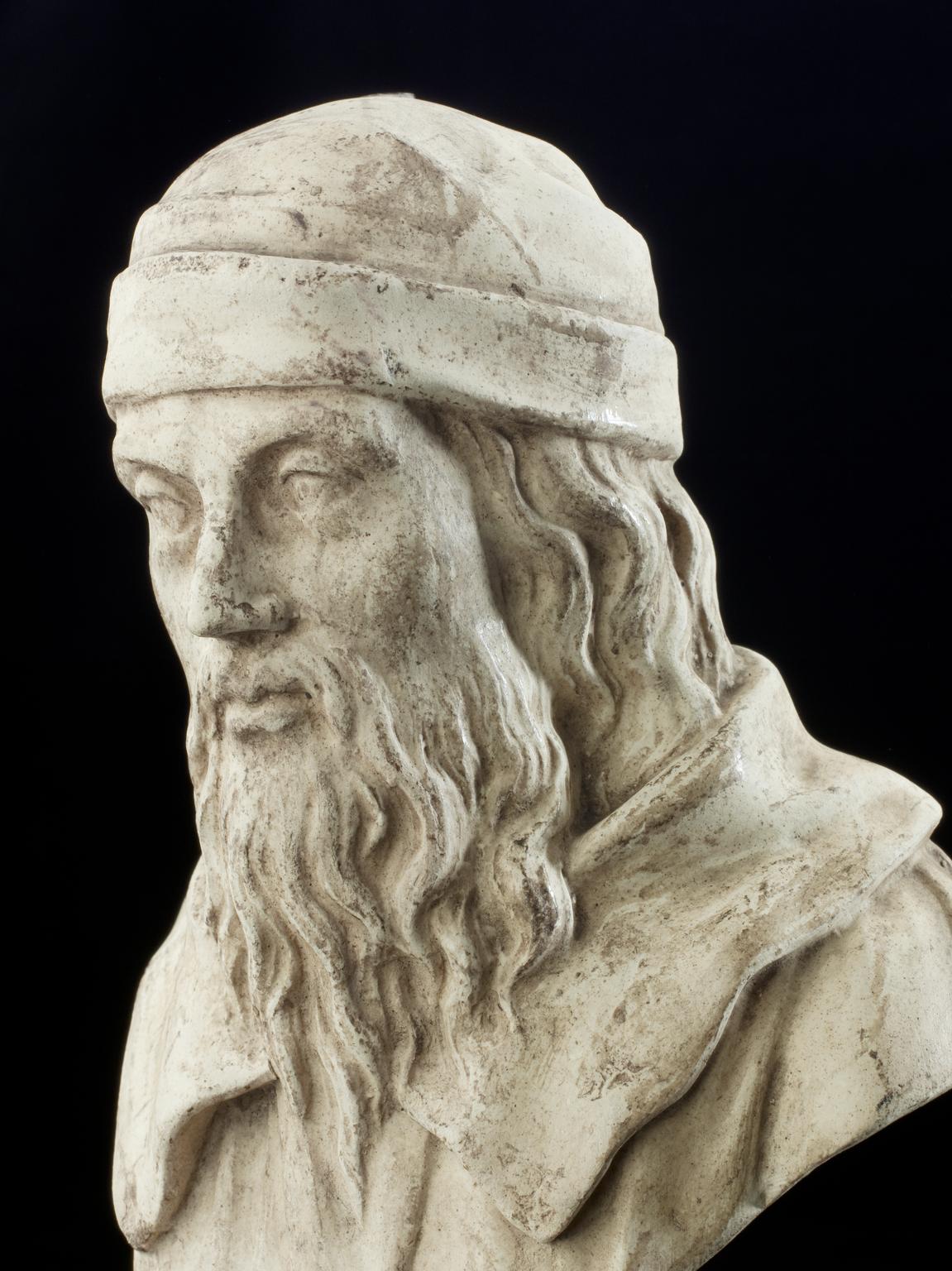
Aristotle viewed humans as social beings who as such should become involved in their communities. The question of individual rights to life and liberty and the pursuit of happiness were not suddenly invented with the Declaration of Independence. In fact, discussions of individual autonomy within the bounds of a community of people has been the grist of thinkers for centuries. How do we balance each person’s philosophy and beliefs with the needs of the local, state, national and world institutions? How can different cultures thrive and keep their identities in a world that is both alike and different in so many ways? How might we sustain functioning institutions of government and education in an era in which we struggle to listen to one another and discuss our concerns rationally? These are questions that threaten world stability in the present moment, but they have also been the drivers of upheaval in the past.
I have observed that history is somewhat cyclical. Today throughout the world we are witnessing the rise of authoritarians who seem to believe they have reached a moment that is ripe for allowing them to dominate people and nations with impunity. Perhaps they have observed that we are all exhausted from the ravages of the recent pandemic. We want to be left alone with our individual beliefs and have little patience for working together for compromises within our political institutions. Strongmen everywhere are seizing the moment to force their ideas on others because they sense that most of us are weary and no longer wish to enter the fray or attempt to engage in rational discussions that seem only to go awry in the heat of the current environment.
What can we do to insure that our institutions continue to function in a way that allows room for everyone, not just those who bully themselves to the peak of power? Do we isolate ourselves until the trend passes? Do we choose the lesser of two evils in formulating policies that will affect everyone? Are we running the risk of worldwide upheaval with apathy or would we all be better if we just took a deep breath and took stock of our personal needs before foisting our ideas on others?
History is so much easier to understand in hindsight. Once moments are in the past we are able to see what we did right and what we did wrong. We have time to critique those moments with solid evidence. When we are in the big middle of a difficult situation we tend to pull back into our individual needs rather than looking at how all the differing pieces must ultimately fit together in the puzzle of living together in a highly complex and diverse world. When chaos subsides we are able to use the rational side of our humanity rather than simply reacting emotionally.
To be or not to be has always been the question. Is it more important to fight for a single issue that means everything to us or should we find a way to incrementally get what we want? If we stop to think for a moment we will realize that it is quite rare to find a group of people from different backgrounds who are able to agree one hundred percent on what is best for the most people at one time. There will always be gaps in any societal decision that leave some person or some group wanting. We may have to return to the discussions to repair the discrepancies but waiting for the perfect answer to problems only makes the problems grow. A leaky pipe in the attic of our human institutions needs a bucket to catch the water at the very least. These days our different groups spend so much time fighting for all or nothing that we do additional damage with our delays.
I understand the frustrations of individuals and the groups to which they belong. Minority populations everywhere wonder when it will be their turn to be treated with equal honor and respect. Majority populations worry that giving too much power away will be a losing strategy. We humans circle the wagons and don’t see the forest for the trees. When we become too insular and frightened we tend to get things wrong. The truth is that Aristotle was correct. We are social beings and as such we much participate in helping our public institutions to function and thrive. That means sharing and caring about others who live on this planet with us.
We no longer have the luxury of living in isolation in today’s world. It only takes hours, not days to travel thousands of miles. It there is an earthquake in a faraway place we hear about it almost immediately. The death of a hero in a Russian prison becomes a cause for all freedom fighters across the globe. The people of the world are more highly educated than at any other time in history and yet we still find ourselves ignoring facts and lying to ourselves about what it true. We seem to fear the idea that all of us and all nations make hurtful mistakes. We have a tendency to shutdown those who reveal the cracks in our institutions and our histories. It is possible for the so called good guys to do terrible things, but we often avoid seeing or hearing evil within our own ranks.
Somehow we manage to mostly agree on the basics. We drive on the correct side of the road. We follow the rules. We get up each morning and go to work. We take care of our homes and educate our children. We live together in neighborhoods. We wait in line and give what we can to those in need. We can build on those things to create a better world but only if we are willing to walk across the aisle and work together. We can no longer afford to allow the threats of rabble rousers to keep us from doing the work that we know we need to do. We will never reach perfection but if we have the will we can be better than we have been of late.
 All It Takes Is A Little Love