
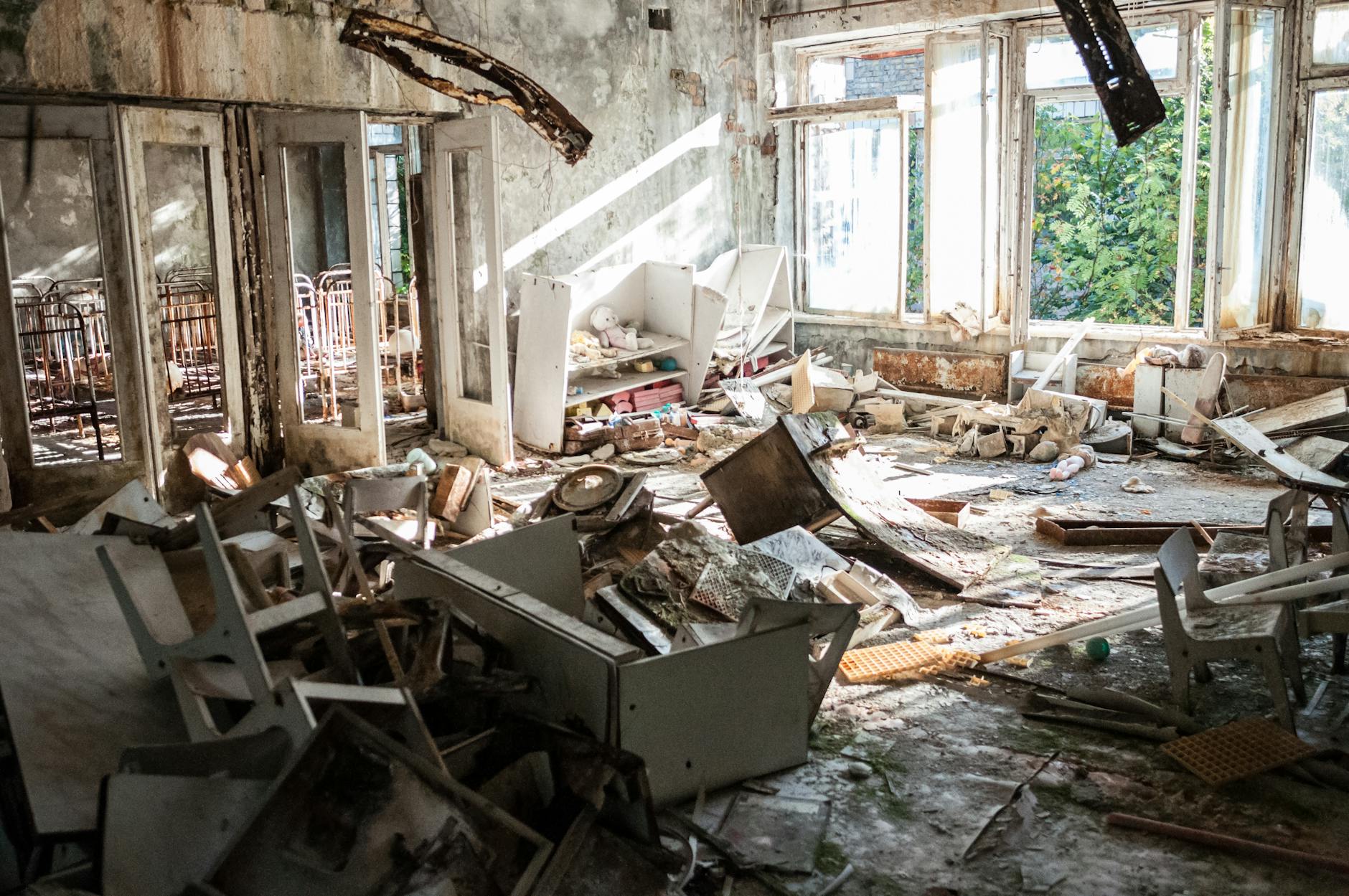
Years ago a teacher friend told me the story of going to help a woman whose home had been destroyed by hurricane Katrina. With tears in her eyes she spoke of the sorrow of realizing that nothing was left to retrieve in the once beautiful home. She related that as the two of them walked despondently and silently to the car her companion suddenly darted toward an ancient oak tree that had once provided shade to the home that was a shambles. Without explanation the woman began climbing the tree as though she was a ten year old child rather than a woman in her fifties. With a gleefulness that seemed impossible given the circumstances she moved higher and higher through the branches.
At this point my friend believed that the woman had somehow lost her mind over witnessing the tremendous damage of her family home. She had no idea how to react to the outrageous behavior but was worried about how she was going to talk the woman down from her dangerous perch. Then she heard a joyous squeal as the woman waved a china plate and exclaimed, “The family china is not all gone. This plate found a safe place in the tree,”
Disasters destroy precious memories. Floods turn diplomas to pulp and render photos unrecognizable. Winds bring down hundred year old trees while fires turn everything to ashes. Those affected by such things are always grateful when nobody is injured or killed, but there is something so personally difficult about losing a lifetime of objects that represent our heritage, our milestones, our travels and our happiest times. We can rationalize that they are worth far less than the people who owned them but knowing that they are gone forever only compounds the sorrow we are feeling.
Time and again the aftermath of destruction whether it be from wars or nature remind us of the life events that we experienced in our homes and neighborhoods. When favorite things or places are gone forever we feel as though a part of who we uniquely are has been stripped away. Of course we can rebuild, buy new things, but somehow the end result is never quite the same. I suppose that the resurrection of Notre Dame Cathedral exactly as it had once been is one of the few times that such a project turned out to make a structure better than it had been before. Most of the time it is impossible to recreate an exact replica of what is gone.
When I was growing up my family belonged to Our Lady of Mt. Carmel Catholic Church in Houston, Texas. It was a dynamic parish that began in a makeshift church but over time built a beautiful gathering place. I was married in the church that my family helped build and the photos of my wedding speak to the magnificence of the altar and the vaulted ceiling.
During hurricane Harvey everything changed. The roof collapsed and the parishioners did not have the funds to repair the church much less return it to its former glory. They scraped together enough just enough to fix the roof and to clean the mess that five days of rain falling into the vestibule had done. The glorious architecture of the original nave was too expensive to recreate so a simpler plan evolved. While the new interior is practical and nice enough it will never be quite as wonderful as the original church. All too often this is what happens when people have to rebuild their lives and their homes from scratch. The reconstruction is not quite as beautiful as the original.
I always feel both a sense of sadness and responsibility whenever a disaster destroys homes or churches or buildings. I experience a kind of empathetic connection to those who have borne the brunt of misfortunate. I have dodged the wrath of storms so many times while people around me have endured massive losses. I feel that is important to volunteer to help with the clean up projects for friends, relatives and even strangers. I donate to organizations that will provide them with a new start. When such sad times occur I watch the people who have been affected wander among us as though they are in a state of disbelief. I have felt their pain and understood how it takes them years to psychologically recover. Sometimes they never really get better but only pretend that all is well with them.
My aunt’s home burned to the ground several years ago. In the aftermath she seemed to suddenly turn old and riddled with health problems. The spark that had made her energetic and fun to be around was dimmed. It was not long after the incident that she died even as we had always imagined her living to a very ripe old age.
We are witnessing nations destroyed by bombs and homes obliterated by fire. Mud slides on mountains are taking out homes that are in the way. Hurricane winds bring trees down on buildings and tornadoes blow structures apart. Nature is continually challenging us and setting us back. If we are lucky enough to be unaffected by such things we should be willing to help in whatever way we can. We never know when it might be our turn to learn how it feels to lose the precious reminders of our lives. I’d like to think that someone will be there to cry with us or watch us celebrating in a tree as we begin the process of beginning again. Hearts will feel less broken when we know that others care.
 All It Takes Is A Little Love