
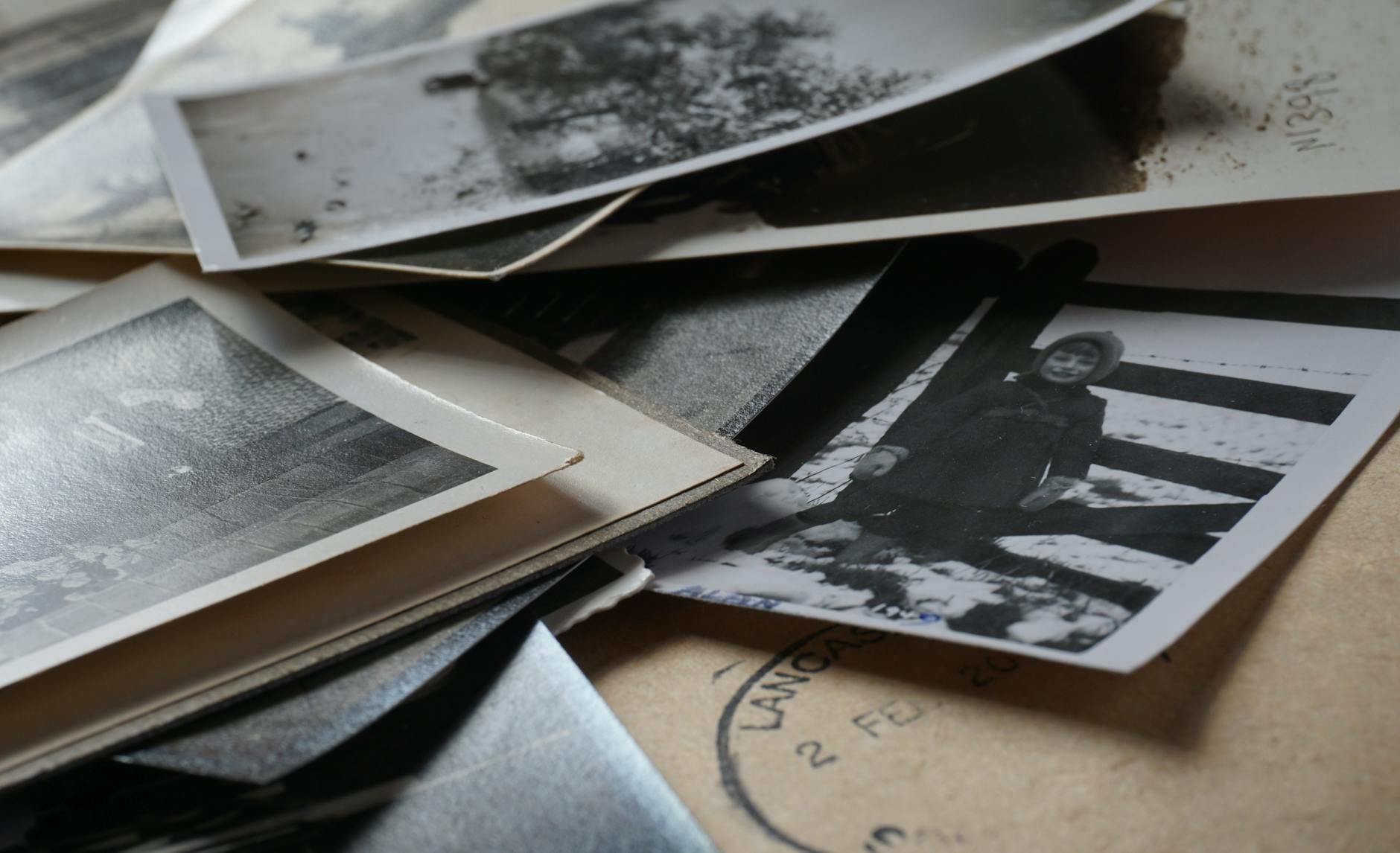
Houston, Texas, now the fourth largest city in the United States, was more of a town than a city when I was a child. I grew up in a neighborhood in southeast Houston that was one of the farthest neighborhoods from the center of downtown near what is now Hobby Airport. The road from Houston to Galveston quickly took on the feel of a rural highway and if I met somebody new there was good chance that they knew someone who lived near where my mother grew up as a child just outside of the center of town.
I remember the newspaper headline touting the city’s entrance into the one million citizens club in the early nineteen sixties. Anyone who left during that timeframe and never came back until the present would be totally shocked by the changes that I hardly even noticed because they happened so incrementally. Now the metropolitan area stretches far out to little towns that once boasted farms and ranches.
Houston just keeps growing and growing in spite of a tendency to flood and traffic that rivals Chicago and Los Angeles. It is a place that does seem to have followed any kind of plan in setting down roots farther and farther away from downtown. When it needs to expand it tends to tear things down rather than carefully preserving history. Much that once was is long gone in the name of progress.
The Texas Medical Center has become a behemoth and with hospitals, research centers and medical schools. People come from all over the world for heart procedures and cancer cures. On any given day the place is bustling with activity. Perhaps it is the one place that actually began as a dream that has been very carefully nurtured from city’s earliest days. It’s location adjacent to Rice University is not ab accident. In fact the founder of Rice, William Marsh Rice, had a hand in envisioning and supporting the idea of a world class medical facility.
The Shamrock Hilton Hotel once sat across from the Medical Center and it was a mecca for celebrities and the city’s movers and shakers. It was iconic in both its style and its history but the need for more space for the many medical facilities trumped any idea of saving it from the bulldozer’s brute force. Like so many Houston sites it had its moment and then quietly went away but those of us old enough to have seen it recall the movie stars and famous people who were regulars there lounging around the olympic sized pool.
My grandparents’ homes have miraculously survived the “tear it down” attitude of the city’s real estate focus. My father’s family lived in the Houston Heights in a stucco home that my grandfather renovated in the nineteen forties. It still stands on Arlington Street and it warms my heart to see how well the present owners have cared for it. My memories of Sunday dinners there are nothing less than bliss. I can still see the dining room with the mahogany table, the sideboard and the china cabinet that my grandmother kept gleaming with pride.
My job was always the same. I carefully removed the china from the cabinet and gently placed a plate in front of each chair. Then I opened the beautiful box that held my grandmother’s silver and set the knives and spoons and forks around the plates just as she had shown me how to do. For a little girl setting her lovely table was a highlight of each week.
After dinner Grandma always gave us a tour of her garden to gaze at whatever happened to be blooming at the time. Her neighbors would wave and shout their hellos just like I imagined it was done in little towns all over the world. Sometimes someone would be burning leaves in the drainage ditch in front of the homes. The smell was so lovely that if I close my eyes and let my mind reimagine those days I am able to catch a whiff of that aroma once again.
My other Grandmother lived east of downtown. Friday nights were the time for the designated visits with her and all of my aunts and uncles and cousins. Back then there were lovely homes on the street which ended at a fenced in gate at the end of the street. Behind the fence there was a warehouse for a local grocery store chain called Weingarten’s. Sometimes I thought I smelled bread being baked over there but I never knew for sure. Just down the way was a coffee plant and on most Friday evenings the lovely scent of fresh coffee beans filled the air.
We played games in the street and listened to the laughter and music from the bar just across Navigation Street. We were never afraid back then. Everyone seemed to be friendly and if there were mass shooting somewhere we had never heard about them. Life felt as calm and gentle as can be.
Today my grandmother’s house is the only one left on the street. Businesses have encroached on what was once a quiet neighborhood. The little house looks out of place but the new owners have attempted to make it cheerful with a fresh coat of bright blue paint. It’s the last remnant of my childhood memories there so it delights me to know that it is still there even if nothing else looks the same.
I suppose that progress is a good thing but sometimes I think that I would prefer to see more preservation in my city. I’ve witnessed so much change. I was at the opening of the first shopping mall and later the first mall that was indoors. I’ve watched the oldest buildings in downtown become dwarfed by magnificent skyscrapers and sometimes even removed. The beautiful Sacred Heart Cathedral of my youth is now a parking lot. The Astrodome sits abandoned and waiting for someone to decide whether to tear it down or turn it into something useful. Astroworld where I had so much fun with my children is now a parking lot as well. Life goes on and Houston seems poised to move up a slot in the ranks of population. Sometimes I can’t keep up with all the change but the memories of old never fade and they always make me smile.
 All It Takes Is A Little Love