
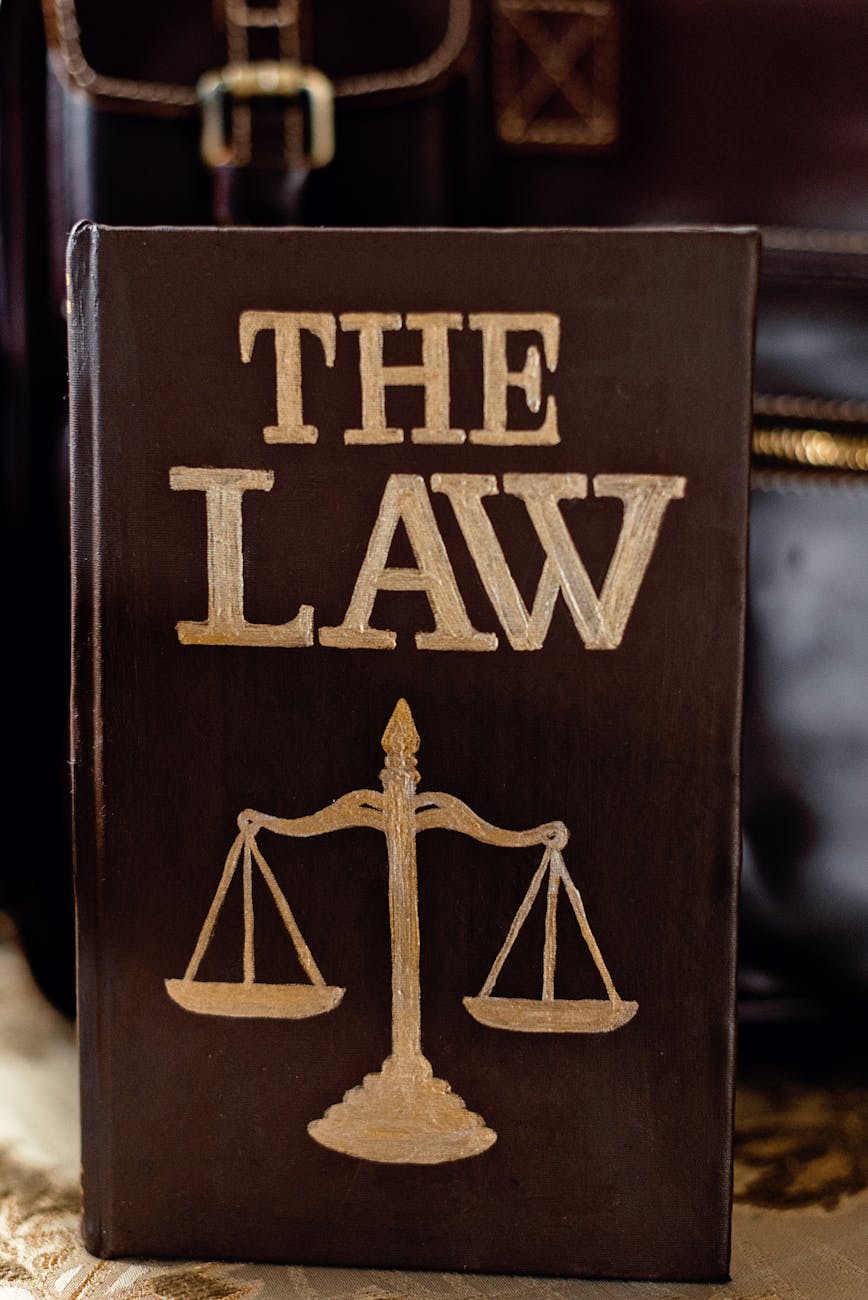
In my early years of teaching I made so many mistakes but luckily I was working for incredible principals who gently helped me to learn from my mess-ups before they became disasters. I believed that a set of hard and fast rules would set the right tone in my classroom so I created a poster board filled with considerations of every possible infraction along with the punishments that would be enforced without hesitation. In fact, I spent most of the first day of school explaining the laws of my classroom to the glazed faces of my students.
It did not take long for me to realize that enforcement of my regulations would be a full time job that all too often interfered with the presentation of lessons that I had worked very hard to create. Luckily before I had totally lost the attention of my students and created a dally riot a visit from the principal set me in the right direction.
As she left the classroom after an observation she smiled and motioned to me that she had left a note on my desk. As soon as I got the children busy doing some quiet work I read the brief invitation to her office that made me wonder if I was going to hear praise for the interesting lesson that I had given while she was watching. I could hardly wait to hear her feedback.
She was a lovely lady with a true knack for understanding both the students in her school and the teachers that she had hired to guide them. She began our discussion by complimenting the thought that had gone into my lesson and the earnestness with which I had presented it. Then she asked me how it was going with my rules and consequences for bad behavior. She did so in such a way that I did not feel that she was criticizing me. Instead I decided to lean into her experience to guide me in a project of classroom management that was becoming more and more overwhelming with each passing day.
I admitted that keeping track of all the infractions and then administering the written laws of my classroom was taking more time than I had imagined. I even noted that there were moments when I ended up having to punish one of my better students just to keep things fair. Somehow the whole system felt unwieldy and untenable for an an entire school year.
Without insulting me or acting as though she had caught me doing something very wrong she then asked me what I thought might help. I honestly admitted that I was unsure of the best way to proceed and asked her if she had any ideas. Only then did she suggest the I retool the whole issue by selecting the five most important rules, writing them up with positive and generalized sentences and then ditching the idea of hard and fast punishments associated with each infraction. She suggested that sometimes there were indeed valid exceptions to rules, reasons that made sense for trying a different way to motivate an individual to do the right thing.
I spent that evening. rewriting my poster and settling on four major ideas about getting along in a group setting. I used happy colors on the poster and made it appear to be something positive rather than a recitation of sins and penances. The next day I told my students that whenever I do something wrong I like to admit and then rectify my mistakes. I asked them to honestly tell me how they had felt with all of the rigid rules that I had covered on the first day of school. I then introduced my new poster and asked them to comment on the generalized ideas for harmony in our space that would now be the way things would go in our mutual environment.
They were eager to talk about the new guide for working together in a mutually respectful way. They talked about how much they liked it when every person seemed to care about the needs of everyone else. I recorded their additional suggestions for how to react whenever someone seemed to forget the decorum and needed a nudge to get back to the spirit of getting along together. They smiled and began doing all of the things that I had listed on the first poster without any need for such ideas to be written in stone. Life in our little space instantly became better.
I never forgot the lesson learned nor how wonderfully my principal had guided me to answering my own questions about my failure to create a classroom atmosphere that worked for everyone. Using her technique I made my students think about why we need rules and how to enforce them. Classroom management became a guide for living in mutual respect and forevermore was only a small part of my duties as a teacher.
I think that the founders of our nation somewhat understood the power of the right kind of rule making when they embarked on a new kind of government two hundred fifty years ago. Even they understood that their efforts were imperfect but the heart of their Constitution lay in the respect for our differences. They were especially sensitive to the many different religious beliefs that people have and they were determined to protect the right of each of us to follow our own spiritual destiny. They wanted a press that would not be influenced by politicians and a kind of government in which the three branches made certain that no one demagogue would be wielding a cudgel. They gave citizens the right to vote and be part of the process. They never intended for one person be in charge of everything.
They were indeed wise and it is up to us to be like my wonderful principal and make note when things don’t seem quite right. We are all in this microcosm called the United States together and every voice has the right to be heard and not every rule has to apply exactly the same way in individual situations. Working together with respect and harmony works better than any other method. Hearing the problems voiced is a good thing that always makes us all better. Working for a common cause in which no one group gets all the goodies assures that our freedoms will be equally enjoyed.
 All It Takes Is A Little Love