Finding the Gold Within

Olympic-Rings-large_trans++X9gqeEfKXQcqd954t2rXzvTSL8SM4yNVj_ZSDGesqAMEvery four years we become divisive and we also come together. The coincidence of our Presidential election and the games of the summer Olympics creates a kind of love/hate situation in living rooms, at dinner tables and in neighborhoods across our nation. On the one had we speak of issues that divide us into camps and on the other we join together in cheering the best among us. There is a kind of irony in the magnitude of our difference and our sameness that fights for dominance over who we are as a people.   

The Greeks were one of the first nations to experiment with democracy. Theirs was a far cry from the present day government of the United States but the basic elements were there, at least for a handful of the citizens. Women were excluded as were many from lower economic classes and those believed to be outsiders. There were no representatives. Instead it was a system based on one vote for each eligible person with a simple majority determining the fate of any proposal. It was democracy in its purest form. It was the start of a grand experiment that would evolve over time and undergo many iterations. It would be hundreds of years before the grand idea of democracy morphed into a less chaotic and inclusive way of running a more just and fair system.

The Greeks were innovative people who instituted the Olympic games to celebrate the power and beauty of the human body and to bring the people together in harmonious competition. Back then the games were rather simple and the participants performed their athletic feats in the nude. Citizens gathered to watch the events and to cheer for their favorite contestants. The games provided a nice distraction from the hardships of daily life and the continuous discussions and battles that were an inevitable by-product of human attempts to live in harmony. 

The modern day Olympic games attract challengers from over two hundred countries and feature a variety of sporting events that the Greeks of old would not recognize. The athletes come with an array of coaches and specialized equipment. They train for years and rise through the ranks to become contenders for gold medals in their specialties. Just as in days of old there are national heroes among them as well as those deemed so extraordinary in their abilities that they are cheered as heroes by everyone.

The road to the Olympics begins in ordinary ways. A young child joins a neighborhood swim team or runs across a field with the speed of a deer. Somewhere an adult notices the talent and suggests that perhaps a bit of training may help the individual to improve. The most gifted youngsters demonstrate not just natural aptitude but a willingness to devote inordinate amounts of time and money to both learning and competition. Everyone can see that there is indeed something quite special that differentiates the best athletes from their peers. They and the adults who guide them are willing to work long and hard. They do not allow challenges to defeat them. Their quest for excellence becomes a focus for them and their families. Everyone sacrifices. Eventually they excel in the neighborhood, in the city, in the state, in the country and the world.

Few of us have the talent, the inclination, the support or the resources to embark on a journey to the Olympic games. It takes a very special set of circumstances indeed to be among the best in the world and yet every four years we are fascinated by the variety of stories that each of the participants bring to the games. From them all of us become inspired to achieve just a bit more in our own lives. The heroes of the Olympic games are the stuff of legends, human iterations of the gods of old.

My fascination with the Olympics began when I was still in elementary school. I watched an old black and white movie about Jim Thorpe and I was hooked. It told the tale of a native American who seemed able to perform any sort of athletic feat more ably than any of his peers. He came from poverty and want but on the field of competition he was glorious, winning at seemingly anything that he tried. Eventually he found glory and gold at the Olympic games. Sadly, different rules of the day and his own ignorance of them eventually resulted in a decision to strip him of all of his medals simply because he had once played on a semi-professional team to support himself. I remember feeling crushed by the unfairness of what happened to him but still regarding him as amazing.

Perhaps the greatest Olympic story of all is that of Jesse Owens who dominated the games in Munich at a time when Adolf Hitler was intent on spreading the myth of a super race of white men so perfect that they would be able to dominate the entire world. It visibly angered the dictator to watch a black man disprove his theories and served as a reminder to everyone that there is potential greatness in all of us regardless of background or race. The Olympic games have served time and again as the great equalizer that disregards the often faulty thinking of mankind.

During the next couple of weeks we have so many opportunities to watch the most remarkable men and women doing their best not just to represent their respective countries but to demonstrate the power of the human spirit. It is a time when we might teach our young that no worthy goal ever comes easily but with determination we all have the potential to realize our dreams. The games demonstrate, as one of the relentless commercials says, that all of us have gold inside our veins. We were born with abilities just waiting to be released and it is up to each of us to find out what those skills are and how we might use them to better ourselves and the world around us.

I watch the swim competitions and think of hot summer afternoons when I witnessed my grandsons earning multi-colored ribbons in the neighborhood pool. I see the track stars and recall cheering the same boys as they ran in weather so cold that all of the spectators were covered in coats and heavy blankets. I think of the young people dunking basketball after basketball at our local park. I see the bicycle riders struggling up mountain roads. I know that none of the competitors reached the pinnacle in their respective sports without a work ethic that would shame all of us and I applaud each and every person who showed up again and again and again.

I’m not much of an athlete. I grew up at a time when girls were rarely encouraged to pursue sports, especially in my particular family. I never had the kind of coordination needed to work with a ball of any kind. I mostly ran and rode my bicycle and twirled my baton. I practiced tricks on roller skates and learned to swim only enough to save myself if needed. I focused my time and attention on academic pursuits, a worthy cause but one that left me sometimes feeling incomplete. I have come to believe that we humans should develop both body and mind to be whole. I suspect that this is what the ancient Greeks were thinking when they offered their citizens philosophies, innovative political systems, art, literature, mathematics and athleticism. They understood that we are incredible creatures most especially when we strive to use all of our capabilities.

Genius of mind or body is found even in the farthest corners of the world. There is potential for greatness everywhere. Each of us needs to spend more time becoming our personal best and less criticizing those who look or feel or act differently. We are all part of the same team, the human race. When we face our own challenges and embrace everyone around us we all become better. We all find the gold.
Heroes

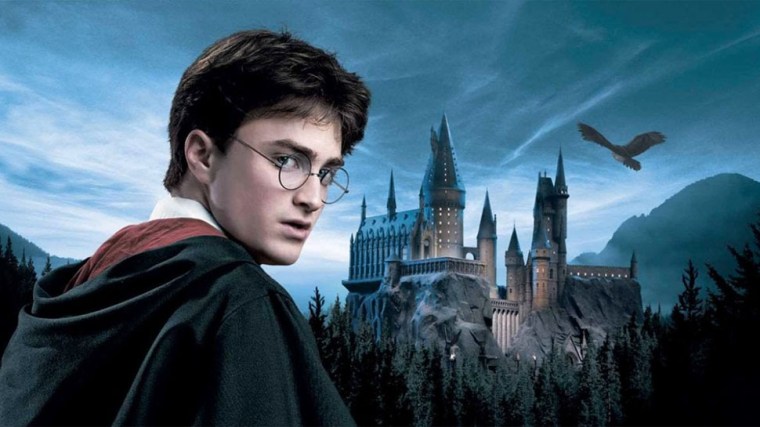
Wizarding-World-of-Harry-PotterThe love of reading seems to be embedded in my DNA. For as long as I can remember books have played an integral part in my life. They bring me pleasure and contentment. I enjoy a multiplicity of genres and always have. I like fiction as much as nonfiction, poetry as much as prose. The truly great writers capture the essence of the human experience. They introduce us to heroes, real or imagined. They ask us to think and consider alternatives. They transport us to new worlds and ideas. Reading is by far mankind’s most magical experience.
When I was in high school I had the same English teacher for all four years. He required us to read a new book each week and then write a general critique of it. At the beginning of my freshman year he gave us a list of all of the books in our school library and suggested that we enjoy as many of them as possible during our time as students. He not only encouraged but required that we select a variety of authors and topics to gain exposure to many different philosophies and ways of expressing thoughts. It was at times difficult to find the time to meet his demands while balancing all of the other tasks that were part of my life but admittedly I was the most content whenever I was lost inside the pages of a new book.

I came to know many heroes and anti-heroes. I learned that even the most remarkable individuals in fact and fiction had moments of failure in their journeys as well as triumph. I lionized the people who stood for purposes greater than their own. Perhaps my quest to find the goodness in mankind had begun with the fairytales that my father had once read to me. At the time that I sat next to him as he related the stories of triumph over tragedy I had little idea that I would one day embark on my own hero’s journey. When he was gone I became addicted to stories of saints hoping to find a pattern in their sacrifices and the secret to living a good and decent life. It was not until high school that I finally realized that heroism is far more complex than I had once thought. As human beings even the greatest among us often falter. There is never perfection.

There are particular authors who seem to understand our human strengths and frailties. John F. Kennedy’s Profiles in Courage describes unique situations in which individuals had the choice of standing for their convictions or mingling with the crowd. None of the people whose stories he told had particularly demonstrated the characteristics of a hero until the defining moments in their lives when they decided to do what they believed was right and just. In some cases it cost them dearly. In others it elevated their status. In every example their actions took great courage.

Sometimes we seem to have a dearth of heroes. We shouldn’t have to watch a Jason Bourne movie to experience greatness. It is doubtful that we will find true bravery inside the pages of a Marvel comic book. We want to see the real thing and most often find that it is hiding in plain sight in the most unlikely places.

My grandfather traveled across an ocean to a new world and worked from early in the morning until late at night to earn the resources to buy land and build a home for his family. He toiled in a meat packing plant cleaning carcasses and bloody floors. He was wracked with pain in his legs that he stoically endured. He and his children were taunted for being foreigners with unfamiliar ways. He maintained his dignity and his pride in spite of the difficulties that plagued him. He taught his children to work hard, remain optimistic and take full advantage of life’s possibilities. He insisted that they ignore insults and remain strong and confident. He was a hero albeit with his own feet of clay.

The new installment of the Harry Potter saga comes in the form of a stage play. It is almost Shakespearean in its theme. As the story unfolds we see Harry as a middle aged man, married with three children. His days of adventure are seemingly behind him but his reputation marks him as surely as the scar that reminds everyone of his story. Like many fathers he struggles to communicate his feelings to his children. He is a victim of the inevitable gap that separates one generation from another. As a grownup his heroism takes a new and less romantic form. J.K. Rowling wisely notes that even the greatest wizard has imperfections that make life difficult.

Perhaps we are all guilty of expecting too much from those who would be the heroes among us. We cringe when they make mistakes or say the wrong things. We seem to take joy in noticing their missteps. We magnify not only their accomplishments but also their failures. We place someone like Tiger Woods on a pedestal when he appears to be perfect but joyfully knock him down when he proves to be as flawed as the rest of us. There is something that is not quite right about our hero worship. It is filled with unrealistic expectations that no human being will ever be able to meet. With the media lurking around every dark corner it is almost certain that even the most generous and outstanding individual on earth will ultimately be accused of being a fraud. 

We have a terrible habit in this day and age of confusing heroism with a willingness to agree with us. We tend to disdain anyone who suggests that perhaps there is a different way of viewing things or solving the world’s problems. It is easy to bend and sway with the wind. It is far more difficult to adhere to integrity and endure the boos of the crowd. Sometimes it is that lone voice urging us to realize that the emperor has no clothes that holds the truths that we need to hear. Heroes are not always the most popular or the ones who make us feel good. Often they express truths that challenge our comfort and ask us to suspend our preconceived notions.

The history of the world demonstrates over and over again that we seem to get our heroes just when we need them most. They bravely guide us to be our own best selves.  They may do so quietly and without fanfare or with great flourish. They may live next door to us or in the halls of power. We never quite know when we will encounter them but we recognize them when we see them. They show us how to muster our hopes and dreams into a better reality if only for a brief moment in time. They are Mother Theresa and the woman who brings a casserole to the sick. They are Martin Luther King, Jr. and the man who helps a stranded motorist to change a tire. They can be the child who stands up to a bully or a senator who refuses to endorse a questionable political candidate. Our heroes are not just found between the pages of a good book. They are all around us and in the end they almost always set the world aright.

You Just Might Get What You Need

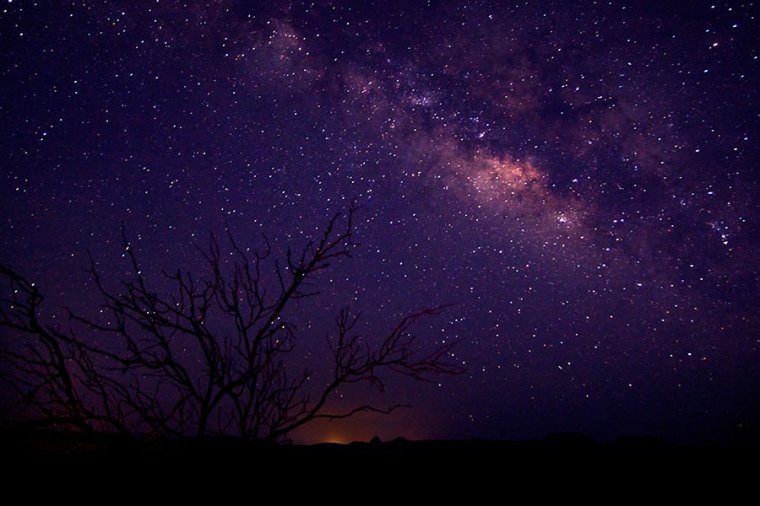
davis-mountains-night-skyFort Davis, Texas is a tiny town nestled in the shadow of the Guadelupe Mountains in the far western reaches of the state. It is a place with so little human footprint that it is home to the MacDonald Observatory and the annual gathering of the Texas Star Party. Here the stars at night truly are big and bright. Without the lights of more populous areas it is possible to see the nighttime sky the way it was once viewed by our ancestors. It is a place where it becomes easy to sense our place in the universe and in turn to shed the baggage of stressful times. In Fort Davis, particularly when the day is done, the stars, the planets and the creatures of the night remind us that we are part of a vast expanse of history that has come before us and is still yet to happen. It is a humbling and healing experience to be there.

Fort Davis came to be in the middle of the nineteenth century when the California gold rush led to an unprecedented western movement. The journey was long and treacherous, moving through deserts and land belonging to Native Americans who were becoming increasingly more concerned about settlers claiming property as their own. The fort was not just a way station for travelers but also a means of protection for safe passage. It was home to officers and their families as well as the famous Buffalo Soldiers, Black recruits so named by the Comanches who were fascinated by the dark skinned men. It was a rough and tumble society on the outer edges of civilization where everyone had to work together to keep things from falling apart.

The fort and its purpose lasted only a brief time. When the Civil War broke out it was used as a western outpost for the Union Army until the Confederates defeated the troops there and used it for their own purposes. After the war it once again became useful but not for long. It was abandoned late in the nineteenth century and sat that way for decades. Luckily there weren’t many people in that part of the world and so the buildings were never completely destroyed. They simply sat waiting for someone to notice their historical significance and to restore them to their former glory.

Today they are a living record of an era when many citizens of our country were seeking futures for themselves and their children. It takes little imagination to understand the difficulties of their journeys. The post is four hundred miles from San Antonio which now as then was the only major city in any direction. At a rate of five miles per hour, the wagons that carried the families were excruciatingly slow. Travel took more than ten times longer than it does today and that was if all other conditions along the route were perfect. I thought of how long it had taken us to pull our trailer from San Antonio to Los Angeles on our vacation and began to understand the sacrifices that the travelers had to make. I thought of the heat and the uncertainty of the road ahead and marveled that anyone might have felt adventurous or desperate enough to consider such a daunting expedition.

There is a hospital in the fort that holds records from the doctors who worked there. The stories tell of horrors such as the family that lost seven children in two weeks to diphtheria. The primitive nature of the treatments are as frightening as the injuries and diseases that found their way so far from the rest of humanity and yet the daily lives of the people who came here were often as routine as anywhere. They wrote to friends and family back home and celebrated the coming and going of the seasons. They drilled on the parade ground and periodically defended themselves against cattle rustlers and thieves. They watched the comings and goings of the pioneer families and no doubt observed the same stars at night that continue to brighten the skies. When they were gone they seemed to have been forgotten for a time but today thanks to the National Park Service they are remembered by people like me who walk in the shadows of their history with a kind of awe.

Fort Davis is now mostly a destination for tourists and astronomers. Those seeking refuge from the hurly burly of our modern times like to sit on the porches of the inns on the main street of town and listen to the silence. An old time drug store offers a daily menu of breakfast, lunch and dinner along with a soda fountain featuring banana splits and root beer floats. Fort Davis State Park has tent sites and full hookups for campers. The Prude Ranch which hosts the Texas Star Party offers horse back riding and a vicarious ranching experience. The MacDonald Observatory is a scientific wonder that hosts tours and star gazing opportunities for the public even while it studies the heavens and learns more and more about our universe.

There are things to do in and near Fort Davis for those who like to keep busy but it is also the consummate location for simply relaxing. We spent an entire evening just gazing at the stars which were so plentiful that it was breathtaking. Some people actually sleep during the day and stay awake all night long to watch the changing spectacle in the sky as the earth spins on its axis.

Being in Fort Davis is a priceless experience that puts life so clearly into focus. Somehow out where mankind has such a small footprint it is easier to understand that our days and our nights will continue in much the same way that they have for eternity and none of our worries will change that. It reminds us of the beauty of nature and the cosmos and urges us to realize that we owe it to ourselves and to the future to honor the miraculous magic of our world. It tells us to learn from both the courage and mistakes of our past. It challenges us to become protectors of humans and nature lest we lose what is most important.

We know more about how things work than at any other time in history but I suspect that just as our ancestors, we still have much to learn. We need not berate ourselves for the ignorance of those who came before us but instead should celebrate the knowledge that has allowed us to become better. Somehow both our history and our future converge in Fort Davis in a way that makes our path as the human race seem so much clearer. It is difficult to visit this place without changing just a bit. It is both spiritual and scientific, reaching into the head and the heart. You won’t find raucous and artificial excitement here but you just might find what you need.

Higher Ground

4-ways-to-prevent-office-bulliesI’ve observed bullying for most of my life. I was once the victim of bullying, a situation that I nipped in the bud by ignoring my antagonist whom I considered to be sadly damaged. I successfully defended a classmate who was the brunt of ugly jokes and taunts. As an educator I witnessed incidents of cruelty that were horrific. I did my best to teach both my children and my students the importance of living by a moral code imbued with sensitivity, integrity and kindness. When necessary I entered the fray to protect those who had become emotionally broken from the barrage of insults that they had experienced. Sadly I have noticed that over time the game of bullying has only seemed to grow stronger and more common as social media provides a powerful conduit for harming individuals with words and ideas.

Bullying appears to have evolved into a worldwide blood sport these days. We have a presidential candidate who is lauded by his supporters as a kind of warrior because of his fearlessness in accusing an opponent’s father of being somehow associated with an assassin or remarking on the physical flaws of women that he finds threatening. He hurls insults at entire religions and countries. Instead of admonishing and spurning him, large groups of people provide him with attention and adulation as though his lack of manners is a sign of courage rather than crudeness. What are our children to think?

We have countless commercials in which people quite subtly demean others in an attempt at humor. Why do we find it funny when an individual pokes fun at a friend’s command of grammar? What is so wonderful about a woman rolling her eyeballs at a husband being portrayed as a total moron? Why do we laugh when we know we should instead feel uncomfortable?

Facebook and Twitter abound with ugly derisive posts. We encourage bad behavior by sharing and retweeting comments that might once have been considered too rude to repeat. We say that we abhor bullying of any kind and yet we do little to stop the ceaseless chatter that demoralizes and demonizes individuals and groups alike. In today’s world none of us are immune from unwanted and often unsolicited hatefulness. It is little wonder that so many people are choosing to tune out.

Prince William and Princess Kate are attempting to vanguard a movement to bring attention to the horrific effects of bullying. Their campaign reminds us of the often unfair and sordid gossip that swirled around Princess Diana, William’s mother. The poor woman was hounded by cameras and invasions of her privacy. Rumors smothered her attempts to live normally. In the end she died in a tragic accident as she attempted to evade her stalkers. It might be said that she was the victim of a form of salacious and relentless bullying from a public all too hungry to learn her dirty little secrets.

I have generally found that bullies are quite insecure. While they may appear to exude confidence the truth is that they have a need to exert power over others to assuage their own fears. When stripped of their boorish behaviors they often have very little to offer. They are generally very unhappy people and many times are the product of abusive parenting practices. They struggle physically, academically and emotionally. Their bravado masks the emptiness that they feel. They need to dominate others so that they might may pretend to be powerful. They become particularly happy whenever they attract a following for their contemptible behaviors. Like the boorish dictators that they are, they mistake fear for respect. In most cases the quickest way to shut them down is to leave them alone and isolated, a tactic that is all too many times easier said than done.

Back in high school I ran for student body secretary. One morning I had a minor skirmish with a fairly well known bully. I stood at the entrance of my school handing classmates campaign material and requesting votes. Most people politely acknowledged my greeting but one fellow decided to speak his mind. He tore the paper that I had given him in half, spat on it, let it fall to the floor and then crushed it with his shoe. He looked me in the eye and proclaimed that nobody liked me and that I espoused a special hatred in him. He told me that I was so unattractive that it was hard for him to even look at me. As a parting shot he gave me directions as to where he thought I should go.

I suppose that he wanted me to cry or react in some manner but I was determined not to give him the satisfaction. The only thought that I had was a deep sense of sadness that his life was so bereft that he found some sense of joy in putting me down when I barely knew him. His actions only registered in my mind because they seemed so overblown and indicative of an individual who was headed nowhere in life. I’ve always remembered that occasion because I wanted to understand what kind of poison might have created someone so hateful. His cruelty was stunning to me because it said more about him than it did about me.

We all have a vested interest in helping not only those who are bullied but the bullies as well. Our children need counseling in how best to handle such negative situations but we also must consider how to help those whose actions are so obviously toxic. We can begin teaching our kids by modeling healthy behaviors ourselves. We have to speak out against anyone who wrongly uses words and actions to demean or harm. We must show our young that it sometimes requires courage to stand up for what is right. We have to be careful that in defending we do not sink into the morass. We can demonstrate how to debate with facts and ideas rather than insults.

There have been bullies throughout history. We have yet to find a sure fire way of ridding ourselves of them. Sometimes the answer is as simple as ignoring them. Other times we have to provide them with counseling and help. When all else fails figuratively bloodying their noses is our final option. Mostly though the most effective method for dealing with bullies involves being assured within ourselves. When we have confidence nobody can touch us. Feeling good about who we are is the first line of defense against bullies. Our goal for stopping the current trend toward ugliness should be to show our children how to rise to higher ground. When we provide them with a strong moral compass they will be ready to overcome any taunts that come their way and they will do so with the strength and conviction that we have imbued in them.

Dream Vacation

Amboy, Kalifornien, USA, Hist. Route 66By this time tomorrow Mike and I will begin a twenty one day junket to California in our travel trailer along with two of our grandchildren. We are either excitingly adventurous or stunningly crazy. The potential for problems when pulling a tiny home thousands of miles behind a truck in abnormally hot weather is high. We’ve already experienced a number of unexpected kinks in our plans on short hops in the past. We’ve practiced our camping skills time and again. We have overcome violent thunderstorms, excruciatingly long roadwork delays, appliances that failed to work properly, attacks by tiny insects and a host of other difficulties that shall remain unspoken. Now comes the greatest test of all. We will either demonstrate our mettle or fail miserably.

Mike and I both have ancestors who braved the unknown to travel to a new world. The earliest among his arrived on the Mayflower. Mine were latecomers to Jamestown. Over decades and then centuries our family trees grew more and more complex and the branches took our people from Massachusetts to Nebraska, Virginia to Texas. The hardy souls who were our third, fourth and fifth great grandparents sailed across oceans in cramped quarters that make our trailer seem like a grand palace. They pulled wagons into dense forests and over mountainous roads. They lived without electricity or running water and somehow survived. They learned how to adapt to the environment and willed themselves to overcome hardship and disease. I suspect that we still bear some of their traits and thus will be just fine in our full hookup campsites with wifi, swimming pools, laundries and grocery stores.

Our plan is to pick up our youngest grandson William in San Antonio tomorrow along with his sister Abigail. Our first stop will be at South Llano River State Park for a good night’s rest before navigating through west Texas to Carlsbad Caverns. We plan to spend an entire day inside the magnificent cave that is truly one of the world’s wonders. From there our journey will take us to Santa Fe. In a stroke of luck we will be in that cultural mecca during the International Art Festival that occurs only once a year. We hope to venture to the Anasazi ruins of Chaco Canyon while we are nearby area as well. After three days and nights we will continue moving west to Sedona, a place that is reputed to be so beautiful that we may be tempted to forego the rest of our trip so that we might enjoy the scenery and the welcoming environment for a longer time than one evening. If our timing is perfect we may even go north for the afternoon to catch the sunset over the Grand Canyon, a sight that we have already experienced but which can never be seen too often. Continuing on we will spend a night in Needles, California within striking distance of our ultimate goal, Los Angeles. For the next seven days we will enjoy the multitude of scenery and entertainment in both LA and San Diego. The return trip will take us rather quickly down I-10 through Arizona and New Mexico until we reach Fort Davis where we will tarry for a time before returning to South Llano River in Junction and then back to San Antonio to drop off the kids before returning home. It will either be a dream vacation or a horrible nightmare. It all depends on the vagaries of nature and the unexpected behaviors of our fellow human beings, not to mention the multitude of possible problems that may occur with our mechanical equipment.

I laugh when I think of how soft we modern souls have become compared to our forefathers. On this day I often think of them and the incredible sacrifices that they made in the hopes of improving their lives. Passage across the ocean involved traveling thousands of miles with only scant knowledge of what lay ahead. It meant never seeing family and friends again. Every moment of every day was fraught with problems and no luxuries as we think of them today. Even the old homestead of my great grandparents spoke of the hardship and depravation that was their reality only one hundred years ago. We have advanced to an extent that truly boggles the mind. The pioneers who stretched out across this continent so long ago would be stunned to see us going from Texas to California and back in only twenty one days. They would think it amazing to learn that we can watch movies inside our “iron buggies” as we move rapidly down a concrete road and that we are rarely far from conveniences that they never considered even in their dreams.

The first colonists in the United States of America came to a rugged and dangerous land. So many of them died before they even took their steps off of the ships that brought them. Some grew and prospered and others merely subsisted. After two hundred years generations of people had lived here under the auspices of a king and a country that they had never seen. Being ruled from afar by a government that little understood their unique situations became untenable and they rebelled. Theirs was a revolution against one of the most powerful countries in the world and on July 4, 1776 they brashly declared their independence and intent to form a new kind of government. It was a moment that was viewed with skepticism in the halls of power around the world and yet somehow almost two hundred fifty years later our nation stretches from sea to sea across a continent that still seems to be working out the kinks of determining its identity.

We were guided by humans to this very moment in history when all the world looks to us either with profound admiration or seething hate. We understand our flaws and continue to strive to correct them. We are desirous of being a kind nation but wary of being too soft. We struggle to strike a balance between love of country and understanding of our role in a global community. The old questions and disagreements that plagued our founders stalk us even today. Still we are remarkable and I suspect that our ancestors would be quite proud of our accomplishments. They would no doubt caution us to proceed into the future with an eye to preserving the foundations upon which this nation was built while adapting to the realities of a time that they might never have imagined.

Somehow it seems fitting that Mike and I will be taking our grandchildren to see the wonders of this glorious country of ours during the month that sparked our independence. Wish us godspeed as we travel and help us to find McDonald’s for our breakfast, Walmart for our provisions and Starbucks to quench our thirst and keep us alert. We are venturing into a modern day version of the wild. Let us hope that when we think of our trip in the years to come we will remember it as our dream vacation.