
 There is a tree in Rockport, Texas that has been growing in the same spot for centuries. Some wise soul thought to save the old oak forever by declaring it an historical treasure and building a fence around it. People travel from all parts of the world just to stand under the shade of the sprawling limbs and to marvel at the girth of the ancient trunk. They snap photos of the wondrous image and try to imagine what the old tree has seen in its time on this earth. If only it could talk we might hear of native people pausing under its branches to rest after a day of hunting and fishing or learn of explorers from Spain who traveled along the Gulf Coast searching for cities of gold. Did the tree once see vast flocks of whooping cranes wintering in the area in their annual journey from Canada? How did it manage to withstand the forces of tropical storms and punishing hurricanes? What is its secret to long life?
We humans have love/hate relationships with trees. We plan trips to Vermont in the fall to marvel at the glorious colors of leaves but also cut down beautiful specimens to make way for factories. We plant trees in the yards of our new homes that once sat in forests that we eliminated to build our suburban communities. We enshrine trees in metaphorical poetry even as we topple them in real life. We use them for our own whims often forgetting that they are helping to provide the very oxygen that we breathe. They cool us and shelter us and we all too often take them for granted. When we flee from natural disasters we abandon them to bear the brunt of wind and water and fire.
Along the Big Thompson Canyon on the road leading from Loveland, Colorado to Estes Park is the dead stump of a once mighty tree. It is bent and gnarled into a contortion created by the power of the river that took homes from their foundations and turned nature’s bounty into piles of rubble. Somehow that tree has become a work of art. Its determination to hold fast to the rocks in which it once grew is a testament to its strength and flexibility. It stands as a sentinel as rugged as the huge boulders along the face of the canyon. It has somehow withstood the onslaught of both nature and humans.
We personify trees. They teach us lessons. We track our human history in their branches. We have a special kinship with trees, especially when we are hot and weary. We sit under their branches cooling ourselves and dreaming of futures that we may never see but they are more likely to enjoy. Trees remind us of ourselves as they travel along with us through the seasons and the years. They are our silent partners in a lifetime journey.
My paternal grandmother was a child of nature. Her father and her grandmother are buried in a national forest in Arkansas where their homestead once resided. It seems fitting that her ancestral home is now protected and allowed to return to a wild and unfettered state. She so loved to walk in the woods under a canopy of trees that sheltered the birds and critters that she enjoyed. When she died my grandfather handpicked a spot in the cemetery that sits under a grove of oaks whose limbs reach gracefully over her final resting place. She would have loved the serenity of the area. In life she marveled at nature’s wonders and seemed almost to be a mischievous sprite as she wandered in the forest behind her farm naming every tree, plant and bird that crossed her path.
Hanging on the wall at the entrance to my home is an image of an enormous tree spreading its limbs across a landscape of green. I have placed it there to welcome my guests and to remind myself of the glories of the natural world. The painting calms me and makes me smile. Gazing at it takes me to my roots. I think of the people whom I never met who had to live in order that I might now exist. Like the tree they once began with a tiny seed and then reached to the heavens with their dreams, becoming ever stronger with each new branch. I know their names but not their stories. I can only imagine what their lives had been based on what I know about the places where they lived. I wonder what they would think of me and the world in which I exist. I suspect that they would be happy that things have turned out as well for me and my extended clan as they have. After all, each of us wants the best for our children and grandchildren. We want to know that they will be safe.
One of my favorite books is Shel Silverstein’s The Giving Tree. I have presented it as a gift many times over. I never tire of its story of unconditional love and sacrifice. I have now travelled through almost seven decades from the time when I was born. I have been the child, the teenager, the young adult, the middle aged individual and now the old person described in the tale. I have known both the exuberance and the drudgery of life, sometimes forgetting the people who have brought me to the place where I now linger. Like all humans I sometimes take my blessings for granted and even abuse the kindnesses that have been shown to me. I forget to be thankful and to simply enjoy the shade and the sound of the wind whispering through the leaves of the tree of life.
Trees keep me optimistic. They remind me that there is a continuity in this world that is bigger than our individual human efforts. We may falter and even become a bit full of ourselves but the ebb and flow of life remains essentially the same. We all benefit from being a bit more like trees. It is important that we “Stay grounded. Connect with our roots. Turn over new leaves. Bend before we break. Enjoy our unique natural beauty and keep growing.” (Joanne Chaptis) If we remember these simple rules we will surely find more of the contentment that we seek, especially in a world as seemingly mad as the one that we now face.
That tree in Rockport has seen more than we might ever imagine and still lives on. There is something rather nice about knowing that it is there and will be even when we are gone. Like the giant sequoias of Yosemite, the groves of Aspen in Rocky Mountain National Park and the countless shady lanes that soften the highways and byways across the land trees are the constant that we all wish to be in the world.
 A life is touched by what is happening on the worldwide stage and what is happening inside the privacy of a home. Each of us evolve from the basics of our DNA through the millions of great and small interactions that we have with life outside of our own bodies and souls. Whether our existence is isolated or played on a global stage we become unique individuals based on everything that happens to us and the way in which we choose to adapt to our circumstances. Our destinies are driven both by our free wills and our circumstances. How we view life and react to its challenges is influenced by what we have seen and heard but ultimately each of us has the capacity to direct the ways in which we face down difficulties. Nobody is immune to troubles but many learn to deal with them with courage and optimism.
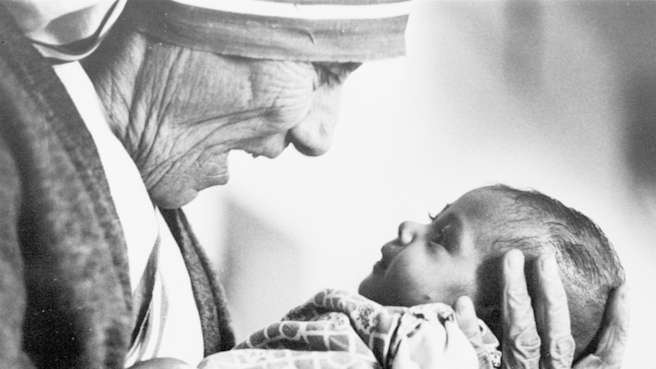 This Sunday there will be a new saint in the Catholic Church, St. Teresa of Calcutta, A.K.A. Mother Teresa. Pope Francis didn’t just choose her as he might a staff member. Instead her canonization followed strict guidelines that have long been used to decide just who deserves the honor. First someone nominates a candidate. A group of clerics examine all of the evidence pointing to saintliness. Once they are satisfied that the individual was indeed holy they send the nomination to the Pope who decides whether or not to beatify the person. Once two proven miracles have been attributed to the candidate the Pope announces that we have a new saint.
 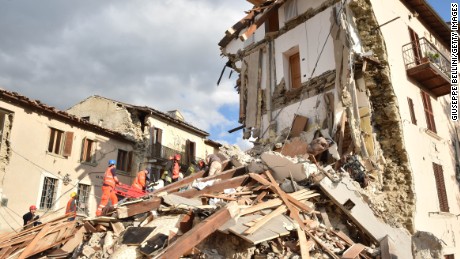 charges on his bedside table each evening. It is tells me that the BBC has an important story. It usually signals bad news.
 All It Takes Is A Little Love