
 We humans are so incredibly complex. Even those of us who grow up in the exact same household with the same parents will be unique, just a bit unlike one another. We see beauty in different ways and are attracted to works of art according to our own preferences. We demonstrate our emotions in a multitude of ways, and when tragedy strikes there is no one manner in which every single one of us will react.
An amazing television production completed its final season a few weeks ago. The Leftovers was an offering of HBO that never quite caught the attention of a wide ranging audience, but it became a cult favorite of enough individuals to keep it alive for a year longer than HBO management intended. I am among those who believed from the very beginning that I was watching a masterpiece of theater unfold before my very eyes and I was rarely disappointed.
The Leftovers takes us to a situation in which people suddenly and quite randomly disappear on an otherwise normal October day. There is no rhyme or reason that explains who was selected or why certain people were left behind. Some families were not affected at all and others were decimated. It was a mysterious tragedy that left most of the world bereft and focused on dealing with the emotions that might accompany such a strange happening.
The story that unfolds introduces us to a cast of characters from Mapleton, New York who are dealing with the trauma each in his or her own way. The power of the program lies in the unveiling of the individual emotions of those people, and the actors portray them with a craft that is worthy of every possible award. They bring a humanity and believability to the stories even when they become far fetched indeed.
I don’t believe that anybody ever intended the audience to see the sequence of events in The Leftovers as anything other than allegories and metaphors for life. The plot unfolds in a kind of dreamlike sequence that strains credibility if one demands rational explanations. Instead it should be viewed much as one considers an abstract painting in which reality takes many forms. The best way to watch The Leftovers is as a tour de force of imagery and acting that is superior to most of the simple minded fodder on television.
In its three seasons the story moves from New York to Texas to Australia. I happened to be camping in McKinney Falls State Park in Austin when some of the Texas sequences were being filmed there. It was fun to see the images of places so familiar to me. My granddaughter was called for a role in the program that summer, but when they learned that she was not yet twelve they had to turn her away because the work would have been too dangerous for a younger child. I suspect that it might also have been a bit traumatic as well because The Leftovers is a show that is never fearful of taking emotional climaxes to the very limit.
This series is not for the faint of heart. It ruthlessly studies our humanity and the ways in which we choose to deal with tragedy or attempt to ignore it. Ultimately it becomes a story about love. It looks at questions of faith and portrays true believers as well as agnostics. It does not attempt to provide the audience with any kind of answers, but instead tempts us to think about such things and wonder how we might react if we were to endure a similar situation. I keeps the mysteries of our existence in the realm of unanswered questions, leaving us to decide for ourselves what everything that we see actually means.
I have discussed this series with a number of people who were discouraged from watching by the ephemeral feel of the story. I suppose that they require a bit more closure and reality than I do. I find myself agreeing with Bob Dylan, the most recent winner of the Nobel Prize for Literature, that if the words and ideas of an artistic endeavor somehow sound good to us, we will imprint our own meanings on them. For me The Leftovers is a journey into a kind of hell much like Dante’s Inferno. It shows the dark places that we take ourselves as we search for meaning in an often cruel and confusing world. It provides us with a small taste of optimism as well in demonstrating that it is in the relationships that we somehow manage to build even when the worst happens that we ultimately find our salvation.
Everything about The Leftovers is so carefully considered for its impact. The music is as important as the script. The images are often like great paintings from the most masterful of artists. The acting is so real and intense that it often leaves those of us in the audience breathless. It is like watching a moving definition of beauty and truth.
I am sometimes reluctant to recommend The Leftovers to anyone because it is the essence of a figurative world where every aspect of the show means something and those meanings can be very different for each person. If you tend toward the literal this program probably won’t work for you, but if you are willing to suspend reality for the sake of pure art then you may be in for a treat.
For those of us who are huge fans of this program it is sad to realize that it is no more, but it is also true that elongating the story for the sake of keeping it going would undoubtedly detract from its ultimate beauty. The Leftovers is a masterpiece that will be studied by writers, actors and directors for years to come. I’m glad that I was part of the audience that understood its genius from the very beginning. I will miss Kevin and Nora and Matt and the others, but I am thankful that they came into my life for three years and provided me with a glimpse of brilliance.
 We protect our children. When they are babies we install monitors in their bedrooms and rush to their aid when we hear crying or unusual noises. We buckle them into crash tested car seats when we travel by automobile. We place padding on the brick fireplace hearth. We install gates near stairs and locks on kitchen cabinets. We know how curious toddlers are, so we prevent them from straying into things that may harm them. We are deliberate in choosing who will watch them in our absence.
 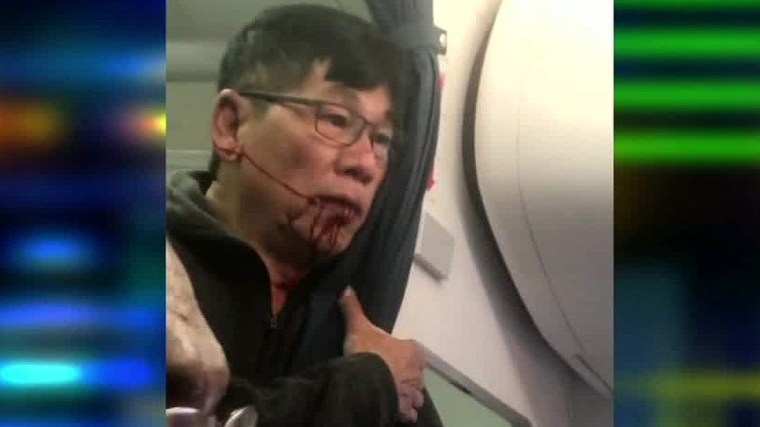 I actually love to fly but admit that there are certain aspects of the adventure that make me nervous. I’m always afraid of being late and more than once I have been in lines that were so long that I was certain that I would miss my flight. I’m not a fan of the TSA screening process either. I got a rather personal pat down in France several years ago that was so demeaning that I could feel the tears of anger gathering in my eyes. I had to breathe rather purposefully to keep from overreacting. On another occasion a great brouhaha occurred when agents discovered a New York skyline snow globe in my granddaughter’s carry on luggage. She didn’t want it to break in flight so she had carefully wrapped it in a jacket and lovingly lugged through the airport. It seems that it was just a bit too large to be allowed on the plane. After a great deal of discussion a very nice agent found a way to protect it from being broken while stowed in the baggage area of the plane. My granddaughter wondered why there was any worry over it and was told that it might contain explosive materials. She later whispered to me that if it was some kind of bomb the plane would blow up whether it was with the passengers or down below. I had to shush her and tell her to just be happy that they didn’t make her leave it behind.
 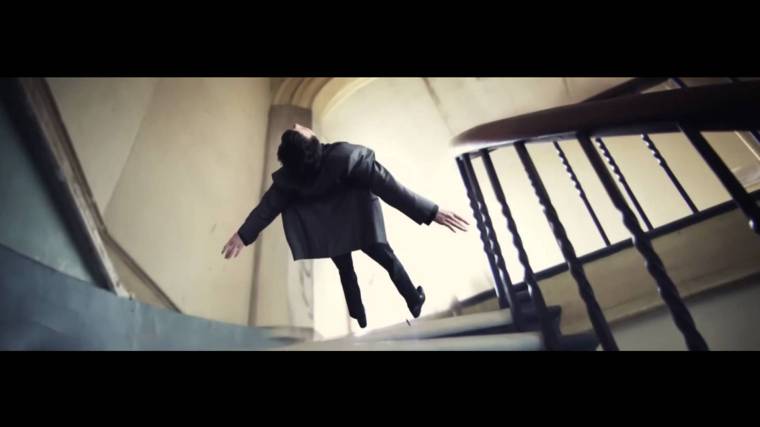 I was twenty years old when my mother had her first mental breakdown. Mine had been a somewhat sheltered life. Aside from my father’s untimely death when I was only eight, I had not seen much of the dark side of existence. I certainly knew nothing about mental illness and the dramatic symptoms that seemed to so suddenly change my mom from a strong, independent woman into someone paralyzed by depression, paranoia and manic episodes. As I witnessed her decline that summer I was overtaken by a state of anxiety that made me feel as though I might surely die. I would visit her during the daylight hours and then return to my apartment in the evenings where I attempted to understand what was happening and to rally help for her among my aunts and uncles whom I was certain would have much better insights into her condition than I had. Mostly though I suffered from my own form of mental stress experiencing panic attacks that threatened to render me useless in the battle to bring my mother back to a healthy state of mind.
 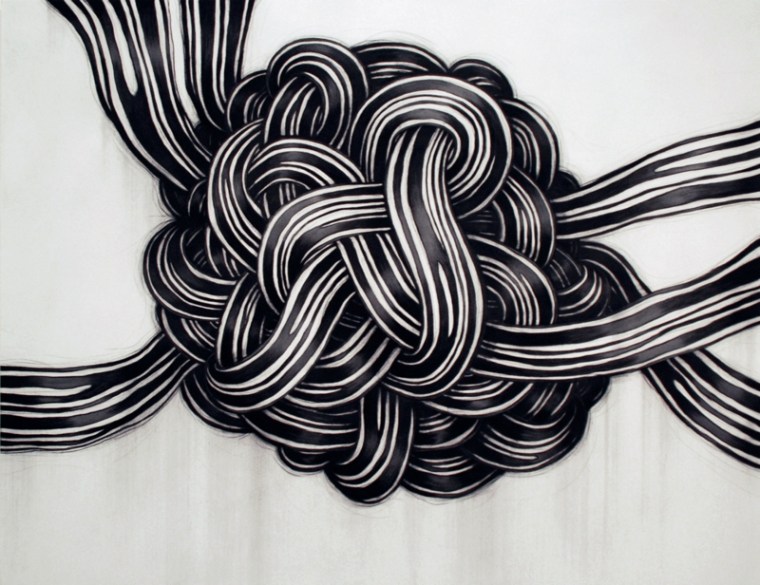 Try to imagine this scenario. Groups of Americans from the United States begin to peacefully demonstrate against the president of our country in locales all across the country. The government sends in the military to quell the disturbances and in a show of force they gun down protesters. This angers even more people who join the rebellion which grows angry and violent. There are enraged armed mobs in your town fighting against the soldiers. You watch as the disturbances grow into all out civil war. The lines between enemies are blurry and take on a religious aspect as well as political. Splinter groups form, some of which are barbaric. You and your family members are caught in the crosshairs. Bombs from the government come into your neighborhood. Bullets from the rebels forces lodge in the walls of your home. Terrorists taking advantage of the unrest kill your friends and relatives in the most brutal manners. What was once a place of peace has become hell on earth. You do not want to leave your home but fear that if you do not, you and those that you love will surely die. A final blast of chemical weapons from the government forces convinces you that it is no longer safe to stay in the place that has always been your refuge. You watch children who live near you dying in the cruelest manner. You can’t take the horror any longer and so you decide to flee.
 All It Takes Is A Little Love