Never Let Go

43BCB02600000578-4839470-Dozens_of_interstate_drivers_formed_a_human_chain_to_save_a_stri-a-3_1504179333233

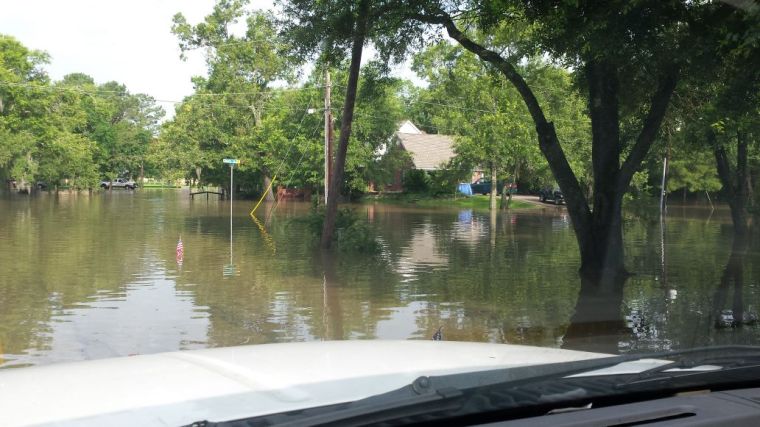
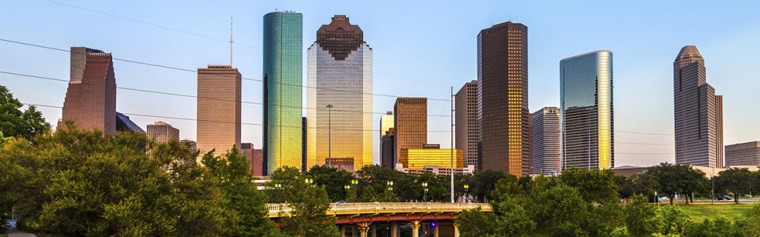
So much has been said about the examples of heroism and unconditional love that were exhibited in Houston, Texas both during and in the aftermath of hurricane Harvey. Suddenly the entire world is beginning to understand what it is that we love about this place that is as flat as a pancake, a perfect breeding ground for mosquitos, and has very little in the way of scenic views other than a downtown skyline that is quite beautiful on an autumn day. For years I have tried to explain our town to those who have never been here, and I suppose that I never truly made my point that this city is all about people. The view of who we are has suddenly changed as Houston has become the symbol of what is right with the human spirit.

Sure we have some basic problems with flood control and such, but what the attraction to Houston comes down to, is to be found in the generosity and determination of its citizens. As I travel from place to place I see so many wondrous sights and I find that the people that I encounter are generally welcoming, but nowhere do I feel as accepted for who I am than right here where I live. I always find myself feeling a sense of relief whenever I reenter the city limits. The outpouring of courage and unity and pure love that we have witnessed in the past few weeks has proven my lifetime contention that there are many great places to visit, but Houston is one of the best places to live.

I’d like to think that if any real good comes from this disaster that has so horrifically impacted so many in Houston, it will be the reminder that when all is said and done we are all brothers and sisters aiming for the same comfort and security in life. In the middle of the night during a storm when floodwaters forced a family onto the roof of their house the background of the savior who drove up in a boat to retrieve them from danger mattered not a wit. The reactions that we have when we don’t have time to think are often the purest and most perfect. The reality is that nobody who endured the terrifying days when fifty one inches of rain filled our streets even thought to consider differences. We were all just human beings lashed together in an horrific situation. Our only goal was to survive and to help others to make it to safety with us.

I suppose that politics raged on as usual during those days, but we weren’t even aware of the day or the time much less who was arguing with whom. My neighborhood received a bit more than forty three inches of rain. My only worry was whether or not the drainage system for my street would continue to operate. I silently prayed that my husband would not have another stroke because I suspected that we would not be able to reach the hospital that is only five minutes away if he did. I constantly checked to be certain that my neighbors, family members and friends were okay. When I heard of people who had flood waters entering their homes I was not able to rest until I knew that they had reached a safe and secure refuge. Mine was a scene that was taking place a million times over throughout the area, and we were all hoping for the best for one another. 

I’m not known as a fan of Donald Trump, but I was happy when he came to survey the damage and worked to speed the funding for the recovery of our city. He seemed sincere in his concern, and somehow my animosity toward him didn’t feel appropriate given the situation in which we found ourselves. I am thankful that he seems to understand our plight and that he is willing to do something about it. I have no criticism of his willingness to help.

I have been moved to tears by the outpouring of love from all parts of the country and the world. Our brothers and sisters in Louisiana were some of the first to render aide. The people of New York City understood our pain. Again and again I have heard of volunteers from Israel, Saudi Arabia and countries that may not have heretofore even thought of Houston, Texas. It has been simply amazing to me how wonderful we humans truly are and my faith in mankind has been bolstered.

I watched the Hand in Hand telethon earlier this week and when I saw the genuine concern of the arts community hoping to help us in some way I found myself shedding tears once again. There was Oprah Winfrey manning a telephone line. Tom Hanks and George Clooney and Leo DiCaprio  were there to help the people of my city. Usher and Blake Shelton sang so beautifully. Matthew McConaughey spoke eloquently of the road forward for the citizens of our city. Dennis Quaid wore his Bellaire High School shirt. George Strait led some of the best country artists in a beautiful rendition of Texas. I don’t think that I will ever again see any of the many people who gathered together for this cause without wanting to hug them in thanksgiving. They became as one with my city and they earned the key to my heart.

Beyonce, a native Houstonian, said it best when she noted that we have seen far too much violence and hatred of late. Houston has shown the world that love still exists. Houston has demonstrated that race and politics and social standing don’t matter as much as a willingness to stand toe to toe with one another in an hour of need. In our darkest and most frightening days it was the best of humanity that rose to the occasion. Let us pray that we will not let go of that ideal now that it has come to the fore. We need to join hands all across the world and never again let go.
  

Houston We Still Have A Problem

houston-tx-city-profile-image

I have a friend who is a widow. When she first lost her husband she was showered with attention, but as time went by she became more and more alone. It was almost as though she had simply been forgotten. She and her husband had enjoyed an active social life until he became critically ill. After his death the invitations and visits that she had always so enjoyed became less and less frequent.

I recall the same thing happening to my mother over time until she mostly relied on family to invite her out of the house now and again. She remarked that it was human nature to provide comfort at the beginning of a loss, but that people slowly become preoccupied with daily routines that sap their time and energy making them less likely to stick around. She was quite understanding and nonjudgemental of those who drifted out of her life. She adapted and made do with the help that was offered, and didn’t dwell on the friendships that withered away because her life had become so different with my father’s death.

As the sun shines, schools open and so many people return to a semblance of normalcy after hurricane Harvey I find myself worrying and possibly even panicking for those most impacted by the devastating storms. Most of them have all of their possessions piled in heaps on the curb along with mounds of sheetrock, flooring and carpet. The stench of mildew and rot fills the air around their neighborhoods. They await word from FEMA or insurance adjusters to tell them how much assistance they will receive in rebuilding their lives. They often wear somebody else’s  clothing and shoes. They rely on others for rides because their cars are gone. Their futures are so uncertain that they are numb. They sit in their yards or rented rooms staring absently into the distance. Everything feels so overwhelming, particularly as the interest of others wanes. They have been the disaster of the week, the big news headline, but now it feels as though so many begin to move on to the next big thing.

Even the people who still remember them and appear to understand their plight are being pulled and tugged by the everyday demands of existence. They have to schedule their voluntary hours and assistance now. There is so much pressure to get back to the usual grind and a pervasive feeling that there aren’t enough hours in the day to accomplish all that must be done, but the piles of rubble are still there. The shells of what were once rooms where memories were made await financing that may or may not come. Stressed out homeowners jockey to book overworked contractors to bring their dreams back to life. Word is that it will take months, maybe even years to make all of the needed repairs. What are the injured parties to do while they are waiting? How much debt will they incur? Is there really any way to help them to feel safe and secure once again? Will they eventually be forgotten, or should they expect to be mostly on their own? These are the questions that haunt them in their sleepless nights. These are the worries that fill their thoughts.

Harvey has already been pushed to the back pages of the news. Irma is the new kid in town, the tragedy of the hour. FEMA is moving some rescue efforts from Texas to Florida. There will be competition for limited resources and funds making frustrations even more intense. All the while we have to continue to support our neighbors in the long journey that lies ahead for them even though we too are tired. Still those of us who were lucky understand that we do not have the luxury of simply resuming life as though nothing has happened. Our neighbors are frightened and weary and just as psychologically scarred as their homes are physically.

Every part of town is feeling the impact of this horrific event. Harvey was an equal opportunity storm whose wrath made victims of the rich and the poor and virtually every race and ethnicity. We have rushed to provide stop gap assistance. We provided cleaning products, tools and the labor to clean out houses. We gave food, clothing and shelter to those who have been displaced. We took school supplies to schools and did our best to care for the personal needs of people of all ages. There have been untold heroes who have worked tirelessly and selflessly for days. Now comes the hardest part of all, the moment when we just want to have happy thoughts and forget about all of the pain. Unfortunately to do so would betray all of those whose fate might have been ours but for the randomness of the destruction.

In the coming weeks we must be certain that all of our neighbors get the repairs that they need to make their residences whole again. More than that though, we must insist that measures are taken to make our streets and neighborhoods safer. This may mean purchasing homes that are in harms way and repurposing them as green spaces. We may have to strengthen and build levees, create more retention ponds, get dams up to date, install pumps around town, build houses on higher freeboard elevations, improve drainage. We have the know how, but we also need the vision and the will.

Long ago Houston leaders had a dream of making what was then a small town into a major port even though it was landlocked. They dug a big ditch from the Gulf of Mexico all the way into the city that became known as the Ship Channel. Today it is one of the busiest commercial centers in the world. With a bit of imagination we built the Harvard of the South on the campus of Rice University and created one of the best medical centers anywhere. We need the same kind of willingness to use technologies and knowledge to rebuild a city capable of withstanding even the unthinkable. We showed the world that we are not a population of ordinary people. We Houstonians are quite special and its time that we translate all of our spirit into a victory over tragedy. Houston we have a problem, but we have found answers to other conundrums before. Now let’s see what we might do to unravel the complexities that caused the worst flood that our country has ever seen, and insure that we will be prepared if such an event were ever to occur again.

More Love Than Water

hurricane-harvey-nursing-home170829103402-nursing-home-patients-social-large-169

Early during Harvey’s rampage across Texas a photo of elderly residents of a nursing home went viral. It showed them sitting in waist deep water waiting to be rescued. It was a vivid image of just how horrific the effects of that storm actually were. A second picture eventually made the rounds showing the same individuals safe and sound in a new location. They were nicely attired and smiling, and it made us all feel better about their fate. The sad thing is that even as we begin the recovery process, the toll that this disaster is taking on our oldest citizens is almost silently brutal. So many of our quite vulnerable elderly population were frightened and confused by a situation that they were too often not able to understand, and in far too many cases the consequences for them have been as devastating as the floods themselves.

I’ll be sixty nine in November and my husband’s birthday will be his seventieth later this month, but I’m not so much talking about people like us as those who are fifteen or so years older than we are. Many of them suffer from Alzheimer’s or dementia and found themselves in foreign situations that made it difficult for them to adapt. One friend’s mother had to be constantly reminded of why she was not in her home, and why she would not be allowed to go back there until the rains ceased. She wanted to know who Harvey was, insisting that she knew no one by that name. It was an exceedingly stressful many days even for those caring for her, because they worried about her delicate condition.

Yet another person with whom I worked for years lost her mother. The woman’s death will not be counted among the victims of the storm, but she most certainly died because of the effects of the deluge. She lived in an assisted living facility because she too had Alzheimers. During the rains the home where she stayed flooded, and the patients were rescued and taken to a shelter. Sadly the sweet lady awoke during the middle of the night and was shaken when she did not know where she was. In her bewildered state of mind she began to wander in the dark, and in the process she fell and broke multiple bones in her fragile body. She was sent to a hospital where it was deemed necessary to operate, but first precautions had to be taken because she was on blood thinners. Unfortunately the poor soul did not make it and her funeral was this past Friday. Her family is heartbroken and, those of us who grieve with them wonder if but for the storm their beloved family member might still be alive.

This past week two of the ninety something year old mothers of high school friends of mine have also passed. I can’t help but think of how much the change in their routines must have affected them. They were such kind and loving women who had at one time been so strong that they would have tackled the beast called Harvey head on. This time they were too old and weak to adjust to the terrible demands that all of the devastation has placed on our city. I keep seeing such incidents being repeated over and over again, and it is beyond heartbreaking.

There are kidney patients who missed their dialysis appointments and then had to wait all day long, sitting on the floor for their turns to receive the life saving treatments that they needed. Surgeries had to be cancelled and chemo-therapies were missed. Some people lost all of their medications and had to go without them for days, risking lethal side effects in the process. It was and remains an incredibly trying time around here that none of us will soon forget.

The sun has been out for days. The temperature is cooler than it generally is in the Houston area. We spend our time attempting to help as many as we can, but sometimes we have to back off just a bit and rest lest we run out of steam before the job is done. In the meantime our elderly are dealing with so many after effects, not the least of which is a desire to be able to do more to help than they are physically able. In my own case I have received phone calls and messages from loving friends cautioning me to take it easy and get some rest. Somehow thus far I have been able to draw upon reserves of energy that I did not know that I had, but I can feel the weariness of the city setting in among even the youngest.

Everything looks and feels so different and we have had to learn how to relax again and return to routines that somehow don’t feel as important as they once did. As our children go back to school we worry about how they will be. How will they do homework and study without the comfort of their homes? What nightmares are they hiding from us? Are they as muddled as the oldest members of our hometown have sometimes been? How can we be assured that they are as well taken care of as they need to be?

I drove through an area of South Houston near the intermediate school where I spent the bulk of my career teaching. I found myself sobbing convulsively as I drove down one street after another in which every single home had been affected. The piles of debris made the scene appear to be a war zone. I know that most of these poor souls have never had much in the way of wealth other than hard working attitudes and pride in knowing that they have places of their own. I truly found myself feeling the pain of their suffering and then I saw a most amazing sight. At a local elementary school the children and their families were playing on inflatables. They were smiling and having a good time if only for a few moments. There were tents where people were serving food and handing out information on how to find help. I felt a bittersweet sense of hope in this glorious vision among the most horrific ruin.

I later worked at a school on Friday where a pantry had been set up for those who needed the most basic of necessities. The number of volunteers and the outpouring of donations were incredible, causing me to think of something that one of the victims of the torrential rains stated as he was rescued from his flooded home, “There is more love in this city than water.” Indeed that is the case, but we cannot be too quick to change the subject and simply move on. This has been a natural disaster that even a talented screen writer might never have imagined. Together with generous individuals from all across the globe we have tackled the initial challenges of our devastation, but there is still so much to do. I find myself praying that we do not just become the cause of the week, for even as things appear to be more and more normal the misery continues. There will be those so severely weakened both physically and psychologically that they will suffer for days and weeks and maybe even months to come. We have to remember them. We have to be ready to help them in every possible way. We have to prove that there really is more love here than there was water.

Five Stories and More

5564ee2faa7a4.image (1)

My nephew estimates that each Houstonian knows at least five people whose homes or businesses flooded during the downpours of Hurricane Harvey. I found that I easily thought of that many and realized that there are doubtless many others from whom I have not yet heard. Just to give you an idea of how widespread the destruction of that storm actually was herewith is a short description of the situations of which I am aware.

Early on my friend Priscilla was fleeing her Pearland home. She is the same age as my two daughters and used to spend hours at my house when she was a little girl. Through the miracle of Facebook we found each other once again and I’ve enjoyed reading about her exploits with her family. She hasn’t been in her current dwelling for too long. She moved there after decades in another location. She has been quite proud of her place and often posts images of her gardens and the improvements she has made. She was the first person that I know to announce that she and her family were going to have to evacuate because water began pouring inside her house. She took refuge in a hotel and waited out the conclusion of the storm in surroundings that she hoped would stay secure. She was able to return home fairly quickly and has managed to clean out the offending sheetrock and flooring and to begin the drying process. I’m hoping that her home will be put back together sooner rather than later because she definitely needs some rest.

A few hours after Priscilla announced that she was taking on water, my very dear friends Jenny and Eric were forced to leave their Katy abode. I’ve known them both through our mutual connections with two different schools. Over the years we’ve become exceedingly close and I think of them as members of my family. I was so sad to hear of their predicament because even the process of navigating through the water to leave the impending danger was precarious, and I worried for their safety like a mother hen. Thanks to good friends they made it to a safe haven where they kept us updated throughout the ordeal. Jenny and Eric are rather adventurous souls who actually met each other while they were independently vacationing in Japan, so it didn’t surprise me that they were willing to wade through water to check on the status of their home as soon as possible. Once the water had receded they were able to begin the mucking out phase of recovery. An army of friends came to their rescue and within a fairly short time the process was completed. A few days ago a contractor had already put up walls and it appears that they are well on the road to reclaiming their house. When they returned to work at Katy Taylor High School this week their fellow faculty members greeted them with cookies, gift certificates and cleaning supplies. Hopefully they now have a better understanding of how much we all love them.

I next learned that my cousin Andy who lives in Spring had also taken on water. We’ve spent so many wonderful times in his house. He and his wife Terri are two of the most loving and generous people I have ever known. Their son and daughter are grown and gone but they are such good kids that they immediately called out a posse of friends to help with the cleanup project. By this past Sunday the first phase of the work was complete and the fans and humidifiers were buzzing away to dry up the moisture. I still felt a great deal of sorrow for them because they have lived in that dwelling for decades, and their loving touch was evident in every inch of decor. They worked so hard to make their home a welcoming refuge for everyone that I am certain that it will become a gathering place again.

On the third day of rain my cousin Paul began asking for prayers because the water from Cypress Creek was encroaching on his Spring home of forty years. Not long after I had read his plea his daughter Jan called me to find out how to safely turn off the power to the house because water was licking at the electrical outlets. She and her family had huddled in the safety of the upstairs, but they were beginning to realize that they needed to leave while they still had a chance and while their cars were relatively unscathed. They hurriedly threw a few changes of clothing into suitcases, gathered their two dogs and made to the highway which they followed first to Madisonville and then Dallas. When they returned home last Saturday their worst fears were realized. Their house was filled with the remains of foul smelling flood water. They were stunned and shocked by what they found. Once again through the kindness of a virtual troop of kind souls their home was also cleared of the debris and the ruined walls and flooring. They now await the drying process and pray that they will soon be living in the comfort and familiarity of their home once again. The generosity that they have always shown to others is being paid back by family and friends in the hopes that their wait will not be too long.

My niece’s sister had almost made it through the torrential rains without incident when the water rather suddenly began flooding into her Pearland home. The irony of her story is that the storm ended only a few hours afterward. She was so close to being safe and dry that it was particularly sad. She hasn’t been married for very long and she and her husband were very proud of their place. Now the entire neighborhood bears signs of destruction as far as the eye can see. Her family and friends came quickly to her aid however, and even though it is difficult to see right now her house is on its way to healing. She even has a nice RV in which she can sleep and relax while the process of putting her home back together begins.

These are only brief stories of five people whom I know whose houses and belongings were swallowed up by the storm, but there are more. A friend in Beaumont had just enough water to require major repairs. A high school buddy from Spring had jokingly commented that we needed rain when the storms first began. Unfortunately there was a bit more than he had anticipated and he too ended up with damage to a home that had been just fine for decades. Another high school friend essentially lost the office for his business in Pearland. He’s already in the rebuilding process but it was quite a disappointment to come home from a glorious vacation to find his place of work in a shambles and the homes of many of his neighbors in a similar condition. Luckily his house was spared so he didn’t have to deal with a double whammy. Yet another friend who worked with my husband for years had destruction in her house in South Houston. She viewed a heartbreaking video of flooded homes in Friendswood that we posted on Facebook and noted that her neighborhood looked just as bad.

I suspect that there are many other people that I know who did not fare well in the wake of Harvey. I just have not yet heard of their plight. Our city is pocked with damage in all directions and all areas. No place completely escaped the tragedy which is why all of us in Houston are still in a kind of grieving process even as the sun shines so beautifully today. We mourn for one another and for our city. Our stories did not end with the death of the storm. They have only begun. We will be busy caring for one another for a very long time and new memories of the storm of 2017 will bury tuck themselves away in our hearts.

Filed Away Into Oblivion

1024x1024.jpg

All across the Gulf Coast of southeast Texas from Corpus Christi to Beaumont/Port Arthur the devastation from hurricane Harvey has left a trail of destruction, tears and questions. Weary citizens have spent days upon days mucking out houses, washing flood soaked laundry, cleaning the everyday items that were once the fixtures of their households. Neighbors have helped neighbors. Family has embraced family. Strangers have opened their hearts and their wallets. The restoration has begun in earnest even as some areas still lie in the clutches of high water with no sign of when their residents may return.

It doesn’t seem to matter which part of Harvey’s path one might choose to explore. Virtually everywhere that the beastly storm chose to go there are entire neighborhoods or unlucky blocks where the evidence of its heartlessness is horrifyingly present in the endless piles of debris that rise several feet from the ground and on the vacant faces of those affected. Seeing the wreckage is mind numbing and heartbreaking. Witnessing the people who are attempting to deal with the unthinkable is unbearable. While there is a determination to rise from the waters, there is also a kind of pall over the landscape and wonder if the things that we took so for granted will ever be quite the same again.

It is estimated that only twenty percent of those whose homes and property was damaged had purchased flood insurance. Many of the affected areas had never before been inundated and there was little reason to compel homeowners to buy the policies. It will be up to the federal government and FEMA to help the families to rebuild, and the cost will no doubt be staggering. More disturbing will be the loss of a sense of security that even those who were spared are now feeling. We fret and worry over what will eventually become of all of us who endured the tornadoes and days of relentless downpours that poured fifty one inches of rain over our rooftops. The memories of one weather warning after another and all night watches over the water creeping toward our doors are still so fresh and terrifying. The sights and smells of the destruction seem to follow us even as we close our eyes and attempt to shower the grime from our bodies. The fear that we all experienced stalks us now that we attempt to go back to work and our usual routines.

As the sun shines once again in our part of the world, a monster hurricane threatens Florida and the east coast. Others have formed in the ocean. Fires burn in Montana, California and Oregon. It seems as if Mother Nature is unleashing her fury, and we begin to ask ourselves questions and consider what we may have done to be accomplices in the creation of such events. Are there proactive steps that we might take to change the course or the magnitude of climatic events in the future? These are the thoughts that fill our brains and none of the answers are easy or certain.

My husband likes to call himself a belt and suspenders kind of guy. In other words he is a very cautious sort. As such we expend large amounts of our income on various kinds of insurance policies and fraud protection systems. When the federal government first began selling flood insurance he signed up immediately even though we had never experienced water seeping inside any of our homes. We have continued to renew the policy year after year in spite the increasing cost and lack of use. Our thought as native Houstonians has been that we never quite know what strange occurrences my happen, and we want to be ready for the unexpected. I suspect that after Harvey the premium for our policy will go through the roof, but we will continue to purchase the safety net just in case, and I would recommend that everyone else do so as well. So many of those affected by the damage would be sleeping so much better with that little piece of added security in their pockets

The bigger questions involve infrastructure and building practices that may or may not have helped to prevent much of the damage. It has come to light for example that engineers from the Harris County Flood Control District outlined a plan to improve the drainage system of the Addicks and Barker dams all the way back in 1996. They presented their concerns and suggestions to the Army Corps of Engineers and nothing happened. The report was filed away. Today the tragedy that the study predicted in very clear terms has come to pass. The belief is that it might have been prevented at a cost of under ten million dollars rather than the billions it will take to rebuild the neighborhoods that sit under water today.

When we are cautious in the way we do things we sometimes never know if our efforts actually have some sort of effect or not. If wisdom had ruled the day and the money had been found and spent to improve the dams’ drainage capabilities there would be no flooding in the affected areas and we would wonder if we had really needed to expend all of the effort. That is the way of proactive measures. Often the occasion to use them never arises, but when it does we pat ourselves on the back for being so prescient.

We might argue forever about topics like climate change, building practices, drainage systems, and insurance, but our question becomes why we would ever want to take unnecessary chances. It is a fact that hurricane Harvey created an unprecedented event with its fifty one inches of rain. It is true that homes that have been high and dry for decades only flooded because the storm dumped an amount of water that no form of planning might have overcome, but I find myself wondering why we would want to just walk away from this experience without considering important changes that might actually help if and, God forbid, when we have to experience such an event again.

Our ancestors were more often than not a bit more inclined toward precautions than we were. The Addicks and Barker dams were built in the 1940s because of major flooding incidents in the city of Houston in 1929 and 1935. My mother and mother-in-law often spoke of those events and how they impacted the people who had endured them. The dams themselves were eventually located on land far from the center of the city and most of the population. Adjacent tracts were purchased to insure that there would be no habitation in the path of water. Sadly, as the city grew and sprawled across the landscape developers purchased plots next to the city owned land and built suburban neighborhoods without thought of what might happen if those dams were ever overrun with water in the kind of scenarios that experts had foreseen.

Back in the old days people avoided building too near the bayous and creeks. They elevated their homes on pillars. They terraced the lawns and built houses considerably higher than the level of the streets. Most of the neighborhoods and homes built by our parents and grandparents weathered the deluge just as they have done for decades. They were constructed in ways mindful of the presence of the network of bayous and creeks and rivers that crisscross the geography. Perhaps it would behoove us to consider such things just as they once did. There really should be an appropriate way of building for specific parts of the country that takes the possibilities of nature’s whimsy into consideration.

Of course there is the lurking question of the part that climate change plays in wreaking havoc across the globe. I suggest that instead of wasting our time arguing over whether or not it is true, we simply begin to change our ways just in case. What would it hurt to become more considerate of the world in which we live? Why can’t we all become more conscious of the ways that we use and waste the earth’s resources? Simple gestures multiplied millions of times will indeed make at least a small impact, and every little bit will help. We can be more like our parents who only allowed the television to run for so many hours a day. They scurried about the house turning off lights and appliances. They created compost heaps and recycled bottles. They were mostly being frugal, but their habits certainly helped to reduce waste and emissions of carbon dioxide.

I would never want to be accused of being one of those people who smugly suggest that somehow all of us who live in Harvey’s path are somehow responsible for what happened. Ours is a tragedy wrought by a storm that would have inundated any city or town regardless of what protective measure had been taken. Still, I believe in reflecting on tragedies and asking ourselves hard questions about what measures we may take in the future to alleviate at least some of the suffering. It is something that we must do. We have to insist that reports that predict disaster will never again be simply filed away into oblivion.