Our Better Instincts

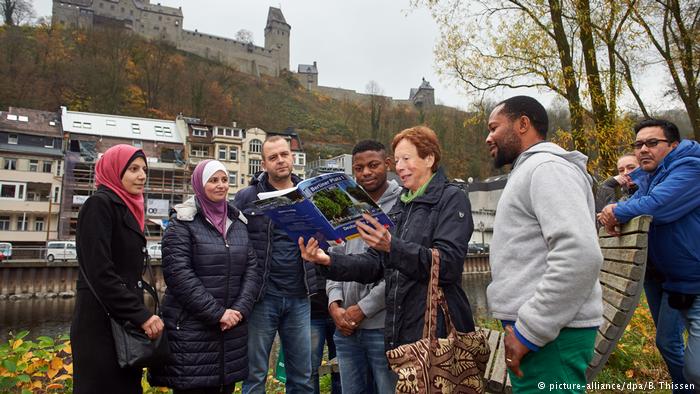
38869597_303They were a sweet family with a good home, and best of all they were happy. But then came war, unsafe conditions. Bombs went off continually so close by that they could hear the falling rubble created from the blasts. They were on the wrong side of the fight. Sooner or later the invaders were bound to get to their street, their house. Sleep began to elude them. Their small children continually cried. They knew that they had to leave no matter how much they wanted to stay. They became refugees, members of a wandering group of people from war torn parts of the world searching for a safe place to live. They are unwanted in many places, thought to be pariahs, criminals, maybe even terrorists. All that they seek is safety, a new start, a place to call home.

It would be easy to simply ignore these desperate souls. After all, what have they to do with us? We have our own problems. We have yet to help all of our own people. They are foreigners with beliefs so different from ours. We barely have the resources that we need for the people who are already here. How can we possibly stretch ourselves any more? Besides, what if they are not really just good people caught in a bad situation? What if their intent is to harm us? Why should we risk our own safety for theirs? What’s in it for us? Will they even be able to work, or just be drains on our social programs? These are the questions that plague us and there are few clear answers. In truth there is a certain level of risk in taking in strangers from lands far away. It takes a leap of faith to consider both the problems and possibilities and still agree to do what seems to be the most humane action. What if we choose wrong? How will we live with that?

Thus is the difficulty that we face. Across the world the population of refugees from violent places continues to grow, and with it so do both our fears and our desires to be compassionate. The stakes are high for everyone concerned, most especially those waiting hopefully for someone somewhere to provide them with the breaks that they need to create better lives. While we debate the merits of inviting some of these people into our cities and towns, they are growing ever more discouraged and wondering if anyone truly cares about their situations.

I spent my life working with people, albeit young people. Human nature tends to be the same whether dealing with adults or children. Individuals have certain basic needs that must be met or they begin to react in unpredictable ways. They must feel safe and that means providing them with an environment that is as free of dangers as possible. It requires that they have food to abate their hunger and at least the bare necessities to protect them. When those things are lacking they are unable to rise to higher levels of development. Each day is a quest just to make it to the next. Survival is the only idea that captures their attention. Being continually subjected to a search for the most essential of our human needs takes its toll. Some will give up and wither away. Others will grow angry and lash out at a world that feels so unfair. Many simply persist until they somehow manage to change their circumstances.

As a society we never truly know how anyone will react to extreme difficulties. There are no doubt cases over which we have no power to inspire the good, but for the most part we do in fact have the opportunity to become positive influences. Some people are psychopaths or sociopaths who will not respond to our kindness. Even our best efforts with them may be ineffective and we may not be able to detect them until it is too late and they have done great harm. Generally speaking, however, the vast majority of humans will react positively to encouragement and compassion. When someone provides our fundamental needs and we are treated with respect, we are filled with gratitude because it is in our natures to want to be accepted members of society. Once we feel safe we are ready to contribute to the rest of mankind.

I watched a Frontline program on PBS which featured a number of refugees seeking asylum in different parts of the world. They had been ordinary souls before their homelands were torn apart. They shared a common desire to be understood and accepted by people willing to provide them with a new start. They had done desperate and even illegal things to protect themselves and their families from the violence in their home countries, each with differing levels of success. One family had quickly found relief in Germany. They were welcomed by the community and began the process of learning the language and adapting to the culture. They are now studying so that they might secure better employment. They want to be far more than just drains on the governmental programs. They work at difficult and menial jobs while they become more educated. They watch as their children forget the old ways and embrace the new. It seems that those who are not just welcomed by the locals, but are also actively supported and educated are happier and doing better than those placed in dreary camps with nothing to do all day long. Having someone believe in their worth has been the key to helping them to become part of the community.

When I teach mathematics the first thing that I do is build confidence. We humans can’t operate if we feel discouraged. Psychological barriers impede progress, so they must be dealt with from the outset. The same is true of refugee populations. What are they to think if people are reacting negatively to them without ever knowing who they are?

President Obama often suggested that much of the hatred in the world begins with rejection by society. In that idea he is correct. We tend to become who the people around us tell us that we are. If we are constantly criticized and given no occasions to define ourselves we sometimes believe the hateful slurs that we hear. We doubt our own abilities and fall prey to the truly evil who tantalize us with offers of being somebody important. All dictators, anarchists and terrorists use the worries of people to recruit their minions. If those of us who are good do not reach the hearts and minds of the needy, someone with nefarious intentions will, exacting a terrible price on all of us.

We have to open our eyes to the suffering of the world. We must work together to ensure that the downtrodden are able to find the peace that they seek. We cannot ignore their plight and then pretend that we are doing so just to protect ourselves and those we love. We will always have individuals who turn against us even when we are kind. Because that sometimes happens does not indicate that we should suspend humane treatment. It would be akin to saying that just because there is a chance that we might die in a car accident, we should never get inside an automobile again. We have to overcome our fears, and deal with the consequences of each individual decision that we make. This has been our human conundrum since the beginning of time. What is certain is that we cannot isolate ourselves from harm, but we do have the power and the responsibility to help as many souls as possible to find good and worthy lives.

While we are arguing over who should come to our shores there are hundreds of people living in want and fear. We can’t assist every one of them, but surely we can do more than we have done most recently. If we were the ones in need we would hope and pray that the better instincts of humans would find a way to help us. Perhaps it is time for us to consider what each of our responsibilities should be in this regard.

Not Yet Down and Out

shutterstock_441927634-1024x683.jpgIt was a sunny day in Houston, Texas on a January afternoon. The streets and highways were filled with people enjoying the break in the cold weather. It somehow seemed impossible that only five or six months ago those same roads were filled with flood water from hurricane Harvey, creating unbelievable images of devastation. Everything appeared to be so normal, and it felt as though the recovery and healing of our scarred city had gone smoothly and far more quickly than anyone might have ever imagined. We had even begun to believe that we might have a good chance of winning the big Amazon prize that would bring thousands of jobs to our area along with millions of dollars to boost our economy. Perhaps it is in our Houston DNA to be upbeat and unwilling to be counted out. We’d done the impossible so many times before that those of us native to this flat featureless plain see our city with different eyes than those of outsiders.

This is a town built on land encircled by bayous that is otherwise landlocked, and yet we have one of the busiest ports in the country, dug from the Gulf of Mexico to a site in the shadow of the place where Texas gained its independence. Somehow our town took a field that had once been home to grazing cattle and transformed it into the center of the worldwide space race. A wealthy academic from the east coast imagined a Harvard of the south and founded the prestigious and renowned Rice University. A doctor imagined a home for cutting edge medicine and convinced benefactors to build a medical center that would one day be a leader in research and talent. We have done the impossible time and again with the help of visionaries who saw beyond the limitations of our geography, and on any give day it feels as though we have miraculously moved beyond the horrors that beset our beloved Houston on those three days in August when the sky rained its fury on all of us.

We all know that things are not always what they seem to be. Those whose homes were filled with brackish water that rushed in through the weep holes inundating their rooms and their peace of mind are mostly still working to get back to normal. The piles of debris that represented the destruction are generally gone misleading observers to believe that all is well. Inside the repair work continues at various stages. The mucking out of water and dirt is done. The walls of water soaked sheetrock have been removed leaving frameworks of studs marking load bearing structures and outlines of rooms. In some cases fresh new sheetrock and paint now brighten the areas. In others the skeletal frames await the resolution of claims that may one day bring the funds for repairs. Carpet and flooring is difficult to find even when there is money to purchase it. Cold concrete has become a way of life for many Houstonians who celebrated Halloween, Thanksgiving, Christmas and the new year with their homes torn apart, and still wait for normalcy to return. They sit on lawn furniture and sleep on air mattresses attempting to stay calm and carry on when in truth they are exhausted and broken hearted.

On that sunny day when all seemed so normal, of course it was not. I drove through a neighborhood that had been heavily impacted by the storms and at least a third of the homes still had huge dumpsters parked in the driveways. Trailers and RVs dotted the landscape and told a tale of homeowners still camping out while their homes recovered very slowly. Daily life has become a marathon for them as they cope with realities and fears that sometimes feel overwhelming. They walk through their days attempting to be as positive as possible even as they worry about the impact this all has had on their psyches and savings.

It has been estimated that eighty percent of those affected by hurricane Harvey did not carry flood insurance. They have had to rely on FEMA for funds to repair their houses and many of them still wait for that money to be forthcoming. Generally the most that they might receive is only slightly more than $30,000, and in the majority of cases it will be far less than that. FEMA does not replace their household goods, so many people are creating massive debts just to begin again. Those who did have flood insurance are all too often waiting even longer for the relief that they need to put their homes back into working order. Supplies are scarce, and the great deals that merchants offered in the early days after the disaster are mostly long gone. Nobody thought that there would still be people in need this long after the catastrophic event.

Our city is wounded and our spirit is being sorely tested. Naysayers warn us that we will never again be the same. Our luster feels somehow diminished as investors and dreamers grow wary of locating here. Amazon passed us over, choosing Austin and Dallas as more worthy possibilities for their center. People from outside our area view our town as an ugly humid place more suited for mosquitoes than humans. They underestimate our determination to overcome the odds that have often appeared to be stacked against us. Houston has always been a city that should never have been, and yet here we are winners of the World Series even as we limp through the worst days of our history. It seems that Amazon missed the essence of who we are as people and may have ignored the very qualities that would have made their venture truly great. They did not understand that the images of courage and community that they witnessed when nature had battered us mercilessly were not aberrations, but rather an unvarnished revelation of who we really are. The secret of Houston is that we are willing to take on any challenge and rise from the muck and the mud to triumph over adversity. This is a hard working city with dirt under its finger nails and visions of a better future in its soul. 

Think of us now and again. We are still here even though we have not yet totally healed. There remains much to do, but you will rarely hear us complain. We don’t want to be pitied or thought to be beyond hope for we still believe that our city has a great future. Don’t pass over us or assume that we are out of the game. This city called Houston is a miracle built on unstoppable dreams. Plan to keep hearing from us. We’re not yet ready to be down and out.

Endless

1933604_774098892733890_4368455666911963627_o.jpgI didn’t know Edi Cruz as well as I might have liked, but what I do know is that he was a KIPPster and I was a Big KIPPster and that makes us family. I recall seeing Edi in the hallways at KIPP Houston High School and what I noted about him was his always pleasant demeanor. His smile was of the legendary sort, and just spotting him made me beam inside. I wish I’d taken more time to get to know Edi better because from what I can gather he was greatly loved for being a truly genuine and caring person. Edi was slated to graduate in a few months from The University of Texas Permian Basin, but his dreams and those of all who knew him were tragically cut short when he was recently killed in a terrible car accident. All too soon a wonderful young person has left us all wondering why such horrific things happen to such good people.
Edi Cruz was known around the school for his unending sense of humor. He approached life with a joke and a feeling that every day was a good time for a laugh. He made people feel good about him and about themselves, and now they are left to consider all of the ”might have beens” for their good friend. Edi was not just about being hilariously funny, but also quite serious about earning a college degree, and he had worked hard for so many years to achieve his goal. It is a testament to his dedication that his plans were so soon to have come to fruition. No one could have known that his life would be so suddenly snuffed out. Even his college roommate is still stunned.

Edi Cruz was a very good friend. He gave fully of himself to others and his loving nature was always reflected in his face. After his death those who knew him spoke of his considerate nature and revealed things that he had done for them so unselfishly. He was someone who would take the time to thank a teacher with a sincerely written note, or stop to help a classmate who was struggling with some issue. He didn’t mind being a bit silly if it reduced tensions, or just made everyone enjoy the moment. He embraced life with an open heart that lead him to a loving relationship with a beautiful young woman who had hopes of her own for their future together. Everyone believed that they were going have had a wonderful time.

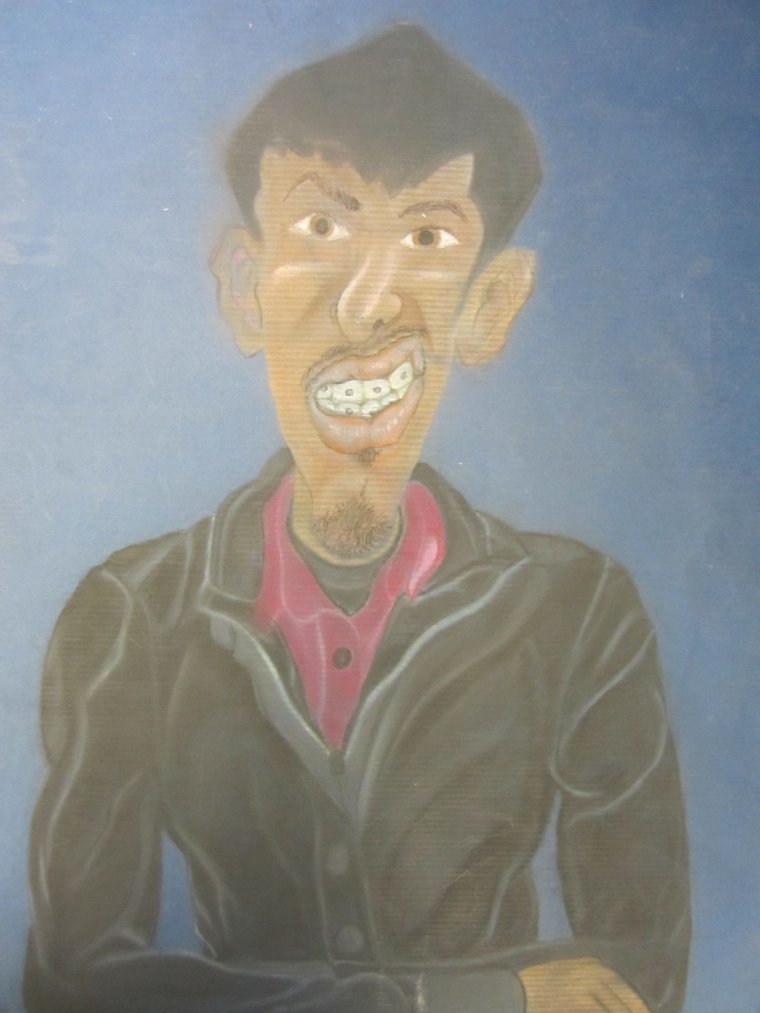
Edi had so many talents and interests. He liked to ride horses and looked as natural in the saddle as walking down the street. He was a people person who once served as a representative at a National Council of La Raza conference. He was a favorite of his high school art teacher who saved a caricature that he had created of himself long after he had left her class. The drawing captured his wonderful essence. It was as though he really knew and understood himself and felt confident in being a person who spread sunshine with his mere presence by his willingness to be humble and self deprecating.

Edi Cruz.jpgThere is a great feeling of sadness in losing someone of his moral stature, particularly at such a young age. In our humanity we can’t quite comprehend why such a terrible thing would happen, even as we console ourselves in knowing that he had lived a glorious life while he was here. Somehow thinking about Edi Cruz reminded me of a poem by an unknown author that I once read.
Do not judge a biography by it’s length,
Nor by the number of pages in it.
Judge it by the richness of it’s contents

Sometimes those unfinished are among the most poignant

Do not judge a song by it’s duration
Nor by the number of it’s notes
Judge it by the way it touches and lifts the soul

Sometimes those unfinished are among the most beautiful

And when something has enriched your life
And when it’s melody lingers on in your heart
Is it unfinished?
Or is it endless?

I am quite certain the Edi Cruz touched hearts so fully that he will live on in the cherished memories that friends and family have of him. For now they will grieve as they remember the good times that they had with him and think of the future that is no more, but one day their hearts will be healed and remebering Edi will make them smile again. 

I cannot think of anything more heartbreaking than the death of someone so young. Thoughts of what we might have shared never quite leave us. That person is permanently fixed in our minds as a never aging soul as we ourselves grow old. I can tell you from experience that everyone who knew and loved Edi Cruz will remember him from time to time even as the years go by. The impact of a person as wonderful as he was is in truth endless.

Bogey Men Under The Bed

bogeyman.jpg.560x0_q80_crop-smart

Not long ago I awoke in the morning to find that we had left the garage door open all night long and forgotten to lock the door into the house as well. I flew into a state of panic considering what might have happened to us had we not been very lucky, and I began to think about my experiences as a child. Back then our windows were wide open all summer long, all night long. We didn’t own an air conditioner, so we relied on the breeze from our attic fan to keep us relatively cool. It never occurred to us to be frightened that someone might enter our home quite easily, but it would have required little effort to pop out the screen and climb right inside. In fact, we had done just that a few times when we didn’t want our mom to know that we had been out and about a bit too late. She no doubt wasn’t fooled by our antics, but we thought ourselves quite adventurous. At no time did we imagine that someone with criminal intent might one day use the same route as ours to invade our home. We always felt quite safe whether we should have or not, and nothing ever happened to change our beliefs.

During the day we kept the doors to our home ajar as well. Friends and neighbors came and went with little more than a quick knock and a shouted “hello” to warn us that they were incoming. It was as though we were just one great big happy family in our community with nary a thought of home invasions or such. Perhaps we were naive, or maybe it really was as secure as we assumed.

The funny thing is that my mother was quite relaxed inside our little haven, but she was quite guarded whenever we were traveling through the city, especially at night. She was distrustful of strangers and instructed us over and over again in the necessity of avoiding any kind of contact with people that we did not know. She freaked out royally when I once accepted a ride from a man that I only minimally new. She raised such a ruckus that I found myself almost running if a stranger even looked my way. I suppose that I was more afraid of her anger than I was of someone that I did not know. Luckily it was quite rare for unknown persons to come our way.

I watched our little world change over time. My brothers and I moved away from home and my mom purchased a new house in a different neighborhood where she never felt quite as relaxed as she had in the home where I had grown up. She put chains and extra bolts on the doors and screwed her windows permanently shut. She installed peepholes and kept her blinds and drapes tightly shut. There was little wonder for her caution for not only was she living alone, but  she had also been burglarized multiple times by then. Fortunately the robbers only came when she was not home, but her fears grew nonetheless, as did my own.

I was living in a very nice apartment project where I had many good friends when i learned that one of them had been raped upon returning from the laundry room one day. A man had followed her back into her place and threatened her with a knife. She silently submitted to his demands because she had a sleeping child in another room, and she feared what might happen if the baby awakened. I recall the horror that all of us felt along with the unadulterated fear. My husband often worked an evening shift during that time and I grew more and more uncomfortable living in that place. I was somewhat relieved when we finally moved, but my sense of complacency was forever gone. Never again would I be lax in protecting myself, even when I lived in a neighborhood where I knew everyone and felt quite secure.

As a society we have become very afraid, sadly often with good reason. Virtually everyone that I know has been the victim of some kind of crime, from the somewhat trivial to horrific incidents. One of my husband’s uncles was bound and gagged in his home while thieves ransacked his belongings. But for the grace of God they chose to keep him alive. The worst of the terrifying situations were the murders of two of my former students in unrelated incidents.

Our streets and our homes have seemingly become unsafe, and so we install cameras and alarm systems in addition to heavy metal doors and locks, even when we have few possessions that would be of much worth to home invaders. The idea of sleeping with the windows open is unimaginable.

I sometimes wonder if those who speak of “making America great again” are thinking less about issues of equality and more about a time when crimes against strangers were unusual rather than as frequent as they now appear to be. Given the ages of the supporters of the MAGA idea I suspect that they remember an era when everyone felt incredibly safe without walls or locks or loaded guns. Maybe they actually believe that given the right circumstances we might once again return to less fright filled lifestyles. My guess is that they long for the serenity that once felt so commonplace.

The saying goes that you can’t go home again. I suppose that we are long past the days of openness to the extent that we enjoyed fifty or sixty years ago. We have to adapt to the new ways, but we needn’t become overly afraid either. The fact is that in spite of rising crime rates and the need to exercise caution, we mostly enjoy our lives without incident. The reason that hearing of terrible events is so shocking is because they are still mostly rare. We don’t have to lock ourselves away as long as we have a bit of common sense, which includes checking doors and such before going to sleep. We don’t need to be so lax as to leave ourselves wide open for trouble like my husband and I accidentally did, but we don’t have to be constantly worrying either because given the odds most of us will blessedly never encounter trouble.

I’d truly enjoy having the same peace of mind that I experienced as a child, but in reality it came mostly because I was too innocent to even imagine that I would be touched by violence. Bad people were out there even back in the day, but I paid little attention to them chiefly because my mom sheltered me from such things. We had a neighbor who was murdered by her husband, and my sweet mother explained that the man had just been very sick and we did not need to worry. Our response was to avoid walking near the house where the crime had occurred, but otherwise having little concern that something similar might one day happen to any of us. Our innocence was in actuality not that far off of the mark, and we would be wise to carry on with our lives without overthinking our possibilities of being harmed.

Humans have worried about boogeymen under the bed for centuries. Sometimes they are real, but mostly we are just as safe as we have ever been as long as we take care not to place ourselves in harms way.

Unrest

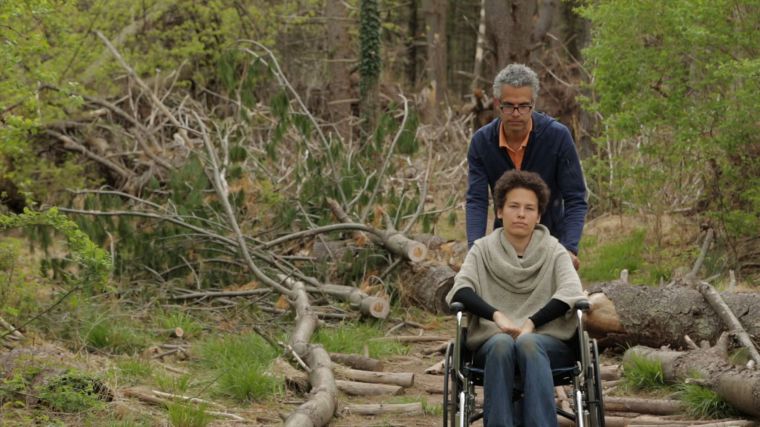
omar-jen-wheelchair-woodsShe is incredibly bright and beautiful, a graduate of Harvard who was about to complete her doctorate at Princeton. She was in love with a brilliant man and the two of them travelled the world together. They made plans to marry, have a family, build their stunning careers together, and then she caught the flu. It was a particularly harsh case with fevers of one hundred four degrees. When she was well once again she felt debilitated, but thought little of the residual effects. She had after all been very ill. She told herself that it would simply take time to regain her energy, but something was very wrong because instead of growing stronger she began to feel more and more weak. There were even times when her mind did not seem to work properly. She was unable to find the proper words to express herself. It was all so frightening.

Eventually her symptoms became so concerning that she sought the expertise of a medical doctor. He insinuated that it was all in her head, diagnosing her with what used to be known as hysteria. He suggested that she was reacting to some deep seated trauma that she most likely was unable to remember. He sent her home with no real explanation for what was happening, and she began to wonder if she was indeed going crazy. That’s when she got an idea.

The next time her symptoms became so severe that she literally collapsed in pain, unable to move or express herself, she asked her husband to film the incident. She took the video to a neurologist who was stunned by what he saw. He eventually told her that she had ME. Myalgic Encephalomyelitis, a strange disease that is thought to afflict ten to fifteen million people worldwide. There is no definitive test for the illness and no cure. The diagnosis is made based on symptoms alone which include excessive fatigue after mental or physical activity, intolerance to exercise, joint and/or muscle pain, memory problems, difficulty walking, sore throats, headaches, flu-like symptoms, sleep disturbance, bowel problems and mood swings.

The disease is also known as chronic fatigue syndrome and affects those who have it along a spectrum from individuals who endure a mild attack and then recover fully, to those who become completely homebound and bed ridden. There is no known cause but the disease appears to follow otherwise fairly typical and minor illnesses like the flu. Some believe that the roots of the problems lie in hormonal or allergy issues, but none of the research has proven any of the theories. It is a greatly misunderstood disease that sometimes results in psychiatric diagnoses rather than physical ones.

The woman whose life was so impacted by ME is Jennifer Brea, and she has a debilitating case of the disease that has radically altered the trajectory of her life. In a fashion keeping with her personality she decided to film her journey along with that of four other victims so that she might shed light on a mostly misunderstood illness. In conjunction with Sundance Films she created the documentary. Unrest, that chronicles her experiences as well those of the four others whose lives have been so radically changed after contracting ME. The film debuted on the PBS program Independent Lens this January and its power to visually explain what happens to those who have ME is emotionally visceral.

Jennifer Brea holds back nothing in her depiction of what ME has done to her and the relationship that she shares with her husband. She honestly expresses the fears and disappointments that plague her as much as the symptoms. She presents a compelling argument for more research by noting that those who are stricken often become like missing persons as they are forced to be hostages to their illness. She tells a compelling story of families broken apart and individuals losing their identities all while the rest of the world remains mostly ignorant of the horrors of this strange condition.

Her own story is one of the love that she and her husband share in spite of the problems that have so changed the way that they once thought they might live. She wants to be able to give him the kind of relationship that she had thought they would have, but instead is continually thwarted by recurrences of the most trying symptoms. Her husband has nobly stood by her, but even his patience is often tried by the confusing nature of his wife’s illness.

Ms. Brea shows a family in Sweden whose child was institutionalized in a psychiatric facility because doctors there were unwilling to accept a diagnosis of ME for her. Brea also introduces us to a woman who had been a happy wife and mother, one who had no idea that she would eventually be confined to bed with her own husband believing that she was just insane rather than physically ill. Her marriage deteriorated and she struggled to survive. When one of her daughters came down with the same disease her world unraveled even more.

The film is so personal, so real that those of us viewing the stories become involved with the characters, particularly Jennifer Brea herself. We watch her gaining strength and find ourselves hoping as much as she and her husband do that she will somehow miraculously improve. We cry with empathy as we become all too familiar with the struggles associated with ME.

Unrest is a touching and important documentary and quite worthy of the accolades that it has received. Hopefully it will also become the impetus for more research into the mysterious illness that it depicts with so much unflinching insight and compassion. At the present time very little is being done to learn how and why this illness affects certain people. There is only a smattering of interest in finding something that will cure those afflicted with its devastating symptoms. It is a grand mystery that shows no signs of being solved while real people suffer from the misunderstandings and lack of knowledge surrounding it. Hopefully Jennifer Brea has opened a door of awareness that will ultimately lead to the studies that will eradicate it or at least lead to more hopeful treatments. Perhaps just by spreading information about ME Unrest will at the very least bring more compassion to those who deal with its tragic effects.