
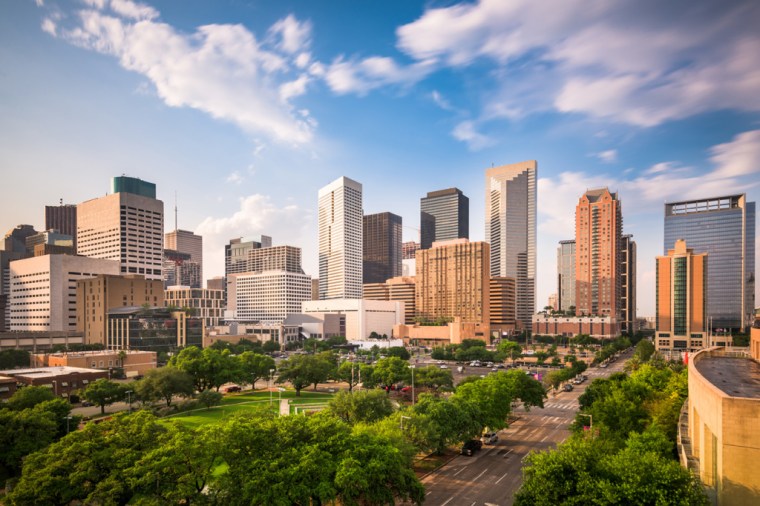
 It was a sunny day in Houston, Texas on a January afternoon. The streets and highways were filled with people enjoying the break in the cold weather. It somehow seemed impossible that only five or six months ago those same roads were filled with flood water from hurricane Harvey, creating unbelievable images of devastation. Everything appeared to be so normal, and it felt as though the recovery and healing of our scarred city had gone smoothly and far more quickly than anyone might have ever imagined. We had even begun to believe that we might have a good chance of winning the big Amazon prize that would bring thousands of jobs to our area along with millions of dollars to boost our economy. Perhaps it is in our Houston DNA to be upbeat and unwilling to be counted out. We’d done the impossible so many times before that those of us native to this flat featureless plain see our city with different eyes than those of outsiders.
This is a town built on land encircled by bayous that is otherwise landlocked, and yet we have one of the busiest ports in the country, dug from the Gulf of Mexico to a site in the shadow of the place where Texas gained its independence. Somehow our town took a field that had once been home to grazing cattle and transformed it into the center of the worldwide space race. A wealthy academic from the east coast imagined a Harvard of the south and founded the prestigious and renowned Rice University. A doctor imagined a home for cutting edge medicine and convinced benefactors to build a medical center that would one day be a leader in research and talent. We have done the impossible time and again with the help of visionaries who saw beyond the limitations of our geography, and on any give day it feels as though we have miraculously moved beyond the horrors that beset our beloved Houston on those three days in August when the sky rained its fury on all of us.
We all know that things are not always what they seem to be. Those whose homes were filled with brackish water that rushed in through the weep holes inundating their rooms and their peace of mind are mostly still working to get back to normal. The piles of debris that represented the destruction are generally gone misleading observers to believe that all is well. Inside the repair work continues at various stages. The mucking out of water and dirt is done. The walls of water soaked sheetrock have been removed leaving frameworks of studs marking load bearing structures and outlines of rooms. In some cases fresh new sheetrock and paint now brighten the areas. In others the skeletal frames await the resolution of claims that may one day bring the funds for repairs. Carpet and flooring is difficult to find even when there is money to purchase it. Cold concrete has become a way of life for many Houstonians who celebrated Halloween, Thanksgiving, Christmas and the new year with their homes torn apart, and still wait for normalcy to return. They sit on lawn furniture and sleep on air mattresses attempting to stay calm and carry on when in truth they are exhausted and broken hearted.
On that sunny day when all seemed so normal, of course it was not. I drove through a neighborhood that had been heavily impacted by the storms and at least a third of the homes still had huge dumpsters parked in the driveways. Trailers and RVs dotted the landscape and told a tale of homeowners still camping out while their homes recovered very slowly. Daily life has become a marathon for them as they cope with realities and fears that sometimes feel overwhelming. They walk through their days attempting to be as positive as possible even as they worry about the impact this all has had on their psyches and savings.
It has been estimated that eighty percent of those affected by hurricane Harvey did not carry flood insurance. They have had to rely on FEMA for funds to repair their houses and many of them still wait for that money to be forthcoming. Generally the most that they might receive is only slightly more than $30,000, and in the majority of cases it will be far less than that. FEMA does not replace their household goods, so many people are creating massive debts just to begin again. Those who did have flood insurance are all too often waiting even longer for the relief that they need to put their homes back into working order. Supplies are scarce, and the great deals that merchants offered in the early days after the disaster are mostly long gone. Nobody thought that there would still be people in need this long after the catastrophic event.
Our city is wounded and our spirit is being sorely tested. Naysayers warn us that we will never again be the same. Our luster feels somehow diminished as investors and dreamers grow wary of locating here. Amazon passed us over, choosing Austin and Dallas as more worthy possibilities for their center. People from outside our area view our town as an ugly humid place more suited for mosquitoes than humans. They underestimate our determination to overcome the odds that have often appeared to be stacked against us. Houston has always been a city that should never have been, and yet here we are winners of the World Series even as we limp through the worst days of our history. It seems that Amazon missed the essence of who we are as people and may have ignored the very qualities that would have made their venture truly great. They did not understand that the images of courage and community that they witnessed when nature had battered us mercilessly were not aberrations, but rather an unvarnished revelation of who we really are. The secret of Houston is that we are willing to take on any challenge and rise from the muck and the mud to triumph over adversity. This is a hard working city with dirt under its finger nails and visions of a better future in its soul.
Think of us now and again. We are still here even though we have not yet totally healed. There remains much to do, but you will rarely hear us complain. We don’t want to be pitied or thought to be beyond hope for we still believe that our city has a great future. Don’t pass over us or assume that we are out of the game. This city called Houston is a miracle built on unstoppable dreams. Plan to keep hearing from us. We’re not yet ready to be down and out.
 I didn’t know Edi Cruz as well as I might have liked, but what I do know is that he was a KIPPster and I was a Big KIPPster and that makes us family. I recall seeing Edi in the hallways at KIPP Houston High School and what I noted about him was his always pleasant demeanor. His smile was of the legendary sort, and just spotting him made me beam inside. I wish I’d taken more time to get to know Edi better because from what I can gather he was greatly loved for being a truly genuine and caring person. Edi was slated to graduate in a few months from The University of Texas Permian Basin, but his dreams and those of all who knew him were tragically cut short when he was recently killed in a terrible car accident. All too soon a wonderful young person has left us all wondering why such horrific things happen to such good people.
 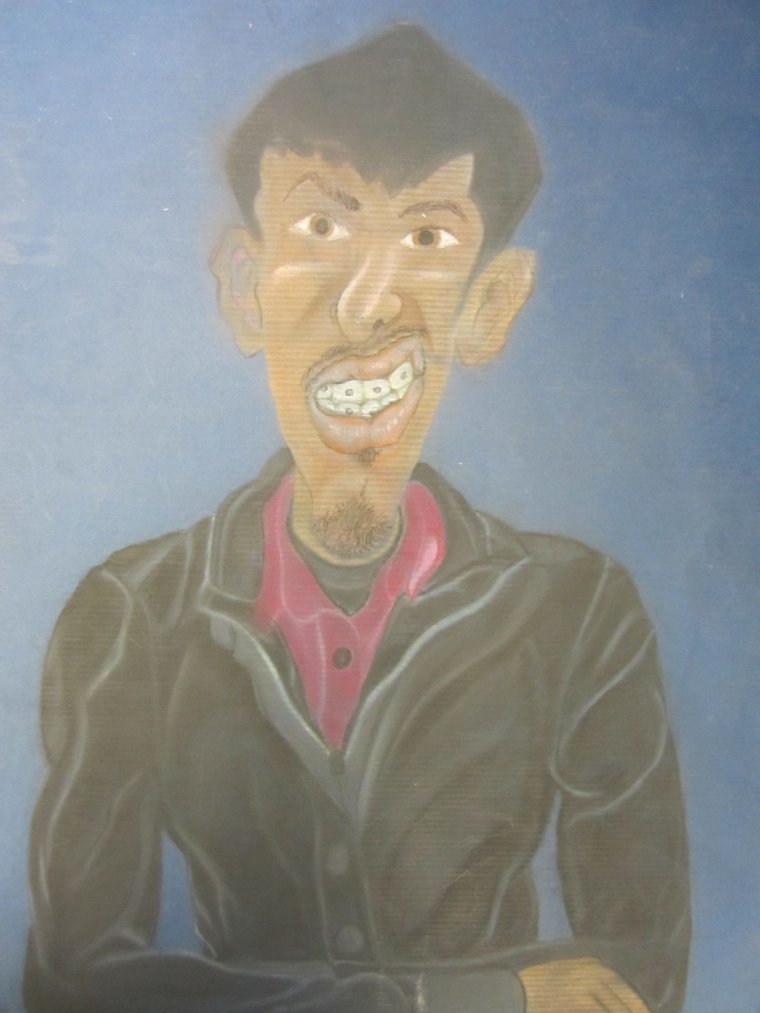 There is a great feeling of sadness in losing someone of his moral stature, particularly at such a young age. In our humanity we can’t quite comprehend why such a terrible thing would happen, even as we console ourselves in knowing that he had lived a glorious life while he was here. Somehow thinking about Edi Cruz reminded me of a poem by an unknown author that I once read.
 Imagine being an American of Japanese decent immediately after the bombing of Pearl Harbor. It had to have been a very frightening time for everyone, but the overreaction to the incident resulted in fear of anyone who was Japanese even if they were born here and had lived in our country for decades. The United States government answered the attack by rounding up these citizens and placing them in detention camps, one of the more unfortunate missteps in our country’s history. Among them was a little girl who lived in Los Angeles. She was in the first grade at the time and her best friend was Mary Frances. Immediately after Pearl Harbor the little girl became a pariah through no fault of her own. Only Mary Frances continued to be her ally and to protect her from the taunts that rained down on her head. Eventually the child and her family were sent to Wyoming where they lived behind a chain link fence fortified with barbed wire. Their conditions were cramped and frightening, and the little one did not understand what was happening, but she would always remember how Mary Frances had stood up for her. She loved Mary Frances and never ever forgot her.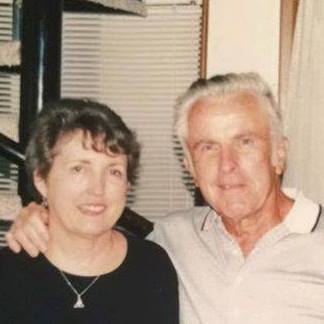
 I love, love, love Oprah Winfrey. I used to record her talk show every single day. It was one of my favorite programs, mostly because of Oprah. She introduced me to so many books that ultimately became treasures. I have subscribed to her magazine since its inauguration and garner many wonderful ideas for my blogs from its pages. I probably watch OWN as much as any other cable channel. Oprah understands me and what I like. I almost feel as though we are girlfriends even though we have never even met. I think so much like her that we might as well be sisters. I was certain that she would choose my school for her annual teacher giveaway the year that we took over four hundred kids from New Orleans under our care when their city was so destroyed by hurricane Katrina. The letter that I wrote to Oprah describing the wonderful sacrifices that our teachers had made was heartfelt, just the sort of thing that usually attracts her attention. I didn’t get angry when I didn’t even get an acknowledgement of my efforts. I understand that she is so busy and has the whole world asking her for attention and favors. I still loved her
 All It Takes Is A Little Love