The Death of Fairytales

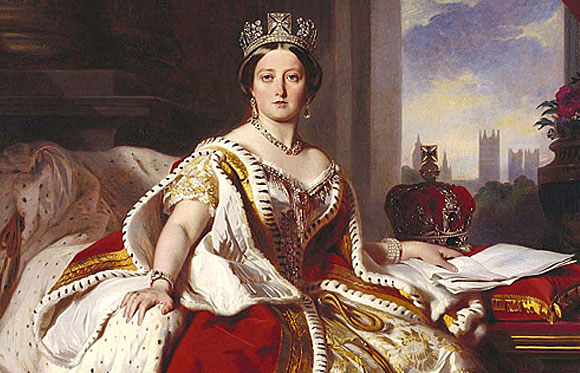
QVcoronationWhen I was a little girl women’s roles were still mostly traditional. Few of the women that I knew worked full time outside of the home. My mother was forced into such a situation when she became a widow, otherwise I doubt that she would have been anything other than a homemaker. I had a couple of aunts who were trailblazers in terms of having careers and some of my neighbors were employed in very interesting jobs. One was a commercial artist who wore exotic clothing and furnished her house with ultra modern furniture. Another was a lawyer who sometimes cried when speaking of her inability to have children but seemed to truly enjoy her work. She often invited me over for tea and to play cards or checkers, all the while encouraging me to do something remarkable with my life just as she had. All in all though not many women were yet ready for the feminist revolution that would eventually off like a rocket when I became a teenager.

As a very young child I dreamed of being a princess or a queen. Fairytales had me convinced that women lucky enough to live in castles and bear titles were the most fortunate maidens on the planet. I recall my disappointment the first time that I realized that I was never going to be discovered at a formal ball by a handsome prince. I was not born of noble blood and therefore would always be deemed unworthy of the notice of a monarch. I would lead the life of an ordinary soul without benefit of riches and fame unless I earned such things myself.

I got over my sadness rather quickly and made my own way in the world. I haven’t been showered with wealth but I have had a great life all in all. I have always found time for my favorite hobby which is reading. Biographies have fascinated me for as long as I can remember and among those that I enjoy learning about are women who became queens. For that reason I have been particularly excited about watching Victoria on PBS and The Crown on Netflix. The stories about Queen Victoria and Queen Elizabeth respectively have been quite fascinating while also convincing me that I am rather lucky not to have to wear their shoes.

Both women spent the majority of their lives locked into responsibilities that were thrust upon them at very young ages. While there were jewels, lovely clothing, expansive gatherings and adventurous trips to keep them entertained, they also had to adhere to rigid traditions and rules that impinged on their freedoms far more than I would ever be willing to endure. They had to be careful of every utterance and action lest they do irreparable harm to the monarchy or the country. They were expected to select their spouses from a very limited field of candidates, most often from a band of royal cousins. They were in the public eye continuously and criticized readily for any perceived missteps. To me the lifestyles that they were forced to accept were akin to living in a cage in a zoo.

Victoria quite unexpectedly ascended to the throne and because she was quite young there were those who felt that their claims to office were far more reasonable than hers, making her first forays into ruling much like walking through a minefield. Nonetheless she did her best to rise to the occasion only to be criticized when she chose to marry her first cousin, Albert, a man of Germanic heritage deemed unworthy of the position. As it happened, Victoria and Albert had quite a love affair and together created a very large family of children whose influence would spread across all of Europe and ultimately lead to a world war. Sadly Victoria was a rather uninvolved but highly critical mother who made life very difficult for her offspring. Albert was the better parent but he died fairly young leaving Victoria in a state of depression that lead to a total breakdown. She would wear her dark widow’s weeds for the rest of her days and for the most part lose interest in both her country and her children. She ultimately became known for her melancholy and nagging nature, hardly the possessor of happiness that I had imagined a queen to be.

Years later on of her descendants, Elizabeth, would be entrusted with the same role that might not have been hers had her uncle Edward not abdicated the throne to marry a twice divorced American woman whom he passionately loved. Elizabeth was barely in her twenties when her father, the king, died from lung cancer. Like Victoria she had also wed a cousin, Phillip, whose lineage was traceable back to the same Victoria from whence she garnered her birthright. She had to learn how to put the crown before all else in her life and as we have all witnessed over the years that role has placed her in difficult situations again and again. Even though she is the monarch she has no say in the politics of her nation and she must be incredibly discreet in both her commentaries and actions.

As the head of the Anglican Church Elizabeth was forced to rule against her sister who wanted to marry a divorced man. The resulting feelings of betrayal and unhappiness that her sibling experienced would blight the two women’s relationship for years to come. A similar scandal played out decades later when Elizabeth’s own children found themselves in unhappy marriages that publicly broke apart. I have often wondered if the idealistic Princess Diana had imagined that her life would be as magical as a fairytale only to find that the reality of royalty is routine, dreary and devoid of the most basic freedoms that the rest of us enjoy. The moment when she felt trapped in a nightmare must have been devastating and her dutifully trained mother-in-law would not have been able to empathize to ease some of her concerns.

The more I learn about being a royal personage, the less I am inclined to want to have anything even remotely resembling such a way of life. I am the one who is fortunate in being able to go wherever I wish without worry that someone is stalking me or judging my every move. The only restrictions on whom I would marry were the qualifications that I had deemed important to a good relationship. I have been able to choose my career pathway and determine how many children to bear. The fact that I had no male heirs matters not at all. I can openly utter my political views and chart my daily course. If I want to disappear for a day or a week, I am free to do so. My anonymity is a grand gift that allows me to be myself.

If I were to rewrite fairytales for modern girls, I would create heroines who spurn the trappings of a princess in lieu of liberty. Snow White would divide the household duties among each of the dwarfs and go to work with them as the forewoman of the mine. Cinderella would create a professional chimney cleaning service with offices worldwide and a reputation for paying her employees well above the minimum wage. Beauty would write a best selling book and marry the Beast as an equal partner. None of these brilliant women would have the goal of becoming a monarch or a regent. They would understand the pitfalls of being trapped in such occupations and create lives of their own.

I put my girlish beliefs away long ago. I no longer envy the lifestyles of royal personages who must become figureheads for a nation. I believe that I have found far greater satisfaction and meaning in the humble life that I have lived. I suspect that there have been times when those who must endure the titles of monarchies may agree with me.

Fish Sticks

vp-sticks-beauty-shotI’ve seen a great deal of change during my life that I tend not to even think about most of the time. I am a Catholic and until I was a teenager there was an ironclad rule that none of us were to eat meat on Fridays. The idea behind that ruling was that Jesus died on that day of the week and in remembrance of his suffering we were to abstain from meat as a kind of penance and sacrifice. In 1966, the year that I graduated from high school, Vatican Council II amended that dictate to require only that Catholics avoid eating meat on Ash Wednesday, Good Friday and all Fridays during Lent. A council of bishops later clarified the church’s stance on the consumption of meat on Fridays by suggesting that all Catholics over the age of fourteen perform some type of penance on every Friday of the year with avoidance of meat being one of the suggested forms of meeting that goal. For all intents and purposes the vast majority of Catholics today are no longer concerned about whether or not to eat meat on Fridays. The times of worry about sinning by eating a hamburger are long gone for most who follow the Catholic faith.

I remember the old days when my mother did her best to create menus that did not contain any form of animal flesh. We’d often have tuna fish salad or pimento cheese sandwiches and sometimes she would prepare my favorite grilled cheese. Old standbys were tomato or cream of mushroom soup with slices of bread. We never had access to nice varieties of fish after my father died so the chief version of seafood that hit our family table was in the form of fish sticks, a staple that American Catholics kept afloat for years. Sometimes Mama would use butter rather than bacon to prepare scrambled eggs or she would boil the fruit from chickens and make egg salad. Shrimp was too rich for our budget and we rarely went out to eat but when we did it was usually to a cafeteria and on Fridays our entree was always fried fish.

Some of my aunts and mothers of my friends attempted to become a bit more creative by putting together tuna casseroles and topping cheese pizza with tuna as well. I tended to prefer my mom’s less ambitious Friday efforts that made no bones about eating simply at the end of the work week. Somehow she made those tuna sandwiches and stacks of pancakes seem more exotic and delicious than the pot roasts that she sometimes prepared on Sundays.

When meatless Fridays became a thing of the past for most of us we often joked about the people who had cheated by enjoying a thick steak when they were supposed to be dining on chicken from the sea, and wondered if they were going to stay in hell for their transgressions or if there had suddenly been a release of centuries of Friday meat eaters into heaven. We also watched our liturgies and ways of doing things change rather dramatically in one fell swoop as our mass was finally recited in English rather than Latin, and the priest faced us rather than showing us his back. It was all so democratic and inviting. Suddenly we began to imagine a Jesus who walked among people rather than elevating Himself as someone more special than the rest of mankind.

One of the traditions that had always irked me was that women were required to wear a head covering inside the church. For that reason our school uniforms included little brown beanies for use whenever we attended mass or other religious ceremonies. As we grew older we were allowed to exchange the ugly headgear for chapel veils that perched lightly on our bouffant hairdos without destroying the effect of the coiffures we had created. I vividly recall the silliness of women placing sheets of Kleenex on their heads whenever they arrived at church without the requisite hats or veils. It was commonplace to see the thin white paper hurriedly pinned tightly to strands of hair in an attempt to show respect for the occasion. I had to stifle my laughter at the ridiculousness of the whole idea. Somehow I didn’t think that God cared a wit whether or not a woman was showing her beautiful hair and eventually the church leaders agreed with me and dropped the archaic requirement.

Of course the changing of the rules was not always met with complete agreement. There were those who were horrified that the old traditions were going the way of the buggy whip. They bemoaned the use of English in the mass and declared it to be almost profane. They continued to wear their hats and kept up the practice of avoiding meat on Fridays. They could hardly bear to look at the face of the priest smiling down at them during the mass, preferring to view his backside instead. It took a bit of convincing to get the naysayers to calm down but at the same time there were also those like me who began to question more of the ideas that seemed to have little or nothing to do with the message of love that Jesus so eloquently preached. We insisted that our church become ever more inclusive and less rigid in its dictates. That lead to a great deal of rebellion particularly in the United States where even the most faithful Catholics now sometimes debate the need for many controversial practices.

Still there are those who tend to be nostalgic regarding the old ways. The conservative versus liberal dichotomy is alive and well in the religious world. I remember listening to a man of my age who regaled us with memories of how much he enjoyed the old fish stick days, and how he wished with all of his heart that they would return. He thought the women looked nice with their long sleeved dresses and pretty bonnets on their heads. He longed to return to a past that seems rather quaint and perhaps even a bit unfair today, but I can’t concur. I think of the fact that none of those old fangled rules were created by Jesus but by men who simply came up with ideas that over time that may have once made sense but not so much today.

Now we are allowed to go to church wearing slacks and some even go so far as to show up in shorts, which may be pushing the envelope a bit too far. Few women wear hats and luckily they no longer have to worry that some over zealous cleric will pass over them at communion for the sin of wearing a dress without sleeves. Eating a burger on Friday is no longer a condemnation to hell, if it ever actually was. The edicts concentrate more on ways of living than dress and what is consumed for dinner. Still there are many questions that for now remain unanswered for those of us who see remnants of laws that seem to be out of touch with the compassion that Jesus always demonstrated so freely. Perhaps the time will come when they too are deemed to be unfair and even unnecessary.

I am a woman of great faith but I have trouble with most organized religions that cite edicts that are manmade interpretations of the word of God. I believe that religion is at its best when it is kept as simple as possible. Over and over again Jesus defied many canons that he found to be without merit. He healed the sick on the Sabbath. He befriended individuals who were deemed to be undeserving outcasts. He walked among the lepers, the poor and the suffering. His message seems very clear to me and it is not one of exclusion of anyone. Instead it is one of unconditional love. I believe that as long as we follow His example as best we can, we are on the right track. Sometimes we sadly get so caught up in attempting to judge that we actually lose our way. Instead of worrying about how we look or what we eat we are on the right track when we welcome all.

East Meets West

captionI recall learning how to write a proper letter in elementary school. At the end of our practice the teacher surprised us by announcing that she had a list of children from Japan who wanted to communicate with an American pen pal. I immediately agreed to send a well written epistle if chosen for the honor of meeting a new friend in a faraway land. Happily I was one of the lucky ones who received the name and address of a Japanese girl who was waiting to hear from me.

My mother took me to a stationary store where I found some lovely lightweight paper with matching envelopes that would work well for sending an airmail post. It was a pale sea foam green and had tiny pink rosebuds imprinted in the background. It was the most beautiful parchment that I had ever seen. I was quite proud to have such a lovely means of getting to know my Japanese counterpart.

Following the instructions that my teacher had taught me and using my very best penmanship I introduced myself hoping that I would sound interesting enough to elicit a response. Once the letter was complete I carefully and nervously folded the sheets and enclosed them along with a school photo of myself inside the envelope. Mama drove me to the post office to be certain that there was enough postage on my letter to get it to Kyoto, Japan as quickly as possible. Then I waited and waited, checking my mailbox as soon I as got home from school each day.

It seemed like an eternity before I received a response. Some of my friends who had also written their pen pals had already brought letters from their correspondents to school to show the rest of us. I was beginning to wonder if I had sounded too boring to be worthy of a reply when a huge manila envelope came with my name printed neatly on it. Inside was a lovely book filled with exquisite photos of Kyoto. There were also multiple photographs of my pen pal who was a true dark haired beauty wearing a school uniform in one and traditional Japanese dress in another. She enthusiastically wrote about her excitement in receiving a letter from me and then told me all about herself. I was beside myself with wonder at the very idea of communicating with someone who lived so far away and in such a lovely place.

Over time we often wrote back and forth and made the kind of pledges that children often do that we would be best friends forever and that one day we would meet each other in person when we visited each other’s homes. I liked to imagine her walking through cherry blossoms and drinking exotic teas while she seemed intent on insisting that I must surely know lots of Texans who rode horses and did tricks with ropes. We both fantasized quite a bit and I suspect that we each became a bit disenchanted when we realized that life was actually rather mundane for both of us, filled with studies and the challenges growing up.

Eventually we hit our teenage years and became busier and busier and the letters came and went less and less frequently. Finally we were lucky to manage to write each other one time a year and then our longtime correspondence came to an end. I told myself that I would resurrect our friendship soon enough but I never seemed to find the time. What had been so much fun simply fizzled out but not without leaving a dramatic imprint on me. I had developed an enduring fascination with Japan that even decades later has not abated. I love to read about Japan, watch movies about Japan and I have even been known to have crushes on Japanese actors. In the back of my mind there has always been a dream of one day traveling there, especially to Kyoto.

I still have the book that my long ago friend sent to me. Sadly I did not keep the letters and time has erased my memory of her name. I have no address that might lead me to her again but I often think of her and wonder how her life has been. I’m curious to know if she married and had children. I try to imagine what type of job she may have held. She was quite artistic so I suspect that she did something creative. I hope that she has been happy and healthy and been able to accomplish her dreams. I’d like to think that she remembers our brief friendship and enjoyed it as much as I did. I feel guilty that I did not try hard enough to keep in touch and worry that something may have happened to her that prevented her from writing. I wish that I had inquired about her even if only in a brief message letting her know that I cared.

I never got to Japan. There were always other places to go and things to do. I was busy raising a family, taking care of my mother, working, sending my children to college. The years went by so quickly that I hardly noticed. I eventually rode horses now and again which I think she may have liked to know. I hiked to the top of mountains where it seemed as though I could see forever and I imagined her enjoying life somewhere off in the distance.

I did not forget her. How could I? Those letters from her gave me so much pleasure. They made me feel as if I had been part of a grand adventure. She and I shared our stories and our secrets and found that the east and the west were more alike than they were different. We were two girls who dreamed of conquering our respective worlds and I would like to believe that both of us did.

Searching for Love and Truth

normamccorvey6The world is filled with interesting stories, some more than others. So it is with Norma McCorvey, AKA Jane Roe. Norma grew up in the same era in which I lived. In fact she was very close in age to me. She was born in Louisiana to parents who seemed ill prepared to raise children. Her father was an abusive alcoholic and her parents’ union ended in divorce not long after Norma was born. Some women have a very unfortunate habit of falling in love with bad boys and so it was with Norma’s mom who forged a second relationship with a man who sexually abused Norma on a regular basis. By the time that Norma had reached her adolescence she was continually at odds with the law and ended up in juvenile detention centers and foster homes. Hers had been a confusing childhood without guidance, loving protection or opportunities. Little wonder that she was married and pregnant by the time that she was only sixteen.

Norma, like her mother before her, made many bad choices and was left by her husband to raise the child on her own. Realizing that she did not have any of the resources needed to care for herself much less a youngster, Norma gave the little girl to her mom. After that her life became a continuing series of unfortunate events. She became pregnant again and decided to give the little one up for adoption. She repeated her mom’s mistakes, seeming to be unlucky in love and life in general. When she became pregnant a third time she wanted to have an abortion but it was still illegal to do so in the state of Texas where she resided. A couple of lawyers who were looking for a test case to challenge the law took Norma under their wings and fought all the way to the Supreme Court for her rights and those of others to abort fetuses that were unwanted, claiming that particularly because Norma had been raped she should not have to have the baby.

The court case took well over three years to complete so Norma was forced to bear the little girl that she carried all the way to birth. She gave that child up for adoption just as she had with the earlier baby but ultimately won her case in the famous Roe vs. Wade decision that forever changed the way many women would view unwanted pregnancies. Norma never again became pregnant nor did she ever require or receive an abortion but she nonetheless became a celebrity in the pro choice ranks and even worked for many years in an abortion clinic. She seemed to find finally find her footing when she settled down with another woman in Dallas continuing to fight for women’s rights on a regular basis.

Along the way Norma met members of a Dallas pro-life group. They discussed with her their own beliefs that a fetus is a human being with its own rights as a person. Initially she scoffed at their arguments and in the feisty way that was her trademark made fun of their religious thinking. Somehow in an unlikely alliance they began to respect one another and Norma was taken by the way in which her opponents seemed to love her in spite of their differing opinions. Nobody had ever treated her with so much respect. She began to listen to what they had to say and to consider the possibility that perhaps their thoughts were valid.

She found herself feeling bothered by what she saw happening in the abortion clinic where she worked. Finally she renounced her pro choice position claiming that she had been used by the two lawyers who represented her in the landmark case. She even insisted that she had lied about being raped in order to make her situation appear to be more worthy of sympathy. She was baptized and in a stunning reversal became a spokesperson for the pro-life movement. Eventually she even left her long term partner and became a Catholic.

Norma was living in Katy, Texas not far from where I live when she died a couple of weeks ago. She never again saw the two children that she had given up for adoption but she is said to have thought about them often. The daughter that her mother had raised was by her side as she breathed her final breaths.

I was particularly taken by the sadness of Norma’s life. I encountered so many young girls like her when I was a teacher, sad souls who were forced into adult roles long before they were ready because their parents were unable or unwilling to care properly for them. I have taught twelve year olds who were raped by family members and became pregnant. They were angry, confused and fearful over what had happened to them. Their children became more like younger brothers or sisters than someone for whose life they were responsible. They were totally unprepared for the difficulties that lay ahead of them.

I have seen the loving results of children who have been saved from such situations through the process of adoption. When paired with genuinely caring adults they generally thrive and lead incredibly wonderful lives. There is something quite special about the realization that they have been chosen that helps them to grow to be strong and confident. I’d like to think that Norma’s adopted children found happy homes and that they were able to break the cycle of poverty and abuse that had been the definition of Norma’s lifestyle.

The question of abortion is a complex one that will not soon go away. There is much disagreement about when an unborn child becomes a person. We are inching further and further into the developmental cycle of the fetus in determining where the line is drawn in determining what state defines viability.  There are now places where abortion is permitted all the way up to twenty four weeks. Many consider it a form of birth control and each year millions of women end their pregnancies not because they have been raped or have health issues but because they do not want to have a child.

On the other side of the argument are those who believe that conception is the defining moment of personhood and that abortion is murder of a human being. They find the practice to be barbaric and morally wrong and fight continuously to outlaw the abortion once and for all. Many consider such individuals to be little more than religious zealots but they see themselves as soldiers in a battle against an evil that must be stopped.

Ironically Norma McCorvey was the face of both sides during her lifetime. She believed that she had seen the light in her later years when she became a pro-life advocate. She felt that she had been used and abused for most of her life and that it was within a community of faith-filled individuals that she finally found the love and respect for which she had been searching since she was a child. She died convinced that her part in Roe vs. Wade was flawed and terribly wrong.

It appears that Norma somehow found a modicum of peace and even built a loving relationship with the one daughter with whom she still had contact. She found friendships that she enjoyed and her life became bearable. I would like to think that she is now enjoying the peace that had been so elusive for her for so much of her existence. Hers was a search for love and truth that is now at an end. May she forever rest in peace and may those of us still here find the answers to the questions that she posed and the strength and wisdom to work for what is right just as Norma tried to do.

A World At War

usa-la_-nola_-wwiimuseumIt’s difficult for most of us to even imagine what the world was like in 1941. The United States was not thought to be a powerful force. In fact it was ranked eighteenth in the terms of military might. The country was only beginning to recover from the effects of the Great Depression. Most of the country was rural and there were still a majority of homes without electricity or indoor plumbing. The mood was isolationist as the populace here watched events unfolding in Europe with horror but an intense belief that our nation needed to stay out of the fray. My mother was fifteen and my father eighteen as December began that year. They were yet to meet one another and naively unaware that life for every American citizen was about to change dramatically.

My mother often spoke of December 9, 1941 when the Japanese bombed the American fleet in Pearl Harbor. It was a fearful and shocking moment. She along with her countrymen listened to President Roosevelt as he reassured the nation. She remembered how quickly people answered his call for all Americans to participate in the coming war effort. She saw her brothers enlisting in various branches of the Armed Forces one by one, and saw high school friends leaving the classroom as soon as they were old enough to lend their help to the cause.

World War II was like no other engagement in history. Its influence stretched across the globe, affecting people on virtually every continent. Here at home citizens of every age contributed in one way or another. Women who had traditionally kept the home fires burning took over manufacturing jobs. Industries were cranking out planes and ships and munitions at a fevered pace. Everyone rationed their use of critical materials, including paper. My mother-in-law often showed me the yearbook from her senior year of high school. It was thinner than a monthly magazine, made only of the cheapest quality pulp. It mirrored the reality of the time with row after row of photos of mostly young girls. The boys had dropped out of school and to join the fight.

When our troops first went to faraway places like northern Africa and the Pacific they were ill prepared to battle the well trained and experienced Germans and Japanese. They often found themselves overwhelmed and in retreat in the earliest forays. They learned on the job and became just a bit better as they slowly understood the demands of the new ways of fighting. I have often wondered how those of us living in today’s world might react to news of battlefield losses and situations requiring our troops to run for safety. Would we have the heart to continue the fighting or would we give up quickly? Luckily the generation who fought World War II was made of stern stuff. They were determined to do whatever it took to free Europe from the grip of Nazi Germany and the Pacific from the Japanese.

There was much at stake and the American people understood that they could not be deterred from seeking total victory. In that regard both Japan and Germany had greatly underestimated the will of our country. There are those who wonder if the world might indeed look very different today had the United States not allied with Great Britain and Russia in that great fight against fascism and tyranny.

The World War II Museum in New Orleans, Louisiana is a repository of the remarkable history of that era. It is filled with the stories of both the leaders and the common people who worked together to defeat the enemies and free the world from their dominance. With hundreds of photographs, artifacts, videos and research texts it leads visitors from the beginnings of the conflict to its horrifying end with the explosions of atomic bombs over Hiroshima and Nagasaki. It is a touching and personal journey that is honestly and beautifully told.

The city of New Orleans was chosen as the site of the museum because it was the birthplace of the the inventor of the Higgins boat which was used to bring troops ashore at Normandy on D Day. Mr. Higgins was already making shallow draft boats for fishing in the bayous and swamps when the military expressed a need for a military version of such craft. He was ready to design a larger boat capable of transporting troops. The Higgins boats that were manufactured in New Orleans have often been credited with helping to win the war in Europe.

It’s been seventy five years since our nation entered World War II. By the end of the conflict the United States was viewed as a major political power. With an infrastructure unharmed by the devastation of the war we were poised to enjoy an economy exploding with innovation and production. The soldiers returned to an exciting time that included creating a new generation of children that would become known as the Boomers. The United States was slowly but surely transformed by the building of a system of interstate highways that made travel from one ocean to the other quicker and more open to all people. The same spirit that drove the success in the war continued its inventiveness all the way to the moon and back.

Those of us who were the children of the men and women who endured the uncertainties of war would inherit the fears of the atomic age. We would wear dog tags for a time to identify us in case of a nuclear attack from the Soviet Union. We practiced air raid drills each Friday afternoon, crouching under our desks in wonder and confusion. Our generation would be drafted into a new and different war in Vietnam that somehow never made as much sense as the one our parents had fought. We would march for the civil rights of our Black neighbors and those of us who are females would blaze new trails in education and work.

World War II was never just a long ago historic event to us. We saw those photos of our dads and uncles in their uniforms. We heard the stories of life under siege. We watched the old black and white movies that celebrated the accomplishments of our generals and troops. We saw the sadness in the eyes of those who lost loved ones in places so far away that nobody had even known that they existed before the battles. We were the link between the past and the present, the generation that watched the world change at such a rapid pace that it was sometimes difficult to keep up. We truly appreciated what the brave men and women of the world endured to secure a time of promise and opportunity for us.

Few people in 1941 might have imagined a nation so filled with the bounty that we now have. Ordinary citizens enjoy lifestyles that once belonged only to the wealthy. We live in modern homes and watch our big screen televisions that bring the world into our living rooms. We travel the world and study at universities at a rate that our parents never saw. We have much for which to be thankful and most of it resulted from the brave and unselfish acts of a generation that chose to defeat the forces of pure evil. Their story is on full view seven days a week at the World War II Museum in New Orleans. Every one of us should take the time to absorb the importance of the stories that are told there and to thank the veterans of that war and those who serve today to protect us.