What Have We Got To Lose?

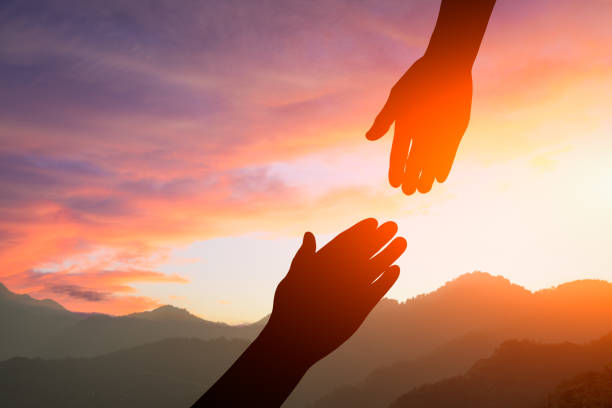
helping hand with the sky sunset background

We all know that life is uncertain. Just when we are flying high something terrible happens that permanently changes us. Sometimes just when we have reached a low point in our feelings something wonderful happens. The scales might tip either way. We just never know what to expect from one moment to the next, so we would do well the live our lives as fully as possible. 

I can attest to the fact that my father’s sudden death totally changed the way I view the world. I find myself always being a bit wary, planning for the unexpected, enjoying the best moments for the times when they may fall apart. I have friends who have lost children to unbearable tragedies. They tell me that they never really get beyond the pain and fear that replaces their sense of security. They often have to pretend that they are doing alright even as they see the world very differently than they once did. 

The world is a collection of contradictions at any given moment. My backyard is alive with the dazzling color of life. My roses and hibiscus and amaryllis and irises are boasting the full spectrum of reds, oranges, greens, blues and purples. Walking into the springtime wonderland brings my blood pressure down ten points. I sit gazing at the doves, finches, hummingbirds, cardinals and bluejays believing that surely I am in paradise. I feel in sync with the world and want it to stay exactly this way for the rest of my life. Then I hear that Ukraine is struggling in the defense of their country from Russia. I witness Iranian bombs in the air over Israel and famine in ruined Gaza. I wonder how the beauty and serenity of my yard can coexist with such horrors in other places. I begin to worry that violence will somehow steal the peacefulness that I prefer to feel, that it will come to my backyard. 

It deeply saddens me that we humans have such difficulty getting along. Somehow it seems to be in opposition to the needs of our children. I wonder what we are teaching them when we can’t live in harmony with a neighbor or don’t want a certain type of person in our home. What must our young people think when we war with each other? What is it about humans that so many among us have greedy and violent tendencies. 

I know the story of the fall of Adam and Eve. I have read about Cain killing his brother Abel. Are our natures so like beasts that we are doomed to keep seeing violence and wars? Will history repeat itself over and over again even as we become more and more educated in the truth that wars are never good for anyone? Surely the vast majority of us from all around the globe simply want to have a place to sleep, food to eat, and sense that we will be safe. We innately know that all of the anger and fighting does nothing to insure our happiness or security. 

I’ve had too many terrible things happen to me or my friends to think that somewhere a utopia exists. Nonetheless I have witnessed humans at their best again and again. I have also seen them at their worst when I just wanted to scream for them to stop. Perhaps tragedies of hate and lack of compassion are the inevitable outputs of our insecurities and lack of faith in each other or a higher being. It should not be that difficult to see each other as being like ourselves. We should be able to work together toward common goals for ourselves and our children, but somehow even among families we disagree to a point of dislike. We rupture relationships, unwilling to change and make amends. We find ourselves having to defend our thoughts, our cultures, our deepest ideals. Living and letting others live their own way sometimes feels like an impossible dream. 

It is beautiful where I am today. It is quiet and peaceful but I feel certain that violence is being inflicted on someone somewhere. I am sipping on a cup of tea and enjoying a bit of banana bread even as I think of those who are starving. I feel a sense of frustration in being unable to influence everyone to try to get along. I know that I can only do so much, but I am determined to never stop trying to bring people together even when their ideas about how to live are vastly different. Our time here is so fragile. We would do well to do our best, be our best, wish the best for everyone. How simple that sounds. How difficult it is to be.

One moment can change your whole life. One friend’s gesture can do the same. Why not take a time to be that friend, be that moment. Someone somewhere wants the bit of joy that you might offer. Maybe it’s a person who thinks differently, who needs to know that you care regardless of beliefs. Surely this is one tiny key to tamping down the anger that appears to be filling the world. It’s worth a try for each of us. What have we got to lose?
Roots

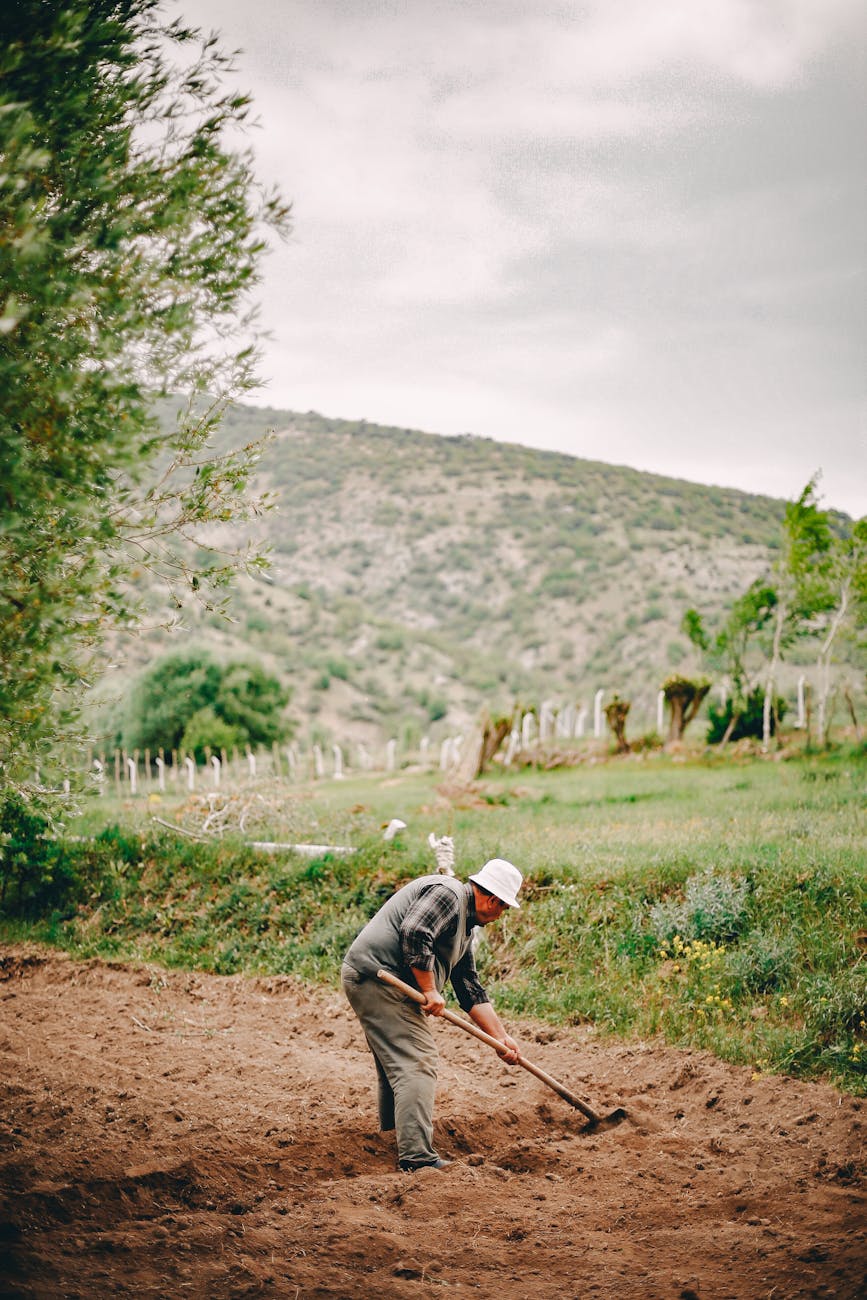
Photo by Mavera zehra u00c7ou015fkun on Pexels.com

We humans have depended on nature to provide us with food, materials for shelter, comfort and pleasure from the beginning of our time here on this earth. It is easy to understand why early humans saw gods in the elements of their environments. Even to this day I feel the presence of a higher being and a higher purpose when I commune with nature. I have a deep connection with the plants and trees, the sun and rain, the elements that have lived on the earth far longer than I have. When I am tending my garden I think of my roots and the long line of people who came before me. I almost sense a genetic connection with the work that they did as farmers and laborers as they worked to survive from one day to the next. 

My brothers and cousins and I are probably the most highly educated people in the long line of ancestors who labored at jobs that demanded sweat and energy. As far as I can tell none of them lived on estates in fine houses with servants and hired workers to fulfill their needs. Their hands were dirtied and their backs were bowed. Their bodies ached at the end of a hard day’s labor. They were among the mostly faceless generations of humans who lived seemingly unremarkable lives remembered only by a few comments scrawled by a census taker. 

It was in the twentieth century that things began to change for those of us who descended from them. We learned to read and write and to consider futures far more comfortable than the ones of our forebears. Our homes are bigger and our larders are filled with plenty that they only dreamed of having. Because we understand genetics we know that the people who came before us had to be bright and inventive and capable of learning as much as we are. They simply did not have the opportunities that guided us into work and lifestyles that are comfortable and that do not require us to hunt or till the soil for our survival. Still, there is something that lures us into the labor of digging in the dirt as though our brains are hardwired to know enjoy making things grow. 

It is spring and I have been working for weeks to make my garden lovely. My hands bear the scrapes and ragged nails of a farmer. My back feels the weight of stooping over plants and lugging dirt and mulch around my yard. I might pay someone to do these things, but I don’t want to surrender the joy that overtakes me when I am outside doing the work of my ancestors. I feel my roots and somehow understand who they were far more deeply than when I read an abstract that names them and tells me where they lived. There is a kind of nobility in touching and tending the earth. My brain fills with a rush of happiness when the sun kisses my arms and the dirt leaves a reminder of who I am under my nails. 

I once traveled to a school where the teachers were having a difficult time understanding their students who were the sons and daughters of migrant workers. They complained that these children brought down the average of the scores on end of year standardized tests. In many ways they resented the parents whom they called “the tree diggers” because they came with the spring season to help the local farmers and ranchers and then disappeared when nature went into its yearly hibernation. I was sent to advise them on how to work with students who were behind in their learning because their parents moved around from job to job, place to place. 

I began my presentation by allowing the teachers to give their assessments of these students and their parents. It quickly became apparent that they felt morally superior to the people who seemed like the hunters and gatherers of old. The faculty wondered why the workers did not simply settle down for the sake of their children. They used their own life experiences to judge people whose realities were far different from theirs. 

I suggested that first the teachers must set aside their preconceived notions and let both the parents and the students know how much respect they had for them. The work the migrants were doing was necessary and important to the town and it was up to the teachers to praise the people willing to provide the labor that nobody else wanted to tackle. I sensed that the children of those workers understood that they were viewed as somehow less than their peers who lived in one place all of the time. I mentioned to the teachers that perhaps their negative mindset had the effect of making their migrant students feel hopeless. I told them that we all want to feel valued. Then I taught the teachers strategies for helping those students fill in the gaps in their education. 

All too often we rank humans according to our notions of how important or impressive their work may be. Of course we are in awe of our doctors and engineers but the people who do the labor intensive work that fuels the engine of our economy are just as necessary. The folks who keep our hospitals clean and our offices in good condition should be just as important to us as the richest person in town. Our world was built on the labor of millions of nameless people just like “the tree diggers.” Workers whomever they may be or whatever they may do should always be honored. 

When I leave my books and the steady temperature of my house to work outside doing back breaking work I hear the voices of the workers of the world. I see their hopes and their dreams. I feel the long roots of my own existence. The sun reminds me of my own good fortune. The dirt on my hands and the sweat on my brow remind me to honor all the labors of humanity and to celebrate those who got me to this time and place. My roots are deep and strong thanks to the determination of thousands of people who did whatever they needed to do to thrive. I am here with all of my degrees and skills because of them. I feel them when the dirt is on my hands.

Why Are We So Unhappy?

Photo by Elu012bna Aru0101ja on Pexels.com

This spring my husband and I enrolled in a continuing education class at Rice University. It was an all too short look at political philosophy that was packed with people searching for explanations for the behaviors and beliefs that have so divided the United States. Of course there were no hardcore answers. Humans have been searching for universal and viable definitions of justice in governance for thousands of years with Aristotle being perhaps the most famous individual of old to tackle this knotty topic. 

As the arc of the class discussions reached the halfway point a kind of frustration emerged as one member of the group asked why we were so unhappy at this point in history and wondered when we might track back to a time in which we were content and more in agreement and willing to work together with one another. His was a plaintiff cry that spoke to all of us and left me stewing over his question for days. 

I began to track back through my own experiences and those that my parents and grandparents had shared with me. I thought of the lessons in history that I had learned in school and as I mentally moved back and back in time I realized that at any given moment there always seemed to be dissatisfaction of one kind or another that was sometimes simply grudgingly endured or other times loudly protested. In particular, I remembered my grandfather’s descriptions of political issues at the end of the nineteenth century when he was emerging as a young man. 

Grandpa often related the hardships and prejudices of the era insisting that the times were far more difficult than anything that later happened in the twentieth century. He described Coxey’s  Army of disgruntled, unemployed and starving Americans who marched through his town on their way to Washington D.C. to demand help. He spoke of people in his community struggling to the point of desperation. He described his own travels in search of work that took him all over the United States where he witnessed extreme prejudice and greed hurled at Native Americans. He was an eye witness to both the glory and the underside of our nation and somehow remained optimistic in spite of it all. He always believed that we were progressing even when we appeared to be moving backward in ugly ways. His stories provided strong evidence that the good almost always outweighed the bad. 

Grandpa was an orphan and eventually a ward of the court. He was the kind of person who might have complained that if it were not for bad luck he would have had no luck at all and yet he always managed to find human kindness even in his darkest times. He was a survivor who marveled at what we humans had accomplished while accepting the reality that we have often messed up quite badly. He included himself in that judgement but pointed out that all we can do is just keep trying to set things right. 

I suppose that the fact that so many people paid to fill a university classroom in the hopes of learning how to repair the damage that seems to plague our country and so much of the world at the present time is testament to Grandpa’s belief that good people are always on a mission to repair the rifts and damages that our humanity seems to create over and over again. it seems apparent to me that we might look back hundreds and even thousands of years without finding a time in which everyone felt happy with the situations in which they found themselves. At any given time there are prejudices and disagreements and wars that rupture our relationships. Sometimes those negative responses to life grow louder and more destructive but on a more personal level we can learn from them and overcome them like my grandfather so often had to do. He understood that he could cry and bemoan his fate or find ways to work around his difficulties which is what most of us do. 

Fear and distrust often tear apart our relationships on both personal and community levels. There have always been winners and losers in the political landscape. Some have historically suffered more than others. At the present time we seem to be torn asunder but history tells us that we can indeed find our way back to a more inclusive state of compromise for the sake of the health of our democracy and each other. We can only accomplish such a thing if we stop talking over each other and take a breath to hear each other rather than judge each other. The destructive rhetoric and tribal behavior gets us nowhere and the real question is how long we intend to continue this way. It will only be when we reject those who would actively divide us that we will be able to come to a reasonable consent about how to repair the rifts that have grown so ugly. At least here in the United States we still have the right to vote unlike places like Russia where elections are foregone conclusions devoid of real choices. Our best bet for changing the things we do not like is to become involved in our nation’s political life. We need to understand that our vote is our voice and if we do not use it we have nobody to blame but ourselves when things go awry. We must be active citizens who make our concerns known. 

When my grandfather was over a hundred years old he was still voting at every opportunity. On one occasion he walked to the polling place because he was unable to find a ride. He understood the remarkable gift that democracy had been for him even when the outcomes were not aligned with his views. He never gave up on this nation and taught me that as long as we retain the right to vote we have hope.

I suppose that Aristotle was right when he said that each of us has a duty to be involved in the life of the community in which we live. The power that we weld when we vote is our hope and never should we take it for granted. We will win a little and lose a little and maybe sometimes mostly agree that protecting our incredible gift for everyone just might be the way bring us back together.  

A Welcome Change For Everyone

Photo by Artem Zhukov on Pexels.com

Last summer husband Mike and I drove to Maine on a last minute mission to help our granddaughter move from one place to another. She had worked as an intern for the city of Topsham and lived in an apartment provided by Bowdoin College where she is a student. With no car she was planning to move from the summer housing into her residence for the school year using a borrowed bicycle. Somehow that sounded like a rather difficult situation so we decided to quickly plan a little trip to help her manage things more easily. 

We enjoyed a lovely drive through the south and then headed north toward Maine, a two thousand mile journey that gave us a sense of how vast and interesting our nation is. Once we arrived in Brunswick Maine we enjoyed several days of getting our granddaughter settled into her new digs while also learning about the work she had done during her summer job. 

She told us that she had been tasked by the city government of Topsham to survey businesses to determine how the mostly older population of Maine was affecting them. It seems that the state of Maine needs more young people than presently live there. Once our granddaughter alerted us to the over abundance of older residents we realized that wherever we went there were few young people and very little diversity. While that might not sound like such a terrible thing, the imbalance in the population is creating problems for the economy in Maine. The state is in need of a young workforce to work in and run its businesses and industries. 

I was fascinated by our granddaughter’s study of the area and the evidence of an aging demographic that I encountered everywhere. I went into social scientist mode and realized that the motel where we were staying was filled with young workers driving trucks with Texas license plates. I watched them leaving each morning wearing work boots and returning late in the evening after quite obviously laboring all day long. Most of them spoke Spanish and only nodded at us as we passed each other. I guessed that they were migrants or immigrants who had somehow learned of the need for able bodied workers in a state where the young are outnumbered by the old. 

Last week I encountered an article in the New York Times addressing the problem of an aging population in Maine. It spoke of the same issues that my granddaughter had uncovered during her internship. The state is struggling to fill jobs with workers willing to tackle difficult tasks in industries like harvesting and processing lobsters. Even at a rate of sixteen dollars an hour there are not enough native residents to maintain the economy so they have happily turned to immigrants from places like Cambodia, the Congo and Venezuela to do work that keeps the economic forces of Maine operating. 

The article pointed out the need for workers all across the United States that can potentially be met with immigrants willing to learn new skills and work at jobs that are often being ignored by American citizens. There are tasks in farming and industry that require more and more people at the same time that there are immigrants eagerly awaiting a chance to earn wages to care for their families. Maine is a kind of microcosm of the needs across the nation that might potentially be relieved by ready and willing groups of people coming to the United States. 

As more and more Baby Boomers leave the workforce there is an imbalance in those working and paying into the programs that support the retirees and those using the programs. With a reliable and fair supply of young workers everyone benefits. Sadly our current system is not using the potential labor force in the most effective ways. Governors should be helping each other to find places where immigrants are actually needed rather than vindictively busing them to large cities with no plan. Our Congress should enact immigration reform that moves immigrants more quickly from detention centers into productive lives. Instead of only seeing immigrants in a negative light all of us should be urging our leaders to create systems that align them with opportunities to work and educate their children. It can be done if we quit arguing and finally decide to cooperate in creating constructive and humane blueprints for success. 

I have taught recent immigrants from Central and South America for most of my career as a teacher. More often than not the parents of my students have struggled with English but have always wanted the very best for their children. Many worked multiple jobs to provide for their families. They worked at back breaking jobs to insure that a son or daughter would be the first in the family to graduate from high school and attend college. They sacrificed with great courage and pride so that the next generation would enjoy lives that they had only imagined. They continually inspired me with their devotion to the American dream and to their families. 

We would do well to step back from the political rhetoric and consider that immigrants are a gift to our nation rather than only a problem. The glass is truly half full. If we maintain our optimism whether than constantly carping with pessimism we may soon unraveled the knotty mess that we have made by refusing to work together to solve the problem. It would be a welcome change for everyone.

The Greatest Night In Pop

Photo by Pixabay on Pexels.com

It was nineteen eighty four and life was almost perfect for me. I was in my thirties, passionate about my teaching job, raising a wonderful family of two young girls with an always supportive husband. I lived in a cute little house with the best neighbors that anyone might wish for and I enjoyed the most wonderful friendships and times spent with my extended family. On top of it all, the music in that era was wonderful and I was still young enough to rock with it when driving my car or cutting loose in my home. 

I admittedly focused mostly on my own little world at the time, totally unaware of the state of other places in the world. I did not yet pay attention to the unfolding of news the way I now do. I was busy with the mundane but gloriously beautiful tasks of raising a family, earning a living and finding moments to enjoy life. I was ignorant of issues like famine and starvation in Africa but I was about to learn what was happening there all because of the efforts of a group of singers who would come together to change the world. 

Harry Belafonte was already well known for his melodic voice and even some acting chops but mostly he had become synonymous with the Civil Rights movement of the nineteen sixties. His work to end segregation and to find justice and equality for all humans had changed the course of his life. By the nineteen eighties his continued work to bring light into the world was legendary, so when he came up with an idea for raising funds for the starving people of Africa, the powers that be listened. A group quickly formed to create a song and then gather the best and most famous voices of the era to record it. Quincy Jones would orchestrate the effort but first he needed both a song and some performers. 

In the beginning Quincy chose Lionel Richie to manage the project which would require getting a diverse group of entertainers together for one moment in time to make the recording. First Lionel was tasked with coming up with a song, so he left calls for Stevie Wonder and Michael Jackson. Stevie never returned those calls but Michael Jackson instantly met with Richie and the two began to write the music and the words for the project. 

Meanwhile Quincy Jones and others involved with the planning had to decide how to bring so many famous singers together in a single moment. They decided that many of them would be coming to Los Angeles for the American Music awards in January, so that event would provide the best possible likelihood of getting the most big names for the project. The race was on to finish the song, invite the singers, and organize the logistics all in a matter of weeks.

The Netflix documentary, The Greatest Night in Pop, uses film from the era to recount the gathering of the best music stars of the era. It shows how complex it was to pull the event together and then provides an intimate portrait of the night long process of recording the the chorus and the individual parts of the music. It is a walk down memory lane with singers in the prime of their years forgetting their egos to work together on an important project designed to save lives. It seems as though anybody who was anybody was there and at times the tension and time constraints made each singer so very human. 

The telling of that evening is as taut and wonderful as the song they finally made. We Are The World was played around the world at exactly the some moment in time and became a mega hit in the first week of sales, garnering over eight million dollars that purchased food for the parts of Africa where people were enduring devastating hunger. It also became to model for other rescue efforts that were yet to come. 

The documentary was mesmerizing for me as I watched Bob Dylan struggling to own his part in the song. I witnessed a young Willie Nelson offering his unique voice which was at its very best. Michael Jackson sounded like an angel. Bruce Springsteen offered a rough hewn plea. Stevie Wonder’s genius overcame problems and Lionel Richie was a masterful manager of all of the egos. By the end of the long evening when everyone was exhausted love and joy filled the room as the singers exchanged autographs to commemorate the moment. Somehow they all understood that they had just done something extraordinary. 

The Greatest Night In Pop is a wonderful documentary that will leave you smiling and proud. It reminded me of kindness and an America focused on love and trust and compassion. It will surely make you feel the hope that comes from people working together for a common cause while putting their own foibles aside. It’s the kind of story that we all need to see in these times of division and anger. Maybe we might decide to quit quibbling with each other and do something important and impactful once again.