The Fixer

Photo by Annushka Ahuja on Pexels.com

I’ve often been accused of being tightly wound. I fully embrace such critiques because I know that they are true. I actually recall a time in my life when I was not so, but circumstances made me wary of walking through life carefree. A series of events overtook me without warning and left me determined to be more observant and proactive in controlling the world around me. 

Perhaps it all began just after my youngest brother was born when my favorite uncle was dying and I was whisked off to school a year earlier that my parents had once planned. My chaotic entrance into the world of learning might have been a horror had it not been for a wonderful teacher who lovingly saw my plight and a young girl with braids who compassionately watched over me. My five year old world was in chaos and somehow the hits just kept coming. When I entered the third grade I had settled down to a lovely routine that was interrupted by a year long journey from new school to new school culminating in my father’s death. 

I felt lost and crushed and unable to find my confidence, so I quietly pushed myself through my childhood by taking control of every possible aspect of life that was in my power to do. I perfected routines and learned how to be observant enough to see bad news coming. I ordered and prepared my life like a general going to war. I was determined not to be caught unaware ever again, but of course such is never totally possible in the real world. When my mother was sidelined by mental illness I was completely flummoxed. Totally ignorant of such situations, I made many mistakes including believing that she would be forever cured and able to move on from that horrific moment. Reality taught me that little is as simple as we hope it might be.

I was indeed able to take control of my life once again and soon found myself including my mother and my children in my tightly wound plans. I became an expert in reading a room, predicting tragedies before they even happened. My skills in seeing the world at a deeper level than most people made me an excellent teacher. In a room of twenty seven students I had my pulse on each and every youngster. I intuitively knew when someone was struggling and I had already prepared to intervene when such things happened. I perfected schedules and planned for extraordinary circumstances. I was in control even when things went out of control. Being a teacher was the perfect career choice for the personality that I had developed. 

I was able to raise a family of my own, carry my students to adulthood, keep a well run household, monitor my mother’s mental health and still enjoy a loving relationship with my husband. I seemed like a human dynamo, but inside I fought a battle with myself. wondering if my attempts to keep things from falling off of the rails was actually asking too much of me and the people around me. I knew that I often went too far in trying to keep everyone safe and happy. Ultimately it became an impossible task. 

No matter how well I thought I had prepared for the unexpected I was nonetheless surprised again and again. I have learned that I am capable of fixing many situations, but sometimes I will and do fall short. While I instinctively know that I can’t be all things for all people I often push so hard that I anger the very people that I most want to protect. The hardest thing I have had to learn is to know when to simply back away and allow others to be themselves, even when I fear that they are heading for a fall. 

I admit to being tightly wound. It has been my hallmark for decades but I have had to let go and remain silent in many situations. I know I don’t have all of the answers and certainly do not believe that there is one best way of proceeding through life. Sometimes I have to simply be silent and watch suffering without interfering. At this juncture in my life I am sincerely attempting to know when to catch someone who is falling and when to let them float through the air. I am learning how to wait for them to ask for my help. I am realizing that some people prefer not to hear my ideas even if they are well intentioned. I am understanding that it’s good to loosen my own compulsions to act now and again. 

I’m trying my best to learn how to relax, to turn over the reins of control to a younger generation that has its own ideas about how things should be. The odds are rather good that at my age it should not surprise me at all to witness more and more loss of friends and family members. There is little that I might do to stop the progress of time. I suspect that I should more and more often begin to heed a piece of advice from my grandfather who urged me not to always worry like my grandmother had done. 

I laugh when I think of my always anxious grandmother warning me that I was just like her. She even told me to watch for signs of “gut trouble” which she and her relations all seemed to have. Somehow she realized that she and I were kindred spirits wrought from similar cloth of responsibility. She sensed that I would always be tightly wound just as she had been, but now I wonder if I can once again find the carefree little girl that I once was before the chaos entered my life. I liked her and laugh out loud when I think of her. Maybe a bit of her is still there. I think I may try to unwind just a bit and see if she will return for the final years that lay ahead. I suspect that it will be better for everyone if I once more relax.
Finding Answers To Eternal Questions

Photo by Aleksejs Bergmanis on Pexels.com

I grew up in the Catholic Church. In fact, I attended Catholic schools for twelve years where I was imbued with an excellent education as well as a strong sense of the beliefs of my religion. Somehow I realized that I needed to attend a college that would provide me with a more inclusive view of the world than the one that had sheltered me for the first seventeen years of my life. I turned down a number of acceptances and scholarships to Catholic universities around the country in favor of attending the University of Houston which offered a much larger and more diverse outlook on life. I felt the need to learn more about people of other faiths from other places and even those who had no faith at all. Somehow I understood that it was long past time for me to interact with more than just mostly Catholics like myself before going to work in the world at large. 

I had grown up in a safe bubble with wonderfully loving people but without any real contrast to my own carefully protected beliefs. Only once had I encountered a challenge to my religion and ways of thinking. It happened with a girl from my neighborhood who asked me questions about my church with some incredibly different beliefs that I had never realized existed. Then she challenged me to test my faith by attending services at her church for contrast. 

I never got that opportunity to widen my horizons because my mother’s reaction to the invitation was to ask the pastor of our congregation if it was admissible for me to visit another branch of Christianity. When he insisted that I must be protected from such an adventure lest I become confused, my mother promptly forbade me from even considering such a bold journey into another system of belief. Still, I wondered what would have been wrong with expanding my worldview in a fairly benign environment with my friend. 

College introduced me to people of many cultures and spiritual points of view. It was an exciting time during which I encountered people from around the world who approached the spiritual aspects of being human in very different ways from my own. I began to realize both the similarities and differences between the individuals with whom I made contact. I saw that it seemed to be in our natures to seek answers to eternal questions in spiritual ways and sometimes to use logic and critical thinking to deny the very idea of God. I saw that some beliefs were rigid and others more open to considering alternative ways of living. I found both good and bad people within the same or similar belief systems. I became more open to the idea that none of us possess all of the answers but we all have a tendency to seek them. 

Over time my mother became more open to differing ways of defining our individual philosophies about ethics and the rules that guided them. She seemed to realize that even among the microcosm of her family the spiritual evolution that had transpired to create life long Catholics, converts to other Christian sects, agnostics and atheists had left very good people within each group. She began to study eastern influenced religions to learn more about them. She opened her mind to the possibility that God very legitimately comes to each person in the form that best suits their situations in the world. She even saw that those who questioned the very existence of a higher being were often more spiritual and loving than those unwilling to accept that faith or lack of it is founded on our personal beliefs about our purposes in life. 

My mother-in-law became my religious mentor in many ways as well. She had been raised in the Episcopal Church but converted to Catholicism after marrying my father-in-law who was a devout follower of that faith. She did so only after much study and many conversations with a priest willing to convey the tenets of the Catholic religion. To insure that she was converting with an open mind he introduced her to a treasure trove of brilliant dissertations on the universal search by humans to find answers to our eternal questions. By the time she officially became a Catholic she had read texts from Augustine and Aquinas as well as those from every corner and belief systems of the world. She had become a quasi religious expert capable of discussing everything from the origins of the Greek gods to the nihilism of Nietzsche. 

On Sundays she and I held soirees together while the men watched sports in another room and the children played the games of youth. We sipped on tea and seriously discussed questions about the existence of a true God and what that being might represent for our lives. Those were heady times for me that made me more and more willing to understand those whose beliefs seemed to be so counter to mine. I was able to compare and contrast with a background of knowledge that helped me to realize that the search for answers about our human place in the world are universal. I learned how to respect the earnestness of our individual spiritual journeys. 

Not long ago I was invited to the baptism of some of my mathematics students. I had been baptized as an infant so it was quite interesting to see the ceremony that requires the participants to actively pronounce and seal their beliefs in the act of accepting Jesus as their savior. It was active rather than passive as my own baptism had been. I found many commonalities between my church and theirs, but also distinct differences as well. It was profoundly wonderful to participate in a ceremony in which I saw my students on a spiritual journey that took a slightly different path than my own. It reminded me of what truly makes humans different from other creatures. We are the only ones looking for truths about who we are and how we should be. There is glory in that even if the answers we find are very different. Instead of pushing others to share our own feelings about a higher being we might do better to simply honor the decisions that our fellow humans have made and do our best to be open to the idea that maybe there really are alternative pathways to the same place. It would be a mistake to enforce one way of thinking on everyone. The variety of ideas is a good thing. Let’s leave it that way.  

The Fortunate One

Photo by Clifford Photos on Pexels.com

I have worked hard to reach the level of comfort that I enjoy, but there are times when I feel not just fortunate, but even a bit spoiled. Many of the advantages that I enjoy have come to me from simply being born in the right place to the right parents and the right time. My mother and father were loving, kind and wise. I never experienced even a moment of abuse from either of them. I felt safe in their care. When my father died a multitude of relatives rallied to the aid of my family. We were never alone. While we existed on a very small income, my mother was savvy enough to stretch our budget with her ingenious ways of running a household. There was never a day when I did not feel thoroughly safe and secure in her care. She made it seem right to conserve and sacrifice when much of the world subsisted on far less than we had. Mama believed that if the roof did not leak and there was a pot of soup on the stove all was right with our little world.

There was a time when I might have been destined to a traditional life of servitude to a man, but I was born just when women were asserting themselves. They were breaking barriers that had existed for centuries. Colleges opened their doors to me and nobody thought it was strange for me to think for myself and create goals that might have seemed unattainable in another era. With my mother as a role model for independence and my father’s insistence that I see reading as a gift I charted a course of learning that has brought me joy beyond description. I also found my true purpose in passing knowledge forward and encouraging thousands of students to reach for the stars. I was perfectly poised for success.

Living in the United States of America gave me freedoms that so many people around the world never enjoy. I have been able to voice my opinions and choose the people that I want to represent me. I am able to travel from place to place and to enjoy the economic opportunities that allow me to live a very peaceful and comfortable life. 

Because my skin is white I have been able to live quietly and without prejudice. Most of the time nobody even notices me which is a wonderful thing. I have never been stopped from entering a store or place of business because of the color of my skin. I have never been told to move to the back of a bus or to collect a library book from a window in the back of a building. In other words, simply because of place, time and parents I have have a most fortunate life with few to no barriers confining my spirit or my dreams. 

Kings and queens were once believed to have divine rights that gave them powers simply from being born in the correct birth order. In some ways that is how my life also feels. Much of what I have achieved might have been nullified if anything about the circumstances of my birth had changed. I might have been abused by my parents. I might have been born in a country that did not value me as a person or as a woman. I might have suffered under the iron rule of oppression or dire poverty and want. I am fully aware of my good fortune and as such I believe that it is up to me to pay the goodness of my life forward. 

Socrates, Plato and Aristotle all believed that a good life needed to be shared with friends and community. Happiness was to be found in thriving and helping others to thrive as well. I believe such things are true but I all too often allow my human frailties to forget about what a wondrous life I have and instead brood over what is missing. I suppose that each of us falls prey to a bit of self pity now and again. It seems to be in our natures to sometimes want more when we already have so much. 

I look across the world and I see people who are no different from me suffering intensely simply because they did not win the lottery of place, time, and parents. I know that even in my remarkable country simply being born is not enough to insure the privileges that I have enjoyed. Prejudices abound and anyone perceived to be different will likely encounter insults and hurts that I have so far avoided. The world can be as kind as it has been to me, but it can also be incredibly cruel. 

I do not believe that God decides who gets to have a happy life like mine and who has to endure a lifetime of hardship. If there were such a God that would be counter to the compassion promised to us. I simply believe that things just happen as they did with me. Sadly some are not nearly as fortunate and life can be quite difficult for them. 

When I see refugees fleeing their homelands I view them as being just like me only circumstances have made their lives more difficult than mine has ever been. I have great compassion and concern for their plight and hope that those of us who have been luckier will welcome them in their quest to improve their lives. 

I am indeed the fortunate one. I got lucky with the roll of the dice. I am deeply grateful.  

Growing Older

Photo by Pixabay on Pexels.com

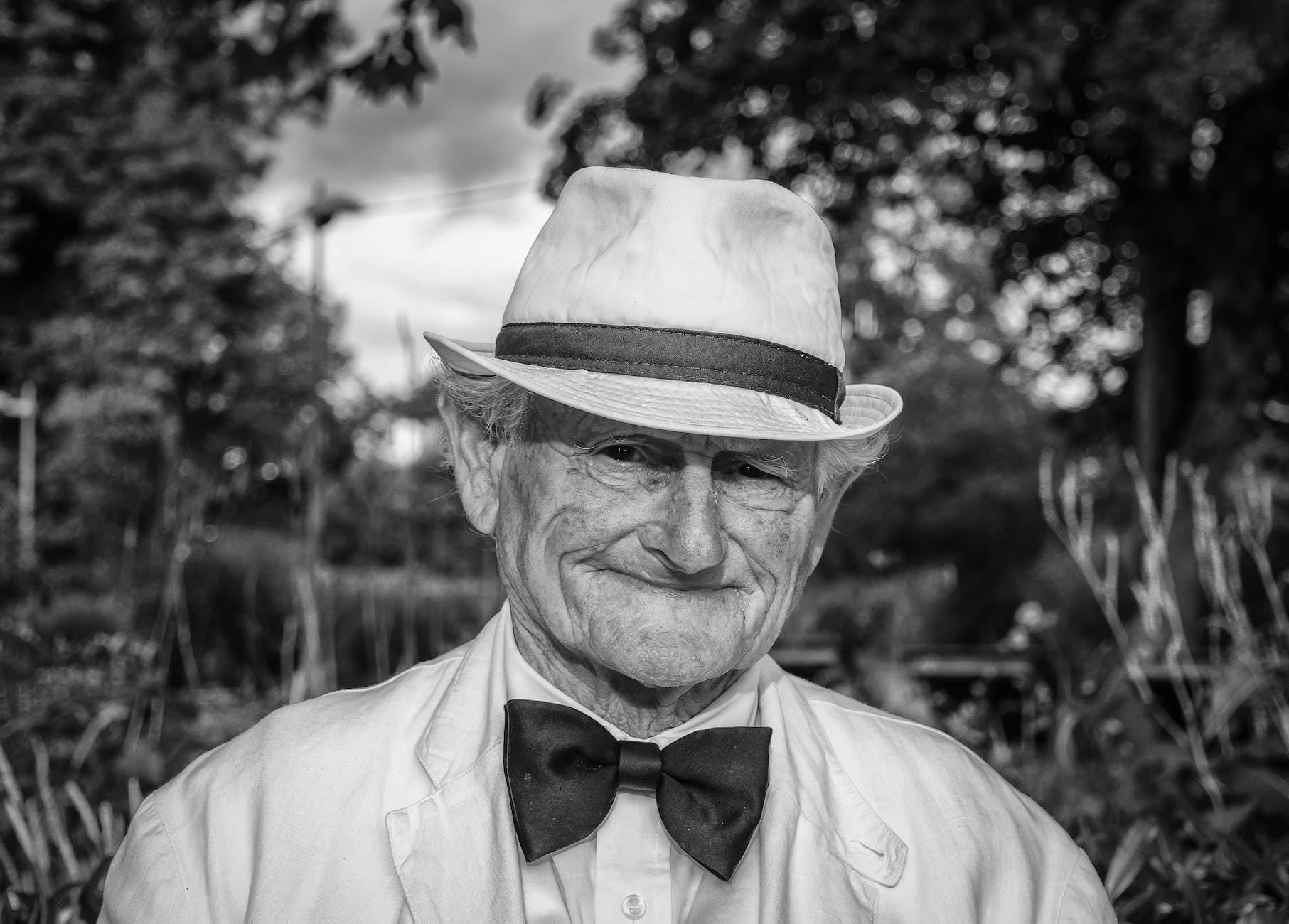
I remember my grandfather opining about the many losses in his life as he inched deeper and deeper into old age. He remarked that most people saw his advanced age of one hundred eight years old as something to celebrate, but he was not so sure that it was all that it was cracked up to be. By that time he had lost his spouse, all of his children, many of his children and great grandchildren, all all of the friends he had once enjoyed. While he greatly appreciated the attention that he received from the many young people who took the time to visit him, he longed for rest from a life punctuated with so much loss from the moment of his birth when his mother died. 

Grandpa was an optimistic soul and a survivor who never complained about anything, but he simply became very tired. He had valiantly found his way from the nineteenth century to the last quarter of the twentieth. He had seen the evolution of the world from a time when small pox was feared to the days when it had essentially been eradicated from the earth. He had lived in a time when darkness was lit by oil lamps into the days of electricity and modernization of virtually every aspect of life. He worked in Oklahoma before it was a state and when oil was first discovered there. He marveled at the movies, telephones, and planes that were invented when he was a young man. He was in awe of the progress that was coming more and more quickly the longer he lived. He knew that he was indeed a fortunate man, but he grew weary in the last few years of his life, mostly because he thought more and more about the loss of the people whom he had so loved. 

My Aunt Valeria was also a centenarian and much like my grandfather she often spoke of being ready to meet her heavenly reward but wondered why it was taking so long for the completion of her days on earth to be resolved. She would joke that perhaps she was still a bit too mean to travel to heaven. Of course that was her impish way of making fun of her long and wonderful life. She was the last of what had once been a very large family. Nine of her siblings had already died, some as infants. She had been a good and faithful woman but like my grandfather she was tired. Her osteoporosis had stolen her ability to walk and confined her to waiting for a caretaker to move her from her bed. Her life became more and more limited as the years continued to pass. Those who had once religiously visited her were no longer on this earth. Others became disabled themselves and so there was a kind of dreaded loneliness that defined her world. Still, she always found a way to smile whenever I visited her. 

There are people who somehow outlast their peers by decades. We don’t always know who they will be. My grandfather’s grandmother lived until the age of eighty eight in the nineteenth century without any kind of medical care, so genetics may explain his longevity. Most of my aunt’s family members died before their nineties with the exception of her twin sisters who made it to almost ninety five. She was the second oldest child so nobody expected her to be the last to die. Perhaps the care she received in the nursing home where she live for over twenty years may have made a difference. I suppose we will never really know why some people leave the earth quite early and others remain for an unimaginably long time. 

Neither my grandfather nor my aunt had particularly good habits. Grandpa smoked cigars and a pipe until the final months of life. He ate fatty foods and sugary treats without concern. My aunt’s diet only became controlled when she lived at the nursing home. Before that she never exercised or did any of the healthy living that we are told will provide us with longevity. Her biggest health problem was severe osteoporosis. 

I have been thinking about such things because I know that many of my schoolmates have already died. Others have been sidelined by heart disease and cancer. Somehow I just keep rocking along feeling as though I am still a teenager aside from my own osteoporosis which I am keeping at bay with biannual injections of Prolia. Other than some arthritis in some of my joints I have a strong heart and no real medical problems so I sometimes think that I might follow in the footsteps of my grandfather and my aunt. Having listened to them I wonder if that will be a blessing or a difficult time when I have to watch my circle of family and friends dwindling.

All the talk of whether or not Joe Biden or Donald Trump should be seeking the presidency at their advanced ages has made me think about growing old. I am not quite as old as either of them but I know that I sometimes forget words and have to pause for a few moments to retrieve them from my memory. I can’t move as quickly as I once did, but I get more done in a single day than most women half my age. I know that those who do not know me view me as an old lady, but I have not yet felt that way. I suppose that we can’t really define the moment when someone might become too old to do something. 

My grandfather was working fourteen hours a day on his farm when he was well into his eighties. When my grandmother became ill with cancer he secured a job at NASA where he did manual labor until a supervisor insisted that he go home at the age of eighty eight. His mind was clear but his gait was measured as each subsequent year passed. He might have easily handled the duties of President of the United States even beyond the age of one hundred. Thus I think we worry a bit too much about what older people might be able to do. If they have the stamina to keep going why would we want to prematurely shut them down? 

None of us ever know when death may come. Our lives can end in the blink of an eye regardless of age. On the other hand those men vying for the highest office in the land may keep going for another twenty years or more. We just never know. What I do know is that age should not matter and it is silly to worry about when death will come. What really makes us old is the feeling that we no longer make a difference in the world. We would do well to provide meaning to even the oldest among us and not focus on our fears about them. We simply cannot know how long anyone will be remain with us.  

A Cornucopia of Learning

Photo by Ersin u00c7ebi on Pexels.com

Some philosophers suggest that our view of the world is limited and often even influenced by the rose colored glasses that we tend to wear. They argue that we can never really know what true reality is because of the limits of our perceptions. I suppose that there is some merit to their beliefs, but I also think that we are indeed capable of moving beyond the limits of our experiences as long as we are willing to consciously seek to find answers to our universal questions about our place in the universe. 

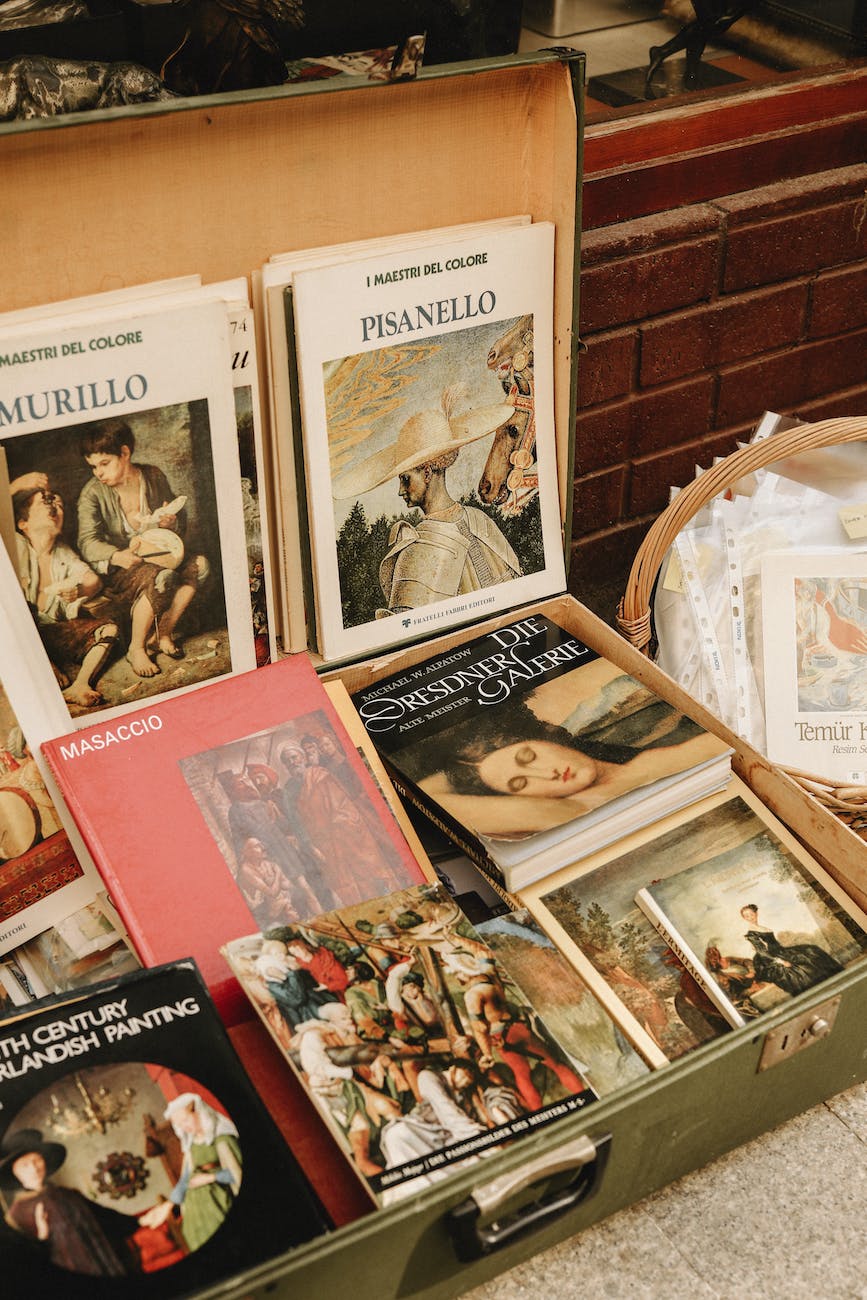
I’ve read that we use only a small amount of our brain power and yet I often marvel at the genius of humans and wonder what we might accomplish if we spent enough time exercising our minds as much as we are often willing to train our bodies. Perhaps universities might be thought of as gyms for our minds but such institutions are not our only source of knowledge. Just as we might purchase equipment for building our muscles and strengthening our bones, we should be creating libraries to widen our points of view. We would do well to embrace a willingness to acquaint ourselves with a multitude of ideas from which we might begin to parse truths or understand how things work. We should never simply rely on a single source of information when attempting to learn. The wise student is openminded and willing to consider both the pros and cons of a theory.

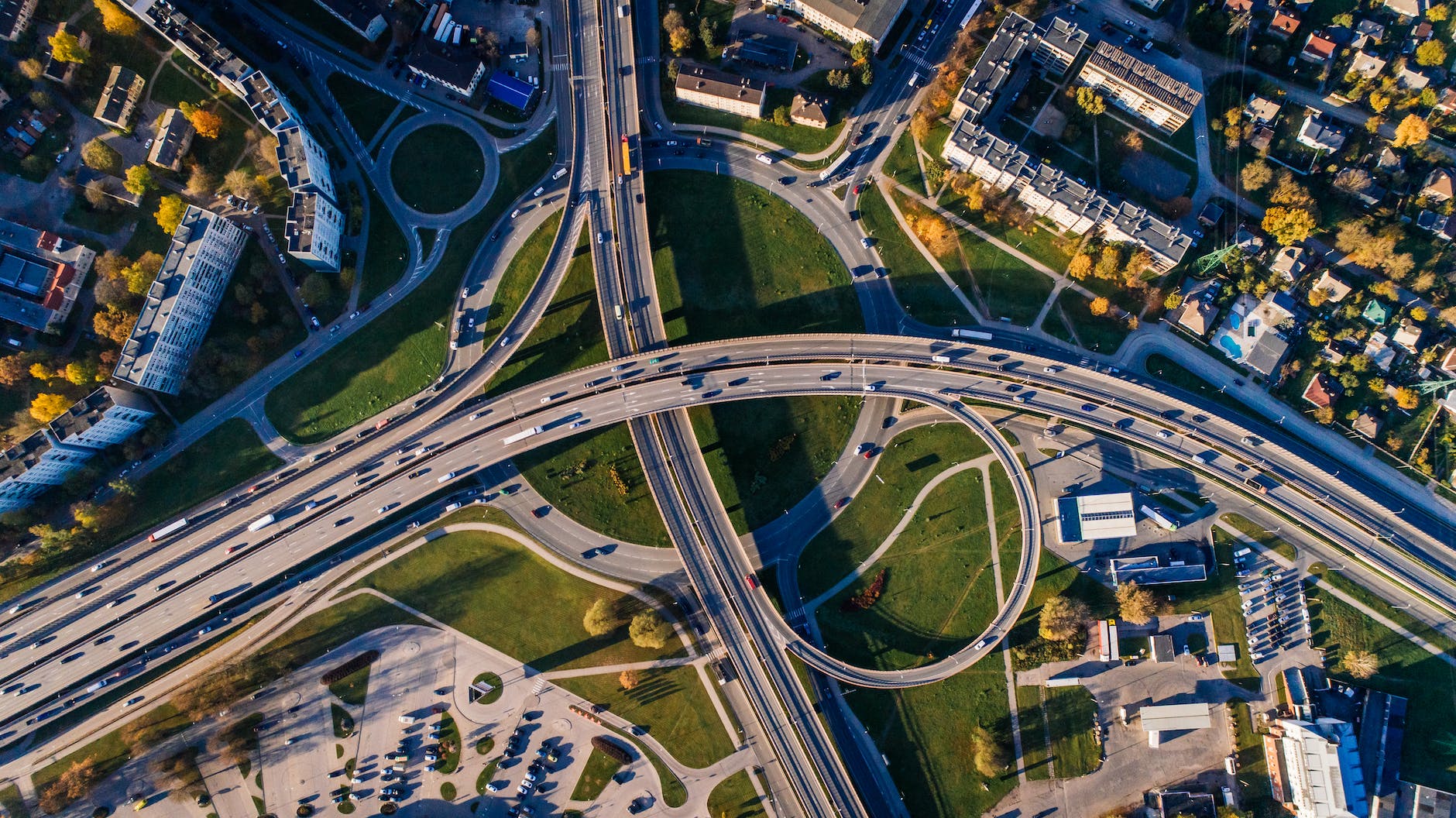
Some truths are quantifiable. Others are more nebulous. We can calculate the strength of a bridge and predict how strong it will be, but we can never fully account for the way humans will approach that connecting road. A sturdy structure may prevent us from falling into a raging river, but it can’t stop a saddened individual from hurling themselves into the deep. The world of unintended consequences is enormous. The glory of our minds is creative. The worst aspect of our minds is hurtful and deadly. The tension between our good and bad natures is the stuff of legends and true crime stories. 

Most of us follow the rules for living together in peace, but now and again we see the human tendency to cooperate being used for grave evil. Despots enlist loyal followers to carry out acts that seem so unimaginable that we ask ourselves how anyone might have been swayed to do such things. History is filled with stories of evil committed in the name of wayward politics. We would do well to educate ourselves enough that we will never be lulled into the complacency of simply following orders when they do not seem right. 

I often wonder how and who first thought of turning us against each other. Why did someone or some group decide that the color of our skin mattered?  How did anyone ever fall for the idea that we should rank people’s values based on a feelings rather than truths? The prejudices that we see over and over again are there because we limit ourselves by relying on others to interpret situations for us. We ban ideas and lifestyles without really knowing much about them. We judge people from behind our rose colored glasses that distort our view.

I find that the more I am willing to investigate controversial topics the better I feel about people and situations that might have once frightened me. I don’t want my mind to be a narrow tube through which all of my thoughts must go. I need room to expand my knowledge of the world. Western thinking is often brilliant but it is not the only source if ideas, just as my Christianity is not the only way to view spirituality. 

My mother took me to church and sent me to lessons in the Catholic faith that she so loved, but she also taught me that there were other ways of believing that I should respect and study. My mother-in-law introduced me to eastern theologies that saw our journeys as humans in much different but equally beautiful and rewarding ways. She warned me over and over again to beware of anyone claiming to have the only true way of thinking. She worried about those who would force their beliefs on others. 

There are those who poke fun at certain programs of study in our universities. They insist that we should measure the worth of an education on the value of the jobs that follow after graduation. They quantify the importance of learning in dollars and cents, then insist that we shut down departments that appear to have little monetary value in the grand scheme of things. They ask why we need to read literature or study the history and sociology of Africa. They denounce psychology as a bit of trivia and laugh at the idea that there is any reason to study philosophy or latin. We forget that universities originally existed to expand the knowledge of wealthy individuals who learned the classics. It has only been in the more modern era that colleges began to teach specific skills in engineering and such. Before that time students interested in such jobs might have focused on mathematics and physics. Those wanting to attain leadership roles in business might have taken classes in rhetoric and writing. Now college majors are more and more focused even as we all know that what is presented in a computer science class today will already be outdated when we graduate tomorrow. 

The focus of education should not be only about learning skills. Instead it should be about knowing how to find and present information. It should be mostly about learning how to continually learn. Banning or dropping anything would be counterintuitive to a knowledgeable society. We should insist on the variety and openness of schools, not a pared down version of what we judge to be practical and acceptable. Limiting what is available for students to learn is the antithesis of what we should want for ourselves and for future generations. We should instead insist on creating a cornucopia of learning for all of our students.