
 They were a sweet family with a good home, and best of all they were happy. But then came war, unsafe conditions. Bombs went off continually so close by that they could hear the falling rubble created from the blasts. They were on the wrong side of the fight. Sooner or later the invaders were bound to get to their street, their house. Sleep began to elude them. Their small children continually cried. They knew that they had to leave no matter how much they wanted to stay. They became refugees, members of a wandering group of people from war torn parts of the world searching for a safe place to live. They are unwanted in many places, thought to be pariahs, criminals, maybe even terrorists. All that they seek is safety, a new start, a place to call home.
It would be easy to simply ignore these desperate souls. After all, what have they to do with us? We have our own problems. We have yet to help all of our own people. They are foreigners with beliefs so different from ours. We barely have the resources that we need for the people who are already here. How can we possibly stretch ourselves any more? Besides, what if they are not really just good people caught in a bad situation? What if their intent is to harm us? Why should we risk our own safety for theirs? What’s in it for us? Will they even be able to work, or just be drains on our social programs? These are the questions that plague us and there are few clear answers. In truth there is a certain level of risk in taking in strangers from lands far away. It takes a leap of faith to consider both the problems and possibilities and still agree to do what seems to be the most humane action. What if we choose wrong? How will we live with that?
Thus is the difficulty that we face. Across the world the population of refugees from violent places continues to grow, and with it so do both our fears and our desires to be compassionate. The stakes are high for everyone concerned, most especially those waiting hopefully for someone somewhere to provide them with the breaks that they need to create better lives. While we debate the merits of inviting some of these people into our cities and towns, they are growing ever more discouraged and wondering if anyone truly cares about their situations.
I spent my life working with people, albeit young people. Human nature tends to be the same whether dealing with adults or children. Individuals have certain basic needs that must be met or they begin to react in unpredictable ways. They must feel safe and that means providing them with an environment that is as free of dangers as possible. It requires that they have food to abate their hunger and at least the bare necessities to protect them. When those things are lacking they are unable to rise to higher levels of development. Each day is a quest just to make it to the next. Survival is the only idea that captures their attention. Being continually subjected to a search for the most essential of our human needs takes its toll. Some will give up and wither away. Others will grow angry and lash out at a world that feels so unfair. Many simply persist until they somehow manage to change their circumstances.
As a society we never truly know how anyone will react to extreme difficulties. There are no doubt cases over which we have no power to inspire the good, but for the most part we do in fact have the opportunity to become positive influences. Some people are psychopaths or sociopaths who will not respond to our kindness. Even our best efforts with them may be ineffective and we may not be able to detect them until it is too late and they have done great harm. Generally speaking, however, the vast majority of humans will react positively to encouragement and compassion. When someone provides our fundamental needs and we are treated with respect, we are filled with gratitude because it is in our natures to want to be accepted members of society. Once we feel safe we are ready to contribute to the rest of mankind.
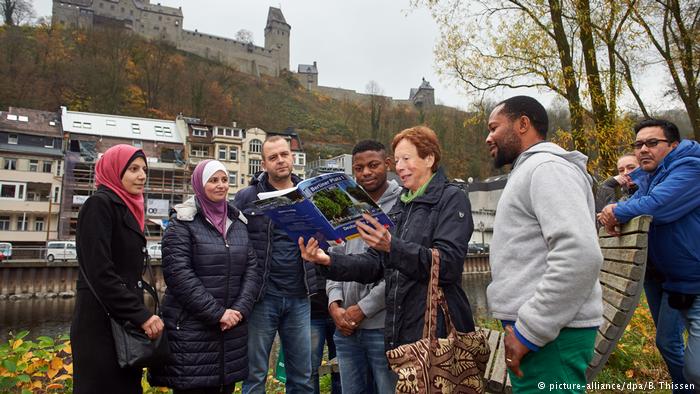
I watched a Frontline program on PBS which featured a number of refugees seeking asylum in different parts of the world. They had been ordinary souls before their homelands were torn apart. They shared a common desire to be understood and accepted by people willing to provide them with a new start. They had done desperate and even illegal things to protect themselves and their families from the violence in their home countries, each with differing levels of success. One family had quickly found relief in Germany. They were welcomed by the community and began the process of learning the language and adapting to the culture. They are now studying so that they might secure better employment. They want to be far more than just drains on the governmental programs. They work at difficult and menial jobs while they become more educated. They watch as their children forget the old ways and embrace the new. It seems that those who are not just welcomed by the locals, but are also actively supported and educated are happier and doing better than those placed in dreary camps with nothing to do all day long. Having someone believe in their worth has been the key to helping them to become part of the community.
When I teach mathematics the first thing that I do is build confidence. We humans can’t operate if we feel discouraged. Psychological barriers impede progress, so they must be dealt with from the outset. The same is true of refugee populations. What are they to think if people are reacting negatively to them without ever knowing who they are?
President Obama often suggested that much of the hatred in the world begins with rejection by society. In that idea he is correct. We tend to become who the people around us tell us that we are. If we are constantly criticized and given no occasions to define ourselves we sometimes believe the hateful slurs that we hear. We doubt our own abilities and fall prey to the truly evil who tantalize us with offers of being somebody important. All dictators, anarchists and terrorists use the worries of people to recruit their minions. If those of us who are good do not reach the hearts and minds of the needy, someone with nefarious intentions will, exacting a terrible price on all of us.
We have to open our eyes to the suffering of the world. We must work together to ensure that the downtrodden are able to find the peace that they seek. We cannot ignore their plight and then pretend that we are doing so just to protect ourselves and those we love. We will always have individuals who turn against us even when we are kind. Because that sometimes happens does not indicate that we should suspend humane treatment. It would be akin to saying that just because there is a chance that we might die in a car accident, we should never get inside an automobile again. We have to overcome our fears, and deal with the consequences of each individual decision that we make. This has been our human conundrum since the beginning of time. What is certain is that we cannot isolate ourselves from harm, but we do have the power and the responsibility to help as many souls as possible to find good and worthy lives.
While we are arguing over who should come to our shores there are hundreds of people living in want and fear. We can’t assist every one of them, but surely we can do more than we have done most recently. If we were the ones in need we would hope and pray that the better instincts of humans would find a way to help us. Perhaps it is time for us to consider what each of our responsibilities should be in this regard.
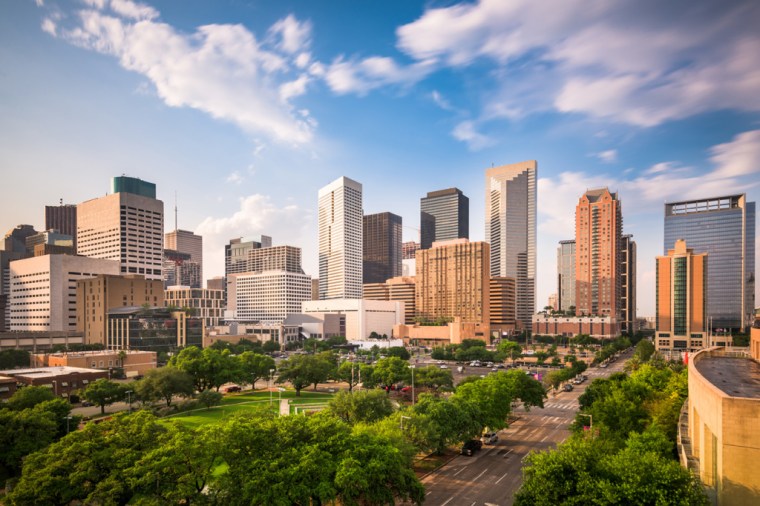 It was a sunny day in Houston, Texas on a January afternoon. The streets and highways were filled with people enjoying the break in the cold weather. It somehow seemed impossible that only five or six months ago those same roads were filled with flood water from hurricane Harvey, creating unbelievable images of devastation. Everything appeared to be so normal, and it felt as though the recovery and healing of our scarred city had gone smoothly and far more quickly than anyone might have ever imagined. We had even begun to believe that we might have a good chance of winning the big Amazon prize that would bring thousands of jobs to our area along with millions of dollars to boost our economy. Perhaps it is in our Houston DNA to be upbeat and unwilling to be counted out. We’d done the impossible so many times before that those of us native to this flat featureless plain see our city with different eyes than those of outsiders.
 A meme caught my eye and I found myself thinking about its message: Really had my heart set on waking up rich today. Of course the idea of being wealthy is relative despite demographic brackets that provide numerical outlines to help us determine who is affluent and who is not. How we feel about our circumstances is often a better determinant of our financial value than our bank statements. We all know someone who has very little but is content, and others who should be comfortable who are never quite happy. The reality is that virtually everyone in the United States is richer than most of the people in other less prosperous places of the world, and as a matter of fact here in our country most of us enjoy existences that would have impressed even the very prosperous of bygone eras.
 Both my mother and mother-in-law found the time each day to call friends and members of their families to find out how everyone was doing. They were historians and counselors, keepers of current information about the people for whom they cared. They spread cheer and hopefulness in a regular routine guided by carefully crafted calendars that included birthdates and reminders of anniversaries and other special occasions. They shared information with the rest of us who depended on them to keep us informed of the happenings and concerns. I came to think of them as the glue that kept the disparate individuals who were parts of their lives firmly connected and aware that someone truly cared. Theirs was a kind of duty that each assumed with grace and loving concern, a task that the rest of us often took for granted until it was no longer there. When they died the beautiful network of compassion, celebrations, and unity slowly fell apart, never again to be quite the same even as others attempted to undertake their roles.
 I didn’t know Edi Cruz as well as I might have liked, but what I do know is that he was a KIPPster and I was a Big KIPPster and that makes us family. I recall seeing Edi in the hallways at KIPP Houston High School and what I noted about him was his always pleasant demeanor. His smile was of the legendary sort, and just spotting him made me beam inside. I wish I’d taken more time to get to know Edi better because from what I can gather he was greatly loved for being a truly genuine and caring person. Edi was slated to graduate in a few months from The University of Texas Permian Basin, but his dreams and those of all who knew him were tragically cut short when he was recently killed in a terrible car accident. All too soon a wonderful young person has left us all wondering why such horrific things happen to such good people.
 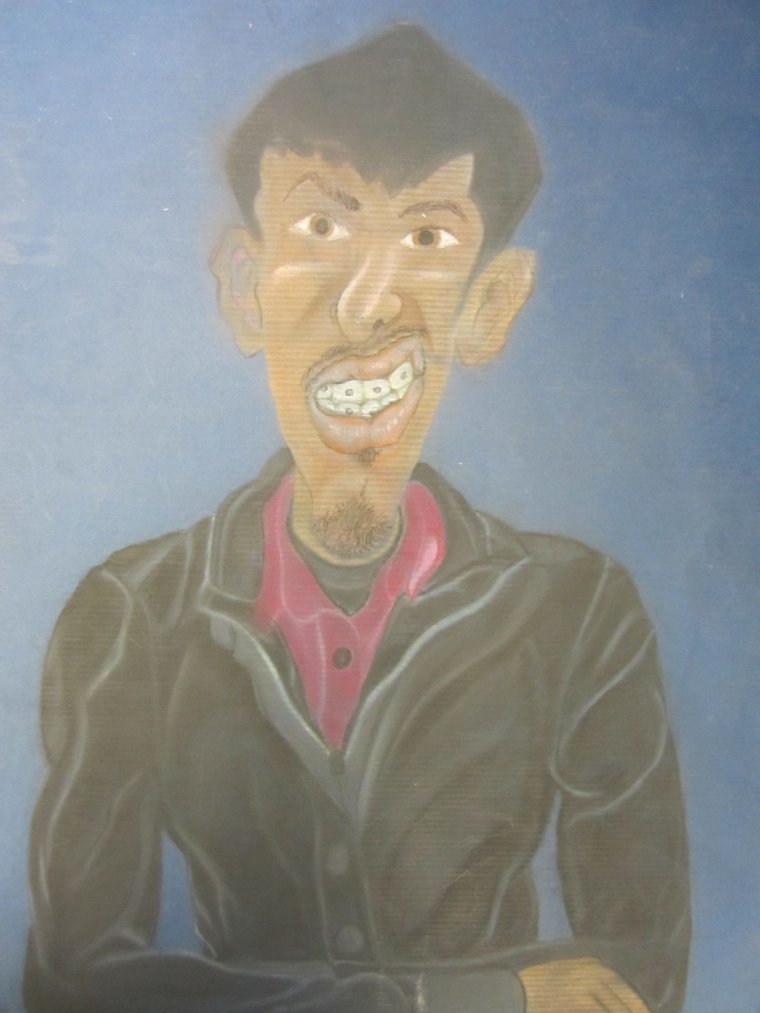 There is a great feeling of sadness in losing someone of his moral stature, particularly at such a young age. In our humanity we can’t quite comprehend why such a terrible thing would happen, even as we console ourselves in knowing that he had lived a glorious life while he was here. Somehow thinking about Edi Cruz reminded me of a poem by an unknown author that I once read.
 All It Takes Is A Little Love