Neglect

Photo by Harrison Haines on Pexels.com

Not long before we first heard about COVID 19, social distancing, masks, testing and all of the other phrases that have become part of our lexicon I attended an outdoor concert with one of my grandsons. During intermission we discussed various issues that were issues being bandied about in the lead up to the selection of candidates for the 2020 presidential race. It only took a few minutes to find that my grandson and I agreed on what the problems were but our ideas for solutions and how quickly we needed to address them were miles apart. He insisted on an urgency that I thought was unnecessary. I spoke of how our government is known for solving problems incrementally and I heartily supported that kind of slow and deliberate approach. My grandson insisted that we had ignored so many challenges for so long that we were running out of time. He predicted that our hesitancy would come back to bite us. I attempted to soothe his youthful anxieties to no avail. We ended our talk agreeing to disagree on how much time we have to seriously face the many dilemmas that threaten us. 

In retrospect it seems as though my grandson was a kind of prophet. I should have considered the fact that he has always been the calmest of my seven grandkids. He is in fact one of the least likely people that I know to cry wolf or make much ado about nothing. As I have watched event after event unfold in the ensuing year I clearly see his point that we have neglected far too many issues for far too long and now things appear to be collapsing around us. 

He noted that we had failed in decade after decade to address injustice, racism, equality. We sweep such matters under the rug and spout platitudes rather than admitting that we have much work to do if we are going to move past the kind of moments when a young Black man is murdered while jogging through a neighborhood. We all watched in horror as a man was begging for a breath for nine minutes for purportedly committing a somewhat minor crime. After his death at the hands of a police officer when frustrations filled the streets with people asking that we hear their concerns we once again were more disquieted by random acts of destruction. Many demanded a quick end to the protests and labeled the protestors as looters and criminals. We never really spoke of the root of the problems rather than the symptoms and found little agreement on much needed criminal justice reform. In general we just wanted the problem to go away. 

When we surged into the lead in deaths from COVID 19 we argued over petty things like wearing masks or quarantines rather than working together as a united community to end the spread of disease. While our counterparts in other parts of the world agreed to sometimes draconian measures of preventions we often ignored science and spent more time haggling over our freedoms.

For decades we have known that we have an immigration problem that demands a comprehensive overhaul but we spend more time arguing than proposing and accepting reforms. The challenges grow and grow and grow and we allow our leaders to do nothing beyond either locking the door to immigrants or opening it wide. The longer we wait to get serious the more difficult it will be to find reasonable solutions that will finally make a real difference.

In the last many months weather induced crises affected virtually every part of the United States. Each year it feels as though wildfires are more frequent and devastating. Parts of the west are so dry that it takes very little to create a disaster. All along the Atlantic and Gulf coasts hurricane season is becoming more and more brutal. Land that is being overtaken by the oceans. Tornadoes, wind storms, blizzards, freezing events are happening in places that have never seen such things. We repair what is broken by climate events but we seem unwilling to change our ways to help prevent total chaos in the future. 

Mass shootings have become a way of life in the United States. They are nothing knew but there are more and more of them. Surely we can accept that the proliferation of guns in the hands of so many people is not providing us protections as much as making it more likely that someone with an evil or sick mind will harm us. How many guns do we actually need? What kind of guns are literally overkill? How can we stop the madness before we are shooting at one another? Limiting the number and type of guns should not be anathema anymore than wearing a mask to prevent the spread of disease should be and yet there are those who literally threatened civil war if anyone dares to inject sanity into our gun laws. 

Our problems are mounting in education, mental health, voting rights, the economy. The task is daunting but if we lay down our preconceived notions and anger we should be able to work together to find doable answers for all of these issues and more. Our biggest problem right now is our unwillingness to do anything at all.

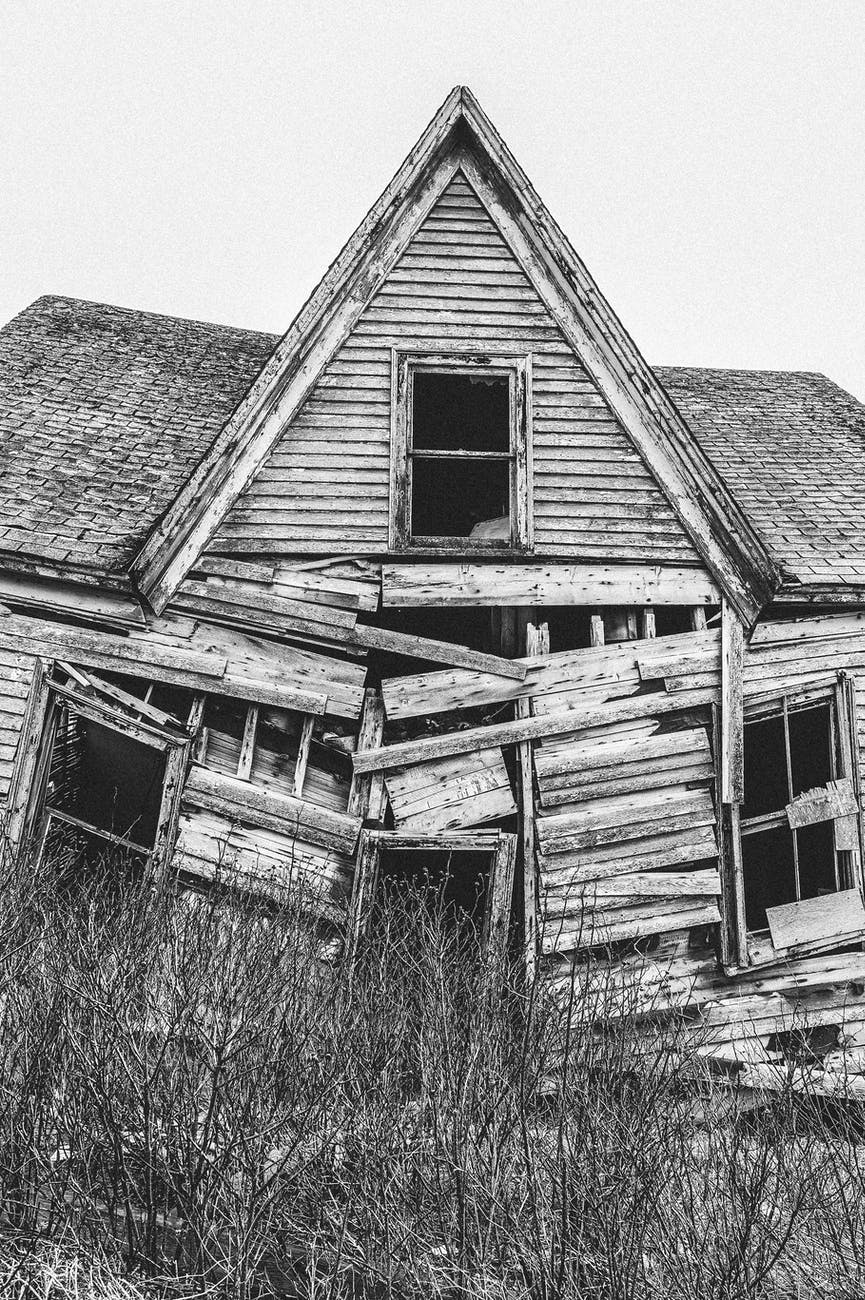
We have become like an old house or car that has been neglected for so long that we are falling apart all at once. Our proverbial roof is leaking. We are falling through rot in the floor. The glass in the window is broken. The pipes for the plumbing have collapsed. Everything needs a repair if we are to escape a total collapse. 

Our foundation is still good but even that was threatened on January 6, and half of the population seems to think that the assault on the Capitol was no big deal. In truth it is all a big deal. My grandson is correct. We need to prioritize issues one by one and enact reforms before it is too late. We have to stop wishing away our problems and thinking that if we wait just a bit longer all of the difficulties will go away. We can no more afford to do that than the owner of a car can keep driving on a flat tire. We are where we are not because one group wants to change the very face of our nation, but because we have failed for too long to maintain the infrastructures of our nation. it’s time to roll up our sleeves and get busy or the tragedies will only become more frequent and worse. What are we waiting for?

Words Can Hurt More Than Sticks and Stones

Photo by Julia Volk on Pexels.com

Sticks and stones can break my bones but words can never hurt me.

Never might a saying be so untrue. Physical wounds often heal but words have the power of being so damaging that their impact lasts forever. What we say and the imagery that we use to illustrate those thoughts affects minds and worlds. The power of propaganda and its subsets of racism, sexism and religious intolerance lie in the repetition of phrases and ideas in ways that distort thinking sometimes in subtle almost unnoticeable ways and other times with overtly ugly descriptors. Words have led to the destruction of individuals and entire groups and societies. Often those wielding the hammer of political clout do so with lies and fear and brainwashing in the name of freedom, using words that turn people against their fellow humans for egregious reasons. Sometimes hurtful words or representations are almost hidden in the unlikeliest of places. 

I grew up in the south in the middle of the twentieth century when pejoratives aimed at black people were commonplace, slipping off of the tongue with an ease that was far too prevalent. It assumed a kind of ranking of people based only on the color of their skin, not the content of their character. Words were regularly used to relegate black Americans to a lesser status than whites. It was wrong and hurtful and like a toxic poison being injected into the minds of the citizenry by racist powerbroker swho spewed venom with their lips like snakes. 

My seventh year of life was marked by a kind of awakening to reality which occurred in rapid succession. I knew of the segregation of people in my home town and listened to my father and grandfather discuss the ongoing battles for basic civil rights that were unfolding on buses, at lunch counters and in schools. Later that same summer I witnessed black families riding on trains with the rest of us while we visited Chicago. I noticed black people eating in the same restaurants where we dined without restrictions. I wondered why there were such differences from one place to another. Suddenly the segregation of the south seemed so very wrong to seven year old me and I cringed at the memories of things I had heard white people say about blacks.

When we traveled further north to Wisconsin I saw signs that seemed familiar but with a twist that I had never before known. Stores posted warnings insisting, “No Indians or dogs allowed!” I wondered how it was possible for one group of people to deny the rights of another based solely on birth. I remembered how my own mother had spoken of being the child of immigrants and enduring the touts and insults of other children in her neighborhood who called her and her siblings “dirty dumb Polacks.” 

Even though my mama always insisted that hearing the ugly words tossed at her had only made her strong, I somehow sensed even as a child that they had hurt her deeply. Those darts had been intended to scar her and they had succeeded even though she had done her best to simply ignore them. She fought for her entire life to prove that she was as good as anyone else. 

Not long after the family vacation that had enlightened me to the ugliness of words and the real stench of racism we moved to San Jose, California. I don’t think I knew a single Asian person before that time but I would soon see many of them in stores and even in my school. I heard a playground chant for the very first time that had a kind of lilting innocence and humor that I would come to realize was yet another way of denigrating people with a few carefully chosen words. It went something like this, “Ching Ching Chinaman sitting on a fence trying to make a dollar out of fifteen cents.” 

When my father explained its meaning I was shocked to learn that yet another group of people were having to endure the harshness of words intended to hurt them. My childlike mind simply could not and did not understand why there was so much unkindness in a world that had been so gentle to me. When I begged my parents for an explanation they told me it was just the way things were, a reality that even then I found impossible to accept. 

These days there are efforts to confuse us when words are used to demean an individual or group. Defenders of hate speech speak of our freedom to speak as we wish that is guaranteed in our First Amendment. Certainly our laws do not imprison or fine someone for being either openly or overtly hurtful but recent egregious rhetoric has been more often defended rather than condemned, especially when it comes from the mouths of those with the most influence and power. While I too am wary of policing speech, I do believe that it is incumbent upon all of us to call out the most horrific instances of words meant to insult and degrade any person or group. Blindly ignoring such utterances or even worse finding some misguided joy in them is becoming all too common and in the process violence toward certain people is escalating.

When we characterize every person attempting to draw attention to the questionable deaths of black citizens at the hands of law enforcement as looters, rioters and unpatriotic trouble makers our words muddy the discussion and ignore the realities of injustice that continue to plague blacks in America today. If our president jokes about the virus that has taken lives day after day for a full year by calling it the China flu or the kung flu he leads many to somehow believe that our Asian population is responsible for the suffering and losses that we have endured. When we are continually warned that immigrants crossing our southern borders are dangerous criminals, rapists, illegals we begin to classify them as somehow less than the rest of us who are only here by accident of our births. When we cling to slanderous labels for those whose sexual orientation is different from ours we dehumanize them and make their life choices seem somehow dirty. When we allow anyone to degrade or debase another human with words without calling them out our silence makes us complicit in the violence that too often follows such pronouncements. 

We cannot take away someone’s right to say something ugly and hurtful but we certainly should be willing to note the wrongness of their utterances. We have the right to refuse to give such people support or adulation or excuses. Sadly in today’s world we have far too many who are willing to look the other way just to satisfy their own comfortable existences. We don’t seem to want to rock the boat but history has demonstrated that supporting those who would “kill” with their words only leads to greater and greater problems. It’s time that we insist that racist, sexist, or any other kind of hurtful speech be instantly condemned for the harm it inflicts. Looking away should never be an option.

Catharsis

Photo by Karolina Grabowska on Pexels.com

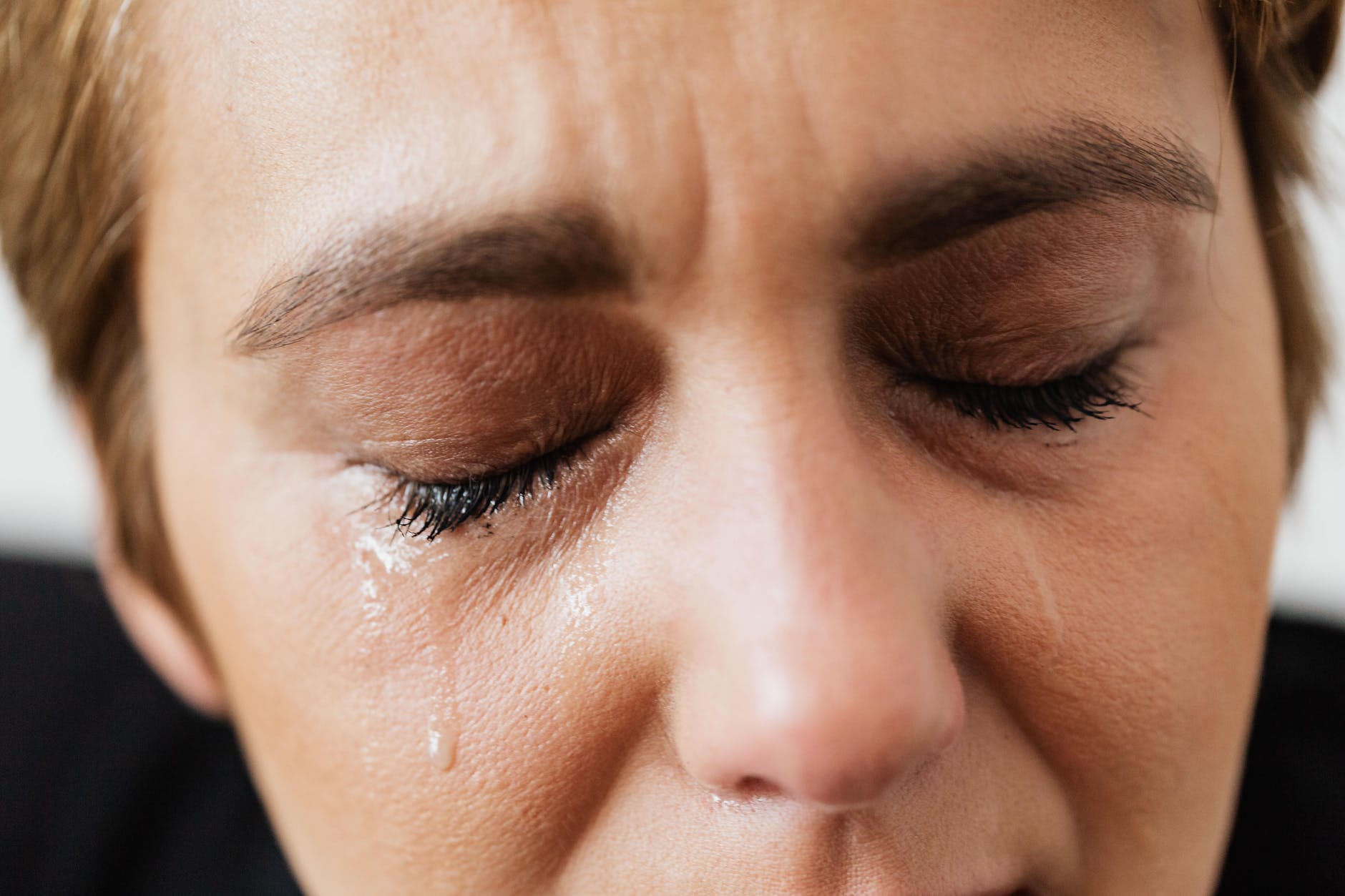
In ancient Greece (which was not yet known as Greece) the Athenian government provided patronage to the theater using taxes to pay writers, actors and directors. The leaders encouraged citizens to attend plays, particularly tragedies. The thinking was that such productions were cathartic, a means of forcing emotions and even tears to the surface. The beliefs was that in becoming engrossed in tragic stories and reacting to them the members of the audience eliminated some of the toxins that were lurking in their bodies making them sick. Crying was viewed as a healthy reaction and a release of the poisonous effects of life’s everyday stresses. 

All across the globe this has been a most difficult year. We feel a sense of loss and grief. In our country alone over half a million people have died from COVID 19 and the toll continues from week to week. Even if we do not personally know someone who is part of this horrific statistic we feel the sorrow of those who have said goodbye to loved ones in the most unexpected of ways. Death is never easy to endure. It scars our hearts and reminds us of our own vulnerabilities. In this year it somehow seems more horrific than ever.

People we know have been sick. Many have lost their jobs and have searched for months unsuccessfully for new work. We hear of individuals and families who are living on an economic edge, frightened of being evicted, having to depend on the kindness of friends or family or strangers. In the midst of our global pandemic we have witnessed political unrest and upheaval, a time of almost unparalleled historical division unless we look to civil wars. Friends and family members are still becoming ill with things other than COVID and some of them are dying as well. Our rituals and traditions have temporarily become shells of themselves as we cope with isolation from one another. So little feels normal or natural. The very gatherings that so often brought us respite from the trials of daily life are not available. 

Grief, loss, sorrow have created a spate of violence. Suicides are on the rise. We are struggling to cope with emotions that are making us sick but instead of acknowledging them we are more likely to attempt to be stoic and optimistic, to ignore the reality of our feelings. Psychologists tells us that we might be better served to take a bit of advice from the Athenians and allow ourselves to release the poisons of our minds in a cathartic rush of tears. Instead of running away from how we are feeling we should instead embrace the reality of our genuine fears and anger and sorrow. Facing the tragedy of the moment and expelling our pent up reactions to this year of living so unnaturally is good for our souls, a panacea for our sorrow. 

Optimism is a good thing but it does not have to deny reality nor be devoid of moments when we allow ourselves to cry. We are bound to feel weary, hurt, overwhelmed because we are human. Running away from our feelings in an effort to remain continually happy is a fruitless and destructive effort. Facing our emotions, freeing them from our bodies, giving ourselves time to heal and then moving forward is a more potent form of optimism. 

It is important that we be aware both of our own grief and that of those around us. So often we become anxious around sorrow or depression and try to talk people out of their emotions rather than simply supporting them as they struggle to return to a state of happiness. Whether someone is venting anger or disappointment or defeat we should be willing to provide understanding hearts. We would not look away from someone bleeding on the street but so often we ignore emotional cries for help. We tell the one who is hurting to get a grip or to pray to God when their state of mind is far too muddled to find an easy way out of darkness. When we deny depression or anxiety as a weakness rather than a medical condition we denigrate the reality of human struggle. 

It is tempting to look at someone whose life appears to be perfection and believe that all is well. We may even envy that person, but experience has shown us that even a highly successful and hilariously funny person like Robin Williams may be slowly dying from a depression so dark that it eats away at the soul. We may turn away from an angry individual who seems to have little pity for anyone else. We may think of this person as selfish and uncaring when he or she may in fact be hurting intensely. The cause of ugly effects is often derived from deep seated abuse, absence of love, and longing for acceptance. 

This year has not just been a medical nightmare but also an emotional horror. It should be okay for any of us to admit to the sorrows we are feeling. Tears should be viewed as a good way to release our toxins. We are complex beings who bring a lifetime of experiences and beliefs to this crisis. The vast majority of us want nothing more than to stop the pain that seems so rampant. Our way forward is to be found in kindness, empathy, honesty, acceptance of our differences and our truths. Our individual fears are very real and should never become the butt of ridicule or disdain. 

This can become a year of hopefulness as long as we understand that our shared and individual problems will not miraculously go away. It is in how we choose to handle them together that we will find the comfort and security that we seek. It is in embracing one another and shedding our collective tears that we will find the light of happiness for which we long. We have a great deal of work to do if we are to reach that point. We might begin by facing our own grief and then turning to those around us.

The Many Meanings of Words

Photo by Polina Zimmerman on Pexels.com

I spent my college years analyzing words, what they mean in different contexts, how stringing them together creates new meanings. I studied literature from different languages and cultures and learned that a simple concept like snow might have hundreds of different descriptors. I literally decomposed sentences breaking them down into their most basic parts. I demonstrated that linguistically the same language may sound very different and still be valid and bound by rules. Words are powerful but so often the meaning that we intend them to have is lost in translations colored by perceptions and experiences. We find ourselves proclaiming like J. Alfred Prufrock, “That is not what I meant at all!”

Authors often laugh at the misinterpretations of their writing. As humans we sometimes associate meanings and feelings to both the written and spoken words that are more likely to represent ourselves than the person who first uttered the phrases on paper or in person. Our understanding of what we think we see or hear can vary widely from the same set of words. We bring a lifetime of personal observations to every conversation or reading and overlay our own thinking on the thoughts of others. 

I often think back to a Shakespeare class that I took while studying at the university. We were having a lively discussion of Romeo and Juliet that twisted and turned as different students revealed their interpretations of what they believed the story was really meant to convey. The theories were so wild that I wondered if I had actually read the same play as some of my peers. The differing viewpoints made me realize how many layers of significance the same words may convey. 

I find that we are more and more at odds with one another as the opportunities for communication grow. The confined spaces of a tweet or a Facebook or Instagram post force us to explain our thinking in minimalist fashion. We leave out so much of what is actually on our minds that those reading our comments are in a sense forced to interpret what we are actually attempting to say. They respond according to their own worldview and often send the discussion in a direction that was never intended and making false assumptions about the person who originated the statement. Sides are taken in arguments that should never have happened. Friendships are tarnished. We try to explain and with each word seem to be digging deeper and deeper holes. It is as though we are in some nightmare version of the Tower of Babel where everyone is talking but nobody understands what is being said. 

So many people feel silenced these days. They are reluctant to say anything lest their commentaries be grossly misinterpreted. Even the most innocent sounding sentences can lead to angry retorts and so we drawn back inside ourselves and only speak to those whom we most trust, the people who have been loyal to us over the years. Sometimes a single expression of frustration can even tip the scales of friendships that we thought to be solid. Our attempts to mend the confusion and set things straight are not enough to take away hurts that were never intended. Words can purposely kill but they can also do so without intent. 

One of the best pieces of advice I have ever heard is to react to what we hear and read by assuming the best. When words appear to be angry or hurtful or insulting first find out exactly what the person was trying to say. Learn about the context that prompted an individual to say something that seems egregious. Instead of arguing or debating attempt to discern what is behind a person’s words. Clarify misunderstandings rather than making assumptions. Read and listen critically rather than combatively. 

I write every single day and then I make my words public. I have touched people’s hearts and with the very same words made some so angry with me that they have severed our relationships. I try to be honest and open and to admit that neither I nor anyone else has all the answers to life’s challenges. I simply observe that most of us are trying very hard to be good people, to do the right thing. Sometimes we falter. Sometimes our flaws overcome us. Sometimes we become so buried in our emotions that we are no longer able to see clearly. In those moments if we are fortunate those around us will be forgiving and understanding. They will overlook our weaknesses and seek to understand who we are and what we are trying to say rather than turning their backs on us in anger if we sound rude or hateful. They will assume the best just as we all should attempt to do. 

Each time I post a blog I know that someone will see something in my words that I never even thought to imply. When I write a comment on Facebook I may unintentionally hurt someone. It is the way of words. Only when someone continually hurts with words can we deduce that they meant to do so. Only when someone constantly lies can we assume that they are not worthy of our trust. In most cases if someone’s words surprise us it is because we have misunderstood what they were attempting to convey. In those times our goal should be to set the record straight by learning the truth of the situation. We can do that as long as we understand the complexity of words and how easy it is to misconstrue them. 

Body Art

Photo by Rodolfo Clix on Pexels.com

I did not have my ears pierced until I was in my forties. I have an aversion to needles and I remembered watching brave souls getting piercings at slumber parties in a ritual that appeared brutal to me. The process involved numbing the lobe with ice and then sterilizing a needle over the flame of a gas stove. With a wine cork to steady the maneuver the needle pierced the skin of the ear lobe and pulled through a loop of thread that was tied into a circle. The brave soul willing to risk such a process would then move the string back and forth during the healing process to keep the hole open while also applying alcohol to both sanitize and dry the wound. 

Needless to say I was a willing witness to such torture but there was no way that I was going to become the victim of the barbarism that it appeared to be. Later I watched our family doctor pierce the ears of patients in a much more sterile manner. Even then I found the process too unappealing to risk. It was only when someone had invented a kind of staple gun for the ears that created a perfect hole into which a gold post was placed that I found the courage to prepare my ears for freedom from the old school earrings that always pinched my lobes. It proved to be easy and pain free and a wonderful decision that I probably would never have made without the urgings of my friend, Pat.

That is the extent of my willingness to create a permanent hole in my body. When I see men and women with multiple piercings on their ears, their lips, their tongues, their noses, their navels, and some very sensitive areas my needle phobia causes me to become rather dizzy. In truth I also find many of those choices to be unattractive, especially the ones on facial features. Of course being a rather open minded person I feel that deciding whether or not to do such things is a matter of personal taste. I just get a bit weirded out when they become excessive and I wonder what leads to a kind of addiction to creating holes to sport so much body jewelry. 

I have never had a tattoo. I once asked someone who had endured the steps of getting that form of body art if it involved any pain. She admitted that it hurt a bit and that was enough for me to vow that I would never engage in such a process. If I ever did garner the courage I would be rather circumspect. Mine would be some tiny image on my ankle or the inside of my wrist. It would have to be something very meaningful and personal but never a name or anything large enough to see from a distance. 

I can’t imagine getting a tattoo on my face. I see beautiful young people whose countenances are covered with ink and again I wonder what has driven them to hide under all of the images. It’s something I do not understand when I see someone whose entire body is like a walking canvas. I suppose that it might be considered beautiful by some but I see it as a kind of self destructive behavior like drinking too much, or taking drugs, or spending money recklessly. The compulsion to to anything in excess never quite squares with me. 

I once had a conference with a parent who had only recently been freed from prison. He was a nice man who was genuinely concerned about his son. He was remorseful for the crimes he had committed and the difficulties that his actions had created for his family. He wanted to be a better person and show his son how to live well. I sat in front of this contrite soul looking into a face dotted with tattooed tears. His arms were covered with tattooed expletives and gang symbols. He spoke of the regrets he had and I wondered if emblazoning his body with designs from a lifestyle he was hoping to leave was one of the things that he wished he had not done. I guessed that they made his reentry into society more difficult. 

As this man was leaving the conference we saw his son with a group of boys whose reputations were far from sterling. The father spoke to the group commanding them all to behave, work hard, study, do the right thing and be respectful to me. While I appreciated his advice I had no idea how much it would change those students. They became like choir boys in my class and began excelling academically and behaviorally. When I thanked one of them for the extraordinary change he explained that the tattooed tears on the father’s face had told them all he needed to know. “He killed or hurt people, Miss,” the boy explained. “Those tattoos showed us how many people he had put down when they messed with him. We have to be good or he will come after us.”

I never knew whether or not my once recalcitrant students were correct in their assessment of the situation but it lead me to a better understanding of the messages that our choices sometimes present. I have never been flamboyant and like to melt into a crowd so I keep my body decorating simple. I see how we present ourselves as a kind of art and in that regard we each prefer different styles. I’m fine with the two little holes in my ears. More power to anyone who wants more but lots of body art is not my thing.