The Bare Minimum

Photo by cottonbro on Pexels.com

I have a reputation for being rather fastidious when it comes to the state of my home. I do like the idea of every object having its own place but there is more because of my attention deficit disorder than an obsession with cleanliness. If I cannot find something that I typically use my brain goes haywire so I literally have practices of storing my shoes in a certain part of my closet and keeping items organized exactly the same way all of the time. I adhere to these rituals to keep from coming unglued. I cannot survive in a chaotic mess because my brain literally goes bananas in such an environment. 

I also have a fetish for clean bathrooms and countertops. My senses cannot bear foul smells or sticky surfaces. I purchase disinfecting cleaners by the gallon. I will ignore a weeks long thick layer of dust but I wipe down the surfaces of my kitchen and bathrooms constantly. I alone boost the stock of Lysol as I chase down odors and fight to keep my home smelling clean and fresh. 

I’m also a bed maker mostly because I prefer preparing for sleep on smoothed out sheets. I don’t like crawling into a rumpled mess and having to pull and tug to get my share of the blankets. Instead I want to feel the luxury of plumped up pillows and inviting linens. I religiously make my bed each morning in preparation of falling into it at night. It just feels better to me than trying to straighten things out when I am weary and ready to slumber. 

I rarely wear shoes when I am inside my home and so I also enjoy a clean floor. I don’t want my soles sticking to the ground or gathering dirt. I sweep and mop frequently to have a sense that I can enjoy my home naturally, organically without worrying about what might be fouling my feet. So I keep my floors almost as clean as my countertops.

Beyond that I am mostly unconcerned about housekeeping. I have a junk drawer filled with items that I rarely use that could use a bit of organizing but I can’t seem to muster enough interest to do so. There is a closet under my stairs that is a catchall for odd objects that I might need once in a blue moon. We call it the velociraptor closet because there is no telling what may attack upon entry. It’s a great place to throw things if surprise guests announce that they are coming in a few minutes. Once something gets placed in there it may languish for years without notice until it becomes impossible to cram in one more thing and a bit of organizing is required.

My windows and blinds could certainly use more good cleanings but I am the original “I don’t do windows” woman. It’s a task my mother gave me when I was young and I detest it to this very day. About once a year I take the time to wipe down every inch of glass and dust each slat of the wooden blinds but the rest of the time I ignore the build up and dream of getting shades like my niece that clean quickly with a big swipe, or even better hiring a maid to come do the work that I abhor. 

I once tutored a young woman in her lovely home. She came from a very successful family. Both her mother and father spent long hours at work and did well enough in their chosen professions that they were able to hire people to do the tasks that my husband and I have always done. They had a housekeeper who came every single day. She engaged in a routine series of tasks that she repeated over and over again to keep the home in pristine condition. She told me that she dusted furniture and vacuumed floors every single day. She tidied bathrooms and the kitchen on a regular basis as well. Then she rotated the jobs of cleaning windows and blinds and washing clothes and linens. She loved her work and spoke of how generous her employers were but admitted that she was rather lax about keeping her own home in order. 

I remember the full time housewives of old who followed regular routines of cleanliness because they thought of keeping homes tidy as their jobs. Most of the houses I entered were kept in order by the mothers who balanced hundreds of tasks with caring for their children. Some were so fastidious that they even ironed the sheets that went on the beds. They repeated a weekly, monthly, seasonal and yearly menu of housekeeping duties that made their homes orderly and attractive. My mother was among them and as I grew older she assigned many of the jobs to me. I learned the art of cleaning a toilet properly at a very young age and I did it right lest I fail an inspection by my mom.

There came a time when my mother relaxed her routines to the point of being messy. She no longer minded having objects scattered on tables or the floor. Her sink was often filled with dishes waiting to be washed. She ignored thick layers of dust on her tables. She chose instead to read her books or get in her car on a sunny day and drive to see the ocean. Her priorities had changed and she felt perfectly comfortable in the chaos because things no longer mattered to her. 

I suppose that I will never be able to operate without some order and design in my home but I do smile when I go to a home that shows definite signs of people actually living there. I enjoy those whose priorities seem to be in the right place, people who are more concerned with enjoying life than spending hours repeating the same tasks over and over again. Still, I have my own bare minimum of needs when it comes to cleanliness in my home and I’ve learned how to get those things done without allowing the work to overtake my life. My bed will be made. My counters and floors will not be sticky and my toilet will still pass inspection. Just don’t look inside my closets or those extra rooms. You may be in for a shock.
But For Happenstance

Photo by Pixabay on Pexels.com

I once worked for a fantastic principal who created innovative and supportive programs for his students and faculty. He often defended teachers from crazy parents, taking their abuse so that the educators endure them. He never looked for praise or credit for the things he did. His low key humility often backfired on him. Others took credit for his hard work. People wondered what he was actually doing and I once told him that he needed to learn how to toot his own horn. It was a mode that he was never able to master because his rationale for everything that he did was to be a champion for whatever his school needed, not to bring glory to himself. I applaud and admire him for being so modest but I sometimes feel angry that lesser persons than he is garner adulation.

I despise snobbish, braggarts. I find myself recoiling from anyone who feels the need to demonstrate superiority over others. I can’t stand people who take the air out a room with their pretentiousness. I suppose that my feelings come from my mother who continually reminded me that each of us is talented and capable of greatness. Sometimes the only difference between someone who is highly successful and someone who seems ordinary is money and influence. She pointed out that being born into a family that provides one with access to an Ivy League education and powerful people does not make one more valuable than others, just lucky. 

My mother was a big fan of Queen Elizabeth. She admired her as a wonderful woman and often commented that she would have enjoyed having tea with her Majesty. Nonetheless, Mama insisted that she would never have been willing to bow or curtsey to the monarch because she saw herself as the Queen’s equal in every way other than the differences in their births. My mom was the daughter of a poor laborer. The Queen was destined to be the head of state in the British Commonwealth as the daughter of a king. My mother felt that such privilege did not give royalty the right to feel better than their lowliest fellow citizen. 

My mother always told me to hold my head up high and never be cowed by anyone because nobody’s worth should be any better or worse than mine. She felt as comfortable talking one on one with a doctor as with someone who cleaned offices. In fact, her own father had mopped up the blood and muck in a meat packing plant but his glory in her mind lay in his willingness to work hard for his family. She told me how he wore a suit to his job each day and changed into coveralls to do the dirty work of his employment. Mama said that his occupation did not define his status because he was so much more than the seemingly menial job that he did. In fact, she insisted that he was as essential to the running of the world as the king had been.

For that reason, like my boss, I eschew snobbery or boastfulness as much as possible but I do have some prideful times. I know that I have a facility with mathematics that not everyone enjoys. Solving problems does not come as naturally to me as it does to my brother but I tend to learn quickly and even when something is challenging I only have to exert a bit of extra effort to figure things out. I feel good knowing that I have that talent but it is not something about which I choose to gloat. Instead I have spent most of my life attempting to unravel the mysteries of mathematics for others. I have learned that everyone is capable of becoming astute at calculations. It just takes some longer than others to gain the confidence and skills that they need. I can be grateful that I am able to learn mathematics fairly easily but I do not need to be overly proud of that gift. 

I find that many of the problems that we face in life come from snobbery of one sort or another. There are those who live behind fences in grand style with riches beyond anything most of us have the power to imagine. They certainly have a right to feel secure and to select with whom they have interactions but there is no reason for them to consider themselves to be above the rest of us. 

My daughter once worked for a wealthy family that lived in the most sought after neighborhood in Houston. She was one of the family’s personal accountants. She kept track of expenses and payments for their travels, clothing and personal lifestyles. Part of her job required her to go to the house to deliver or pick up bills, receipts and to provide updates. My daughter had degrees in Finance and Accounting from prestigious universities for which she had worked very hard and yet whenever she arrived at the house she was instructed to go through the garage to knock at the servants’ entrance where she made exchanges without ever once being invited inside the home. The lady of the manor had never gone to college nor held a job. She had come from a low income family but her husband had taken an idea and built it into a successful empire. Forgetting from whence she had come she often yelled at my daughter and treated her as though she was inferior and undeserving of respect. That is the kind of snobbery that I hope I never emulate.  

I was taught to treat the man who mows my lawn with as much dignity as I would accord to Bill Gates. In fact, I have learned first hand that Bill Gates would probably agree with me. The one time that I met him in a small and personal group he was gracious and willing to hear what my students and I had to say about education. He took notes and fielded questions that demonstrated that he was seriously pondering our comments. 

I hope that I never come across as a snob. I boast about my grandchildren and speak of the joy I get from reading and taking classes and writing. I pray that nobody mistakes my joy for an assertion of superiority. We each have much to offer in the world, even the soul whose life is wretched. But for happenstance I might be the Queen of England or a woman struggling to escape the ravages of war in Syria. We are not so different from one another after all and it is often only the accident of birth that stratifies us as rich or poor, a success or a failure, a citizen of a wealthy democracy or a victim of authoritarian exploitation.

Repairing Generational Gaps

Photo by Robert Stokoe on Pexels.com

Most of the people from my parents’ generation have already left this earth. Both of my parents have died and out of dozens of aunts and uncle only one remains and she will be 103 next month. They were the men and women who were children during the Great Depression and teens and twenty somethings during World War II. Then they settled down in the nineteen fifties and enjoyed the fruits of the economic boom with good jobs mostly for the men and new inventions like televisions. The majority of the women were stay at home moms although a few broke barriers in universities and at work. They often had lots of children without benefit of birth control and lived what one might call rather traditional lives. They tended to be a kind hard working lot that famously earned the designation of “The Greatest Generation” and they were indeed good people, but like any group not without flaws. 

Most of my elders smoked heavily for years until the effects of this bad habit were finally openly publicized and their hearts and lungs were already severely damaged. They tended to just accept horrific practices like segregation even when they were not racist at heart. I heard most of the racist pejoratives that we abhor from my elders and cringed at them even as a child. I listened to women asserting that they had to ask their husbands how they should vote and lamenting the fact that they often had to defer to men in determining their lifestyles. They were nice, compassionate, hard working and patriotic people who just wanted to live quiet lives without upsetting the status quo. Perhaps living through challenging times as children and enduring war as young adults was as much tumult as they wanted to experience and so they did not seem to want to question things. They went to work, cared for their families and homes and saved money by living rather simply even though they might have enjoyed more luxuries. 

Then along game my group, the Baby Boomers, one of the largest conglomeration of souls to overtake the world in all of history. We grew up in a different kind of time dominated by television programs and news that featured vivid images of happenings in the world. We were the Sputnik kids whose educations were accelerated by a race to space between the United States and the Soviet Union. We rolled into balls under our desks on Fridays when the duck and cover drills were part of our routine preparation for potential nuclear war. We watched the stirrings of demands for justice and civil rights grow ever more demanding until some of us were defying our parents’ wishes and marching alongside Black citizens that we had never really known because we had been hidden from each other. We became vocal about segregated water fountains, bathrooms and lunch counters. We questioned our parents and wondered how they could have been so silent about so many egregious things. They in turn wondered where we had learned to be so bold.

When the older generation got us entangled in a civil war in Vietnam we became the pawns of a conflict that would change our lives and divide our ranks forever. Some of us thought that patriotism meant fighting willingly in a an endeavor to promote democracy and others thought that patriotism meant fighting to save our peers from senseless injury and death in what appeared to be a doomed endeavor. We would never be quite the same after our years as young adults when some of us rebelled and some followed the example of our parents by faithfully doing as they were told. When the older generation bowed to pressure and signed voting rights and civil rights laws and withdrew from Vietnam we settled into our own adult lives much as our parents had once done only things were quite different. 

We had opened wounds that would scab over but never quite go away. We were almost evenly divided between conservatives and liberals who debated back and forth, slowly changing the world in which we lived. Women went to work in droves, if not breaking glass ceilings as least asserting their independence in lifestyle and thought. Birth control made family planning an acceptable idea. We became more mobile and better educated. We watched our neighbors become more diverse. We lost the pensions and union safety that had protected our parents and turned to 401ks and investments. Technology brought unimaginable wonders into our lives. It became commonplace for ordinary souls to travel on planes to places all over the world. 

It seemed to be a good life but there were still rumblings of despair that we often ignored much as our parents had done. We had not faced the realities of injustice or racism or poverty or sexual identity. Many of our fellow citizens were no closer to lives of security and luxury than their parents or grandparents had been. While our world grew more diverse the treatment of those different from ourselves was not always fair. The world somehow seemed to grow smaller even as it grew more complex. Suddenly happenings in far away lands had as much impact on our daily lives as events just around the corner. We saw that much had changed and not always for the better while we were busy living in the day to day. 

We are enjoying longer and healthier lives than any other generation in history. We cling to our generational power longer than any other as well. Our children are hoping to take the reins of power and do their part in reshaping the world for the betterment of mankind but fear that their time will come and go as Baby Boomers in their seventies and eighties hang on tightly to influence. Much as we have done since the days of Vietnam we quibble with one another about what are the right things to do to leave our country in better condition than it was when we first took the power. We want to repair the generational gaps but get little or nothing done because of our intransigence. We don’t appear to have the good sense to retire and give our children and grandchildren a chance to try their hands at unraveling the gooey mess of history and politics that has confounded generations for all time. 

In truth we are far less different from one generation to another than we may believe. We want to set things right but we only have so much energy for revolution. Sooner or later we grow weary and just settle for less than we actually need to set things right. Maybe the respite is necessary for allowing ourselves to observe and think or maybe it is a sign that it is time for a newer generation to carve out the kind of world that they wish for the future. We have done our parts just as our parents and grandparents did. The cycle of life demands that we know when to let go, With or without our input the world will continue to evolve toward closer and closer approximations of a better way of living for all. 

Coupons and Green Stamps

Photo by Anete Lusina on Pexels.com

As a young girl my grandparents often told me about items that were commonplace during their youth that had become outdated. Both of them had travelled from one place to another in horse drawn buggies. They had no refrigeration or electricity in their childhood homes and they relieved themselves in outhouses where they often used old Sears Roebuck catalogs for toilet paper. They enjoyed telling me about the old days and I was often stunned by the stories they told. 

My mother had her own set of tales about growing up in a world quite different from mine. She spoke of listening to music and programs on the radio and reminisced about going downtown to see a movie with a dime that covered the cost of the trip on the bus and the admission fee for the film. Movies were of course all black and white at least until The Wizard of Oz and Gone With the Wind came along. As a teen Mama spent time working as a phone operator connecting people’s calls with cables that she had to insert into the correct holes to complete the process of communicating. It all sounded so quaint and it never occurred to me that I too would one day begin to recollect the things that I used as a child that had become all but extinct.  

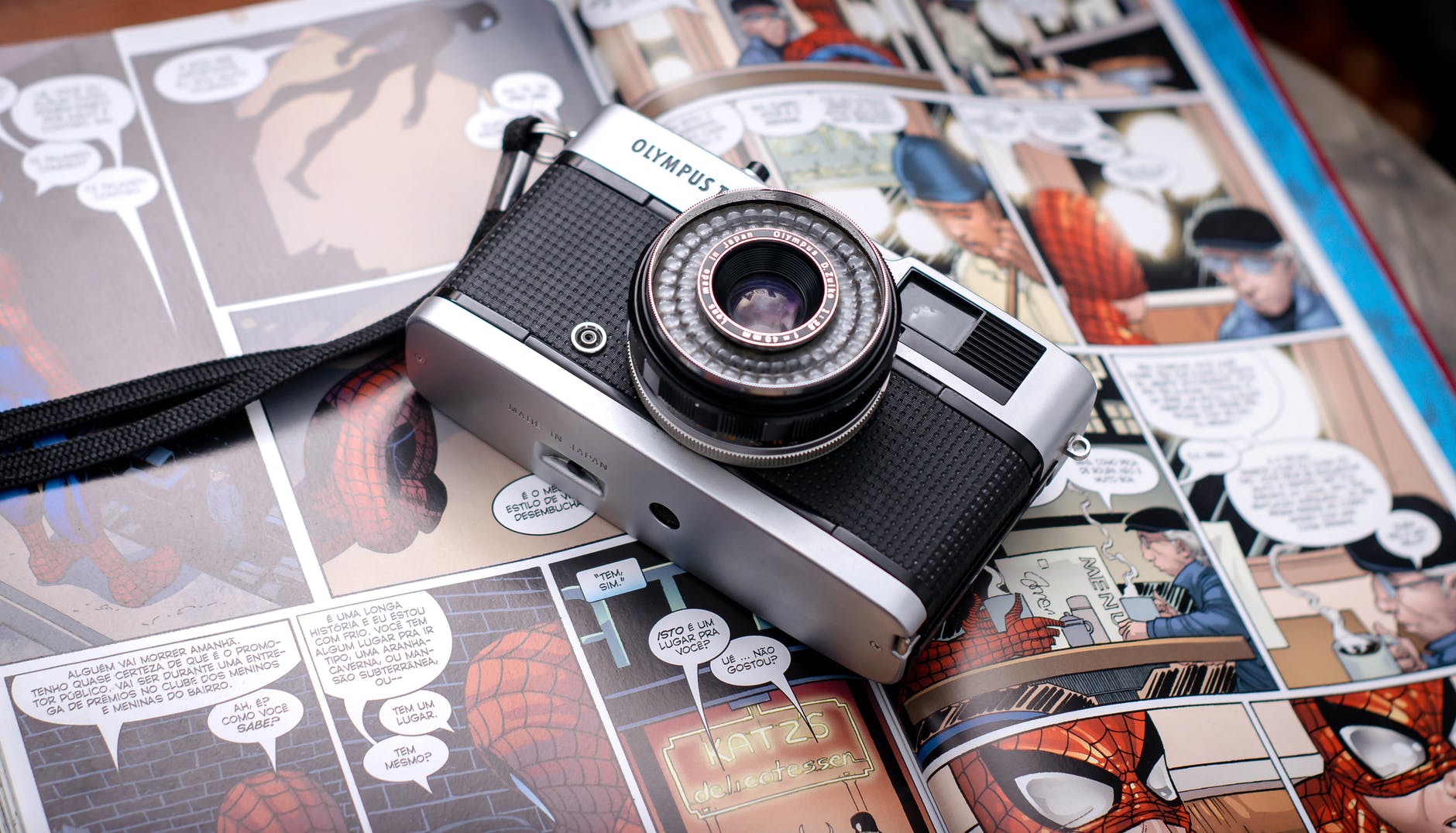
I remember the first time I was in an antique store and I found artifacts from my youth being sold as though they were relics from an ancient time. Suddenly I began to feel my age if not physically at least psychologically. Somehow the time that had passed seemed so short and yet when I did the math I realized that some of the things I saw had to be sixty or seventy years old. 

We have progressed rapidly over time. We used to clip coupons from magazines and newspapers but now such things are rare to find. They have been replaced by barcodes on smartphones. Typewriters are playthings for toddlers often found in the offices of pediatricians. Who would even want to use them with word processing software that instantly corrects mistakes and aligns papers with precision? Our phones today are capable of providing more information that the computers used to send a man to the moon back in the nineteen seventies. Few people still have their VCR tapes of movies and even the later DVDs seem almost useless with instant streaming capabilities, but I still have mine. The old Blockbuster type stores where we spent Friday and Saturday nights choosing entertainment have gone the way of dinosaurs. 

I remember getting green stamps at the grocery store and sitting at the kitchen table with my mother using a sponge to paste them into little books. When we had enough of them we would eagerly look through a catalog of prizes for which we might redeem them. Some stores gave us certificates that we saved to claim dishes or pots and pans. Even gas stations provided ways to earn points reimbursable for all sorts of items. 

There was a time when stores and most everything else were closed on Sundays. Television went off the air at midnight. The news programs lasted little more than an hour each day. Women and girls had to wear hats and gloves in church. Most families had only one car and few of the homes were air conditioned before the end of the nineteen sixties. We ate lots of fried foods but rarely went out to eat. Vacations were mostly road trips to visit relatives with food for the journey packed at home. 

I have honestly lost track of the acceleration of technology. I vividly remember my husband bringing home a computer called the TRS 80 that was outrageously expensive considering how little it was able to do. I sent my eldest daughter to a computer camp when she was in the seventh grade and she was one of the only girls there. My spouse often drove me a bit crazy by insisting that we get the latest and greatest gadgets even if it meant sacrificing in other ways. He believed that we were on the cusp of changing the world as we had known it and he was absolutely right. 

I still love to hold a real book in my hands and print materials for online coursework. I have to be able to highlight and put notes in margins. I can’t even imagine taking a test online. I need the physical security of paper and pencil. I want my teachers to see my work and be able to determine whether I understand something but just made a small error. I feel for students who have to learn from videos and demonstrate their knowledge by picking multiple choice answers before the time has elapsed and it’s too late to even try. There are some advances that just don’t work for me and I suspect that they are not particularly popular with most people either. 

I laugh now as I think of some of the things we enjoyed that make me sound so old now. I like the popcorn that we made from kernels in an iron skillet but microwave popcorn is not bad. I remember slaving over a sink full of dirty dishes and having to wash, rinse and then dry them. There was the process washing and rolling our hair until it air dried which sometimes meant sleeping with the bristles of the curlers boring little holes into our scalps. Even worse was having to hang clothes on lines in the backyard and then take them down so wrinkled that we had to devote at least one day a week to standing over an ironing board. We did not walk to school five miles uphill in the snow both ways, but we often played outside in our bare feet with the water hose as our only source of hydration and we thought nothing of riding in the back seat of our cars while standing up with no seat belts. Those rides in the open space of someone’s pickup truck were so hairy that even we somehow knew that they were not especially safe.

I now see adults the age of my daughters discussing things that they owned and did that have become a memory of another time. I am grateful for advances that I would not want to do without but there are other aspects of my childhood and teen years that were actually somewhat fun. I still have many items that people would be hard pressed to identify. Some belonged to my grandparents and parents and some belonged to me. Progress continues with or without us. I like to think that I am modern enough to keep up with the times. 

Words With Pictures

Photo by Wallace Chuck on Pexels.com

We  humans communicate in multiple ways. We think of words when we want to convey information or ideas but our creative instincts have always used many kinds of media to express our thoughts. The artistry with which we make ourselves heard is one of the most incredible aspects of our humanity. 

The Sistine Chapel and other works of art speak to us centuries after they were created. We do not need a translator to sense the message that such artistic expressions hope to send to the world. Visual art is a way of speaking that transcends language or even culture. We understand and marvel at the ingenuity of people who walked the earth thousands of years ago. We see that people have been compelled to tell their stories for all time.

Our bodies move in the rhythms of dance to demonstrate our feelings and to tell wordless stories. With music we are carried away into the imaginings of our minds. We tell tales with the simple expressions on our faces or the fluttering of our hands. Children do not have to be prompted to create. It is as natural to them as sleeping or eating. We only need what is all around us to begin a narration. 

Today’s young people are enjoying a kind of renaissance of graphic novels and texts. Many of the bestselling volumes resemble elaborate comic books with incredible artwork and complex stories. This trend is worrisome to those who wonder if the glory of the written word is coming to an end. I would argue that such books are simply different ways of manifesting ourselves and the genre are filled with treasures that will be cherished many years from now along with the classics of old. 

When I was a young girl my mother thought it was frivolous to spend money on comic books. I always laughed a bit because my father had several collections of comics from his favorite illustrators and humorists. He read the comic strips in the newspaper every single day, often putting one of us on his lap while he pointed to the characters and chuckled out loud. I grew to love reading such things. I understood that they were not necessarily great literature but they were fun and sometimes I even learned things from them that I had not known before. 

My grandmother kept a stack of comic books at her house for any grandchildren who came to visit. I thought she was so forward thinking to do so. I often wondered if she enjoyed looking at the drawings and figuring out what they meant because she was illiterate. I think comics were a kind of midway means of reading for her and often she purchased the ones that told the stories of actual classic literature. Since she was able to explain what she saw happening in the visuals I felt that she was receiving a certain level of education from them even if she was unable to translate or understand the words in the bubbles. 

Today’s graphic novels are far superior to even the best comics of the past. Some are quite brilliant like Maus which provides a stunning view of the Holocaust or Persepolis which details the coming of age of a young girl in Iran. The beauty of such books is that they are not only filled with beautiful language but they also provide dramatic witness to history and culture in ways that are often insufficient with only words. They spark the interest of reluctant readers and pull them into a world of art and thought that they might otherwise never enter. They have the power to deepen discussions and prompt additional research as the reader wants to learn more about the topics. They are more than a kind of entry way into reading like the comic books once were. They are high art and stunning literature in their own right.

I still enjoy The Far Side and the best of Mad Magazine. I find wisdom in Calvin and Hobbs and laugh at the gang in Peanuts. Graphic renderings of humor or even tragedy can be stunning in the right hands. To me art is art no matter the form, but I am still continually undone by a brilliant manipulation of words. I am in awe of a natural born poet like Amanda Gorham. When words are put together is a way that transcends the ordinary I am moved. The written word, the classics and the offerings of the new geniuses of wording are still my favorite mode of gathering information or hearing a story but I am also open to the modern arts of storytelling. Like Picassos of writing they take the process of communicating and put it back together in new and sometimes powerful forms. Moreover if the new ways actually encourage reading I am all for them. Whatever gets people turning pages rather than just sitting in front of screens is a worthy effort. 

All too often we get set in our ways and want everything to be exactly the way it was when we were young. My father found great joy in the new and different while also appreciating the best of human traditions. We do not want to simply stand still. It is important that we continue to explore and experiment even with the ways in which great stories and histories are told. We should always have an eye on the future while treasuring our favorite moments from the past. We learn both from the old and the new and progress into better ways of understanding and knowledge. An open mind leads to discovery and joy as words with pictures often do as well.