I Hear You And I Understand

Photo by Anna Shvets on Pexels.com

The world is certainly going through a dramatic phase of upheaval in seemingly every corner of the globe. Here in the USA we are in an election year which brings out the grumbling and hand wringing on an almost daily basis. It sometimes feels as though the level of complaining is at a fever pitch. When we humans are subjected to increased negativity we are prone to finding ourselves joining in with the cacophony of whining that is so prevalent. Everyone seems to have a beef about something. We are enduring an epidemic of dissatisfaction that is making us all uncomfortable and leading to breakups and skirmishes on personal and worldwide levels.

We’ve all encountered someone who can’t seem to find satisfaction with any aspect of life. They are sad sacks who are notorious for moaning about situations that seem unimportant. They argue with cashiers in stores, complain about the food in restaurants or the perceived lack of attentiveness by a waiter. They perennially see their glasses as half full and seem to believe that the universe is purposely set against them. It’s difficult to be around such individuals but if we stop to consider what is causing them to be constantly negative we usually find that they have endured larger traumas that have led them into cycles of chronic depression. The more they grinch, the less likely people are going to be willing to be around them and so they end up feeling victimized in a self fulfilling prophecy of being misunderstood. 

Upheavals in our lives affect each of us differently. Sometimes there are so many challenges that we are overwhelmed and the negativity that we present to the world is an effort to get someone’s attention and ultimately their help. Often we only want to be reassured that everything will ultimately be okay. Not everyone is rational enough to be a stoic who quietly bears burdens with the understanding that most tough situations eventually pass given enough time. Some people just need to get the poisons of fear and anger out of their systems. 

There are loving ways that each of us can deal with the chronic worrier or the person who finds fault rather than joy in every situation. Pushing them away or telling them to get over their agitation only reinforces their belief that nobody cares about feelings that are so real to them. Instead we might simply provide them with a safe place to express how they are actually feeling in the moment. When we do so we will generally find that they find solace just in knowing that someone is willing to hear what they have to say rather than immediately stifling their ability to explain themselves. 

If we actively listen to a person who is ranting about a situation we usually find that something far deeper than just a negative personality is driving their words and actions. Loneliness, fears and profound losses affect our outlooks on life. Abandonment or abuse as a child colors our ability to trust others to treat us fairly. Instances of prejudice or injustice make people wary of being mistreated. Our personal histories make each of us uniquely vulnerable. 

I will be the first to admit that I have shifted into an almost chronic state of worry in the past few years. I was indeed traumatized by the sudden and unexpected death of my father. My entire world changed in a heartbeat and since that moment I have always looked over my shoulder wondering when then next tragedy will consume me. I was an adult before I was able to feel confident that I am capable of overcoming challenges that seemed to come my way in waves. I was shocked once again when my mother became chronically afflicted with bipolar disorder. I felt personally beset upon when my husband nearly died in his mid-twenties. Life has been a rollercoaster for me but things always ultimately work out. Nonetheless, when I feel threatened with yet another test of my endurance my initial reaction is to come unglued. When that happens all I really need is someone who will take my anxieties seriously and simply love and encourage me until I regain my footing. Lectures on being tough only send me into more of a frenzy. 

I suspect that most people are like me. We all face problems and sometimes even feel as though ours are more difficult that those of others. We react or overreact and a good person will allow us to wallow in self pity for a moment. Often just knowing that someone understands our feelings is the only thing we need to toughen up again. The angels who love us even when we are frightened and weak do more to help us heal than all the lectures about how we should think or behave. 

Life can be very difficult and cruel. The slings and arrows that attack us sometimes send us into funks that make us bad company. If we are lucky there will be someone around to let us rant and cry and complain without questioning or  judging us. Sadly not everyone is fortunate enough to have steadfastly loving people around them. There are indeed souls who feel abandoned, forgotten, misunderstood. When we hear them complain we might ask ourselves to consider that what they really need is someone to hear their cries for help that are cloaked in ugliness. 

Think of how much more wonderful the world would be if we walked for a moment in someone else’s shoes rather than preaching to them. Most of the troubles we witness in our fellow humans began long ago when life dealt them a blow. Sometimes all they really need to break the cycle of negativity that ensnares them is a single voice saying, “I hear you and I understand.”  

We’ve Come A Long Way

Photo by Christina Morillo on Pexels.com

I grew up with a hybrid of family life. Until I was eight years old my mother and father had a very typical American marriage. He was the “breadwinner” who went to work each day while my mother stayed home caring for the children and the house. When my father died leaving my thirty year old mom to keep us afloat things suddenly changed. I saw two sides of a woman’s role. One was quite traditional and the other was cutting edge. 

Few women worked outside of the home in the nineteen fifties and early nineteen sixties. I remember being curious about one of our neighbors who worked as a lawyer. She was so different from the other ladies who lived near us. For some reason she took an interest in me and sometimes invited me to her home for tea time and conversation. She showed me how to play chess and encouraged me to study and consider attending college one day. I liked her confident air and the interesting topics that she discussed when I visited. She seemed more like my father than my mother at the time. The idea of one day holding down a full time job like the men became fixed in my mind. 

Before my father died my mother adhered to a daily and weekly routine that may as well have been a paid job. Each day was filled with tasks designed to keep the household running smoothly. She stopped from time to time to have a coffee break with a lady friend or to talk with one of her sisters on the phone, but mostly she worked around a regular schedule that kept the house tidy and in good repair. She often used her work to teach me how to properly clean, sew, cook, and mend broken items. I became an expert at making a bed, folding clothes, creating a straight seam on cloth before I even started school. 

My mother suggested that when I was older and married that I should halt my labors each day to make myself presentable for my husband. She showed me how to brush my hair and use some perfume to smell nice. Then she insisted that when the man came home it was my role to be pleasant and loving. She suggested that I keep discussions of bad news for later in the evening rather than blurting out negativity as soon as my husband walked in the door. Hers was a very traditional role followed my women for ages. 

When my father died everything changed. I watched my mother morph into an even more impressive version of the neighbor who had once so impressed me. Mama was in charge of everything so unimportant tasks were pushed to the side. She became the family provider, accountant, head of household. Even her advice for me changed. She began to encourage me to get an education, obtain skills that would allow me to work. She taught me how to do the things that had traditionally been the duties of men. She insisted that I be an equal partner in a marriage rather than playing a more servile role. She prepared me for the women’s movement of the sixties and seventies without ever thinking of herself as a liberated woman. 

I adopted a free spirit with abandon. I was lucky to find a spouse who encouraged me to first be my own person. I kept attending school to earn undergraduate and advanced degrees. I worked outside of the home and shared in duties that women had once surrendered to men. We made important decisions together and encouraged our daughters to be bold. I knew that there were times when I made men of an older generation uncomfortable. In particular my father-in-law would sometimes insist that I did not know my proper place in a marriage. 

I was part of a movement that toppled so many of the stereotypes of women. I was ambitious and outspoken in a time when not everyone my age was adopting such a progressive stance. My friend, Marita, invited me to accompany her to a convention of feminists that featured some of the trend setters of the time. She and I spoke of the balancing act that women would need to learn if we were to demonstrate that it was possible to maintain a good marriage, home and relationship with our children all at the same time. We were learning how to accomplish things that had rarely been done in the past. 

I used examples from the neighbor who had so intrigued me when I was a child and mostly realized how strong and intelligent my mother had been when she did all the heavy lifting for our family. I drew on their wisdom and somehow made it work even as I sometimes worried that I may have slighted my husband and my children now and again with my devotion to developing myself. I learned that it takes team effort to make men and women equal partners in a family. Somehow we adjusted even when the going got tough. 

Today seven out of every ten married women work outside the home. Girls are educated in subjects once thought to be the domain of the boys. Women are free to voice their own beliefs and even get their own avenues of credit. Women can also stay at home if they so wish, but nobody is simply expecting them to do so. They enjoy the freedom of choice that women of my mother’s era so infrequently saw. Not surprisingly families are still doing well and girls in particular are encouraged to dream as big as the boys do. 

Since my father-in-law has come to live with us I often defer to his routines which were built around the same ways of doing things that my mother did so well before my father died. Each evening my father-in-law convenes with us at the dining table where we speak of pleasantries before eating dinner. He has marveled at the independence of my two daughters, his granddaughters and mentioned that they were the change makers. My husband laughs and gives me a knowing look and we just let it go. It’s difficult for an older man to understand the earthquake that changed the world in my generation, but my mother-in-law certainly knew what was happening and she quietly encouraged me to topple the status quo. 

The opportunities for women are limitless today and that is a wonderful thing. At long last we mostly seem to understand that our baby girls are just as capable as our boys. We’ve come a long way and there should be no turning back!

Finding Joy

Photo by Engin Akyurt on Pexels.com

From one day to the next I find myself searching for tiny bits joy. I listen to the the laughter of children waiting for the school bus on the corner of my street while I sip on my morning tea. I hear the doves cooing on my roof. I watch the sunrise and see my younger neighbors leaving for work. The everyday routine early each morning relaxes me and fills my heart with gratitude. I celebrate the quiet as I meditate and feel a certainty that the simplest moments of living are often the best. 

When I fill the well of my coffee maker I am grateful that I live in a place where the water is so clean and pure. It’s easy to take such things for granted until I read about souls who have no running water. I think about the homeless, the refugees, the immigrants who deserve a good life like I have but are still searching for the security that keeps me warm when it is cold and cool when it is hot. 

I often stop in the middle of cooking to marvel at the bounty that fills my pantry and refrigerator. The aroma of spices fills my kitchen throughout the day as the three of us who live hear prepare breakfast, lunch, dinner and sometimes a snack. I can’t help but think of those who are starving. Perhaps my mother reminded me of those who are hungry so much when I was a child that I feel humbled by the food that is always available for me. 

I am energized by the small group of students that I teach. They are looking toward the future while my own life is slowing down. It is wonderful to feel their enthusiasm and to see them progress in their stages of learning. They make me feel connected to our society. They chase away the loneliness that I might otherwise feel if I only sat at home growing older each day. 

I treasure my books and the music that often wafts through my home as I do my chores or write by blogs and stories. I think of the teachers and professors who made me a citizen of the world by widening my horizons and points of view. They taught me the importance of never ceasing to learn. They showed me how to grow and change so that I am not a stagnant individual who is grumpy because the world is seemingly not what it used to be. I instead celebrate progress and adapt to the wonder of invention.

I have a home, a big yard, a car to take me wherever I wish to go. In a world filled with war, hunger and want I live comfortably at peace only minutes away from every convenience that I may ever need. I have the ability to live better than kings of old with all of my modern inventions. Top notch medical care is just down the road. I have everything that anyone actually might desire to feel satisfied. 

My own good fortune causes me to think of those whose lives are filled with dangers and want.  I know that I have a responsibility to do more than simply think of them, but knowing what to do is complex and confusing. Good wishes need to be accompanied with actions and yet I wonder how one person like me can even make a dent in solving the problems that are so big. Such questions consume my thoughts and the only solutions that I find seem so small when compared to the enormity of the problems in our world. 

I take the lead of many of my friends who regularly do good deeds within their communities. I suppose that if each of us exhibited the kindness of my friends Linda or Melissa or Paula on a regular basis the blight that we see would begin to change. Even small gestures multiplied many times over make an exponential difference in the lives of those who have not enjoyed the many blessings that have defined my own life. 

It would be easy for me to simply acknowledge that the world has always had winners and losers. I might shrug my shoulders and note that it’s just the way things are and I have no power to change them. Looking the other way in the face of need is easy. Stopping to help is taking a risk that may or may not improve things at all. Still I know that what makes humans the most wonderful is when they take the time to honor and respect one another. Even the least among us is important. As my mother always insisted, “There but for my own good fortune” it might be me wandering in a state of hunger longing for a home.

Drought, famine, war, violence, disasters, tragedies are all around us. We can’t tackle them all alone but together we can make a difference. Instead of demeaning the suffering people of the world or pushing them out of our sight we might ask ourselves what we might do to comfort them. Maybe it would be donating time and goods to a food pantry or offering funds to those who feed the world. We might consider voting for individuals who are willing to share our bounty with those really need a helping hand. A few minutes and a few pennies add up quickly when each of us plays a part in making the world better. Everyone in every place deserves to feel as content as I do. There is no time to waste. Each of us has a role to play in bettering the world. We find the most joy when we share whatever we can with those who are struggling to find what we already have. 

What Have We Got To Lose?

helping hand with the sky sunset background

We all know that life is uncertain. Just when we are flying high something terrible happens that permanently changes us. Sometimes just when we have reached a low point in our feelings something wonderful happens. The scales might tip either way. We just never know what to expect from one moment to the next, so we would do well the live our lives as fully as possible. 

I can attest to the fact that my father’s sudden death totally changed the way I view the world. I find myself always being a bit wary, planning for the unexpected, enjoying the best moments for the times when they may fall apart. I have friends who have lost children to unbearable tragedies. They tell me that they never really get beyond the pain and fear that replaces their sense of security. They often have to pretend that they are doing alright even as they see the world very differently than they once did. 

The world is a collection of contradictions at any given moment. My backyard is alive with the dazzling color of life. My roses and hibiscus and amaryllis and irises are boasting the full spectrum of reds, oranges, greens, blues and purples. Walking into the springtime wonderland brings my blood pressure down ten points. I sit gazing at the doves, finches, hummingbirds, cardinals and bluejays believing that surely I am in paradise. I feel in sync with the world and want it to stay exactly this way for the rest of my life. Then I hear that Ukraine is struggling in the defense of their country from Russia. I witness Iranian bombs in the air over Israel and famine in ruined Gaza. I wonder how the beauty and serenity of my yard can coexist with such horrors in other places. I begin to worry that violence will somehow steal the peacefulness that I prefer to feel, that it will come to my backyard. 

It deeply saddens me that we humans have such difficulty getting along. Somehow it seems to be in opposition to the needs of our children. I wonder what we are teaching them when we can’t live in harmony with a neighbor or don’t want a certain type of person in our home. What must our young people think when we war with each other? What is it about humans that so many among us have greedy and violent tendencies. 

I know the story of the fall of Adam and Eve. I have read about Cain killing his brother Abel. Are our natures so like beasts that we are doomed to keep seeing violence and wars? Will history repeat itself over and over again even as we become more and more educated in the truth that wars are never good for anyone? Surely the vast majority of us from all around the globe simply want to have a place to sleep, food to eat, and sense that we will be safe. We innately know that all of the anger and fighting does nothing to insure our happiness or security. 

I’ve had too many terrible things happen to me or my friends to think that somewhere a utopia exists. Nonetheless I have witnessed humans at their best again and again. I have also seen them at their worst when I just wanted to scream for them to stop. Perhaps tragedies of hate and lack of compassion are the inevitable outputs of our insecurities and lack of faith in each other or a higher being. It should not be that difficult to see each other as being like ourselves. We should be able to work together toward common goals for ourselves and our children, but somehow even among families we disagree to a point of dislike. We rupture relationships, unwilling to change and make amends. We find ourselves having to defend our thoughts, our cultures, our deepest ideals. Living and letting others live their own way sometimes feels like an impossible dream. 

It is beautiful where I am today. It is quiet and peaceful but I feel certain that violence is being inflicted on someone somewhere. I am sipping on a cup of tea and enjoying a bit of banana bread even as I think of those who are starving. I feel a sense of frustration in being unable to influence everyone to try to get along. I know that I can only do so much, but I am determined to never stop trying to bring people together even when their ideas about how to live are vastly different. Our time here is so fragile. We would do well to do our best, be our best, wish the best for everyone. How simple that sounds. How difficult it is to be.

One moment can change your whole life. One friend’s gesture can do the same. Why not take a time to be that friend, be that moment. Someone somewhere wants the bit of joy that you might offer. Maybe it’s a person who thinks differently, who needs to know that you care regardless of beliefs. Surely this is one tiny key to tamping down the anger that appears to be filling the world. It’s worth a try for each of us. What have we got to lose?

Roots

Photo by Mavera zehra u00c7ou015fkun on Pexels.com

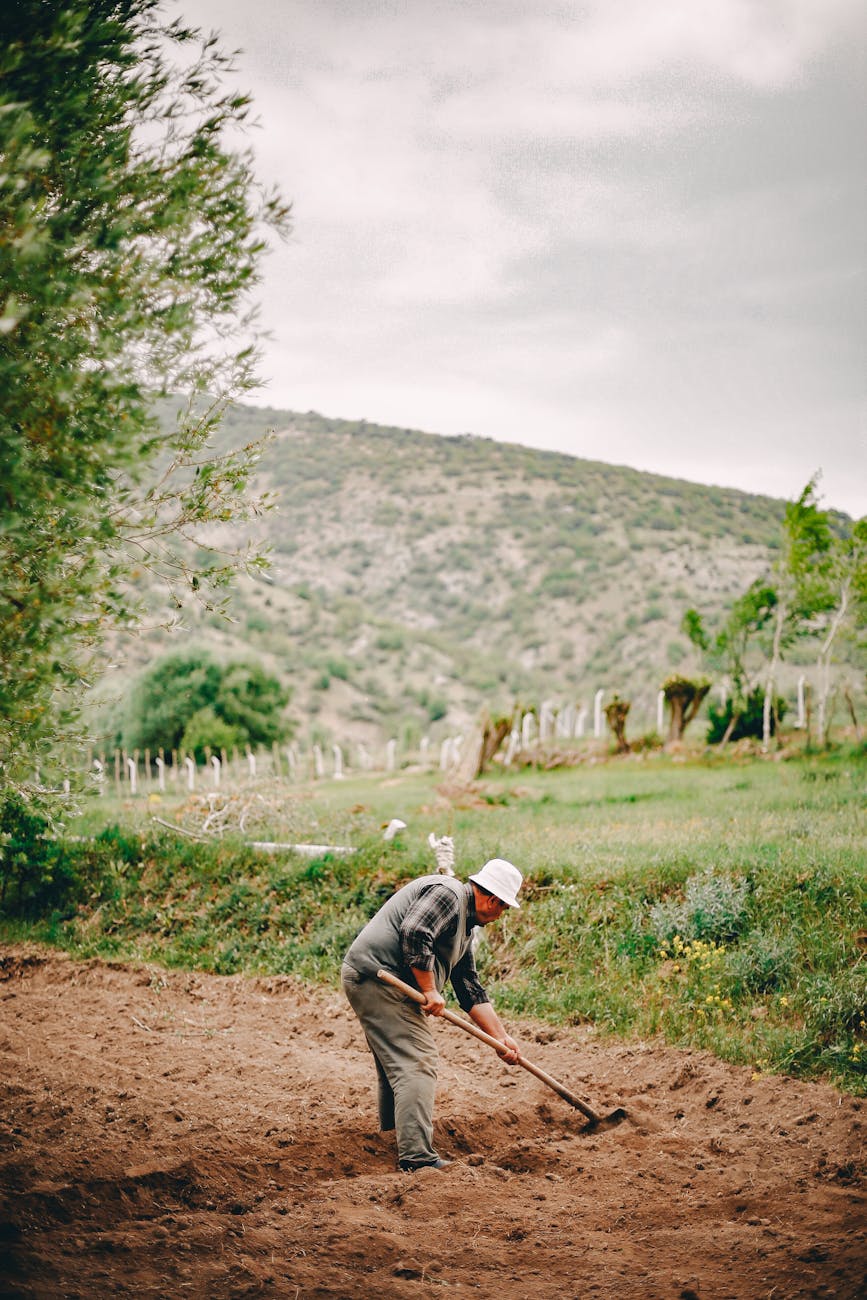
We humans have depended on nature to provide us with food, materials for shelter, comfort and pleasure from the beginning of our time here on this earth. It is easy to understand why early humans saw gods in the elements of their environments. Even to this day I feel the presence of a higher being and a higher purpose when I commune with nature. I have a deep connection with the plants and trees, the sun and rain, the elements that have lived on the earth far longer than I have. When I am tending my garden I think of my roots and the long line of people who came before me. I almost sense a genetic connection with the work that they did as farmers and laborers as they worked to survive from one day to the next. 

My brothers and cousins and I are probably the most highly educated people in the long line of ancestors who labored at jobs that demanded sweat and energy. As far as I can tell none of them lived on estates in fine houses with servants and hired workers to fulfill their needs. Their hands were dirtied and their backs were bowed. Their bodies ached at the end of a hard day’s labor. They were among the mostly faceless generations of humans who lived seemingly unremarkable lives remembered only by a few comments scrawled by a census taker. 

It was in the twentieth century that things began to change for those of us who descended from them. We learned to read and write and to consider futures far more comfortable than the ones of our forebears. Our homes are bigger and our larders are filled with plenty that they only dreamed of having. Because we understand genetics we know that the people who came before us had to be bright and inventive and capable of learning as much as we are. They simply did not have the opportunities that guided us into work and lifestyles that are comfortable and that do not require us to hunt or till the soil for our survival. Still, there is something that lures us into the labor of digging in the dirt as though our brains are hardwired to know enjoy making things grow. 

It is spring and I have been working for weeks to make my garden lovely. My hands bear the scrapes and ragged nails of a farmer. My back feels the weight of stooping over plants and lugging dirt and mulch around my yard. I might pay someone to do these things, but I don’t want to surrender the joy that overtakes me when I am outside doing the work of my ancestors. I feel my roots and somehow understand who they were far more deeply than when I read an abstract that names them and tells me where they lived. There is a kind of nobility in touching and tending the earth. My brain fills with a rush of happiness when the sun kisses my arms and the dirt leaves a reminder of who I am under my nails. 

I once traveled to a school where the teachers were having a difficult time understanding their students who were the sons and daughters of migrant workers. They complained that these children brought down the average of the scores on end of year standardized tests. In many ways they resented the parents whom they called “the tree diggers” because they came with the spring season to help the local farmers and ranchers and then disappeared when nature went into its yearly hibernation. I was sent to advise them on how to work with students who were behind in their learning because their parents moved around from job to job, place to place. 

I began my presentation by allowing the teachers to give their assessments of these students and their parents. It quickly became apparent that they felt morally superior to the people who seemed like the hunters and gatherers of old. The faculty wondered why the workers did not simply settle down for the sake of their children. They used their own life experiences to judge people whose realities were far different from theirs. 

I suggested that first the teachers must set aside their preconceived notions and let both the parents and the students know how much respect they had for them. The work the migrants were doing was necessary and important to the town and it was up to the teachers to praise the people willing to provide the labor that nobody else wanted to tackle. I sensed that the children of those workers understood that they were viewed as somehow less than their peers who lived in one place all of the time. I mentioned to the teachers that perhaps their negative mindset had the effect of making their migrant students feel hopeless. I told them that we all want to feel valued. Then I taught the teachers strategies for helping those students fill in the gaps in their education. 

All too often we rank humans according to our notions of how important or impressive their work may be. Of course we are in awe of our doctors and engineers but the people who do the labor intensive work that fuels the engine of our economy are just as necessary. The folks who keep our hospitals clean and our offices in good condition should be just as important to us as the richest person in town. Our world was built on the labor of millions of nameless people just like “the tree diggers.” Workers whomever they may be or whatever they may do should always be honored. 

When I leave my books and the steady temperature of my house to work outside doing back breaking work I hear the voices of the workers of the world. I see their hopes and their dreams. I feel the long roots of my own existence. The sun reminds me of my own good fortune. The dirt on my hands and the sweat on my brow remind me to honor all the labors of humanity and to celebrate those who got me to this time and place. My roots are deep and strong thanks to the determination of thousands of people who did whatever they needed to do to thrive. I am here with all of my degrees and skills because of them. I feel them when the dirt is on my hands.