
Everyone has a secret to share. Mine is that I majored in English hoping to teach that subject one day. Because I took a number of mathematics classes that were not as demanding as all of that reading and writing was, I ended up teaching math in my first job as an educator. The rest became my history. I nonetheless often imagine myself reading the tracts of famous authors with my students and showing them how to interpret the metaphors and many figures of speech that enlighten the literary experience. I see irony and hyperbole in everyday life, but most especially in the work of a great writer or filmmaker. When a story or movie is elevated to more than just a rendering of a factual story i get quite excited. Such was my reaction upon seeing the highly praised movie, The Conclave based on the book of the same title.
I am a Catholic who spent twelve years under the tutelage of nuns and priests. Religion classes, were a daily affair in my upbringing as were prayers and masses. I was a dutiful and diligent student of my faith so much so that the sisters who taught me once attempted to recruit me for a life as a nun. While I read every book in the library detailing the stories of saints I never saw myself being devoted enough to spend my life in a convent.
I love my church but understand all too well its imperfections. For that reason I viewed The Conclave the way I believe it was meant to be seen, as a fictional work of art, not a critique of issues that the Catholic Church has encountered over the decades. We all know what they are: the subservient role of women, the hiding of pedophiles, the common sins that all humans commit, the resistance to meaningful change. These are all aspects of the Catholic religion that have garnered controversy so showing any of them in a movie is not an insult, but rather a nod to the realities that we know must be continually addressed.
With that said, I watched The Conclave knowing that its purpose was to weave a fictional tail with a touch of mystery. I assessed it the way my high school English teacher, Father Shane, taught me to review any work of art. He urged us not to simply retell the story but rather to strive to see the main point that the writer or director was attempting to convey. Thus I saw that The Conclave was a sumptuous delve into the human characteristics that define each of us. It studies our relationships with religious beliefs and with each other. It looks at both our strengths and our weaknesses against the backdrop of the election of a new Pope, process steeped in unwavering tradition.
If we were indeed perfect there would have been no need for Jesus to die on the cross to save us. If we never fell prey to sins of jealousy or lust for power the ten commandments would have been moot. Instead we know that even the apostles showed weaknesses in times of distress. Thus movie reveals that the Cardinals gathered to elect a new Pope came with their own preconceived notions, doubts and flaws. The story is one that poses many questions including thoughts about the changing roles of women in a modern world.
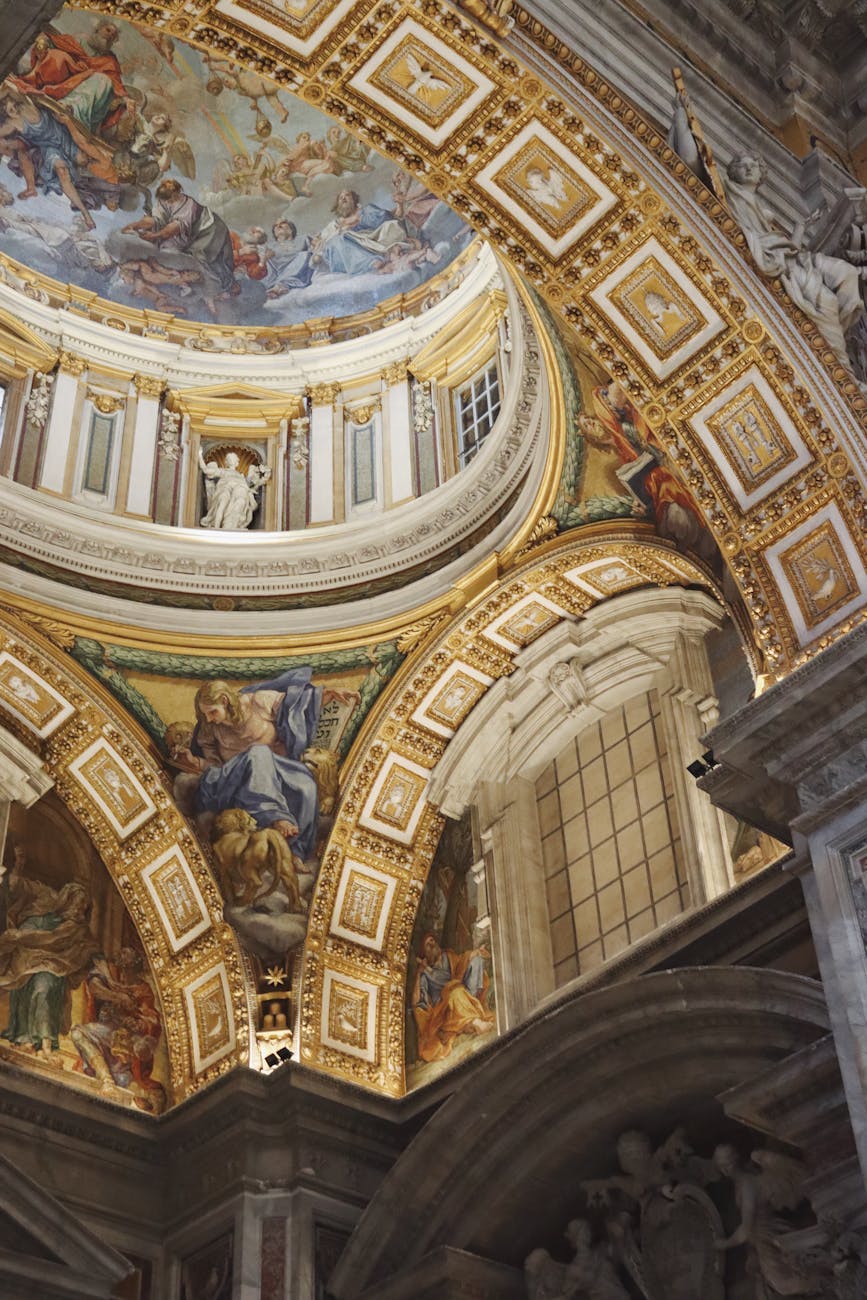
The film is lush with color and views of the Vatican. The acting is worthy of the finest Shakespearean play. I am quite certain that Father Shane would have enjoyed it as much as I did. The questions posed are current. The traditions transcend the centuries. It is fascinating and sure to garner many kudos in the coming awards season.
When I was a young girl I remember that movies were rated by the Catholic church and sometimes ranked with an X which meant that it was seriously wrong to even think of watching them. The old movie Peyton Place was such a film. I never had any desire to see it, but when I was well into my fifties I grew curious to know what had been so horrific about it that it earned one of those X ratings. I can’t even begin to describe my surprise when I watched it and found it to be rather silly and somewhat sad. I wanted to think that we had come a long way from being judgmental about people who think or believe differently from ourselves. Somehow I just can’t see Jesus condemning anyone without looking deeply into his or her heart. After all, he was all about forgiveness. It was his reason for dying on the cross. He knew that we would sometimes falter and even fall. He was all about giving us chances to redeem ourselves.
The Conclave is more than just a story about the election of a Pope. it is a philosophical and psychological peek into the good, the bad and the ugly of our human natures. It is a brilliant masterpiece that asks us to think about possibilities before we judge.
 All It Takes Is A Little Love