Our Foundation

Photo by Porapak Apichodilok on Pexels.com

I wonder if there will ever come a time when I no longer build the routines of my life around the school calendar. Each July visions of school supplies and planning sessions begin to dance in my head. I still clean my home every Saturday morning as though I will be busy teaching during the work week. I might go on a vacation any time of year, but I invariably schedule my escapes in June and July. I find myself searching for a comfortable pair of shoes that will sustain me when I’m on my feet for long stretches of time whenever the ringing of school bells echo in the distance. Teaching and learning are now baked into my very essence. It’s who I am, what I do.

Lazy summer days seem to have become shorter and shorter over time. Surely the classes only ended a few weeks ago, and yet many classrooms will be open for business starting this week. Some have already set routines and settled into the new year since early August. Along with the anticipation that usually goes with those new lunch boxes and freshly sharpened pencils is a kind of anxiety brought on by Covid-19. We’ve had enough of the virtual and hybrid classes of last year and desperately want a normal environment now. Sadly we can’t seem to agree on the best way to make that happen, and before we even begin there are worries added to all of the concerns that usually go with a brand new school year. 

We feel fairly certain that many of the students have fallen behind in their learning, but wonder if it really matters to keep up a pace that we artificially created in the past, or if we should just take each child wherever he or she is and continue building foundations from this moment forward without too much pressure on anyone to rush ahead. Somehow we have grown weary of testing and sequencing that often misses the realities of each individual. Is there actually a correct universal pace for learning that works for mostly everyone, or has the pandemic finally convinced us that we’ve too often rushed the process?

How do we protect our students this year and somehow ensure that we can keep moving forward without endangering the heart of our future that lies with our little ones? How complicated should we make the process of being cautious? Perhaps the simple idea of masking everyone is a perfect solution, but there are so many who are opposed to such things. How can we convince as many as possible to get the vaccinations when so many others are worried that the vaccine may be worse than the virus? Do we have the room or the energy to space our students apart? Is it just too complicated to perform contact tracing and keeping parents informed of outbreaks of the virus? Do we have the will to endure all of this once again, and what we will happen if we choose to take chances and be more relaxed? It’s mind boggling and the kind of thing that keeps teachers and administrators and parents lying awake at night in stark terror. If we don’t get this right, the consequences could be disastrous and we know it. Our educator instincts tell us to be prepared for just about anything.

I’ll be homeschooling and tutoring again this year. I know how to teach mathematics, and I somehow believe that as long as my mind is working and my health is good I have a certain duty to help as many students as possible until I am no longer able to do so. I’m mandating masks for my students and I will be wearing mine as well. If the situation with Covid becomes more dire we may switch to Zoom classes again until things improve. They were not perfect last year, but they worked, and my students and I know how to manage them. If anyone gets sick we may all have to stay home for a time until we can be reasonably certain that the virus is not going to spread. These seem to be good ways of being flexible and doing whatever may be dictated by circumstances. I have always operated inside the classroom with an eye toward adjusting to the way the winds are blowing. A wise principal taught me long ago to never create a situation that might paint me into a corner. I would hope that our lawmakers and school districts afford every teacher the same flexibility to address the situation that I will have. 

It often boggles my mind when I see how our teachers being taken for granted. Even with advanced degrees their salaries fall far below those of other professions. Substitutes often make only around eleven dollars an hour or less. Retired teachers find themselves working part-time to supplement their pensions, especially when they are single. In spite of these financial drawbacks dedicated educators come back year after year, not because they are incapable of doing anything else, but because they are devoted to the task of preparing our children for the future. In dire times like the ones we face for yet another school year they should be supported in every possible way, financially, emotionally and with the same kind of enthusiasm, that we afford other first responders because that is what they really are. They are the first response to one of the most critical needs of our children. 

Where are the freebies and universal discounts for them? Why isn’t there free college education for their children or at least interest free loans and grants? Surely we should be able to create thousands of little perks for our educators that provide them with the rewards that they so assuredly earn. Why should a teacher have to work a second job or live in a state of chronic worry about retirement or healthcare? If ever there was a time to recognize their enormous contribution to society it is surely now.

Best of luck to my fellow educators. Know that you are heroes upon whose shoulders the very foundation of society rests. My hope is that this school year will not be as stressful as last year. I wish you well and pray that everyone will value you the way you so surely deserve.
The Wonders That Are Coming Our Way

Photo by Kindel Media on Pexels.com

My husband, Mike, has always been on the forefront of technology. Decades ago we had one of the first home computers. It cost a fortune and did very little, but it did pave the way for better machines to come. I was the first person in my school to have an electronic grade book rather than a paper one. Mike created an individualized way for me to keep a running tab on student work and instantly know the most current average for each of my pupils. It was a great system that even created a weekly letter for parents with the current average and a list of missing work that I sent home every single Monday. I had to get permission to use my computerized grade book instead of the old handwritten one issued by the school district. Luckily my principal was intrigued by the program that Mike had designed, and liked that my students and their parents received a weekly update that seemed to motivate them to work to improve. 

Eventually all of the schools provided electronic grade books for the teachers, but none of them were ever as wonderful as the one that my husband had made for my specific needs. Still, he always insisted on having the most up to date equipment so that we might use the power of technology to do our work. When the pandemic came and learning became remote, I was able to transition into a homebound classroom with no effort thanks to his foresight. 

Mike has done his best to create a smart home for our enjoyment and comfort. He keeps up with all of the trends and gets a kick out of sharing ideas with others who have the same kind of leanings. He and my brother and a nephew seem to be in a constant state of upgrading and improving the smooth running of our homes through the power of technology. When it’s not raining once a day, like it has been of late, we have a regular watering schedule that keeps our lawn and plants looking green even when we are away from home. Alexa sets timers for lighting and sends us reminders of appointments on our calendars. Our Roomba, Reggie, keeps the house nice and clean with his regular schedule of vacuuming. We never miss a program that we want to watch with all of the recording and streaming services that we have. Our watches check our hearts and keep track of our daily exercise. Our phones map routes so that we no longer worry when traveling to unfamiliar places.

Mike is now obsessed with the possibilities of electric cars, solar panels, personal drones, flying cars. He predicts that our future will save energy while also making it easier for everyone to live independently. He’s already set up his father with multiple devices that allow him to feel more secure. He predicts that we have only seen the tip of iceberg when it comes to changes that will revolutionize our daily lives. 

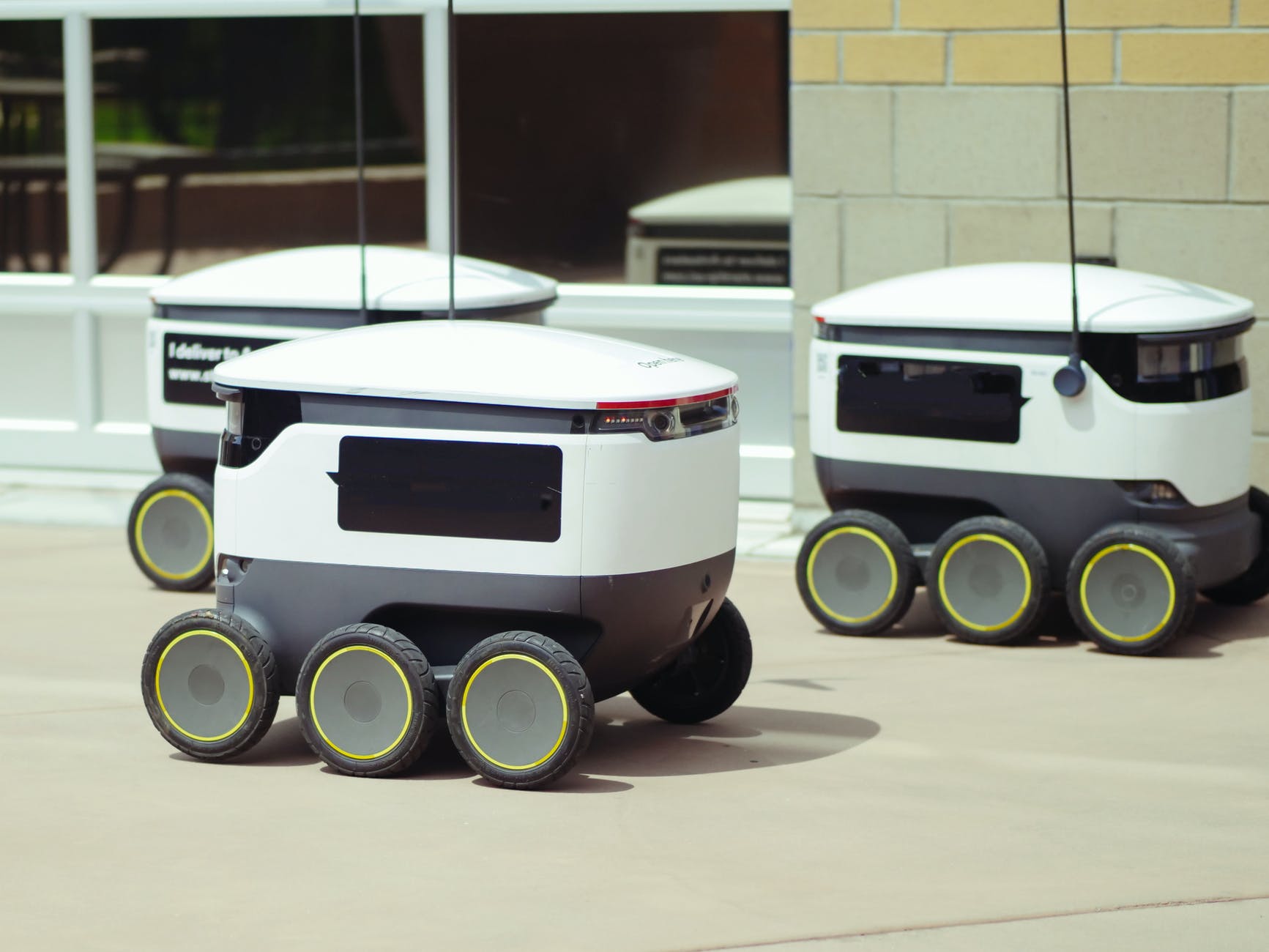
I am not as excited about such things as my husband is, but I have experienced firsthand the joys of being on the cutting edge of innovation because of his interest in pioneering new ways of doing things. I’d like to believe that the day will come when even those who are unable to care for themselves will be able to safely continue to live in their homes with machines of all sorts doing the work to keep them secure. We can now vacuum and mop our floors and wash our clothes and our dishes, but what about having robots that will actually take dirty items to those appliances, and then return them to the places where they should be stored? Imagine always having clean clothes and linens without having to sort, clean, fold, and put away. I’d like to believe that it is possible to make such things happen. 

I dream of a smart kitchen with mechanisms that cook our meals while we are driving home from work. I’m not talking about a slow cooker or a timer on an oven. I’m going bigger than that, and thinking of a system that perhaps uses frozen ingredients in prepared containers, finds the correct ones that are somehow coded, combines the items, and then cooks them and has them waiting for us after our traffic battles on the freeways. 

Even better would be some type of smart machine that cleans up after we cook and eat. I think of no more dirty dishes sitting in the sink, or messes on the counters. Entertaining would be wonderful if we had a mechanical helper programed to tidy up while we sat enjoying our guests.

I used to scoff at the idea of some of the things that I now use on a daily basis to keep my household running almost effortlessly. I’ve become a believer in the power of inventiveness. Even though it was stressful, we were able to maintain the flow of the most essential services even during times of mandated shut downs through the amazing power of automation. People “saw” their doctors. Students still had classes. Necessities arrived at our doorsteps. We visited with one another through the power of video. None of it was perfect, but think of how much more difficult things would have been without the technology that kept us going. Now imagine what may lie ahead. I can’t wait to see the wonders that are coming our way. 

Finding Truth in The Wizard of Oz

Photo by Ralph W. lambrecht on Pexels.com

I’ve been watching The Wizard of Oz over and over again for as long as I can remember. As a child I was terrified by the flying monkeys, and if you follow my blog regularly you will know why. It has to do with an incident that involved a little monkey jumping on my back and not letting go. I find it strange that after my own fear of certain scenes in The Wizard of Oz, that I then introduced the film to my young daughters. I viewed the film with them almost every single year of their childhood at Thanksgiving. By then I knew the outcomes, but still found myself cringing over the thought of having a flying monkey land on my back. 

Eventually my grown daughter laughingly purchased a sign that said, “I’ve got flying monkeys and I’ll use them.” That alleviated my worry that I may have scarred my children for life with a movie that seemed to be a somewhat violent child’s tale. Imagine my surprise when I learned that L. Frank Baum actually wrote it as political satire at the end of the nineteenth century. People who read it back then recognized all of the characters and understood the deeper meanings, much like we do with Saturday Night Live. The book was quite popular and eventually Mr. Baum even wrote a musical on the same theme. It was all commentary about the industrialization of the country and the plight of farmers fighting for a waning way of life. Some even think it was concerned with financial and banking issues, such as whether to use a gold, silver or bimetal standard for our currency. 

There have been many analyses of The Wizard of Oz over time, but Baum was always a bit cagey about revealing his real intent for the tale. I suppose that it was indeed some kind of allegory whose message and characters might be repurposed to comment on almost any era. The only things that seems to be certain is that Dorothy was supposed to represent innocence and goodness. Her companions on the journey to Oz, which is said to actually be the abbreviation for “ounce,” are theoretically, depictions of farming, industry, and politics. The various and sundry witches might be any powerful individuals who have lost touch with humanity. The Wizard is a charlatan who appears to be kindly, but cares little for Dorothy. His only concern is wanting to eliminate the Wicked Witch of the West to increase his own power. The Wizard sends Dorothy on a dangerous journey without regard for what might happen to her. Oz itself is the DisneyWorld of its time, a place of escape from reality where security and happiness are a facade. Of course, the main theme of the piece is that there really is no place like home, and we should find ways to be content with who we are and whatever we have. 

I’m not going to reveal my own version of who might be the characters in a modern day version of The Wizard of Oz, but I think it is rather apparent that the basic story is just screaming for thoughts on who is today’s Dorothy, who the huckster Wizard might actually be and which people in our society are the witches. Of course it is debatable as to who among us are the deluded citizens of Oz. I suppose arguments might be made for all sorts of possibilities. I know I have my own thoughts, but I rather like the idea of leaving it to each individual to decide who they believe is fooling us now. 

As an educator, I don’t like unkind descriptions of people, but I have seen a great deal of ignorance that would make many people perfect candidates for the scarecrow. They tend to have kind hearts and good intentions, but don’t always think things through. As for the tin man, we’ve all known people who don’t seem to realize how insensitive they appear to be. In today’s world it would not take too much effort to find a pride of cowardly lions. As for Dorothy, I still believe in the innocence and goodness of our youth, and I say all that time that the young men and women of today will one day save us in spite of ourselves. They are not the clueless wonders that so many seem to believe that they are. They can deal with witches and flying monkeys and magic with great courage. They are truth seekers who have seen things that many of us have been too busy to imagine or accept. I have great faith in them.

The movie version of The Wizard of Oz gave us a more literal version of the tale, but I always believed that the very ending gave away the truth and the power of its intended meaning. I also thought that the classic song, Over the Rainbow, provided the key to interpreting what the story was really all about. The film was released in 1939, a time when Adolf Hitler was conquering countries like Poland. There was still a great deal of wishful thinking and naïveté in a world that wanted to believe that there would not be another world war, and that Hitler’s intentions were were not as frightening as they seemed. Soon his flying monkeys would descend on Europe, and it would take a new Dorothy and her companions to save us all.

When Will We Learn?

Photo by Maksim Romashkin on Pexels.com

The Twilight Zone was good fun back in my youth, a time spent with my cousins marveling at the strange stories that aired each week. Back then I marveled at the creativity of the writers, but never really discerned the social commentary of each episode. I watched with the eye of a child who only saw monsters and magic. As an adult I view those episodes over and over again with decades of experience dealing with human nature. I realize now how much those tales told about our humanity and the problems that we all too often carelessly create. 

I have often thought back to some of the plots that were of little interest to me as a child, which now occupy my thoughts with a sense of wonder. One particular episode involved a seemingly happy group of neighbors who appeared to be living the good life in a state of bliss. Sadly it took little more than a perceived emergency to tear their relationships irreparably apart. During our most recent battles with Covid 19 I have watched individuals who were once close, become bitterly divided over stay at home rules, remote learning, masks and vaccines. The discussions about such issues have often become vile and personally insulting. As in The Twilight Zone story sometimes the disagreements even become violent. We had a wonderful opportunity to work together to defeat the virus and keep one another safe, but instead we turned it into a gladiatorial contest of wills. Many died because of our unwillingness to accept precautions rather than demand freedoms.

In another storyline that I found to be boring when I first saw it, there is a woman inside a New York City apartment who is one of the last survivors of a global climate event. Something has gone awry with the earth, leading to extremes of heat and cold. Life is unbearable, not just because of the strain on the human body, but also because of the death and destruction that the disaster has caused. The tale focuses on a single woman doing her best to cling to life in the horrific conditions, but ultimately she becomes the prey of forces that nobody can control. 

I remember thinking that the very premise of this episode was too far fetched to even be interesting. I could not imagine the cycles of the seasons changing so drastically that people would die. Now I look at the strange weather occurrences that have become almost commonplace, and I realize that we got a warning from The Twilight Zone decades before scientists began to speak of concepts like global warming and climate change. 

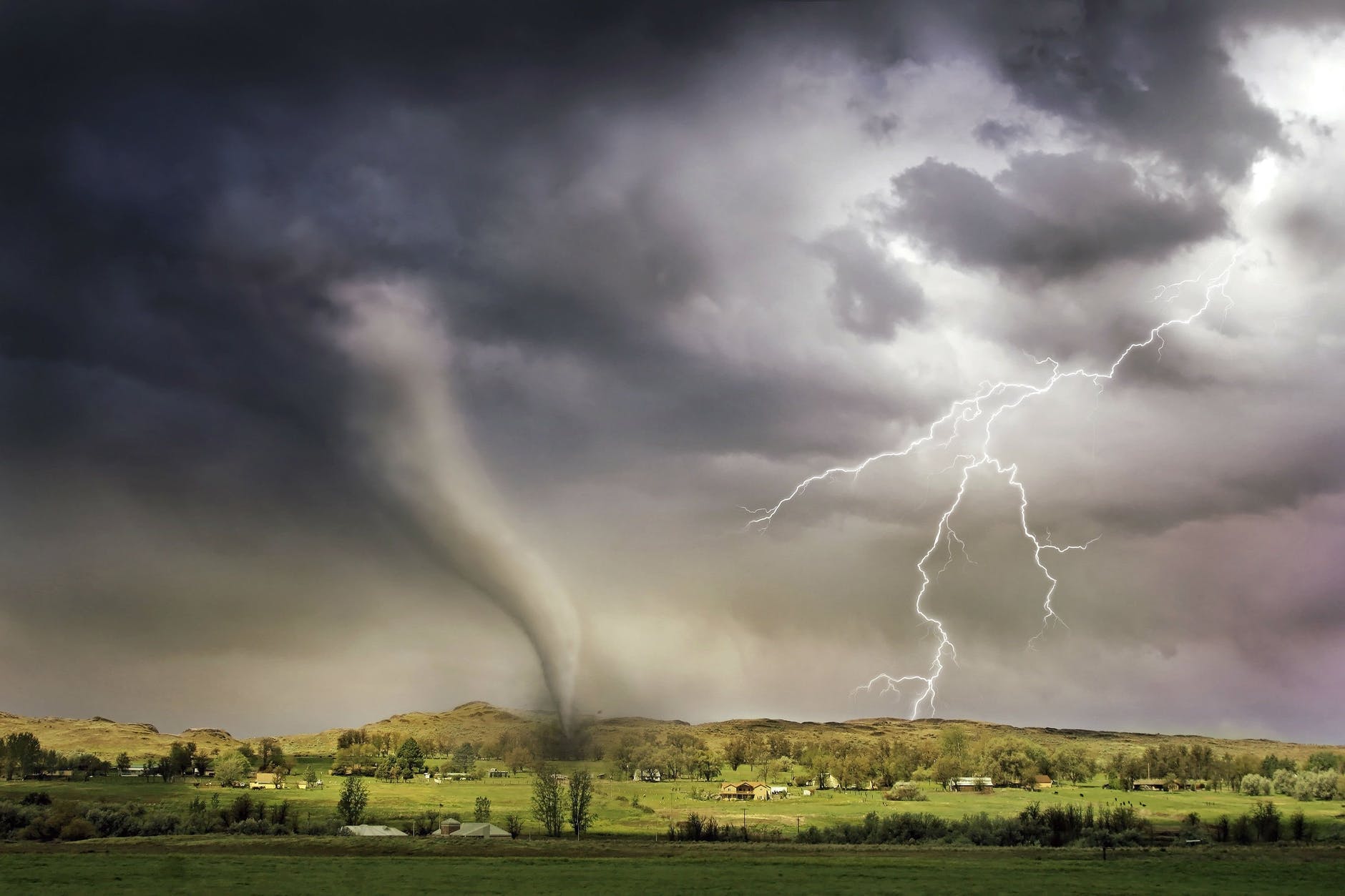
I watched my own city endure five straight days of driving rain that inundated homes and businesses. This may have been written off as a once in a lifetime event, but in truth the incidence of flooding here is becoming commonplace. Each summer and fall I have witnessed increasingly horrific wildfires in the western United States. My regular visits to places like Colorado and California have shown me how devastatingly long term the drought has been. Places that were once green have turned into deserts of brown. Last winter many Texans, including me, spent days without heat while uncharacteristic cold froze our pipes and in some cases caused death. Somehow that episode of The Twilight Zone that I once almost ignored seems prophetic in frightening ways. 

I’ve often wondered how some people are able to look into the future and make predictions with such accuracy. Perhaps they are brilliant or much more observant than the rest of us. The talented writers of The Twilight Zone hit the bullseye so often that I find myself in awe of their prescience. Creators of art often have a deeper understanding of the human capacity to create chaos than even our scientists. Their stories speak to us in ways that lectures on the effects of carbon dioxide or the dangers of nuclear weapons do not. Humans have learned from lore and tales from the beginning of time. We would do well to consider the possibilities that come from the gifted minds of those who appear to know us better than we know ourselves.

I missed The Twilight Zone marathon this year. I’d spent too much time binging on movies and series during my time of pandemic isolation. Somehow I was in hopes of a better new year, and so I did not wish to spend my time watching television all day long. Nonetheless, I often think about the shows on The Twilight Zone and find myself wondering how many more of its predictions may one day come true. In truth, the main theme of the series is that we humans are often our own worst enemies. We create problems and ignore their consequences until it is too late. We react emotionally rather than rationally all too often. We have it in our power to work together, but cannot seem to find a sweet spot of common trust. 

I’m sad that so many died in the collapse of the Champlain South Tower in Surfside, Florida. We may never know exactly what happened to cause the tragedy, but it is fairly certain that problems were found and virtually ignored while the residents and the board of directors quibbled over costs and the realities of the situation. Innocents were lost because of our human tendency to ignore and even deny problems. We seem to be particularly bad at that all too often, leading to wishful thinking that cracks in walls aren’t really that bad, or a deadly virus will miraculously go away, or climate change is little more than a political myth. The Twilight Zone warns us again and again that our hubris and unwillingness to sacrifice and work together often leads to real and tragic disasters. When will we learn?

There Are Still Heroes Among Us

Photo by Frans Van Heerden on Pexels.com

I’ve had a wonderful summer, but the giddiness that I felt back in early June has become more measured. The realities of the world have made me more pensive and less worried about my own fun, but more worried about the general state of the world. Let’s face it. Covid cases are on the rise, wildfires are raging around the world, the situation in Afghanistan is as dire as it has ever been, and there is a kind of anger around the world that has changed from simmering frustration to open rage. It would be easy to just close the blinds on my windows and retreat back into the isolation of last year, but I’m determined to find the sunshine and evidence of profound goodness in our world. 

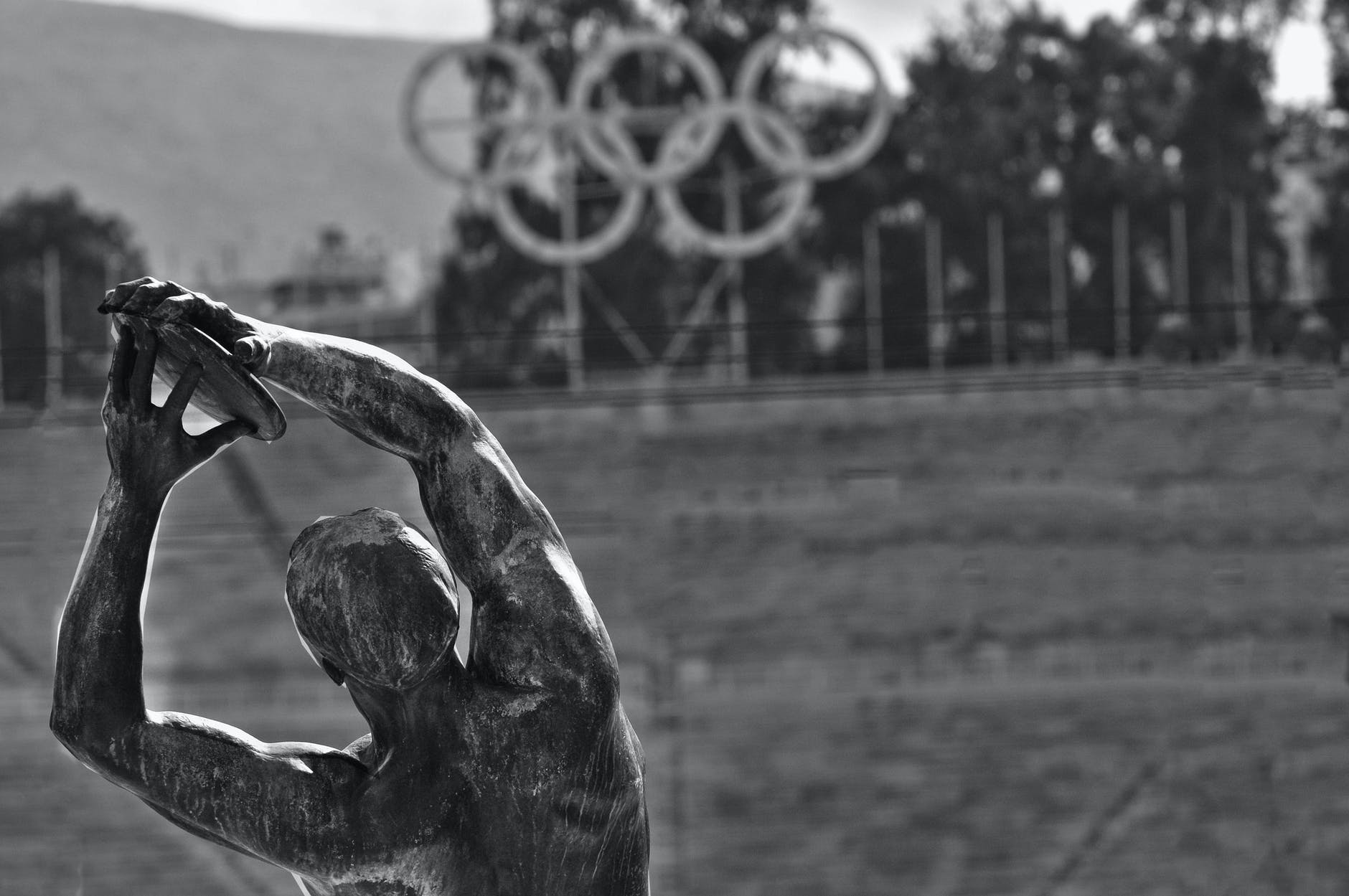
Large numbers of people complained about the Olympic Games this summer. Many were angry with athletes who drew attention to concerns that they had about inequities across the globe. There were those who saw the current generation of champions as snowflakes without the drive and patriotism that once seemed to personify the heroes of the modern games. If I listened to all of the naysaying it would be easy to classify even the recent competitions as just more evidence of the demise of our society. Instead, I viewed the events with a very different eye.

This will go down as an historic event in the annuals of Olympic history. These were the games that might not have been were it not for the careful planning and attention to detail of the city of Tokyo and the committee in charge. It’s doubtful that the games brought the influx in cash that is sometimes the benefit of being a host, but perhaps this year the most important reason for fulfilling the promise of the games was in providing a venue for the athletes from all across the globe with a opportunity to demonstrate their prowess and skills. 

There is a limited moment in time for most athletes. If they lose the opportunities when they are young, there is rarely another moment that will work for them. These young people have worked for years to reach a level of competitive excellence. Taking that away from them would have been tragic. I applaud those who made the games possible and did so with enough precautions to generally protect the representatives in each sport. 

As for those who voiced their political concerns, I think that it is wonderful that they were free to demonstrate our true freedoms versus the young woman who had to defect from her native country for fear that she would be jailed. America is the land of liberty, and protesting is baked into our DNA. It is what our founders did when they had grown weary of the abusive policies of King George. To this very day people with a cause are free to peacefully make their voices heard. How great is that! Patriotism is not just about singing the national anthem or wrapping oneself in a flag. It is about the God given right to speak one’s mind.

This has also been a summer of nurses and doctors who continue in the battle against Covid-19 even as they endure criticism instead of the joyful support of a year ago. They are in the trenches feeling exhausted and frustrated even as they refuse to give up the fight. We should be shouting our support for them instead of insinuating that they have somehow mislead us. The truth is that nobody could have anticipated the mutations of the virus and the large numbers of unvaccinated who have held out even with the gift of free vaccines. Back in the early spring it seemed as though we would have most of the population fully vaccinated by now. In spite of a feeling that this did not have to happen, our medical communities are reporting to work every day and saving lives. We are incredibly lucky to have them.

Our teachers had a very short summer vacation and yet they were excited about returning to what seemed like it would be a somewhat normal school year. Now they are starting with the specter of illness hanging over their heads, an unknown situation that may dash all of their plans without a great deal of consideration toward how to proceed if the virus becomes a plague in their classrooms. Our educators are decorating their rooms, planning their lessons, and doing their best to proceed as if all is well. That’s what teachers do. They leave their emotions and worries in the parking lot and carry on with only thoughts of their students on their minds.

There are good things happening everywhere but far too many of us are focusing on what is wrong rather than what is right. Perhaps if we spent a bit more time showing appreciation for the positive actions of the people around us, we would all be better. Surely there are challenges to be met, but why can’t we also celebrate the fact that lots and lots of people are ignoring the negativity and doing what they have trained to do? The athletes are putting their hearts and souls into competitions. The nurses and doctors are quietly following their oaths to first do no harm. The educators are determined to keep our children learning. Let’s shout for joy that so much effort is being made by so many, and let’s turn off the noise that seems intent on putting them down. It may be a difficult time, but those who would insist that we are in an era of weak and ungrateful people, obviously are not seeing what I am seeing. There are still heroes among us, and they are glorious.