
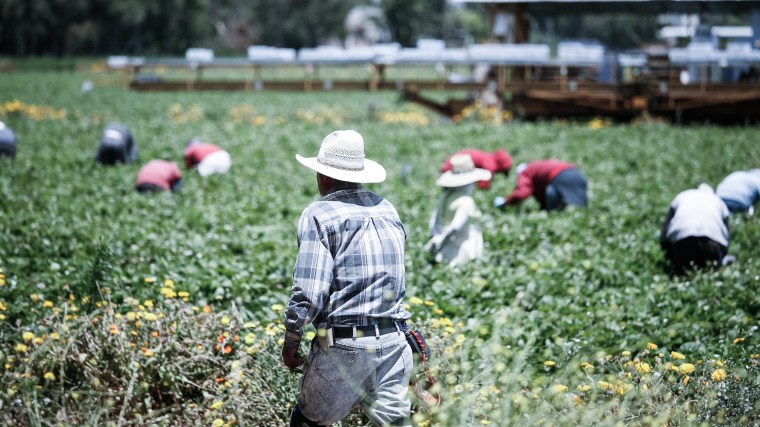
 When I work in my yard I go all in. I usually end up with dirt smeared on my face and caked under my fingernails. Sweat runs downs my neck and my hair sticks up in all directions. There is nothing pretty about me in those times. The work is hard and often leaves my muscles aching and my back shouting at me in pain. The truth is that I overlook all of those things because I love being a weekend gardner so much. I can feel bursts of serotonin taking me to a happy place in my brain. Still, I think of my grandparents who themselves worked on farms day after back breaking day. I imagine how difficult it must have been for them to rise early and routinely toil in the sun. For me the labor is a hobby, one that I have the power to ignore anytime that I tire of the effort. For them it was the means of earning money to pay for a place to live and food on the table.
My grandparents’ descendants have done well. We generally have professional occupations that allow us to work in air conditioned buildings and bring home salaries good enough to pay others to do most of the back breaking work that we require if we so wish. We purchase our fruits and vegetables from Sprouts and have enough income for luxuries that they never even dreamed of owning. I feel their spirits when I am on my hands and knees caring for my plants while the sun beats down on my head. I frequently stop to savor a cold drink when I grow weary. I survey land that is my own, not the property of someone else. I remember and appreciate all of the things that they did so that one day all of us who came from their blood, sweat and tears would have a far better existence than they had.
I see beauty in the tomatoes, oranges and other produce that lines the bins at HEB. I don’t take such delights for granted because I understand the drudgery that people endured to bring those items to the markets where I shop. There were individuals who picked the fruits and vegetables hour after hour, day after day as long as the sun was shining. They were paid little and only received monetary rewards for full bushel baskets and bins. Their work was routine and tough on both body and soul. They are the nameless men and women whose plight has almost always been ignored throughout history. At one time they may have been slaves or indentured servants. In other eras they were the poor like my grandparents. Today they are mostly immigrants who toil from farm to farm, season to season in search of jobs that few of us would want.
I once traveled to a small town school to work with teachers who were struggling with the Hispanic children in their classrooms. They complained that the sons and daughters of migrant workers were skewing the test scores used to appraise their effectiveness as educators. They referred to the parents “the tree cutters” and insisted that these uneducated people didn’t care enough about their kids to realize the importance of schooling. It didn’t seem to occur to the baffled teachers that the mothers and fathers who worked so hard were in fact incredibly dedicated to their children, so much so that they were willing to do even the dirtiest of jobs. I was saddened by the ignorance of people who should have known better than to treat a significant portion of their student body as stereotypes. Even after my partner and I had shown them how to reach their charges they appeared to be as adamant as ever that the children of these hard working people were an inconvenience that would have preferred to simply wish away.
Most of us who live in the United States of America enjoy a level of plenty that might have made our ancestors feel wealthy. We are provided educational opportunities that were not afforded them. It was not uncommon in my grandparents’ day for youngsters to rarely attend school after the third or fourth grade. Sadly in many parts of the world even today people struggle to meet their most basic needs and even to feel safe. They are chronically hungry and suffer from health problems that are rarely addressed. We on the other hand are a nation that has mostly forgotten what it is like to live the way so many of our grandparents and great grandparents actually did. The conditions under which they labored are now mostly deemed illegal.
I watched a group of students perform in the one act play, Gut Girls, not long ago. It addressed the working poor at the beginning of the twentieth century. It featured young women who worked in meat packing plants where the conditions were deplorable. I found myself imagining my grandfather who did a similar job for all of his working days. His legs became riddled with varicose veins and more often than not he was in pain but he never missed a single day of work. He boasted to his children that he had managed to feed them all the way through the Great Depression and keep a roof over their heads when others became homeless. He was proud to have regular work no matter how difficult it may have been and his children do not recall a single time when he complained. He endured his aches stoically.
There is great honor in hard work. We should celebrate anyone who is willing to devote time and effort to making an honest living. The person who collects our garbage is important just as the clerk behind the counter of a fast food restaurant is. The janitor is as indispensable as the manager, maybe even more so. We need our engineers and our electricians, our professors and our plumbers. The yard man who sculpts my lawn each weekend is always reliable and willing to do whatever is needed to make my home a lovely place to be. I truly don’t know what I would do without him.
After a day of manicuring my plants, my hands are shouting at me with the sting of cuts and scrapes and bruises. They remind me to be thankful for what I have. They tell me to appreciate all good people everywhere. They urge me to be more generous and kind. But for the grace of God I might just as well have been born in another place or time that would have demanded more of me than I have ever had to expend.
 I’ve been retired from a four decades career in education for almost six years and I still can’t seem to avoid following the academic calendar. Perhaps it’s because a school bus stops in front of my home each morning to pick up the neighborhood children and I am daily reminded that the process of educating our youth has endures with or without me. Maybe it’s because I still tutor students twice a week at two different schools and in the evenings. I suspect that it’s mostly because I followed the August to June routine for so long that it has become embedded in the heart and soul of who I am. So it is that I continue to immerse myself in spring break rituals each year even though that special week for students and teachers shouldn’t make much difference to me now that I am free to do whatever I wish whenever I wish.
  Blessed are they who see beautiful things in humble places where others see nothing.
 We humans love a good party and manage to find excuses for having one on a regular basis. We celebrate birthdays, anniversaries, graduations, new jobs, weddings, retirements. Our yearly calendar includes festivities for the New Year, Valentine’s Day, Mardi Gras, St. Patrick’s Day, Easter, Mother’s Day, Memorial Day, Father’s Day, Independence Day, Labor Day, Halloween, Thanksgiving and of course the Big Daddy of them all, Christmas. We call friends together to view special events like the Academy Awards or the Grammys and we have elevated the watching of major sporting events to a form of high art in our quest for the perfect gathering.
 When my chicken andouille gumbo was simmering on the stove a couple of days ago I had one of those deja vu moments that sometimes waft over me unexpectedly. It felt as though I was back in my mother’s house and she was creating a kind of stew from the vegetables and leftovers that she had on hand. The aroma of chicken, onions, green pepper, and tomatoes brought back unmistaken memories of the mash up hash that Mama regularly created in her effort to use every single scrap of food stuff that we had. Her budget was always tight and we were always hungry like most kids. She became masterful at blending all sorts of things into delightful soups that filled our bellies and kept odds and ends from prior meals from going to waste. She had a natural talent for knowing how to create taste tempting flavors and never used a cookbook to make her delightful dishes. She simply had a sixth sense about cooking and rarely made anything that we disliked while rarely threw anything in the trash.
  All It Takes Is A Little Love