
 In just a few more weeks the kids will be out of school for the summer and Americans will be hitting the road for vacations. Thanks to President Dwight Eisenhower we have a fairly decent interstate highway system that links us from one place to another. Traveling by car takes more time than flying, but it is a far more interesting way to go. Driving gives a real sense of geography, the changing landscape and the enormity of our nation. In some ways it is almost like a pilgrimage, a time for relaxation and reflection, a way of getting to know our landscape more intimately. It is on the hidden byways and along the main streets of tiny towns that I truly begin to understand the variety and diversity of the United States. Those long road trips are filled with unforgettable memories of places that I had no idea even existed. Long after I have returned home I picture them in my mind and almost feel as though I am there once again.
As we whiz past homes along the route I find myself wondering who lives in those edifices and how they came to settle in such places. Sometimes the houses are palatial and speak of money and success. Other times they are the size of small huts, filled with signs of poverty and neglect. Since I have no way of knowing the stories of the residents I create descriptions of them from my imagination. I pretend to know what the rooms are like and what the people within them may be doing. It occupies my mind when the miles stretch endlessly ahead.
I love the towns the most. I wonder what the citizens think of those of us who are only passersby. I try to get a sense of why some small places even exist. I begin to realize just how much of America is so different from the metropolis from which I come. I want to stop and tarry for a time but usually have to continue onward to the next place lest I never reach my ultimate destination.
Some of the most wonderful memories that I have are from unexpected places. I can still see the road to Mount Rushmore in South Dakota. It is late afternoon and a storm is brewing. The clouds are dark and foreboding. The people who live in the farmhouses are safely inside with the warm glow of lights radiating from the windows. Even the livestock have taken cover, having more sense than we do as we continue on as the wind whips our vehicle warning us that perhaps being outside is not particularly safe. Then we see a twister moving across a field traveling in our direction. We abruptly change our course as a torrential rain overtakes us. We race back to the tiny town from whence we have most recently come and hurry for cover along with others caught so unexpectedly by the angry forces of nature. As we settle inside I feel a rush of excitement and somehow know that I will never ever forget this experience.
There is another trip that returns to my recollections time and again. On this occasion we are in Utah heading toward Durango, Colorado. The sun bears down relentlessly on our car. Dust on the road coats the paint with a fine red mist. It is unbearably hot but somehow there is a beauty in the utter desolation of the road that we are following. I find myself thinking of the first people who settled in such a wilderness and marvel at their fortitude. While it is magnificent it is also forbidding. I try not to think of what our fate might be if we were to break down or become ill, for there is nobody around. It is as though we have become the only people left on the planet.
It is dark by the time we drive into Durango. We are exhausted and quite famished. We find a restaurant that features a dinner of rainbow trout. A chill has come over the dessert-like climate and so a fire is burning to warm the customers. It is cozy and welcoming and we are quite thankful to have serendipitously stumbled upon such a place. Our food proves to be more excellent than we had imagined it might be. We tarry in the hospitable atmosphere and somehow file away the moment in the part of our brains that holds thoughts of the most treasured times.
Road trips have taken us through Yellowstone National Park in the midst of a raging forest fire. They have shown us a glorious rainbow in Glacier National Park. They have made us laugh as we witnessed the ever present humor of our fellowmen in signs and silly yard displays. They took us along narrow mountain trails and through miles and miles of green corn fields. We have learned of the difficulties of driving through downtown New York City, and chided ourselves for the foolishness in the aftermath. We found old time tunnels through which our vehicle barely made it. We marveled at the manicured vineyards of wineries and the permanent ruts made by the wagons of long ago travelers. We might never have seen any of these wondrous things had we decided to travel by plane. We would have missed them as we flew high above the clouds. What a loss that would have been!
Later this summer we plan to travel to Wyoming in hopes of getting a glimpse at the once in a lifetime solar eclipse that is scheduled to take place in a swath along much of the northwest and midwestern states. I’m keeping my fingers crossed that the weather will cooperate and that we will be able to actually witness this phenomenon, but even if things don’t turn out as planned I am confident that our road trip will provide us with many wonderful surprises. We will see things that we had not expected. Just thinking of the possibilities is rather exciting.
Thank you, Henry Ford, for making the automobile accessible to the common man. Thank you, President Eisenhower, for insisting that we have a nation of good roads. Thank you to the little people everywhere who set up the gasoline stations, restaurants and places to rest for the night. Because of such innovations my world has been much more expansive than it might otherwise have been. I am a far different and better person for seeing so much of this wondrous country. I can’t wait to get on the road again with the strains of Willie Nelson filling the cabin of our car. Who knows what lies ahead?
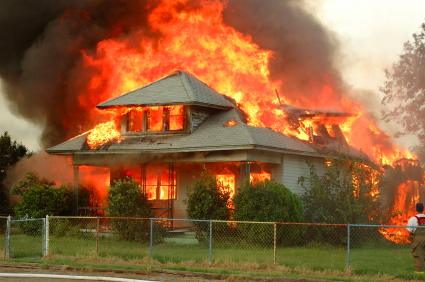 On Good Friday I was preparing food for our family’s Easter celebration when a heavy cloud of dark smoke suddenly poured from my oven. As I ran across the room to turn down the heat a small flame erupted in the bottom corner of the appliance. I called for my husband to come help with the situation and just as he raced down the stairs an inferno engulfed the entire cavity. We reached for the fire extinguisher that we store in our pantry but when we attempted to open the oven to apply the fire retardant it was latched shut. Our only option was to yank the appliance out of the wall just enough to create a small crack that allowed us to spray away. Luckily our efforts worked and the blaze was soon out leaving behind a rather nasty mess and an oven that was undoubtedly ready for the scarp heap.
 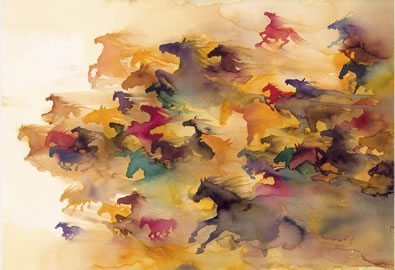 She was unlike anyone that I had ever known, a free spirit who seemed to float blissfully above the rules of society. She walked through life as though she owned the world, but in reality had few possessions of any merit. More often than not she kept her feet bare, unfettered, even at formal occasions. She was from the north but boasted that once she had found the south there was no turning back. She was an artist, an intellectual, a high school dropout. I could hear her coming in the battered and ancient pick up truck that was her pride and joy. It allowed her to haul items that might one day come in handy for one of her many projects that were rarely fully completed. Her mind skipped merrily from one idea to another with grand bursts of genius. Such it was with our friendship, glorious kinship until she was drawn like a moth to other places.
 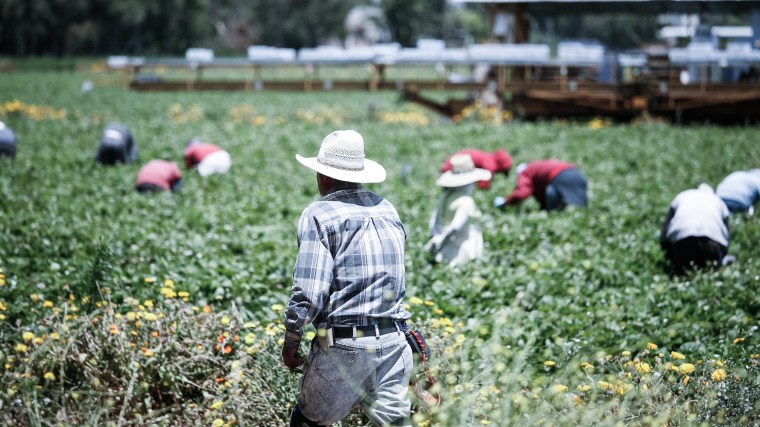 When I work in my yard I go all in. I usually end up with dirt smeared on my face and caked under my fingernails. Sweat runs downs my neck and my hair sticks up in all directions. There is nothing pretty about me in those times. The work is hard and often leaves my muscles aching and my back shouting at me in pain. The truth is that I overlook all of those things because I love being a weekend gardner so much. I can feel bursts of serotonin taking me to a happy place in my brain. Still, I think of my grandparents who themselves worked on farms day after back breaking day. I imagine how difficult it must have been for them to rise early and routinely toil in the sun. For me the labor is a hobby, one that I have the power to ignore anytime that I tire of the effort. For them it was the means of earning money to pay for a place to live and food on the table.
  Years ago one of my grandson’s was building a family tree at school. He reported to his class that he was half Chinese. Since he had blonde hair and blue eyes his teacher was somewhat confused about his claim. She hesitated to accuse him of making up a tale, but found it difficult to believe that he had even a smidgen of Asian heritage in his DNA. She emailed my daughter to determine why he might think such a thing. That only seemed to confound the puzzlement, so my daughter went to the source and asked her little boy why he felt that he was half Chinese. He innocently asserted that he had come to that conclusion because half of the people at our family parties were Chinese, and he knew them as relatives, so he had come to the conclusion that he must indeed be of Asian decent as well. The mystery was solved.
  All It Takes Is A Little Love