
 We each begin our lives inside our mothers’ wombs. We hear their heartbeats and share the nutrients they consume. We give them heartburn and send them scurrying to the ladies room so often that those jaunts become a form of exercise. Sometimes their hormones change so quickly and dramatically that they wake up feeling lightheaded and nauseous. Their bodies change with each passing week. They think that they look like beached whales, but everyone sees them as the beautiful women that they are. Their faces glow with the loveliness of anticipation. They laugh and stroke their bellies each time we kick or stretch our legs. We love them already because they keep us safe in the quiet little world inside their wombs. When it is time to leave our comfortable havens they must endure pain, but they don’t really mind. They are anxious to see us and to begin our lifelong relationships in earnest.
We depend on our mothers. They feed us and keep us clean and dry. They watch over us with love and deep affection. They are our first teachers and entertainers. They laugh at our antics and smile when they see our faces. They spend sleepless nights as we attempt to adjust to our new environment. We seem to be constantly hungry and in need of comfort, and they are ready to provide us with whatever we require. They do not complain. They are more than happy to spend so much of their time just loving us. They are our biggest fans. They enjoy our every move and think that we are remarkable simply for existing. They photograph us and record our milestones. They are our biographers and best friends.
Eventually we mature enough to walk away from our mothers. We go to school and interact with friends our age. We want to be independent, on our own. We think that we don’t need our mothers anymore. We assert ourselves and insist that we want to be left to fend for ourselves. Our mothers’ step back just a bit. They allow us to explore, but they are never really far away. They watch from a distance, ready to save us if we get into a precarious position. They still come into our rooms to check on us in the still of night. They provide us with the guidance that we need in spite of our objections. They love us more and more with each passing moment.
The day comes when we leave our mothers’ homes for good. We launch our careers and maybe even find someone to love in a romantic way. Perhaps we will have our own children and begin to comprehend better than ever just how much our mothers did for us. We see them in a different light as we realize the sacrifices that they made just so we might be comfortable and happy. We now share some of the feelings that they had. We understand their worry, their pride and their unrelenting love.
As we grow older, so do our mothers, but we remain their beloved children. Even as their strength and energy fails they fret over us. They need to know that we are doing fine. Their final thoughts are about us, and they pray that they have taught us well enough that we will carry on without them. Mothers give us the gift of themselves and provide us with both roots and wings.
One day a year is never enough to show our gratitude for our mothers. Somehow our efforts to honor them are never quite equal to the thousands of wonderfully selfless moments that they have given us, but we try nonetheless to show them how we feel if we are lucky enough to still have them here on earth.
I think of my mother often and miss her so. She had a smile and a laugh that lit up a room. She devoted most of her adult life to me and my brothers, serving as both mother and father after our dad died. Virtually every decision that she made was based on consideration of our welfare. She did a remarkable job of parenting and I doubt that we ever thanked her enough. I hope she knew that we thought that she had hung the moon.
I look at old black and white photos of my mother and I am stunned by how young she was when she became pregnant with me. In every picture she is a beautiful twenty year old beaming from ear to ear expressing her joy for all the world to see. Once I was born she carefully kept a record of my first teeth, my beginning steps, my report cards, my visits to the doctor for checkups. She wrote anecdotes about my personality and talents. Her pride jumps out from the pages of the lovely baby books that she so carefully created and preserved. That careful attention to me and later to my brothers would never wane. When she was taking her last breaths she made certain that we knew of her love. She asked my husband to watch over us in her absence, a job that he has taken quite seriously. She was as wonderful a mom as ever there was and she lives on in us and in our children and grandchildren. I see glimpses of her in each of them.
Perhaps there is no more important role that a woman performs than caring for a child and guiding him/her to becoming an adult. Our mothers form the bedrock of civilization. They do their jobs with little or no fanfare, not because they must, but because it is a pleasure for them. They love us from those very first moments when they learn that we are on the way and all the way into eternity. There truly are angels and they are the ones that we call, “Mother.”
 This morning I sent birthday greetings to a school friend who turned sixty nine. I’ll be joining her in the last year of my sixties in November. The numbers that I carry in my head just don’t compute. My living aunts are now in their mid to late nineties. My children are well into their forties. I have grandchildren in college. Most of the time I feel much younger than I actually am, but then something happens that sobers me and sends me into a tizzy, like hearing that the son of one of my friends from childhood has died from a heart attack, or that a young woman that I once mentored at work is being treated for cancer.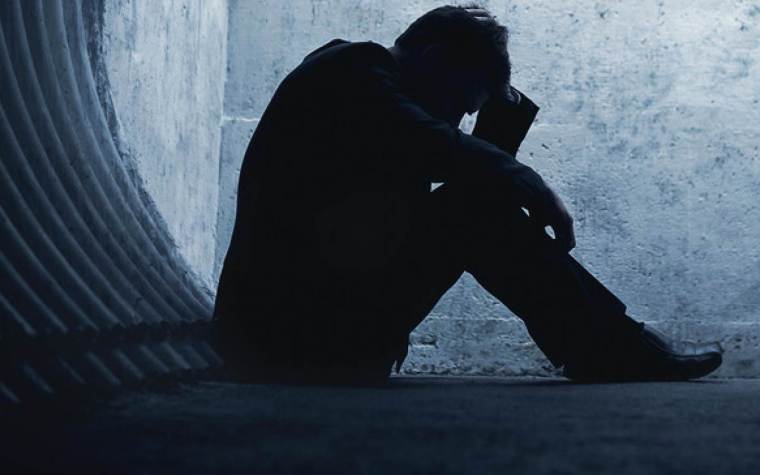

 I was twenty years old when my mother had her first mental breakdown. Mine had been a somewhat sheltered life. Aside from my father’s untimely death when I was only eight, I had not seen much of the dark side of existence. I certainly knew nothing about mental illness and the dramatic symptoms that seemed to so suddenly change my mom from a strong, independent woman into someone paralyzed by depression, paranoia and manic episodes. As I witnessed her decline that summer I was overtaken by a state of anxiety that made me feel as though I might surely die. I would visit her during the daylight hours and then return to my apartment in the evenings where I attempted to understand what was happening and to rally help for her among my aunts and uncles whom I was certain would have much better insights into her condition than I had. Mostly though I suffered from my own form of mental stress experiencing panic attacks that threatened to render me useless in the battle to bring my mother back to a healthy state of mind.
  All It Takes Is A Little Love