
 We protect our children. When they are babies we install monitors in their bedrooms and rush to their aid when we hear crying or unusual noises. We buckle them into crash tested car seats when we travel by automobile. We place padding on the brick fireplace hearth. We install gates near stairs and locks on kitchen cabinets. We know how curious toddlers are, so we prevent them from straying into things that may harm them. We are deliberate in choosing who will watch them in our absence.
As our babies grow older we continue our vigilance. We teach them how to ride bicycles but insist that they wear helmets in case of a crash. We provide them with knee and elbow pads when they are learning how to roller skate. We give them a healthy diet and learn as much as we can about their friends. We enroll them in swimming lessons so that they will be safe around water. We talk with them about how to behave. We teach them and model our values for them. We are always ever watchful.
It is difficult for us to allow our teenage children to become more and more independent. We give them driving lessons and warn them again and again of the need for safe habits when behind the wheel of a car. We gauge their moods lest they be in some sort of psychological trouble. We continue to instill high moral character in them, hoping that they have heard our voices and that we have been good enough examples for them. We enforce curfews and insist that they keep us apprised of where they are and who is with them. We continue to look after them. They are our children and it is our duty to provide them with as safe and healthy an environment as possible.
Our children are innocent. They view the world with open arms, at least until they are hurt. They sometimes laugh at our concerns about them. They view our cautions as a sign of age. They long to be free and to experience life unfettered. Theirs is mostly a joyful time of exploration and risk taking. They often learn best in the school of hard knocks even when we have warned them of the possible difficulties that they may encounter. They love being with their friends and sometimes treasure the thinking of their peers more than ours. Their push back frustrates us, but we know that it is part of the natural progression of growth and development. We don’t worry unless we see indications that they are somehow changing for the worse, then we intervene. Always we are watching.
The time comes when our children ask to be part of the culture of their generation. They want to go see one of their favorite performers just as my granddaughter did when she learned that Maroon 5 was coming to the Houston Rodeo. We adults buy them tickets because we see no harm in letting them enjoy the music that is so popular in their circles. We smile at how joyful and excited they are. We give them extra money to purchase a t-shirt to remember the occasion. We understand how they are feeling because we too went to the concerts of our favorite rock stars back in the day. We remember dancing and singing along. It was a very happy time for us. Now it is their turn to experience a live performance. We know it will become one of their best memories.
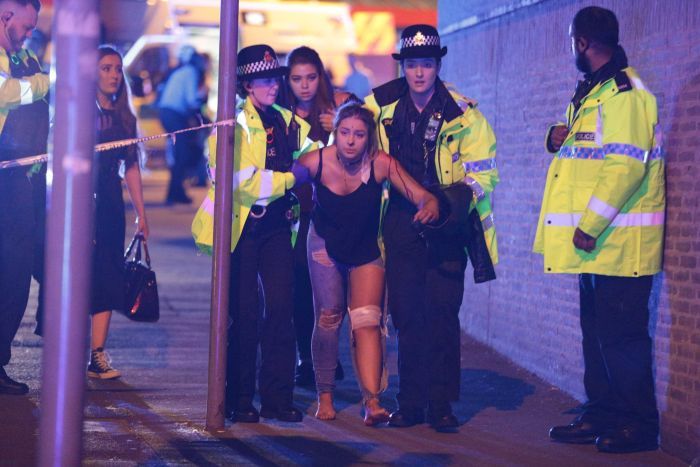
Nobody expects to have a special evening turn into a tragedy. It is unthinkable that something as innocent as going to hear Ariana Grande sing will somehow become dark and evil, and yet we know that it did at Manchester Arena in Great Britain. A cowardly murderer found a way to kill and maim young children and teenagers, mostly girls. More importantly and sadly, he also managed to introduce terror and fear into their lives. The occasion that should have been so enjoyable will instead always be a source of horror and a moment that stole their innocence. What happened there was as despicable as any form of violence might be, for it not only hurt the young but it also sent a strong message to adults that their children may not be as safe as they had believed. Therein lies the ultimate definition of terror.
We are in a most unfortunate era of history. We find ourselves considering whether or not to visit this place or that, this event or another. We tell ourselves that we do not want to be constrained by fears and yet our imaginations nag us in the recesses of our minds, particularly when we think of our children. We have learned that few places are sanctuaries. People have encountered violence at churches, movie theaters, concerts, sporting events, restaurants, shopping malls, schools. The attacks are random and unpredictable. In the grand scheme of things the probability that something will happen to us or to our children is actually quite small and yet we worry, knowing that we will never forgive ourselves if we become too lax and suddenly find that our loved ones are among the count of victims. We don’t want to be careless even as we understand that there is no way of knowing whether or not someone with a twisted mind is lurking. We refuse to be afraid but must admit that some primal part of our brains is always alert.
We don’t know what to do to stop the madness. We pray for wisdom and miracles. We wonder if we should answer with an eye for an eye or stand on the side of peace and diplomacy. Should we erect barriers or be more inviting? The answers are unclear and each time that a heartless act occurs we begin the endless debates again. We sometimes surrender to the idea that this is simply the new way of the world, something that we must endure as a matter of course. We shudder at the thought that our reality may include telling our children that there is a boogeyman for whom they must be watchful. We worry that we may have to confine and restrict them even more for their own safety. Then we cry that they must be subjected to such fears because we remember the glorious freedoms that we enjoyed when we were young. How can they be carefree when the world is in such a state of chaos?
We have to talk with our children. We must reassure them while being truthful. We need to allow them to express their fears and then it is up to us to help them to understand that we will always do our very best to keep them safe. It is important to emphasize that most people are truly quite good, but then teach them how to best survive when they are in a difficult situations. We have fire drills knowing that most of the time we will never need to use the procedures. So too should we discuss what to do in other emergencies, including terror attacks. Keeping a cool head may mean the difference between safety and harm. It will also provide youngsters with a greater sense of control and well being.
We don’t need to take unnecessary risks but we still need to show our children how to enjoy life. We have always dealt with a certain level of uncertainty. Life throws us curveballs whether or not we encounter a terrorist attack. Every single day someone is in a car accident or receives a worrisome diagnosis. Weather has the power of changing the landscape in an instant. We cannot allow ourselves or our youth to become paralyzed with fear, but we can prepare them to use their heads and react properly in any dangerous situation. Most of the time they will never have to use those skills, but we must give them a sense of power so that they might go forth and explore the wondrous world around them with no fear.
 There was a time when Memorial Day was celebrated on May 31, regardless of when that day fell on the calendar. Thus it was in 1957. I had just completed the third grade after a rather adventurous year of moving from Houston to San Jose to Los Angeles to Corpus Christi and back to Houston. My father had begun working for Tenneco and we were living in a rented house in southeast Houston. My parents were thinking of closing a deal on a home in Braes Heights and we were all excited about meeting up with all of my aunts and uncles and cousins on Memorial Day at the beach.
 I was twenty years old when my mother had her first mental breakdown. Mine had been a somewhat sheltered life. Aside from my father’s untimely death when I was only eight, I had not seen much of the dark side of existence. I certainly knew nothing about mental illness and the dramatic symptoms that seemed to so suddenly change my mom from a strong, independent woman into someone paralyzed by depression, paranoia and manic episodes. As I witnessed her decline that summer I was overtaken by a state of anxiety that made me feel as though I might surely die. I would visit her during the daylight hours and then return to my apartment in the evenings where I attempted to understand what was happening and to rally help for her among my aunts and uncles whom I was certain would have much better insights into her condition than I had. Mostly though I suffered from my own form of mental stress experiencing panic attacks that threatened to render me useless in the battle to bring my mother back to a healthy state of mind.
  I recently heard a woman from the Hoover Institute at Stanford University speak about the elusiveness of happiness in today’s world. It seems that we humans are seeking peace and joy for ourselves more than ever and somehow our searches are leaving us empty handed. In a time when we should be feeling more comfortable and joyful than ever, we are ironically filled with anxiety and guilt. Instead of groping aimlessly for answers, we should realize that true contentment is generally found in leading a purposeful life, but what is that actually, and how do we find it?
  All It Takes Is A Little Love