Alike and Unique

Aunt Valeria

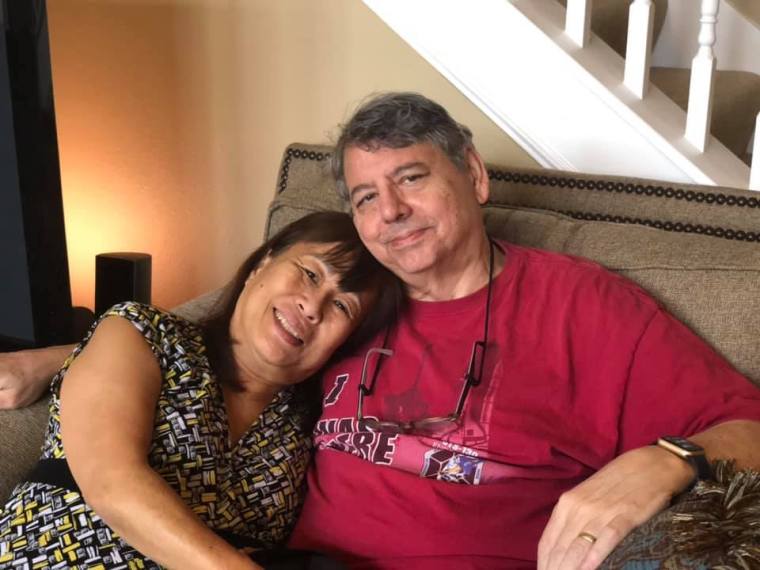
For as long as I can remember I’ve been told that I look just like my mother, my father, both of my grandmothers, my brothers, my aunts, my cousins, my daughters, my grandchildren. When people view me they see different things emphasizing certain traits in their minds. I’m certainly not a doppelgänger of anyone in my extended family, but the resemblances are there. I noticed that as I grow older I take on a kind of generic similarity to my relations even though I don’t appear to be a twin of any of them. It seems as though in the process of aging we take on characteristics similar to those of a baby without the external trappings of hair, makeup or clothing to distract from the essence of our appearance. We begin to look more and more alike.

I have a one hundred year old aunt from my mother’s side of the family. Invariably when I visit her at her nursing home someone will tell me that I am a carbon copy of her. My aunt doesn’t hear well these days so when I recently related such a comment to her in writing she commented with her trademark sense of humor, “Poor girl!” with a sly grin on her face.

The fact is that I have often thought that she and I resemble one another in a number of ways but most of them have more to do with the genetic makeup of our health issues rather than outward appearance. I somehow inherited the same propensity for osteoporosis and migraine headaches that have plagued her to the point of landing her in a wheelchair for many years whereas my own mother had none of those things.

I suppose that if a very observant artist or writer were to seriously analyze my facial features I would be found to more closely resemble my father and my youngest brother than anyone else in our big family. Such is also true of one of my grandsons and a nephew who bear a preponderance of features very similar to those of my dad. It’s funny how that works and often leads to one of those strange moments when finding an old photograph of an ancestor who appears to be a twin to one of the living relatives. It’s one thing to pick up the habits and nuances of people with whom we frequently interact to the point of seeming to be just like them, but it’s rather remarkable to discover an ancient still image that is eerily like a living descendent. Our DNA has a way of repeating patterns.

I now look at myself in the mirror and I see my face as a kind of microcosm of hundreds of years, perhaps thousands in a long line of people leading to me. Of course it never occurred to them to ponder so far into the future but I am intrigued by the thought of who they might have been and which of their traits I share. When I consider the miracle of those clumps of cells forming in a woman’s womb to make a new person with the evolved characteristics of people from the past I am in awe. It is breathtaking to consider the magnificence of the process of the creation of a human life and something not to be taken for granted.

Since joining Ancestry,com I have been able to put names, if not faces, to the people who came before me. I have put my spit in a test tube and sent it for DNA analysis. Through that process I have found distant cousins that I did not know existed. I have become a member of a Facebook group of people related to my paternal grandmother. I read their posts and their stories and realize that we share so many commonalities without ever having known each other before. Learning about them has made me feel an even stronger connection to humanity than ever before. It has made me realize that on the whole we share many more commonalities than differences even as we are separated by time and distance. I sometimes wonder if people would think we look or act alike if we had the opportunity to come somehow come together. Would the world instinctively know that we are related?

It’s difficult to imagine disrespect for human life whenever I think of how much I share with other people. There are basic traits that course through all of us. We laugh and cry and bleed and hurt in much the same ways. It seems contrary to common sense that we would ever think that one human is less worthy than another when we are so intertwined by our commonalities. The things that separate us are mostly cosmetic. If we were to be stripped down to the essence of who we are we might begin to look almost like reproductions of one another, just as babies and old people do.

At any given moment I do indeed look like my aunt or any of the people to whom I am related. I also resemble the more generic characteristics of being human just as we all do. It tells me to value myself and the people that I encounter. Each of us is both alike and unique. Perhaps there is nothing more important than treasuring every single life from the moment that we first begin to form to the instant when we take our last breaths. If we were to continually bear that in mind perhaps we might find ourselves in a more peaceful and just world. Languages and cultures may differ but the marrow in our bones and the blood in our veins tell us that we are the same.

Our Hidden Universe

person holding string lights photo
Photo by David Cassolato on Pexels.com

As an educator I have always been interested in the human brain and how it works. Sadly because it is so complex and we still have much to learn about it and what information we do have is sadly incomplete. Part of our difficulty in understanding it lies with the fact that we have only been seriously studying the brain for a little over a hundred years. Superstitions giving the brain a kind of spiritual aura actually prevented examinations out of a sense that it is wrong to invade the sacred nature of the mind. We are far behind the kind of knowledge that we have of our hearts and other organs of the body when it comes to the brain. Unlocking the inner workings of that most marvelous aspect of who we are may one day help us to eradicate some of the most life changing and difficult of the diseases that stalk us.

I dream of a day when we will literally be able to mend our brains in the same ways that we repair hearts. Surely the universe of our minds holds secrets to eradicating mental illnesses, learning difficulties, and other diseases that now so confound us. I can’t think of more challenging and ultimately rewarding research than studying how and why our minds work. As an educator I have seen the heartbreak of those who struggle to grasp ideas and concepts. As a caretaker I have watched my mother’s beautiful mind attacked by mental illness. As a friend I observed a delightful man slowly losing his ability to think and remember. I have seen the ravages of Parkinson disease steal away a cousin’s adventurous life, and I watched with horror as a brain tumor killed another a dear sweet loved one. I witnessed in great sadness as a friend succumbed to the ravages of ALS. It seems obvious to me that we need to support the people who are quietly working to find out how the mechanisms in the brain that control the very functions of our bodies work, and why the processes sometimes go awry.

I’ve often heard that we use only a small portion of our brain’s potential. Why is that so? Are the geniuses among us simply those who have unconsciously tapped into the power of their minds in a better way than the rest of us? What differentiates such souls from the crowd? Think of how wonderful it might be to truly understand how to coax more of those abilities out of each and every human. How exciting would it be to eradicate the kind of learning disabilities that educators see all of the time?

Our brains are encased in a bony structure that both protects them and hides their inner workings from us. We have machines that can record blood flow and even demonstrate where thinking is happening, but what we really know about the brain is rudimentary. It is as though we are still working with theories about humors and using leeches and blood letting to fix problems. Our psychotropic drugs work only sometime, and our therapies are often hit and miss at best. We do what we can with our limited knowledge and in the meantime some of the most intense suffering on earth continues in those with diseases of the brain.

I often think of how smallpox ravaged the world for centuries and is now almost unseen in the world. I dream of a time when we might be able to identify all forms of brain disease and cure them with medications or surgeries. I know that there are indeed individuals devoting their lives to discovering such miracles. We don’t often hear about them or even send our monetary support to their efforts, at least not until someone that we know is struck by brain disorders that rob them of the ability to care for themselves.

We spend a fortune on pizzas on the day of the Superbowl. We rush out to see the latest movies hardly thinking about the cost of entertainment. We treat ourselves to a four dollar cup of coffee without much regret. Our expenditures make us feel good, but think of how much better we might feel if they were deliberately aimed at the kind of research that is slowly unlocking more and more secrets of the brain. A slight change in our budgets here and there might allow us to invest in work that is as important as anything we humans do.

I know young people who are earnestly concerned about phenomena like PTSD, depression, dementia, strokes, multiple sclerosis. They want to earn the knowledge and the credentials that will allow them to delve into to inner workings of the brain, but doing so costs money that they sometimes do not have. It is important that we all agree to support the efforts of those who might one day discover how to eradicate some of our most confounding problems. The work may be tedious and may require more time than we wish, but in the end the efforts may lead mankind to solutions for difficulties that have plagued us since the beginning of time. If we can make to the moon or Mars surely we have the power to have better understanding of the hidden universe of our minds. 

We have the foundations for success in place. We just need to be sure that the momentum continues. Individuals and families are waiting for the answers that will change their lives and end incalculable suffering. They keys are inside our brains waiting to be found. This is who we really are as humans. By using the triumphant side of our natures to find the good, we may be able to counteract the conditions that cause us to despair. Then we will truly be able to proclaim, “What a piece of work is man!”

Time To Find Them

alternative alternative energy clouds eco energy
Photo by Pixabay on Pexels.com

We have so many problems across the globe that should be addressed now rather than later, but so often efforts to do something are thwarted by political differences. We have a tendency to wait until something so egregious happens that we are forced to take action, often in a highly draconian way. It seems to me that we too often fail to use the highly creative talents of mankind that are no doubt out there stewing in some unexpected corner. There are great ideas in unexpected places and the people who have them would be more than happy to offer them, but they have no resources for making their inventiveness known.

I have a former student who is one of those individuals who thinks outside of the box. Along with some of his very bright friends he has proven his innovative mettle on a number of occasions. Sadly his ideas have languished in his mind simply because to actually execute them would cost money that he does not have. He needs investors but is not privy to the kind of wealthy folk who might be willing to make a slightly risky investment with their finances. So his brain just smolders with creative genius that goes nowhere.

Aside from landing a spot on Shark Tank the average Joe has neither the resources nor the wherewithal to even know how to bring an idea to life. I have little doubt that the history of the world is awash with books, inventions, and even theories that were never known. How many of these brain children may have changed the world if only there were an avenue for making them real?

I got an email from Salman Khan recently that intrigued me. For those unfamiliar with the name, Khan is the creator of Khan Academy, an online fountain of learning. He himself began by making little mathematics videos for the purpose of tutoring a relative. His efforts ultimately led to a worldwide phenomenon, but not before he had exhausted his own savings and found an influential patron who kickstarted his business when it was about to disappear for lack of funds.

No long ago I attended a speaking engagement at Rice University in which Khan outlined his own entrepreneurial history and his plans for the future. I filled out a form asking to be part of Khan’s email exchanges and was happy to see a message from him announcing a contest that he is sponsoring for young people ages thirteen to eighteen. Essentially he is looking for an unusually extraordinary methodology for teaching some concept. The winner of the competition will receive a $250,000 scholarship. The individual’s teacher will get $50,000 and his/her school will be awarded $100,000.

Something tells me that there will be some extraordinary responses to this call for ideas.  There is nothing like the possibility of a cash prize to bring a world of hypotheses forward. So I began to imagine just how many grand discoveries might be unleashed if we were to make such opportunities available to everyday folk on a regular basis. Think of the possibilities that we might explore.

We know that we need to develop alternative energy sources but we speak more of what we plan to take away from mankind than how we intend to replace what we need with viable substitutes. Why can’t we continually have national contests to find great minds and ideas wherever they may be? Who decided that someone has to live in Silicon Valley or work at a university or major corporation to be taken seriously? Think of the power of incentivizing progress by actively attempting to access genius, not based on grades, test scores or degrees but on real insight.

I know of a man who has been attempting for years to develop a windmill that would operate in a normal backyard, virtually taking the average consumer of electricity off of the grid. He has been unable to develop the buzz that he needs to kickstart interest in spite of great sacrifice and effort on his own part. Where are the kind of patrons he needs to keep his idea alive? Why can’t he be awarded funding to continue his work by some person, group, or government agency willing to invest in possibilities?

There was a time when artists, scientists, and philosophers were supported by those with wealth for little more than the germ of inventiveness. Nonetheless such individuals had to be somehow discovered, and then as now it was a matter of knowing the right people. We need to develop a conduit that will work for anyone in the world, a kind of marketplace in which problems are stated and individuals have the opportunity to receive support and funding for possible solutions. Instead of taking money from the wealthy in high tax rates, why not make it possible for them to get even better tax cuts by investing in research and development of new technologies and methods for industry and education in areas that demand attention. We need to make it easier for inventive souls and those with influence to connect, and it will take more than just a Kickstarter or Go Fund Me proposal.

Climate change is real and disasters related to this phenomenon are already bringing pain and suffering to people all over the world. Get the competitions going now for great ideas. Offer scholarships to young people who think out of the box. Fund the man who is so close to making backyard windmills a reality. Find the people with quirky but interesting hypotheses. Make it possible for individuals like my former student to connect with people who will understand the power of his thinking. Incentivize the search for ideas so that anybody anywhere might be the next titan of energy or the savior of the oceans and waterways.

We need more, not less of people like Elon Musk or Bill Gates. Such thinkers are all around us often quietly grasping the heart of what we need to do, but without the wherewithal to be heard. It’s time to find them.

A Great Destination

adult book business cactus
Photo by rawpixel.com on Pexels.com

It’s January and I have roses and azaleas blooming in my yard. Houston is a funny place. Some years the weather is like Florida or southern California. The temperature stays in the sixties and seventies for most of the winter and the plants are fooled into thinking that it is already spring. Now and again we actually get some ice and snow, but generally our winters are mild. It’s one of those lovely things that makes up for the heat of the summer, and it’s still just cool enough to allow women to wear their boots.

Houston was named a top place to visit by Forbes magazine. Lots of folks wondered why in the world anyone would choose our city as a destination. After all our roads are perennially under construction and the traffic can often be brutal. Most of us who live here take it for granted that nobody would come for the scenery with our flat as a pancake landscape. What we don’t seem to think about are some quite wonderful attractions that we have that might actually be quite appealing for visitors.

For some time now Houston has been ranked as one of the best foodie towns in the country. It competes nicely with New Orleans, New York City, San Francisco and Los Angeles. There are some who believe that the food here may even be the best in the country. We have some amazing chefs and they don’t just provide a meat and potatoes kind of fare. The diversity in our city brings cuisine from all over the world and innovations in cooking that make it worthy of a visit for anyone who enjoys fine dining at its best.

Of course it may seem ridiculous to think that anyone would want to visit H-Town just to eat, and that’s a good point, but there are still lots of things to do here. We have sporting events at the professional level year round and our universities provide additional athletic venues that are lots of fun. Our museums are wonderful and boast variety from science to medicine to space to modern art. It would take a week to visit each of them and the effort would be well worth it.

Speaking of the arts, our Alley Theater is world renowned and it’s not the only cast of players in town. There’s also the Houston Symphony, the Houston Ballet, and Theater Under the Stars. At any given moment there are great musicians and comedians playing in town at Jones Hall, the Reliant Center, the Toyota Center, the Smart Financial Center, Jones Hall, the Woodlands, the Wortham Center or the Hobby Center. Our universities also host plays and musical festivals which are of exceptional quality.

Shopping is world class as well with the Galleria attracting folks from all over the world and smaller places like Memorial City, Highland Village, or the Woodlands offering a wonderful experience in their own right. There are even outlet malls and quaint shops dotted all over the city and its suburbs. Houston has a number of Farmer’s Markets as well that offer everything from spices to pottery along with fresh fruits and vegetables.

A short trip of about an hour will take visitors to Galveston with its beaches, historical homes, and quirky shops. There’s fun to be had swimming, boating or just relaxing in the sun and sand. The seafood there has its own unique taste and ranks with some of the best to be found anywhere.

I think that those who are quick to make fun of Houston’s designation as a great place to visit forget about how fun a trip here might be. With the right planning a traveler can catch the Houston Rodeo or spend a day at the Nutcracker Market. We host quilt shows that feature exhibitions from all over the world. The Houston Garden Club Bulb Mart is a fall favorite along with some of the most glorious weather that the city has to offer.

Those of us who live here are always so busy that we don’t stop to think of how much there is to do at any given moment. For a newcomer the possibilities for fun and entertainment are almost endless. We don’t boast any mountains or grand natural wonders but our springtime Azalea Trail is breathtaking. A trip along Buffalo Bayou is a wonder. A day spent at Brazos Bend State Park is both educational and inspiring with its up close encounters with wildlife and its observatory aimed at the heavens. A drive through River Oaks is a fun as visiting the lovely homes in New Orleans.

I suspect that an out of towner would easily be able to fill a calendar with activities for weeks just with things I have mentioned and I haven’t even skimmed the surface of the many sights that we have here in Houston. I totally understand why my city was chosen as a great destination for anyone hoping to have a great vacation. In fact, I’d like to challenge Houstonians to try a “staycation” someday to enjoy what our great city has to offer.

I am the first to admit that Houston has its flaws but I have yet to travel to any place that is perfect. In the grand scheme of things Houston can be lots of fun and even provide a few nature activities for those who prefer the outdoors. It doesn’t take a great deal of imagination to find more than enough to do. 

The Quest

MichaelSome people seem to have a destiny. They know from an early age what they want to accomplish in life, and then pursue that dream as soon as they are able. My brother, Michael, is one of those people. When he was still a toddler he walked around the house carrying a book by Werner von Braun describing a futuristic journey to the moon. It was filled with illustrations depicting how the spacecraft might look complete with drawings of the accommodations inside. Micheal studied the book carefully even before he was able to read, and he told anyone who asked that he wanted to be a mathematician because he liked numbers.

Michael was true to his word, graduating from Rice University with a degree in Electrical Engineering and later earning a Masters degree in mathematics. His job search involved deciding what sounded the most exciting because he was recruited for a number of positions. It did not surprise any of us when he chose to work for a contractor with NASA. After all he had been fascinated by space from those early days and by the time he was ready for the workforce mankind had already found its way to the moon. Sensing that there was more to come he eagerly began what would be a long career associated with our nation’s exploration of space.

I don’t think I have known many people as eager to go to work each day as Michael always was. His job was fun, exciting. He never told us much about what he was doing other than to sometimes speak of the long hours that he devoted to his occupation quite willingly. It was only over time as we prodded him with questions that he told us about his work with the International Space Station. We learned that he had been part of a unique team that developed the computer program for the navigational system for this extraordinary feat. He was proud of his contribution, but quite humble in his description of the need for precision in all of the necessary mathematics, noting that a slight mistake had the potential of causing a spacecraft to overshoot the destination and wander forever in space.

Michael’s work with NASA also led him to a meeting with the woman who would become his wife, the love of his life. With a characteristic determination he decided to call her but soon found that she was not easy to find because her name was more common than he had realized. Not to be daunted, he dialed one number after another until he finally reached her. By then he was already hooked and determined to win her heart. The two of them worked at their NASA related jobs and raised three terrific children in Clear Lake City, the home of NASA and many of their dreams.

Michael spent the entirety of his career working toward the various goals of the space program. He was so well regarded that his superiors often urged him to stay a bit longer than he might have. Finally he decided that it was time to enjoy the fruits of his labors in retirement. so in December he left his full-time position with the promise to return one day a week to help in the transition from his expertise. His was a glorious career that brought him great satisfaction and an unparalleled sense of purpose.

Micheal plans to travel, spend time at his cabin in Colorado, and spend more moments searching the heavens with his telescope. He will be free to revel in reading and enjoying music and his grandsons. I suspect that he will continue to see mathematics as something fun to explore, and will no doubt keep abreast with any and all steps forward in the quest to learn about the vast universe in which we live. His curiosity knows no bounds and will not be subdued by a lack of formal work.

All of us are very proud of Michael and his achievements. His brilliance never fails to stun any of us. We all marvel at the intricacies of his mind, especially my grandson Ian who has seemingly followed in his uncles footsteps by showing tendencies toward genius early in life much as my brother did so long ago.

My mother was always unabashedly enchanted with Michael and his capabilities. She nurtured his talents and encouraged him to follow his dreams. She would be quite happy to note his accomplishments as would my father if he had lived long enough to see his son finding so much joy and success in his career. I suppose that nature and nurture joined together magnificently in creating the outstanding person that Michael became.

We will celebrate Michael’s birthday tomorrow as well as his retirement. There is something somewhat poetic about the fact that he was born on Three Kings Day, the Epiphany. Three wise men followed a star on a long ago day and found the meaning of life in the form of a child born in a stable. Like those men Michael too was a wise man whose quest lead him to a most satisfying life. He has seen and done wondrous things all while looking toward the stars.