
A Nation of Hermits

Hermit-crab-GettyImages-597303469-58b66f6f5f9b586046c36d9e.jpgI have been told that my grandfather went shopping every Friday after work. He visited a bookstore and purchased a new volume to read during the coming week and then bought a few groceries which he carried home in a reusable mesh bag. (He was obviously way ahead of his time.) It was an outing that he enjoyed. As a child I accompanied my mother on Saturday shopping excursions. Sometimes we rode the bus into the downtown retail district, but mostly we went to the malls that were just then becoming a new phenomenon all across America. I looked forward to those times with great anticipation because they meant that I would receive a quarter to spend in any way that I chose. When I became an adult I kept the Saturday tradition going with my own daughters and I have warm memories of fun times together.

Eventually my girls left home and I enlisted my mother as a shopping partner once again. As she grew older I religiously visited her every Friday afternoon after work and our adventures always included dining out followed by an excursion to one of her favorite stores. She literally spent hours studying the items displayed in every aisle and buying only those offered for the best possible prices. She always appeared to be so happy just window shopping and I loved being with her talking about this and that as we went about our weekly routine. I suspect that I somehow developed a psychological connection between retail therapy and joyful memories of my mother, because to this very day I find wandering around my favorite stores to be calming.

I sometimes worry that the act of browsing inside boutiques and such will go the way of the dinosaur. I recently heard a news story in which an economist predicted that three fourths of all of the retail merchants that we now know will be gone within a couple of decades, replaced mostly by online giants and mega stores like Walmart. People are more and more often using existing brick and mortar establishments to see what products are like so that they might order the same things from Amazon for lower prices. More and more often we hear of stores closing their doors forever for lack of customers, and even those that appear to be doing well are struggling to keep up with the momentum of online shopping. It seems that people would rather spend their time on weekends enjoying family activities and traveling than perusing racks of clothing inside buildings. Furthermore the cost of renting space and paying for upkeep makes it difficult for traditional establishments to compete with the deals that online businesses are able to provide. The American shopping experience is rapidly changing.

Ironically we are in a sense returning to the old days of the catalog. In the early days of the twentieth century people who lived in more rural areas often shopped from a Sears or JC Penny catalog. Virtually anything that they might have wanted was available including kits for building homes. My father-in-law lives in a house in the Houston Heights that was made from designs sold in the early nineteen hundreds. It is a style that might be seen all across the country because it was a favorite of the catalog buying public during that era. Now we have online inventories from which we can choose most of the things that we use and have them delivered directly to our homes, often without having to pay shipping costs. With a few keystrokes we are able to order our medications, appliances, clothing, gifts and even groceries. There is little reason to get dressed up and venture out. It’s just so much easier to visit the electronic stores.

I have often believed that given enough reasons not to have to leave my home I would easily evolve into being a hermit of sorts. I wonder if today’s world is so fast paced and stressful that most of us are tempted by the idea of finding solace inside the walls of our homes as often as possible. We now have the capacity to enjoy movies, music and culinary experiences without ever venturing into crowded establishments. With Netflix and the like we are able to spend an evening watching great entertainment with all of the snacks we might desire for less than a third of the cost of going to a theater. Best of all we can do it in our pajamas and pause the action at will.

The world is always changing and those of us who cling to past memories may have to learn how to keep up. It appears that the big malls of yesteryear may become empty caverns of curiosity that our grandchildren and great grandchildren will view with wonder. They will marvel at the quaint idea of wandering from one shop to another as a form of entertainment. They will laugh at the impracticality of such ideas as they order their goods and receive them within hours from drones that drop them on their doorsteps.

In some ways the ever changing way of doing business is actually quite wonderful for seniors like me. As we become less and less able to get around we will still be able to procure the items that we need for comfortable and happy living. We will have little need to have a car or worry about transportation. With Uber as our chauffeur and Amazon as our marketplace we will be able to be independent far longer than previous generations. The only thing that worries me is that as we as a society spend more and more of our time inside our homes we run the risk of becoming isolated. Unless we couple the convenience of home shopping with concerted efforts to stay connected with other people we will fall prey to some very unhealthy habits.

It will be quite interesting to see what actually happens in the coming years. The stores that I frequent are still quite busy and I find it difficult to believe that everyone will be accepting of the idea of reinventing the ways of commerce and abandoning the brick and mortar experiences. Nonetheless I have been proven wrong many times before. I laughed at the idea of recording television programs for future viewing. I never dreamed that Blockbuster Video would become a memory of the past. I believed that Amazon was only a phase along with home computers and smart phones. There is no telling what actually lies ahead.

I now have devices in my home that turn on lights and monitor the area while I am gone, ready to alert the police in the event of trouble. I can view the rooms from hundreds of miles away. I receive my medication at my doorstep and purchase all of my Christmas gifts each year without ever having to search for parking spaces at a mall. I watch programs at my own leisure and truly believe that one day I will not have to drive my car because it will be programmed to get me from place to place on its own. I have a robot that cleans my floors just like Rosie in the Jetsons. I eat meals that only require a few minutes of heating time in the microwave. I am as automated as a science fiction story of old and there is definitely going to be more to come. I only hope that in our quest to make our homes all providing castles we do not fall into the trap of becoming a nation of hermits. The temptation is there. We will have to make certain that we find other ways of interacting with our fellow humans. I’m sure that someone already has ideas about how to accomplish that.

Electronic Amusement Park

electronic_devicesWe clutch our phones tightly, ready to snap a photo if something interesting comes along, waiting to hear the pings that alert us to reminders, messages, news. We carry a library in our pockets, a world of information which may or may not be entirely accurate. At home our DVRs faithfully record the programs that we will watch at our leisure, after we have culled through our email and deleted all of the recordings from solicitors on our answering machines. It is quite a task keeping up with the demands of living in an electronic amusement park. We want to insist that the children join us in conversation after dinner but allowing them to be entertained with the latest computer games provides us with just a bit more time to carry out our own duties. Keeping them mesmerized by millions of pixels flashing on a screen surely can’t be as bad as we imagine. We shrug and tell ourselves that such pursuits are quite harmless, an opportunity to develop hand/eye coordination. Surely the electric world that surrounds us is a good thing, a sign of mankind’s inventiveness, a form of major progress in the grand scheme of human history. 
Still there is a little itch in the far reaches of our brains that worries us. We wonder if all of our modern inventions have filled our world with unintended consequences. We know how wonderful it is to have a smartphone that guides us as we drive to places that we have never been. We feel so much more secure knowing that in an emergency we have a means of summoning help. The reminders and alarms keep us on task. Our dinner slowly cooks at home while we go about our work far away from our kitchens. The Roomba cleans the floor whether we are present or not. The Echo Dot turns on lights and monitors cameras that send images to our phones assuring us that all is well back in our little castles. The irrigation pipes care for our plants, the many different security systems warn us if there is trouble. Our lives are more carefree, less subject to worries…and yet…

We have a president who reacts to incidents without much forethought, tweeting comments that might better have been left unsaid. If we are honest we have to admit that many of us are not much better. We become embroiled in Facebook rants, Twitter trolls, email disagreements. We find ourselves wanting to take back comments that linger forever in the universe of the great social network. We cringe at the ugliness of the words that are so blithely typed in a moment of indiscretion. Our actions put us into camps of “them versus us.” It unnerves us and yet like our president we find ourselves taking argumentative bait as we tell ourselves that such habits must surely stop. Even when we attempt to serve as peacemakers we are often misunderstood. We know better and yet we try again and again to set things right in an electronic world that appears to have gone mad.

There are so many posers who want us to believe that they are keepers of the truth, fonts of wisdom. We have to be careful of the sources that we use to make decisions. Facts are twisted into opinions quite cleverly. Comments are taken out of context. Information is contorted to support ideologies. Finding out what is real is a confounding proposition, and we worry lest we become a world of lemmings blindly following clever power brokers who prey on our emotions and fears. We must look beyond the sound bites and edited images to know what is really happening. Ironically it is far more difficult to ferret out the truth in the present state of proliferated information that it has ever been before.

We see our children languishing in almost zombie like states as they spend hours upon hours in front of screens filled with games that appear to lead nowhere. They play long distance matches with people that we do not know. It all appears harmless until we realize that so many of them have lost the art of conversation and creative play. We know that there are youngsters in our neighborhoods but we rarely see them. The days of impromptu ballgames or fort building or gazing at the world from the branches of trees appear to be of a bygone era, replaced by playdates and organized outings. It is eerily quiet in the great outdoors.

I have a good friend who has rebelled. She owns the least expensive phone that Walmart provides. She eschews cable television in favor of a seven dollars and change subscription to Netflix. She doesn’t have a gaming system in her home, nor any kind of alarm other than one to warn of fire. She recycles and finds ways to make do. She enjoys the freedom that comes from turning off the madness. It gives her time to take walks or just sit outside waving at her neighbors. She reads from books that she finds at thrift stores and then passes them on to friends. She has rid herself of excesses of any kind. She only keeps what she needs and her wants are minimal. She has found a kind of peace and happiness that is all too often absent for so many of us even with all of our devices that were supposed to make our lives better.

I suspect that we are still attempting to understand how to find balance in the wondrous electronic playground that surrounds us. We have not yet learned how to keep the best aspects of our inventiveness while avoiding the unexpected pitfalls of our modern ways. We allow our machines to become more important than our humanity. We are sometimes so addicted to our devices that they become the focus of our daily routines. They make demands on our time, our talents and our personalities and sometimes imprison us in a vacuous wasteland if we are not careful. We have to learn how to take back control and impose limits on how much we allow ourselves to be negatively affected by the very devices that should be making us happier and more free to experience the delights of the world around us. We must begin to wean ourselves away from our dependence on machines rather than people, easy answers rather than careful thoughts.

Our world is wondrous and I would never suggest that we go back in time. There is still so much that we have yet to discover. The possibilities and dreams are exciting, and the tools that we have will surely move us closer and closer to better lifestyles for everyone. We simply have to pause long enough now and again to assess the ways in which we interact with people around us and to consider whether or not we are using our tools for betterment or out of boredom. Our phones, computers, televisions, and other machines need to know who is in charge. It’s time that we begin the process of reflecting on how we might use them more wisely.   

Dark Side of the Moon

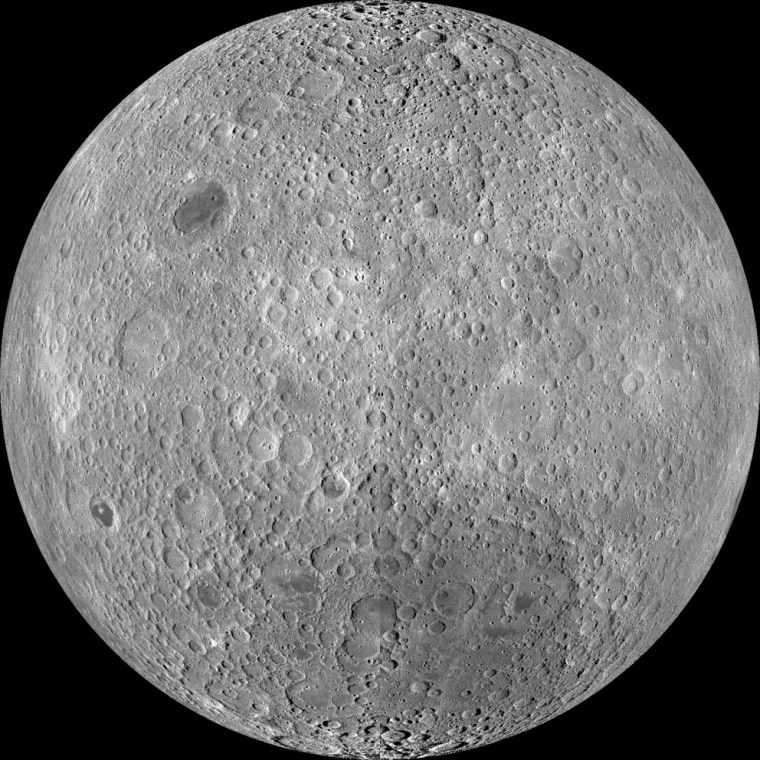
DSOTM farside NASALast week I went to the Burke Baker Planetarium at the Houston Museum of Natural Science with my daughter’s family and watched a light show accompanied by music from Pink Floyd. The computer graphic extravaganza shown on the domed roof of the planetarium features the sounds of the rock album Dark Side of the Moon flush with the inventive sounds that made the band so popular. The experience was a feast for the senses that carried my mind and imagination to many places.
Long ago I had spent a similar night out with my daughters and my dear friend Pat and her kids. Because she had an adventurous spirit I never knew what to expect on our excursions and true to form she surprised us one evening with the announcement that we would be attending a laser show at the Burke Baker Planetarium called Dark Side of the Moon. We arrived to find an odd gathering of young couples enjoying date night, sixties hippie throw backs with graying long hair, and groups of college students raucously joking and jabbing at one another. Our menagerie filled the theater and expectantly chattered in the semi-darkness waiting for the program to begin. With the first sound of heartbeats that mark the beginning and end of Pink Floyd’s musical adventure, our “girls‘ night out” became a time to remember, one of the many well orchestrated events planned by Pat.

I find myself missing the excursions with my dear friend and our patient daughters who stoically put up with our embarrassing antics even while they secretly enjoyed them. We ferreted out the Houston nightspots suitable for family and often found ourselves sipping on milkshakes at the 59 Diner at midnight or perusing the musical selections at one of the late night record stores where the only other customers were all decked out in their anti-establishment regalia. Pat of course never met a stranger and loved engaging in conversations with an array of interesting characters who introduced her to the quirky hidden treasures of our city like the Orange Show which we ultimately had to find and experience for ourselves. Pat opened windows on the world that I might never have even noticed had we not enjoyed those grand junkets together.

So it was that I thought of her when I once again sat in a remodeled Burke Baker Planetarium watching an updated version of Dark Side of the Moon. The computer graphics were more intricate than the old rendition and the sound literally reverberated on my skin. The sights and sounds once again drew me in. My mind traveled from the past to the present and into the future. In certain moments I felt as though it was 1972 once again and I was a young twenty something woman living through the excitement of an historical time so chaotic that our human destinies seemed certain to end badly. I was idealistic and rebellious back then, intent on bringing change and universal peace to the world. I identified with the challenging thoughts set forth in the lyrics by Pink Floyd and reveled in the inventiveness of their music. I naively believed that we humans had evolved to a point where we might actually find a way to live together in harmony forevermore.

Of course as I lived through that faraway decade to this moment I watched as humankind made a bit of progress here and there only to revert back to some of our baser habits in so many less than admirable moments. The years taught me that people follow patterns that even our long ago ancestors might have understood. We layer ourselves in the trappings of progress but have bad habits of creating false dichotomies of us versus them. We waste our time on pursuits that bring us only temporary happiness and run after money as though it is the ultimate goal of life. We measure our own worth against what we see as success in others. The brain damage that we inflict upon ourselves when we neglect to just breathe and indulge our senses in the colors of sight and sound that are all around us can leave us gasping for air. When all is said and done, as we find ourselves approaching the last decades of our lives we begin to finally see the world as it actually is rather than how we want it to be.

As I sat in the dark theater with my family sitting nearby I felt a sense of calmness as I pondered the questions posed by Pink Floyd and contemplated the brilliance of our species. My days have now slowed down. I no longer feel a sense of urgency in the things that I do. My goals are geared toward demonstrating the profound love that I feel for the people who populate my little corner of life. I have the luxury of pausing to enjoy the show produced by nature that is even more complex and exciting than anything that has ever been done by man. I appreciate both our glory and our flaws. I hear the heartbeat of mankind’s struggle to become loftier and more noble as well as our breathless sighs that demonstrate how much farther we have to go.

I understand now more than ever how important it is to catch those rainbow moments that my friend Pat invited me to enjoy with her. I realize that even a simple diversion like a light show with music from Dark Side of the Moon might be a life altering experience, a defining memory of friendship and a meeting of minds. It is up to each of us to open our hearts to the possibilities that are all around us and to now and again tarry just long enough to reflect on our progress as people.

The dark side of the moon is not a place without light, but the area of the lunar surface that is unknown to us because it faces away from the earth. There is no doubt  that we have yet to discover much about life and the universe, just as there are potentials within our own minds that have not been plumbed. The frontier inside our souls is worthy of our exploration. Perhaps Pat always understood that in the end it is not up to us to rearrange the trajectory of the world but rather to embrace the power and glory that we already possess and then share what we find out with others. That is when our windows on the universe fly open and we finally see the brilliant light that has always been there. 

Tick Tock

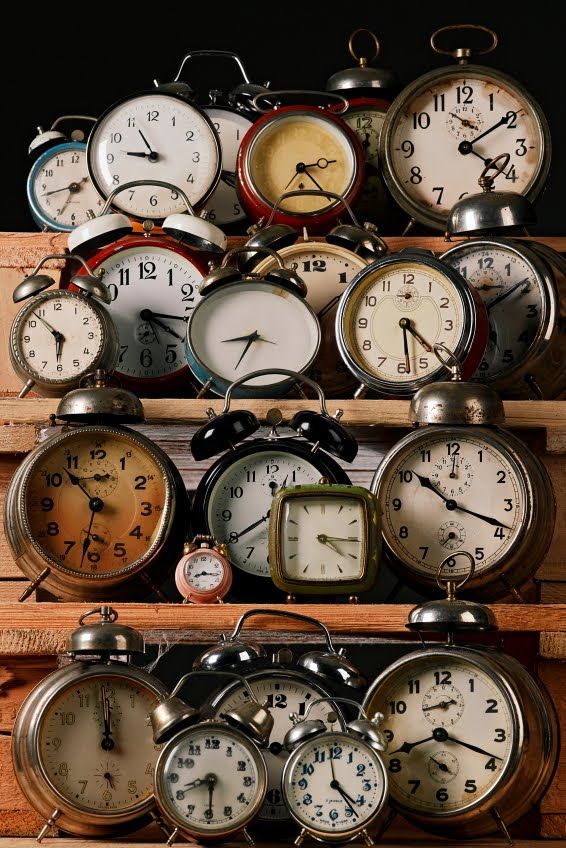
collection of vintage alarm clocksChange, chaos, confusion! No, I’m not speaking of the political realm but something far more insidious, the springing forward to Daylight Savings Time that occurs each March. Even after a week people are still dragging around trying to adjust their internal clocks to the loss of an hour and wondering just why we insist on torturing ourselves by moving the hands of our mantlepieces twice a year. Who thought of this process and does it really make a difference of any kind?

During World War I someone decided that Daylight Savings Time might help the country save energy. Maybe it was a good idea back then but somewhere along the way as our world turned into a twenty four hour frenzy of lights, television programming, computer use and shopping the concept of everyone quietly turning off their lights and going to bed doesn’t appear to be what it might once have been. Research shows that having an extra hour of daylight does little to curtail the use of electricity, gasoline, natural gas or any other form of energy, not the least of which is because we use the same hour’s worth of lighting when we rise in the dark each morning that we would have used if night came a bit earlier in the evening.

I recently read that more people have heart attacks and wrecks in the first weeks after a time change than at other moments in the year. Farmers report that their animals have difficulty adjusting to changing routines as well. So the burning question that keeps coming back to mind is why we torture ourselves by doing something that most of us dread? Why don’t we just choose either Daylight Savings Time or regular time and then stick with it forever? It would certainly be easier on the constitution.

I generally reach the point at which I am fully accustomed to the new timing just shortly before it is about to readjust again. I sleep well in those last weeks and feel a level of energy that is unbounded. Once we go through the gruesome alteration process I find myself dragging for weeks and I am plagued by insomnia for months. I suspect from comments that I hear that most people feel the way that I do. I don’t particularly care if my mornings are dark or my evenings come a bit earlier as long as I get to become acclimated to one way of marking time or another and then never again have to change unless I choose to travel to a different time zone.

Unfortunately we seem to be doomed to continuing the silly tradition of switching from one method of timing to another simply because we once started it. Have you ever noticed how reluctant we are to abandon a process once we decide to try it? It is some crazy aspect of human nature to prefer sticking with a plan even if that plan proves to be ridiculous. We see it most especially in government where that status quo becomes the way of doing things ad infinitum. We fear the idea of admitting that we my have been wrong about the merit of an idea and so we commit ourselves to absurdities again and again. It almost takes a rebellion to repeal a rule once we have made it part of our routine.

I applaud states like Arizona and Indiana that don’t go along with the time change shuffle. They merrily buck the tide and enjoy the certainty of no loss or gain in hours. They have no need of clock changers who must spend wasted time moving the hands of timepieces back and forth, back and forth twice each year.

I once saw an interesting documentary detailing the unbelievable number of days that it takes just to adjust all of the clocks that belong to the Queen of England. Many of them are complex antiques that must be very carefully calibrated and only experts are able to do so properly. It is a herculean task that is both expensive and time consuming.

I feel as though we have so many truly important problems in the world and recalibrating the time again and again should not be one of them. I advocate for suspending this policy and freeing ourselves from the tyranny of sleepless nights and energy-less days. I call for letting the natural rotation of the earth determine the timing of our habits just as it did for the thousands of years before someone got the not so bright idea of artificially determining when our days should begin and end.

Since it is more than likely that we will never rid ourselves of this onerous habit I instead extend my sympathies to those who become discombobulated each March and then again in the fall. I feel for all of the teachers who must spend the next many weeks looking at students slumped lazily on the tops of their desks. My heart goes out to the mothers of babies who insist on keeping to their sleep routines regardless of what the clocks may say. I understand the frustration of pet owners whose kitties and puppies react to the sun rather than the manmade schedule. For those like me who are now spending their nights staring at the ceiling I give you the hope that this too shall pass sometime around September or October just in time for it all to begin again.

What a piece of work is man. We sure know how to make things more complicated than they need to be. Maybe instead of making so many more new rules we may want to consider getting rid of some of the ones that make our lives more difficult. Starting with omitting all of the time changes seems to me to be a great place to start.

Let Squirrels Be Squirrels

squirrelsI’ve been watching a couple of squirrels terrorize each other as well as the peaceful doves who usually congregate in my backyard. The rascally critters have broken my bird feeder and spread seeds all over the grass. When I commented to my husband that I was angry that they had taken over my usually scenic area, he noted that they were just being what they were born to be.

It’s interesting that we allow members of the animal kingdom to follow their instincts but we so often want to push humans into being someone or something that just doesn’t feel right for them. We have this idea that everyone should go to college but the fact is that there are many wonderful jobs that require some training but not a degree. Someone who is a master electrician or plumber can have a comfortable and enjoyable life but we tend to freak out if our kids suggest that this is something that they would like to do.

I will never forget a long conversation that I had with one my students whose goal in life was to be a welder. His uncle was training him even before he had completed eighth grade. He had no desire to prepare for college. He loved the work that he was already doing.

I’ve known other young people who knew how to build custom wood floors and lay tile like it was going to be featured in the Taj Mahal. They were skilled in carpentry and able to fix cars. They had little desire to major in history of psychology. They wanted to work at refineries or in oil fields. They dreamed of becoming ranchers or farmers. They understood that they would make enough money to live rather well and it irritated them that instead of helping them to learn a viable trade those of us in the education biz were constantly attempting to wedge them into a collegiate box.

The same is true when it comes to choosing majors. There are those who honestly believe that if we just make science, mathematics and engineering seem exciting enough that more and more students will study for jobs in those fields. The truth is that some people simply are not interested in any way whatsoever in pursuing such technical careers just as my brother, the rocket scientist, would have been appalled at the idea of studying literature or poetry. Instead of insisting that every single high school student be required to build a college bound resume maybe it’s time for us to be more realistic and actually take the time to find out where each individual’s interests and talents lie.

One of the best classes that I ever took was one that I initially dreaded. It was a futures course entitled “Careers.” It seemed to be a total waste of time but once I had completed all of its requirements I understood myself so much more. It was far easier to outline work goals and to have an idea of where I might go in life. It identified my altruistic nature and the fact that I needed to feel as though I was making a difference in people’s lives to be truly happy in a job. It noted my creative bent, my diplomatic skills and my need for human interactions. Suddenly I realized that education was the perfect avenue in which I might use my talents. Indeed I found great happiness in my work, if not a fortune in earnings, something that was never that important to me.

Perhaps the gravest mistake that we make with our young is in placing more importance on certain lines of work than others, giving the impression that some occupations are not particularly worthwhile. We groan if our children suggest that they want to be writers and often redirect their interests before they have even had the opportunity to test the waters. I was told over and over again in high school that my desire to be a journalist was a silly pipe dream, a waste of my valuable time. My mentors wanted me to be a doctor, an engineer or a certified public accountant, none of which sounded like something that I wanted to do day in and day out. The adults in my life felt that I had the intellect to enter a career that would bring wealth to me but I was of a different mind. In the end happiness is as important in deciding such things as monetary gain.

I suspect that the entire educational system would greatly improve if we were to spend more time listening to our students and attempting to help them to find out how to use their abilities and interests to build a career. We need to be honest with them in admitting that a college degree alone does not insure a productive and happy life. We need to provide them with more choices than just a STEM or Liberal Arts degree. We need to particularly work with students who may not have any idea of the many possibilities for satisfactory work.

I was one of those kids who was quite limited in my knowledge of the world. My  isolated point of view had little idea of many careers that I might actually have enjoyed. It would have been wonderful to have more guidance from my teachers and counselors than how to fill out a college application. I got lucky when I took that Careers class in college and found my way on my own but not everyone is so fortunate. Far too many young people today graduate with enormous amounts of debt and no idea of how to transform the knowledge that they have gained into a real position that they will enjoy. Many times they fall into majors without much information as to how to use them in real world settings. There is a certain immorality in the ways that we so often mislead our students into believing that any kind of college degree will bring them the success that they seek. It’s time that we begin to rethink the way we help them so that they might find out what they were born to be.

Each of us have special aptitudes, talents and characteristics which if channeled properly lead to incredibly happy and secure lives. It should not be as difficult to find out what those things are as it presently is. We have the tools for unlocking the essence of each person.  We need to use that information more effectively. If we can let squirrels be squirrels then we should be willing to celebrate the incredible variety that is who each of us might be.