
 Last week I went to the Burke Baker Planetarium at the Houston Museum of Natural Science with my daughter’s family and watched a light show accompanied by music from Pink Floyd. The computer graphic extravaganza shown on the domed roof of the planetarium features the sounds of the rock album Dark Side of the Moon flush with the inventive sounds that made the band so popular. The experience was a feast for the senses that carried my mind and imagination to many places.
Long ago I had spent a similar night out with my daughters and my dear friend Pat and her kids. Because she had an adventurous spirit I never knew what to expect on our excursions and true to form she surprised us one evening with the announcement that we would be attending a laser show at the Burke Baker Planetarium called Dark Side of the Moon. We arrived to find an odd gathering of young couples enjoying date night, sixties hippie throw backs with graying long hair, and groups of college students raucously joking and jabbing at one another. Our menagerie filled the theater and expectantly chattered in the semi-darkness waiting for the program to begin. With the first sound of heartbeats that mark the beginning and end of Pink Floyd’s musical adventure, our “girls‘ night out” became a time to remember, one of the many well orchestrated events planned by Pat.
I find myself missing the excursions with my dear friend and our patient daughters who stoically put up with our embarrassing antics even while they secretly enjoyed them. We ferreted out the Houston nightspots suitable for family and often found ourselves sipping on milkshakes at the 59 Diner at midnight or perusing the musical selections at one of the late night record stores where the only other customers were all decked out in their anti-establishment regalia. Pat of course never met a stranger and loved engaging in conversations with an array of interesting characters who introduced her to the quirky hidden treasures of our city like the Orange Show which we ultimately had to find and experience for ourselves. Pat opened windows on the world that I might never have even noticed had we not enjoyed those grand junkets together.
So it was that I thought of her when I once again sat in a remodeled Burke Baker Planetarium watching an updated version of Dark Side of the Moon. The computer graphics were more intricate than the old rendition and the sound literally reverberated on my skin. The sights and sounds once again drew me in. My mind traveled from the past to the present and into the future. In certain moments I felt as though it was 1972 once again and I was a young twenty something woman living through the excitement of an historical time so chaotic that our human destinies seemed certain to end badly. I was idealistic and rebellious back then, intent on bringing change and universal peace to the world. I identified with the challenging thoughts set forth in the lyrics by Pink Floyd and reveled in the inventiveness of their music. I naively believed that we humans had evolved to a point where we might actually find a way to live together in harmony forevermore.
Of course as I lived through that faraway decade to this moment I watched as humankind made a bit of progress here and there only to revert back to some of our baser habits in so many less than admirable moments. The years taught me that people follow patterns that even our long ago ancestors might have understood. We layer ourselves in the trappings of progress but have bad habits of creating false dichotomies of us versus them. We waste our time on pursuits that bring us only temporary happiness and run after money as though it is the ultimate goal of life. We measure our own worth against what we see as success in others. The brain damage that we inflict upon ourselves when we neglect to just breathe and indulge our senses in the colors of sight and sound that are all around us can leave us gasping for air. When all is said and done, as we find ourselves approaching the last decades of our lives we begin to finally see the world as it actually is rather than how we want it to be.
As I sat in the dark theater with my family sitting nearby I felt a sense of calmness as I pondered the questions posed by Pink Floyd and contemplated the brilliance of our species. My days have now slowed down. I no longer feel a sense of urgency in the things that I do. My goals are geared toward demonstrating the profound love that I feel for the people who populate my little corner of life. I have the luxury of pausing to enjoy the show produced by nature that is even more complex and exciting than anything that has ever been done by man. I appreciate both our glory and our flaws. I hear the heartbeat of mankind’s struggle to become loftier and more noble as well as our breathless sighs that demonstrate how much farther we have to go.
I understand now more than ever how important it is to catch those rainbow moments that my friend Pat invited me to enjoy with her. I realize that even a simple diversion like a light show with music from Dark Side of the Moon might be a life altering experience, a defining memory of friendship and a meeting of minds. It is up to each of us to open our hearts to the possibilities that are all around us and to now and again tarry just long enough to reflect on our progress as people.
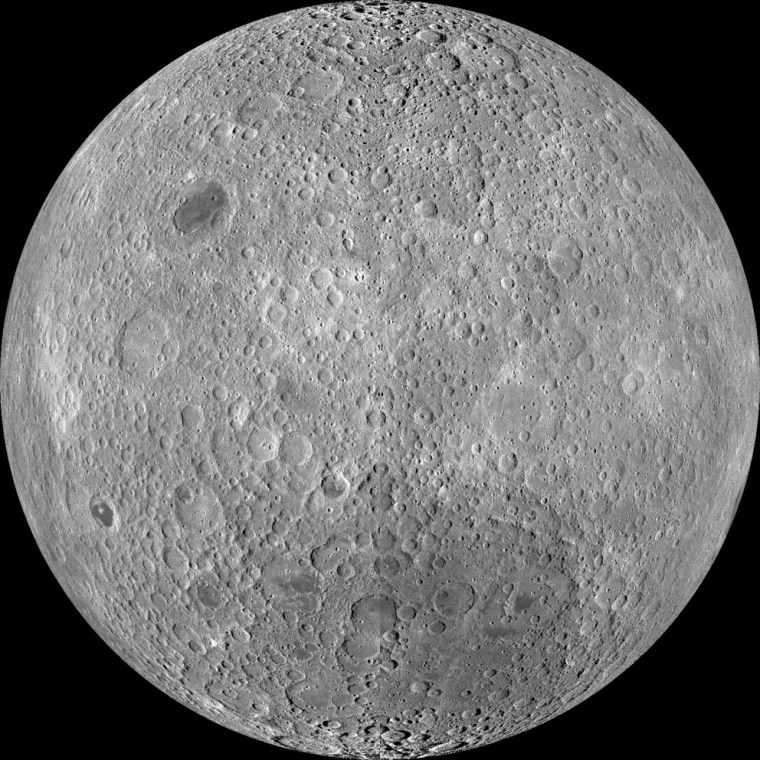
The dark side of the moon is not a place without light, but the area of the lunar surface that is unknown to us because it faces away from the earth. There is no doubt that we have yet to discover much about life and the universe, just as there are potentials within our own minds that have not been plumbed. The frontier inside our souls is worthy of our exploration. Perhaps Pat always understood that in the end it is not up to us to rearrange the trajectory of the world but rather to embrace the power and glory that we already possess and then share what we find out with others. That is when our windows on the universe fly open and we finally see the brilliant light that has always been there.
 Blessed are they who see beautiful things in humble places where others see nothing.
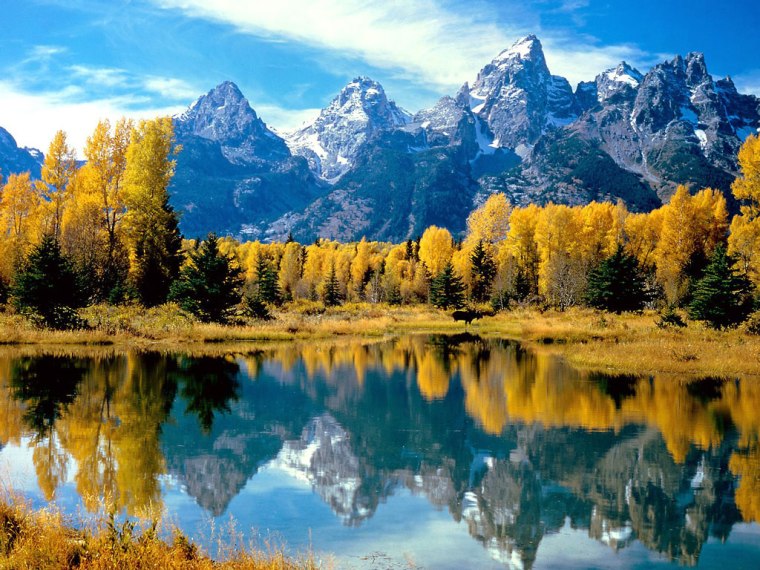 Most of my life has been directed by the school year calendar. Whether as a student, a parent or an educator I measured my days in six or nine week cycles filled with reading, study and compositions. It was only in the warm months of June, July and August that I had enough free time to experience the wonders of nature beyond the confines of places near my home. I saw the world from the perspective of only a quarter slice of time. I had little idea that so much was happening in the places that I so loved while I was ensconced in classrooms and libraries. Because I did not have the benefit of taking a vacation at a time of my own choosing I never truly experienced the changing of the seasons or the differences in color and light from one month to the next. Mine was always a holiday shared with vast crowds. It was not until I finally retired from my labors that I began to see the world around me in new and quite enchanting ways.
 It was 1962, and I was in the final semester of eighth grade. When we walked into Mrs. Colby’s science class she had a television perched on top of a tall cart. It’s black and white picture was tuned to one of the three major broadcasting stations. She quickly explained that we were going to have the privilege of seeing history unfold. We were to watch the first man who would orbit the earth, John Glenn. I felt breathlessly excited. My city of Houston was the site of NASA’s Manned Spacecraft Center, a place where the seven original astronauts lived and trained. I knew that I was witnessing something incredible that I would never forget.
  I love gazing at the heavens. Unfortunately I live in the fourth largest city in the United States and the proliferation of lights has made it rather difficult to see the stars in the sky. Only the moon and a few very bright orbs are able to overcome the competition from manmade illumination. When I was a child ours was a small town by most standards, surrounded by a number of farming and ranching communities which have now become heavily inhabited suburbs. I now have to drive a rather long way to reach a place where the stars at night are actually big and bright. Luckily the moon somehow manages to maintain its dominance over the night even where I live. As long as the clouds do not shroud it I am able to watch its phases cycle through a routine that is as familiar to me as the passage of the sun. I have never grown weary of looking skyward to see how the man in the moon is doing.
 All It Takes Is A Little Love