At Odds With Ourselves

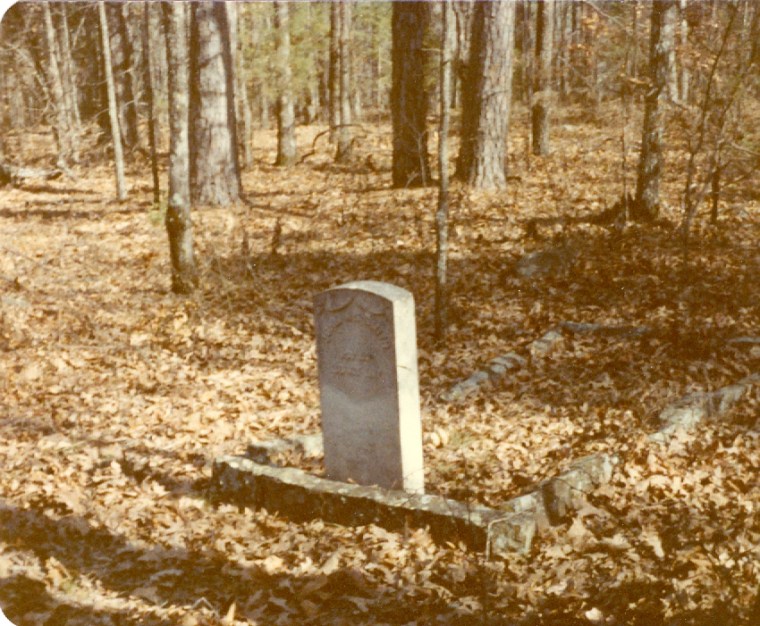
79310435_131963728899I’ve spoken before of my great grandfather John William Seth Smith who served in the Union Army during the Civil War. I know what I do about his service because he died fairly young and his widow, my great grandmother, filed for a pension from the Army based on strong evidence that his health woes began while he was serving in that horrible conflict. In official documents she describes the horrific conditions that he endured that left him with multiple health problems from which he never improved. She furthermore noted the depression that he suffered from the memories of war that weighed heavily on him all the days of his life.

I suspect that many young men from both the north and the south were permanently damaged from what they saw. There is never anything easy about being on a battlefield and the trauma of being a soldier must have been doubly compounded by the reality that the men were sometimes fighting their brothers and neighbors. I can’t even begin to imagine how horrible the four years were during which the very life of our country was under siege. Surely the differences that divided the citizens might have been settled in less extreme ways. In retrospect it is quite clear that the fighting was foolhardy and immensely hurtful to everyone but at the time there were far too many who harbored so much anger that they were unable to engage in rational negotiations. A complete and total severing of relationships appeared to be the only feasible path. Four years later the flower of youth in both north and south had been decimated by the rancor.

I’d like to think that we have learned a powerful lesson from that terrible war, but of late I have begun to worry that perhaps we no longer remember the price that people paid in refusing to settle differences. My grandfather was one of the lucky ones who lived through the battles but his body and his mind were both with riddled pain from what he witnessed. I suspect that if he were able to speak to us today he would warn us to beware of the unwillingness to compromise in our political leanings. In the end he found a modicum of peace only by living a rather isolated existence in the middle of a great forest as far away from any possible conflict as he was able to be.

Civil wars always take an immeasurable human toll. Right now there are so many places on earth where people from the same country are fighting with one another over ideologies, some of which are political and some religious. Innocents who only wish to be left alone have lost their homes, their possessions and their lives. In Iraq ISIS continues its reign of terror but even more terrible is the fact that people are often also victims of the infighting between Kurds and Muslims, Sunis and Shias, everyone and Christians. Nobody trusts anybody. Even watching a family walk innocently down the street is cause for fear lest any one of the members, including women and children, be a suicide bomber. Life has become hell for people in cities like Mosul which has become a place of ruin and fear 

Syria is has its own form of hell that has sent millions fleeing for safety. Sadly even in the refugee camps there is quibbling between are from different religious sects. Christians have had to flee from the sometimes gross mistreatment from their fellow refugees and many of them have been forced to live in the open in the mountains, homeless and frightened. The situations in these war torn areas are so complex that there are not simple answers.It saddens me to think of man’s inhumanity to his fellow man, and I simply cannot understand how things become so inconsolable between people that they feel that hurting one another is the only answer.

There is far too much animosity brewing in the world at this moment and our own country is becoming more and more divided by the day. It is disheartening and frightening. I hear people speaking of riots, violence, coups and martial law. Such mutterings make me wonder if we are dangerously close to another civil war.

Fear all too often leads to anger and unrelenting anger begets hate. I worry that we are whipping ourselves into a frenzy. Even our leaders are boasting that they will never work with one another. It is as though they actually want us to break apart. They almost appear to delight in the battles. Mostly though what bothers me is the behavior that I see among the regular citizens who have become so enraged that they have lost sight of civility. Friends stand at odds with friends. Families are choosing up sides. There is an ever growing tension that is frightening. 

I posted an article on Facebook last week hoping to prompt some discussion of ideas. To say that the resulting commentary was lively is an understatement. I finally ended the back and forth by noting that in spite of the many different schools of thought, some of which were very different from my own, I still love everyone who contributed to the conversation. I find myself asking when we Americans became so loathe to allow differences of opinion. I wonder why we seem no longer able to learn from one another. When did we begin the practice of summarily dismissing anyone who dares to suggest an idea unaligned with our own?

I have observed multiple instances of friends and relatives reaching a point of no return in their relationships over discussions that grew unnecessarily dark and angry. Is this the way a civil rupture begins? Are we seeing the first bubbles in the bottom of a heated argument that will ultimately grow into a rolling boil? Why are we even risking the possibility of tearing our country apart? Why can’t we find a way to get along and why is there nobody willing to take the lead in doing it?

The media isn’t helping. In fact they seem to be almost unable to contain their glee over the excitement that is percolating. Our president isn’t making a move to bring us together. In fact he is stirring the pot, bragging about how great his ideas are and refusing to admit to mistakes or apologize for unfair insults. The democrats are little better in refusing to work with their republican peers and inciting even more anger. Everyone is boasting that they are going to fight. To what desirable end can all of this lead? As far as I can see it is only causing a rent in the fabric of our nation that will be difficult if impossible to mend. We have been this way before in our history and the outcome was not good. What would make any of us think that refusing to work together is going to solve any of the problems? Are our leaders so worried about being elected that they would rather tear our country apart than have the courage to bring it together again?

Yes. I am very worried. We do have many problems and there may even come a time but the ways in which our leaders are approaching them is very destructive. Those of us who are ordinary citizens will ultimately all be hurt and even more so if we turn on one another. I think that we all need to look into our hearts and find the will to be an example for our leaders who seem to have lost their way. They will ultimately bend to our will if enough of us join hands and let them know that we have want a government that strives to work together, not one based on gridlock and anger. We can start a movement by shoring up those relationships with our friends, and neighbors and kin with whom we may have disagreed in the past. We must begin to respect one another again and save our righteous indignation for the truly evil. Hate only leads to more hate. It is in love and forgiveness that we will find the safety and comfort that we all wish to enjoy.

Love Is Still The Answer

two-people-holding-hands-connection-love-vulnerability1I was nineteen years old that April when Dr. Martin Luther King, Jr. died. I felt as though I myself had been attacked by a bullet when I heard the news of his assassination. I was shocked, devastated. He was and remains my hero, a larger than life figure who made a lasting imprint on my life when I was only tentatively entering adulthood. That was almost fifty years ago and in the years that followed his murder I have lived through a lifetime and become what society views as an old woman. Still the memories that I have of Dr. King are as fresh and vibrant as if they had occurred only yesterday. I cherish the fact that I was old enough to remember the world as it was before he so courageously sought to change it. For it is in knowing the impact of his influence that I am able to understand why he is perhaps the most important figure of the twentieth century.

I am a child of the south who saw the injustice of segregation. I used to ride a bus to downtown Houston with my mother from our home just a block away from what was then called South Park Boulevard. I enjoyed those adventures on public transportation far more than simply jumping into our car and riding to our favorite shopping spots. My mother had grown up taking a bus into town from her childhood house near Navigation. She regularly jumped aboard the carrier that transported her to shopping, movies and her first paid jobs. It felt natural to her to take a bus to get around the city rather than to fight traffic and so we often waited on the corner until the great big conveyance stopped to let us on.

There were not usually many people on the bus when we first stepped aboard but by the time that we reached our downtown destination it was packed. Back then I was only five or six years old and thought little about the seating arrangements that were literally dictated by law. There was an invisible line of demarcation separating those of us with white skin from our fellow Houstonians with darker complexions. They mostly joined us on our journey as we got closer to downtown, usually around Scott Street, obediently moving to the seats in the back, quietly enduring their humiliation.

As a child I was curious to know why such traditions existed but the way in which my mother would silence my inquiries told me that there was something secret and painful about the situation that I was not deemed old enough to understand. I remember sneaking peeks at my fellow travelers and wondering why we needed to be set apart from one another. I was still an obedient child and dared not question my elders but the whole thing seemed rather silly to me.

Our city was filled with shameful rules that prohibited those same folks who sat at the back of the bus from eating in the restaurants where we enjoyed lunch. There were separate water fountains and bathrooms for them as well. I didn’t understand but I complied with the unjust directions while questions began swirling inside my head even back then. I suppose that I have always been a bit of an old soul and my five year old mind felt the wrongness of what was happening even while the adults around me seemed not to even notice.

I came of age in the nineteen sixties, turbulent times defined by war, violence and open protest and questioning. Television had become a commonplace way of viewing world events on a nightly basis. I was educated by nuns and priests from the north whose points of view were often more radical than those of the southerners who were my neighbors and fellow citizens. I had eagerly watched the civil rights movement unfold from the summer when I took my last vacation with my father before he died. I was seven then and those weeks were punctuated by an awakening within my mind. I had overheard discussions between my father and grandfather about integration efforts in schools in Arkansas. I saw African Americans mingling with whites during our trip to Chicago as though there was nothing more natural. Somehow I realized that the way of doing things in my hometown were wrong and I audaciously announced my feelings to my parents who urged me to be cautious in pronouncing such radical ideas to strangers who might not take so kindly to my thinking.

By the time I was a teenager my sense of justice was full blown and I was no longer afraid to speak my mind. Dr. Martin Luther King, Jr. had become the embodiment of all of the values that I held dear. He was a hero of enormous magnitude in my mind. His was a message of love and tolerance. He was noble and brave and seemed to follow the teachings and example of Jesus Himself. Little did I truly understand the depth of this remarkable man. I worshipped him only superficially without knowing how human he was and how difficult and dangerous it was for him to assume the mantle of leadership in a cause that would ultimately lead him to his death. I would be nearer to the age that he was when he died before I would truly understand his greatness.

I have read many books and stories about Dr. Martin Luther King, Jr. He was thrust into a battle for justice that he did not seek. He was given a gift of oratory that was able to put the frustrations of his brothers and sisters into unforgettable words. Time and again he had to pray for the strength to endure the hatred that followed and threatened him wherever he went. He might have turned away from his destiny but somehow he soldiered on again and again. Always he spoke of unity and tolerance and the power of love. The more I learned about him, the larger his influence loomed in my mind. He was undoubtedly one of the the greatest Americans of all time, deserving of a place in history alongside the likes of George Washington and Abraham Lincoln.

Martin Luther King was struck down before his work was finished but he had accomplished so much. Young people today can’t even begin to imagine the horror of segregation that I witnessed and thankfully didn’t have to endure simply because I was born with white skin. We have truly come a long way from those days but there is still divisiveness in many circles. While it should not make the least bit of difference, there are still those who make judgements about their fellow humans based only on the color of skin or texture of hair. A residue of the kind of hatefulness that prompted the assassination of Dr. King remains even almost fifty years later. When, I wonder, will the ugliness be completely eradicated from our thinking and what will it take to get us to a place where there are no more Dylan Roofs who slaughter innocents peacefully going about their lives at church?

I am almost thirty years older than Dr. King was when he died. He never got the opportunity to see the changes that I have seen. He did not live to witness the first African American President of the United States. He never realized the ultimate power of his legacy. He was instead quite weary on the day that he died. His energy and enthusiasm were severely taxed because there was still so much more work to be done. He experienced profound agony in understanding that man’s inhumanity to man is an evil that must be overcome one person and one situation at a time in an almost endless cycle. Still he held fast to a belief in possibilities, reminding us again and again that “love is the only force capable of transforming an enemy into a friend.” He fully believed those words as do I to this very day.

Our world is in a state of tumult once again. Our young in particular are questioning the way we do things just as our children have throughout history. They look at our society with fresh eyes and wonderment. They are searching for answers to the questions that daunt them and redress to the unfairness that they see. I pray that they too will find a hero as magnificent as mine. Dr. Martin Luther King, Jr. was imperfect like those who founded our country but he rose above his fears and his flaws to lead us in a cause that was far bigger than himself. He did so with grace and sacrifice and showed us what we can accomplish if we put love at the forefront of our lives.

Open Hearts

1ebff25909b8878c31424a09e6757466I was eight years old when my family and I went to the Trail Drive In to see Tammy starring Debbie Reynolds. I truly enjoyed that movie much as today’s young girls like to watch the programs on the Disney Channel. It was a wholesome and uncomplicated film about an innocent seventeen year old who finds love for the first time. I instantly learned the words to the song Tammy that Debbie Reynolds sang so romantically in the film and belted out the simple tune as I rode my bicycle around the neighborhood. Mostly I became an unapologetic fan of Debbie Reynolds after seeing Tammy and never lost my admiration for her even as the years went by and I became a well seasoned woman.

I often caught snatches of the conversations that my mother had with her sisters when I was a child and I knew that they highly approved of Debbie Reynolds. She was an all American princess in their eyes, as uncomplicated and lovely as the character she played in Tammy. One of my aunts often read a magazine called Confidential which was a precursor to The National Enquirer. I remember seeing photos of Debbie Reynolds in the pages of that publication with her husband Eddie Fisher. He was a singer and a heartthrob of sorts but I never particularly cared for him. Because I was still an uninitiated child I thought that Debbie had the most perfect life nonetheless and I wanted to be just like her one day.

Eventually a tremendous Hollywood scandal made the headlines. Debbie Reynolds and Eddie Fisher had been close friends with Elizabeth Taylor and her husband, Mike Todd. They had even named their son Todd. When Mike Todd died suddenly in a plane crash a grieving Elizabeth Taylor found comfort from her good friends, especially Eddie. One thing led to another and the two stars wound up having an affair. Stories about the sordid incident seemed to be everywhere and of course my mom and her sisters were aghast by the turn of events as they whispered comments while they sipped on their coffee. I would have had to have been deaf not to hear them discussing how horrible the whole situation was and how much they felt for Debbie who by then was the mother of two children including a daughter named Carrie.

I loved Debbie Reynolds even more fiercely after that sensational scandal and thought of her as a brave warrior who somehow soldiered on even after enduring public humiliation. It would be decades before I would be able to forgive Elizabeth Taylor for her egregious behavior and I disliked Eddie Fisher forevermore. I was happy when his star power plummeted in the aftermath. He ultimately disappeared from the limelight and his tryst with Elizabeth was short lived, but Debbie continued to perform and remained beloved to me and her fans.

I was grown when I finally discovered the movie that seemed to most accurately depict the duality of sweetness and spunk that seemed to define the real Debbie Reynolds. Singing In the Rain became one of my all time favorite films. The casting was incredible and Debbie more than held her own with giants of the screen like Gene Kelly and Donald O’Conner. There are few scenes from cinema that are as iconic as the one in which she dances with her male co-stars and they all three end up tilting over a sofa. Her star quality shone through and that charisma would never die even after she left the silver screen for a quieter life.

Debbie Reynolds showed up from time to time in Las Vegas and on television programs like Will and Grace where she always seemed to light up the room but it was her daughter Carrie who would eventually become even more of a Hollywood icon than she had been. When Carrie Fisher played the role of Princess Leia in the Star Wars series she immediately became a role model for a new generation of little girls just as her mom had been for me. Carrie was beautiful and intelligent and showed the same spark of independence that her mom had always displayed. Young men across the world fell in love with her more feminist version of the ideal woman. She was an equal to the male characters who fought side by side with her against the dark side of life.

Carrie Fisher had a brilliant mind and went on to display her intellect and her sense of humor in the five books that she eventually wrote. She possessed a sometimes defiant honesty in which she told of her own demons and struggles. For a time she was estranged from her mother because of her willingness to so publicly speak of her life. She suffered from addictions and mental health issues and was never afraid to talk openly about them. She became an outspoken advocate for everyone who deals with the heartache and loss that comes from fighting for their mental well being. She understood that by admitting her own weaknesses she not only freed herself from their grasp but helped others who so often feel abandoned and alone in the battles against their cravings.   

The world was shocked to hear of Carrie Fisher’s death from a heart attack that she suffered while flying home on Christmas Day. Her many fans both young and old recalled the joy that she had brought to them. Her friends and family grieved for the giving and sensitive person that she was. Her mother Debbie was distraught and missed her beloved daughter immediately. Only one day later she too died, possibly from a stroke.

After my father was killed in a car crash at the age of thirty three my grandmother commented that she had lost her parents, many siblings and even a husband but the death of her child was the most difficult thing that she had ever endured. I watched her change from that day forward. She was a fighter who carried on but there was a shadow of sadness that seemed to follow her in spite of her efforts to smile and be optimistic. She spoke often and wistfully of my father and provided me with snatches of her own history as though she was preparing me for her own demise. Eventually she was diagnosed with stage four cancer and she died after a short but painful battle. Somehow I always felt that it was her broken heart that took her and I suspect that the same might be true of Debbie Reynolds. It is just so incredibly shocking and wrong in the grand scheme of things to lose a child.

I feel a profound sadness today as I think of the family of Debbie Reynolds and Carrie Fisher. They will be dealing with a great deal of pain in the coming days and weeks and months. In the end the icons that we so worship as fans are just people like ourselves. They have brothers and daughters and close friends who love them and know them in the most personal ways, “warts and all” as my mother used to say. Behind all of the glitz and glamor of Hollywood are humans who experience the very same feelings that we all have. They give away much of their own privacy to those of us who fantasize about them and make them famous. We share vicariously in their triumphs and their tragedies but we never truly know them. We forget just how human they really are. The death of Debbie Reynolds just one day after her daughter reminds us of what matters the most in life. In the final analysis the most important thing that we do each day is to love and never forget just how fragile the human experience is. We can’t take a single day for granted because we never really know what our final destiny will be. We need to attempt to live with courage and open hearts like Debbie Reynolds and her daughter Carrie Fisher tried so valiantly to do.

The Terror of Fear

Fear-Is-the-Killer1.jpgterror

noun  1 a state of intense fear 2 a: one that inspires fear (scourge) b: a frightening aspect c: a cause of anxiety (worry) d: an appalling person or thing (brat) 3 reign of terror 4 violent or destructive acts committed by groups in order to intimidate a population or government into granting their demands

We live in frightening times, of that there can be no argument. Still, for the most part we carry on with our daily lives not allowing the fears that reside in our minds to overtake us. Each of us worries to a lesser or greater extent about personal problems that range from difficulties with finances to concerns about a dire medical diagnosis for a loved one. Mostly we have little time or energy to expend on thoughts about the world at large even as we are barraged with daily news reports of happenings in places far from our homes. As long as trouble is not in our own backyard we mostly give only passing notice to pain and suffering. The job of a terrorist is to create an action that is so unusual in its brutal disregard for humanity that it gives us pause and causes us to look over our shoulders and to feel the racing of our hearts. An act of terror is one that makes us afraid of the possibilities of horror in our daily lives. In its most extreme form it pushes us to isolate ourselves in fear.

Even though most of us understand that the odds of being a victim in a terrorist attack are quite literally one in many millions the randomness of such incidents makes us realize that they might happen anywhere and at any time. We might be dining out or celebrating with our coworkers at a party. That stroll down the street in our daily routine may be interrupted by murder and death. The most recent attacks have been in the most unlikely of places. We see that they might as well happen right next door.

We are carefully searched at big events. Our buildings now have barriers, armed guards, metal detectors. We are probably relatively safe at a highly publicized event. Terrorists search instead for the venues in which we have let down our vigilance, places that are so ordinary that it would not dawn on us to be afraid in them. Violence in such situations becomes even more horrifying because it is so unexpected.

My mother suffered from attacks of paranoia in relation to her bipolar disorder. At times she experienced psychotic episodes that were painful and terrifying. She became unable to function and locked herself inside her home in a state of unrelenting anxiety. Only with medical intervention was she able to return to a normal state of mind that allowed her to resume her usual activities. Until then she was convinced that her life and ours were in such grave danger that we should not venture out into the world. Such times were sad and toxic for her. Her illness literally held her captive and kept her from enjoying the beauty of our shared human experience.

In many ways the goal of terrorism is to create a similar sense of impending doom in all of us. The hope is that in witnessing shocking scenes of violence we will all become less and less willing to venture forth in defiance of the threats. The terrorist’s goal is to shut down our normal sense of security. Their desire is to make so many of us afraid that we will demand our leaders to defer to their agendas. It is a game of cat and mouse that all too often leads to senseless harm and a loss of freedoms for everyone. As the perpetrators ratchet up the horror even those who are far away from the events become a bit more wary than they might otherwise have been.

Ironically I learned how to experience the wonders of the world without fear from the strength and wisdom of my mother before she was afflicted with a mental illness. After my father died she was determined to be adventurous while still being cautious. She showed us how to be aware of the people around us and to note the potential dangers of different environments. By being rationally observant we never fell into harm’s way and we were ready with a plan if things went awry.

I recall helping my mother to notice everything that was happening around us. If a car followed us for many miles Mama would pull into a crowded area pretending to be part of a large group. From her I developed a kind of radar that allowed me to note the demeanor of the people around me. It was a skill that came in quite handy when I became a teacher. I was one of those individuals who seemed to have eyes in the back of my head. I generally ferreted out trouble before it even began.

To this day I am unwilling to enter an elevator when there is only one person inside. I take note of the exits in hotels and theaters in case I need to leave quickly. I almost unconsciously watch the people around me. I have developed a sixth sense. I have plans for what to do if trouble arises regardless of where I am. I do not dwell on such things. I simply consider the possibilities, formulate potential solutions and then go about the joy of celebrating life. I refuse to live in fear. 

I don’t mind taking off my shoes, opening my purse for inspection or walking through metal detectors. I know that such considerations are part of a plan to keep me safe. When a TSA agent is wary of a snow globe that one of my grandchildren purchased on a trip to New York City I applaud him for being careful. I don’t become angry when a guard in France gives me a full body search because I decided to bring home rock samples from my travels. I realize that such incidents happen in efforts to make me and those around me safe. They have become part and parcel of our new world order. What I do refuse to do is lock myself away because I am afraid of what might happen if I venture out. Once we begin to fold to the demands of terrorists we are truly doomed. They will not suddenly back away if we are compliant. They will only expect more and more deference to their wishes.

The world is mostly good. Of that I am certain. On any given day it is likely that our routines will be uneventful. Most of us will never see violence up close and personal. We need not fret or worry needlessly. Instead we must work together as world partners to find ways to eradicate those people and groups who would needlessly harm our brothers and sisters. If we stand strong and together the power of positivity will doom them just as it has throughout history. I for one intend to live courageously and to partake of life. I will not allow anyone to terrify me. It is the fear that kills us but only if we allow it to strangle us. Be not afraid.

Wise Fools

64-yearbookThe school year of 1963-1964 began typically enough for the Class of 1966. We were sophomores, the “wise fools” as the strict Latin translation proclaims. We entered our second year of study with confidence, perhaps not fully understanding how much we did not yet know. It was a year of change and those of us from the female side of the student body were excited about the new uniforms that appeared to be a tiny bit more fashionable than the dull brown pencil skirts that we had worn as freshmen. We arrived all decked out in our brown and white plaid pleated skirts, white blouses, and dark brown blazers. At least for a time we were glad for the opportunity to wear something different.

The Carmelite Fathers were celebrating their one hundredth year of service in America and it seemed fitting that we would rechristen our yearbook with the name, Zelo, alluding to the motto of the Order of Carmelites, Zelo zelatus sum pro Domino Deo exercituum, “With Zeal I have been zealous.” We returned for our second year believing that we had the whole high school experience figured out. Gone were the fears that we might be unable to meet the demands of our teachers. We had formed strong friendships and alliances with one another and we felt ready for anything that might come our way.

We were admittedly a bit less interested in academics than in the social aspects of school but that is rather typical of sophomores. Our teenage years were in full bloom with many preparing to earn driver’s licenses and make the grand leap into more independent lifestyles. We tackled the logic and proofs of Geometry with Mr. Maroney and became ever more proficient in Latin with Sister Wanda. Father Donald led us through the fundamentals of Biology and taught us how to dissect a living breathing frog and keep its heart beating even as we opened its body for observations. I have long suspected that my ultimate reluctance to pursue a career in medicine began inside the Biology lab when I was certain that I was going to faint from the stench of formaldehyde and the sight of that tiny heart fighting for a survival that was doomed.

Once again I had an English class with Father Shane and just as with the previous year it would be the highlight of my day. My biggest surprise came from Speech and Debate. I was then as timid as a little mouse but I somehow discovered the bold nature of my personality when Mrs. Lamping taught us how to use not just our words, but also our voices to communicate with strength and determination. I soared under her direction and soon found myself competing in debates with my partner, Claudia. We would never find the momentum to have a consistently winning season but I would learn so much about people and my interests would begin to take form.

Our handsome and beloved President Kennedy was proving his own mettle in national affairs and becoming ever more popular. He had faced down the Soviets in the Cuban Missile Crisis and gained the respect of even his detractors. He was coming to Texas in the fall of our sophomore year with a short stop in Houston before traveling to Dallas. It was November and I had turned fifteen years old only days before. I remember sitting in English class when Sister Margit came to the door to announce that President Kennedy had been shot. She was always such a jokester that I at first thought that she had gone a bit too far with one of her impish pranks but the look on her ashen face told me that she was not attempting to fool us. Along with my classmates I felt as though someone had just punched me in the stomach. I remember sitting silently for hours waiting for the school day to end and wondering if the world as I had known it would ever be the same. This terrible day would become the defining moment of our sophomore year of high school, a turning point when everything that we had ever known seemed to suddenly change. I suppose that we all grew up just a bit on that day and lost the unfettered innocence that had once been ours.

We eventually carried on just as the country did. We relied on the rituals and routines of school to occupy our minds and our time. The newspaper and yearbook staffs preserved our memories, the sports teams represented us in combats with rival schools. I kept my membership in the Medical Careers Club even though I was beginning to doubt that I was suited for a life in medicine. I religiously attended the Saturday night dances where I enjoyed meeting up with my friends and watching the couples sway on the dance floor. My teachers and my classmates were feeling more and more like family and I found great comfort in being with them day after day.

It officially snowed in February and our teachers allowed us to run outdoors to catch snowflakes on our tongues. It was a rather pathetic but typical version of Houston snowfall but it got us temporarily out of our classes. Our basketball team celebrated its one hundredth victory that same month and I learned that the round ball was my favorite sport. There were spiritual retreats and Bunny Hops and more and more of my classmates driving to school for the very first time.

In the spring we had our annual fundraising drive. Each of us had to sell a case of World’s Finest Chocolate, a feat that was rather difficult given that most of the people in the neighborhood had children with their own cases of candy to sell. This meant that we had to use our salesmanship skills with strangers. My cousin, Ingrid, and I became a team, traveling with our moms to any place where we thought that potential customers might lurk. Our favorite spots were bowling alleys, ice houses, and trailer parks. We were thrown out of many establishments in our quest to sell our wares but usually not before we had managed to deplete our inventory just a bit more. Somehow we always managed to meet our quotas but it was difficult work. Mostly though it taught me that people are generous souls who are inclined to help even when they have little to give.

We ended our sophomore year far more knowledgeable and ready to become role models as upperclassmen. Many of us had moved up in the ranks of the various organizations and had made names for ourselves in academics and sports. We were halfway through our journey through high school but were yet to realize just how quickly time flies. We were anxious to move on and to be at the top of the pecking order. We had earned our places as school leaders and we felt more than ready to conquer the world.