The Legacy

Mary B. Ulrich & Sharron

We each possess a unique gift which we might give our children and our grandchildren. It is the story of who we are and from whence we have come. The links that we provide from one generation to the next form a foundation for the young. Sometimes to get where they are going they need to know where they have been. They learn this when we tell them about our family history. 

I grew up in two different worlds. The first was marked by refinement and a certain level of privilege. Before my father died we lived in homes that were newer and more spacious than those of the other members of our extended family. Our house was always beautifully furnished and filled with books and music. We went on yearly vacations, traveling all over the United States in fancy cars. I mostly took my good fortune for granted. I had little idea how much work it had taken my father to earn his college degree so that he might have a well paying job that supported our lifestyle. I did not then understand that our position in the middle class had been an enormous social leap for both of my parents. I had no idea that our situation was as fragile as it actually was.

Part two of my biography was one of great challenges. My father’s death changed our situation in palatable ways. Our economic status shrunk overnight. My mother had to use her intellect and resources to stretch our budget into almost impossible proportions. Every decision had to be weighed and measured with great care lest we find ourselves without the basics of living. Somehow she always managed to see us through each struggle that we faced, but I still find myself wondering how she performed so many miracles. We had just what we needed to survive and not a bit more. Vacations became a thing of the past other than visiting our grandparents’ farm. Somehow in spite of the rigidity of our budget we never felt deprived. Our mother put food on the table at every meal and kept our few articles of clothing clean and mended.

As children we were entertained by friendships with children in the neighborhood. We built forts out of Christmas trees or by hanging sheets and bedspreads on the clotheslines where our laundry dried on warm sunny days. We held games of Red Rover and Swing the Statue in the front yard and rode our bicycles down to the woods or the park. Someone was always inventing some adventurous way of spending the daylight hours, and everyone ran free in their shorts and bare feet so that we hardly noticed that we may not have had clothes as fine as theirs.

On Friday nights we always went to visit our Slovakian grandmother who welcomed us with  mugs of sugary coffee laced with so much milk that we hardly noticed the taste of the brew. She gave us slices of fresh rye bread from Weingarten’s grocery and on very special days fried up slices of round steak in her big iron skillet.

The most English we ever heard from her was her greeting of “Hello, pretty boy/girl.” She made us feel loved and special even though we never once were able to have a conversation with her. Most of the time she sat in her chair and in the corner of her tiny living room smiling at us while we ran around like a bunch of noisy hell cats. My aunts and uncles engaged in games of penny poker or argued as though they were still young children vying for their mother’s attention. We played “hide and find,” our own version of the childhood game that has been around for centuries. Sometimes we created our own family newspaper or watched episodes of “The Twilight Zone” or Friday night wrestling.

We often sat in our bachelor uncle’s bedroom talking and telling jokes within view of his loaded pistol which we would never have dared to touch. Sadly we did use his records as coasters for our drinks, but he didn’t seem to notice our disrespect for his prize collection of music from Louis Armstrong and other jazz greats. We knew that he worked for the Post Office and had once been a railroad man until he broke his leg in an accident. He had matchbooks from gambling spots in Galveston and there was a mysterious air about him. He was both a bit scary and a great big teddy bear at one and the same time and he loved us all.

We often wondered about our grandfather who had died before most of us were born. We knew little of him, but heard that he had worked at a meat packing plant all the way up until the time that he had a stroke from which he eventually died. He had built a huge library of books of all sorts that he brought home one at a time each Friday evening after he was paid. He owned a cow that provided milk for his eight children and cherished the goal of one day having a farm of his own. Each Sunday afternoon he gave his family lessons on morality and good citizenship and taught them to be proud of who they were. I would have like to have met him because I think he must have been a very interesting man.

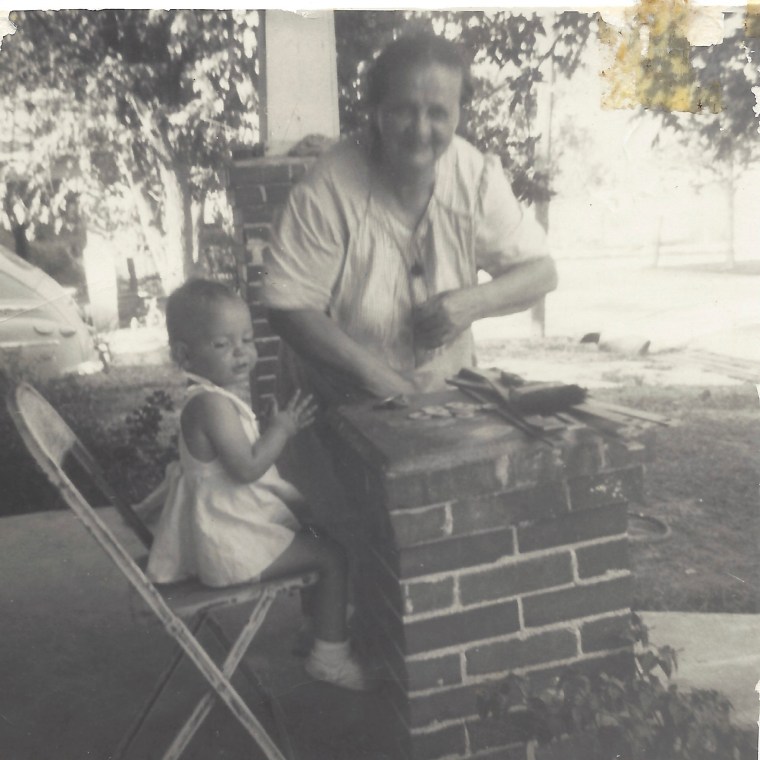
On Sundays we always went to see people from our father’s side of the family. Our mother thought that it was important for us to stay in contact with them. My paternal grandmother was a tiny woman who was famous for her cooking. Going to her house always meant that we would be treated to an extraordinary meal. When she wasn’t busy creating yummy dishes, she was either crocheting or embroidering or making quilts. Her sewing was like delicate works of art and her crooked old hands belied her ability to weave intricate stitches and knots. Her gardens were legendary and she even knew how to talk with birds. I always found it fascinating that her knowledge of the world was encyclopedic given that she was illiterate. I don’t have any recipes or instructions from her because she carried all that she knew inside her head.

My grandfather was a strong man with great big hands that he used to build things. He smoked a pipe and told the most delightful stories. He might have been a wonderful writer but for lack of time. He worked until he was eighty eight years old and only quit because his supervisor thought that his advanced age made him a liability. He read for hours every single day and was able to quote passages well into his nineties. He drove an old black Plymouth whose leather seats smelled of sweet tobacco. Life had always been hard for him, but he was a survivor of the highest order and insisted on maintaining optimism no matter how terrible things became.

I learned that I was from strong stock, people who were determined to live and love and carry on regardless of what befell them. They taught me the value of hard work, education and determination. They helped me to realize that I need not be held back by my circumstances. They encouraged me and my brothers to dream big and to believe in ourselves. They were always there in both the good and bad times. We knew that we were never alone, and still aren’t. This is who we were and what has made us who we are. Our children and grandchildren are part of the unending thread that traces back through the centuries. I hope that they always remember how grand and noble their heritage truly is. The legacy of their family is indeed rich.
Oh SNAP!

pexels-photo-890507.jpeg

Try to imagine living on a net monthly income of about one thousand dollars a month. It would create a constant struggle to meet even the most basic needs of food and housing. In the Houston area we have a lower cost of living than most places, but even here it’s difficult to find housing for less than seven or eight hundred dollars a month. Just paying rent alone takes a huge chunk from such a meager monthly budget, and when utilities are added to the bottom line there is very little left to take care of other basic needs.

Sadly there are very good people who work but still don’t manage to move past the level of poverty. Then, of course, there are the elderly who are no longer physically able to hold down jobs whose monthly checks provide them with ever diminishing spending power. To offset the hopelessness of living in such situations the federal government instituted the Supplementary Nutritional Assistance Program, otherwise known as SNAP.

Recipients of SNAP benefits must certify that they meet the standards of one hundred percent of the designated poverty income levels. They may have a home but no more than a few thousand dollars in savings and other assets. Once they have been verified they receive an EBT card that has been preloaded with funds that they may spend at designated grocery stores for the purchase of food. Eligible recipients are free to choose the items that they prefer but may not make nonfood purchases with the card, nor may they include certain products like beer or wine. SNAP requires individuals and families to continually certify their financial status to insure that eligibility requirements are being met.

While it is generally known is that many Americans are lacking proper nutrition in their diets, the SNAP program does not restrict particular food choices, even if those include soda, candy and other questionable snacks. Studies have shown that enforcing nutritional standards would make the program far too costly, as well as creating paperwork nightmares. Efforts to improve the delivery of wholesome foods to those needing assistance have been mostly unsuccessful. Recently President Donald Trump recommended a major change to the program that would take the element of choice from those receiving the benefits. He proposes a system that would send boxes of nonperishable food items to individuals and families each month rather than reloading funds into an EBT card. The suggestion has created a firestorm of criticism and concern.

Obviously the cost and logistics of delivering the food would be enormous. There are a number of nagging questions about how to make such a system effective, and many concerns about whether or not it is even possible. Take for example the situation of someone who is not home when the box arrives. Does the delivery person just leave the food hoping that it actually ends up where it is supposed to be, or does he notify the recipient to reschedule? How efficient would such a system be when deliveries have to be made to far flung rural areas? Who will be in charge of the distribution process? Will this kind of system require whole new staffs of people?

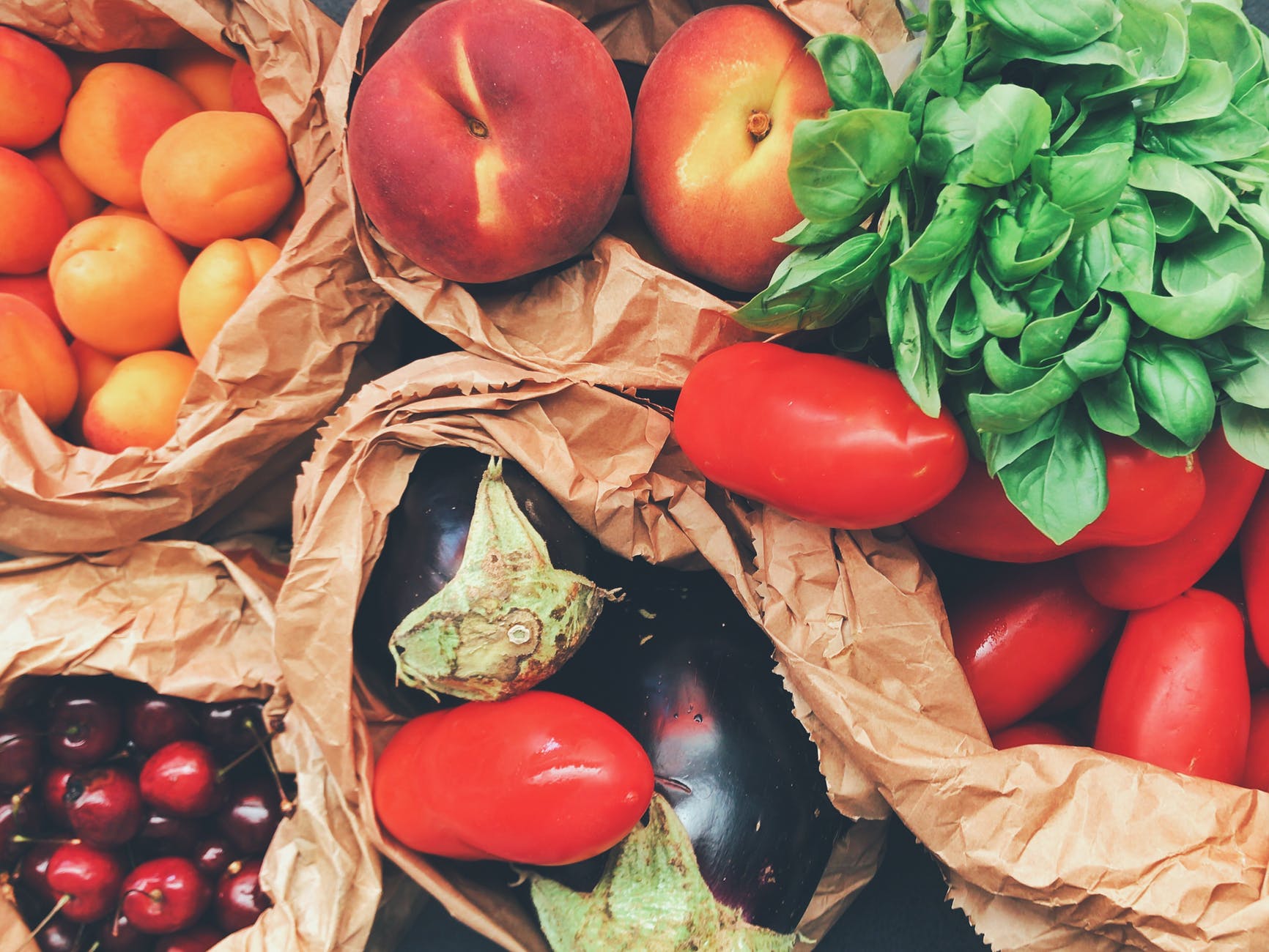
Of course the most obvious question literally becomes one of taste. Each of us has certain dietary preferences. I can’t imagine not having the freedom to decide what kinds of foods I might purchase, and I find it insensitive to think that the poor should not be allowed the same liberties that I enjoy. I also prefer fresh fruits and vegetables and the idea of only having canned varieties is a very unpleasant one.

My mom was a widow who never made a great deal of money. There was only a brief period of time in her life after my father died when she enjoyed a high standard of living. Most of the time, especially in her later years, she was only barely above the one hundred percent poverty level. At the time of her death she missed that standard by one hundred dollars a month. Even though she owned her home by then, she barely scraped by. She reached a point at which she was stretched to the maximum and yet she was not spending money frivolously. She rarely purchased new clothing or shoes. She did not own a car. Her house needed major repairs that had to wait. Much of her income went toward utilities, medical expenses, insurance costs, and food. She pinched every single penny, especially when it came to purchasing food, and yet she always managed to have a very healthy diet. Her secret was in choosing very carefully. Rarely did she buy canned items. Instead she bought seasonal vegetables and cuts of meat that were on sale.

My mom used the skills of meal planning and her knowledge of nutrition to prepare healthy meals. A carton of eggs lasted for a week and gave her a good breakfast to eat in six of the seven days. She searched for the stores that had the best prices and always bought her food for a bargain. She regularly chose meats that would provide her with multiple meals and vegetables that would be sides as well as ingredients for soups. She loved dried beans and there was rarely a week when she did not prepare a large pot of some kind of legume that would serve as lunch or dinner for many days.

I took my mother grocery shopping on Friday evenings and she would spend hours determining how to get the most bang from her buck. Rarely did she spend more than twenty five dollars and yet she managed to get bags and bags of items. She made it a kind of challenge to walk out of the store with a wonderful variety that she had purchased at a very low cost. In fact, she often urged me to join the competition and would raise an eyebrow at any extravagant purchases that I made, pointing out that the sale apples were just as good as the more expensive ones that I had chosen.

It was difficult for my mom to make it on her low income, and yet she did. She was profoundly independent and she was proud to be able to be the mistress of her own budget. She sometimes grumbled that she was just shy of receiving some assistance from the government, but she would not have taken anything away from those who did because she understood their plight. I suspect that she would have allowed more treats in her diet had she been given a bit more purchasing power. Mostly though she enjoyed the ability to choose. I think she would have found it distasteful to have someone insinuating that she was somehow ignorant or less than able to be her own mistress simply because her income was so sparse.

I understand all of the arguments from people who worry that the taxpayers’ money is often wasted on frivolous items that don’t seem to be necessary components of a healthy diet. What I find hypocritical is that some of the very same people complained loudly when First Lady Michelle Obama helped create nutrition rules for school lunches. They voiced their objections to being told what their children might eat. Many of them often insist that their private decisions should be their own, and I agree with that concept. I just don’t think that it is right to exclude the poor from the right to determine what will be on their tables at dinner time. It’s not up to us to make decisions for them even when they slip in a bag of cookies for their children. It’s good for the soul to have a treat here and there. Why would we want to deny them?

I am open to the concern that some of the SNAP funds are not being spent properly, but I just don’t believe that we need to be nannies or create programs that will become more complex than they need to be. Let’s think of better ways to help people bring nutritious meals to the tables of our fellow citizens without insinuating our own preferences on them. Let’s put ourselves in their shoes and demonstrate a bit of understanding. But for circumstances we might one day find ourselves in their shoes.