Bogey Men Under The Bed

bogeyman.jpg.560x0_q80_crop-smart

Not long ago I awoke in the morning to find that we had left the garage door open all night long and forgotten to lock the door into the house as well. I flew into a state of panic considering what might have happened to us had we not been very lucky, and I began to think about my experiences as a child. Back then our windows were wide open all summer long, all night long. We didn’t own an air conditioner, so we relied on the breeze from our attic fan to keep us relatively cool. It never occurred to us to be frightened that someone might enter our home quite easily, but it would have required little effort to pop out the screen and climb right inside. In fact, we had done just that a few times when we didn’t want our mom to know that we had been out and about a bit too late. She no doubt wasn’t fooled by our antics, but we thought ourselves quite adventurous. At no time did we imagine that someone with criminal intent might one day use the same route as ours to invade our home. We always felt quite safe whether we should have or not, and nothing ever happened to change our beliefs.

During the day we kept the doors to our home ajar as well. Friends and neighbors came and went with little more than a quick knock and a shouted “hello” to warn us that they were incoming. It was as though we were just one great big happy family in our community with nary a thought of home invasions or such. Perhaps we were naive, or maybe it really was as secure as we assumed.

The funny thing is that my mother was quite relaxed inside our little haven, but she was quite guarded whenever we were traveling through the city, especially at night. She was distrustful of strangers and instructed us over and over again in the necessity of avoiding any kind of contact with people that we did not know. She freaked out royally when I once accepted a ride from a man that I only minimally new. She raised such a ruckus that I found myself almost running if a stranger even looked my way. I suppose that I was more afraid of her anger than I was of someone that I did not know. Luckily it was quite rare for unknown persons to come our way.

I watched our little world change over time. My brothers and I moved away from home and my mom purchased a new house in a different neighborhood where she never felt quite as relaxed as she had in the home where I had grown up. She put chains and extra bolts on the doors and screwed her windows permanently shut. She installed peepholes and kept her blinds and drapes tightly shut. There was little wonder for her caution for not only was she living alone, but  she had also been burglarized multiple times by then. Fortunately the robbers only came when she was not home, but her fears grew nonetheless, as did my own.

I was living in a very nice apartment project where I had many good friends when i learned that one of them had been raped upon returning from the laundry room one day. A man had followed her back into her place and threatened her with a knife. She silently submitted to his demands because she had a sleeping child in another room, and she feared what might happen if the baby awakened. I recall the horror that all of us felt along with the unadulterated fear. My husband often worked an evening shift during that time and I grew more and more uncomfortable living in that place. I was somewhat relieved when we finally moved, but my sense of complacency was forever gone. Never again would I be lax in protecting myself, even when I lived in a neighborhood where I knew everyone and felt quite secure.

As a society we have become very afraid, sadly often with good reason. Virtually everyone that I know has been the victim of some kind of crime, from the somewhat trivial to horrific incidents. One of my husband’s uncles was bound and gagged in his home while thieves ransacked his belongings. But for the grace of God they chose to keep him alive. The worst of the terrifying situations were the murders of two of my former students in unrelated incidents.

Our streets and our homes have seemingly become unsafe, and so we install cameras and alarm systems in addition to heavy metal doors and locks, even when we have few possessions that would be of much worth to home invaders. The idea of sleeping with the windows open is unimaginable.

I sometimes wonder if those who speak of “making America great again” are thinking less about issues of equality and more about a time when crimes against strangers were unusual rather than as frequent as they now appear to be. Given the ages of the supporters of the MAGA idea I suspect that they remember an era when everyone felt incredibly safe without walls or locks or loaded guns. Maybe they actually believe that given the right circumstances we might once again return to less fright filled lifestyles. My guess is that they long for the serenity that once felt so commonplace.

The saying goes that you can’t go home again. I suppose that we are long past the days of openness to the extent that we enjoyed fifty or sixty years ago. We have to adapt to the new ways, but we needn’t become overly afraid either. The fact is that in spite of rising crime rates and the need to exercise caution, we mostly enjoy our lives without incident. The reason that hearing of terrible events is so shocking is because they are still mostly rare. We don’t have to lock ourselves away as long as we have a bit of common sense, which includes checking doors and such before going to sleep. We don’t need to be so lax as to leave ourselves wide open for trouble like my husband and I accidentally did, but we don’t have to be constantly worrying either because given the odds most of us will blessedly never encounter trouble.

I’d truly enjoy having the same peace of mind that I experienced as a child, but in reality it came mostly because I was too innocent to even imagine that I would be touched by violence. Bad people were out there even back in the day, but I paid little attention to them chiefly because my mom sheltered me from such things. We had a neighbor who was murdered by her husband, and my sweet mother explained that the man had just been very sick and we did not need to worry. Our response was to avoid walking near the house where the crime had occurred, but otherwise having little concern that something similar might one day happen to any of us. Our innocence was in actuality not that far off of the mark, and we would be wise to carry on with our lives without overthinking our possibilities of being harmed.

Humans have worried about boogeymen under the bed for centuries. Sometimes they are real, but mostly we are just as safe as we have ever been as long as we take care not to place ourselves in harms way.

Charts and Graphs

AAEAAQAAAAAAAAfPAAAAJDBhNTVkMGFiLWI0MDUtNDQxOC1hMjBjLTg0MzA3ZTEwYTQ2YwDoes anyone else remember when Ross Perot ran for President of the United States? He was a funny looking little guy with big ears and a Texas drawl that wouldn’t quit. He was a third party candidate in the election that included George H.W. Bush and Bill Clinton. Bush was defeated in his bid for a second term and many folks thought that Perot was the reason that he lost, noting that Perot took votes that the President may have received. Anyway, Perot was a much tougher guy than he appeared to be. He had amassed a fortune making him a billionaire, and when Iran took several Americans hostage, he was the guy who planned, financed and executed their escape. He became a kind of folk hero in spite of his somewhat wimpy appearance, and at some point his groupies encouraged him to run for the highest office in the land on two different occasions. In many ways he was the precursor of Donald Trump, but with  a more pleasing kind of “aw shucks” personality.
Perot was most notable for giving visual presentations of his views on the American economy. He used posters and a pointer to demonstrate the problems in our nation and the solutions that he advocated. While people poked fun at his methods, there was something about his way of explaining things that brought clarity to ideas that had previously been rather difficult to understand for the average person. He won over a number of followers because he laid out his ideas with his charts and graphs in a highly understandable folksy manner. He was a cross between a kooky professor and a cowboy, a strange fellow who had managed to outfox the bullies and the naysayers in real life.

I didn’t vote for Mr. Perot, but I still think about his visual aides and I often find myself wondering if we need someone with similar tendencies today to show us the truth about the various issues that we face in today’s supercharged atmosphere. There is a great deal of chatter about various topics, but very little effort to elucidate what various ideas and laws really mean. I have learned for example that there is real confusion over the so called Dreamers, immigrants who were brought here illegally by their parents when they were children. Many people feel little or no pity for their cause because they think that they should have done the work to become citizens before now, little realizing that it was not possible for them to become citizens because of their illegal status.

I sometimes imagine Mr. Perot with an easel and a set of posters outlining all of the truths about the Dreamers, one visual at a time. Of course his instructional moments would need to take no more than three minutes or so, because I have learned over time that few people have the ability to concentrate and comprehend for more than a couple of minutes before they begin to drift away into their own thoughts. Still I think that with a targeted series of demonstrations everyone would eventually understand all of the issues surrounding DACA and the Dreamers far better than they presently do.

Knowledge is power, but we are provided with so little of it these days. Instead most of our leaders leave us with soundbites, tweets, rants and memes that keep us in a state of ignorance. Mr. Perot on the other hand actually wanted us to know the facts, and while I didn’t exactly agree with his points of view or solutions for problems, I liked his style. Perhaps because I am a visual, linear learner I appreciate the clarity provided by seeing a sequence of visual explanations for things. They don’t have to actually be old school posters on easels. A nice Power Point presentation might work just as well, but then again there was something rather catchy about Mr. Perot’s homespun looking presentations without the bells and whistles of today’s Instructional programming. They were eye catching simply because they were so primitive.

So I’d like to suggest that either a politician or a journalist be very very honest in outlining all of the information surrounding the big issues of the day. We need to be taught about chain immigration including when and why it came about and what it’s effects are today. We must know more about what actually happens when the government shuts down and which agencies and individuals are actually affected. It would be good to take some time to go through lessons on the constitution, where we might learn about how each branch of government is supposed to work. Our discussions might move from the irate to the rational with proposals for solutions that actually reflect the realities of various situations. It would be quite a change from the ignorance that is almost encouraged these days to keep us in the dark and in political trances. Perhaps even our memes would change to brief but accurate sources of information. The possibilities are wondrous.

Somewhere along the way we’ve been led down a garden path. The politicians know that we are rather busy and can’t get around to gathering all of the information that we need to make good decisions, and so they have learned how to play on our emotions and turn us against one another. While we’re busy brawling, they are kicking the can of responsible governing farther and farther down the road. They leave office with guaranteed health insurance, pensions and usually more money than they had when they arrived. We in the meantime are more confused than ever about what to think. Let’s bring back Mr. Perot and his pointer. He’s only eighty seven. Surely he has the energy to be our guide once again. We don’t want to know his philosophies or ideas, just the facts, only the truth. Perhaps his true destiny has finally arrived.

I’m So Mitt Romney

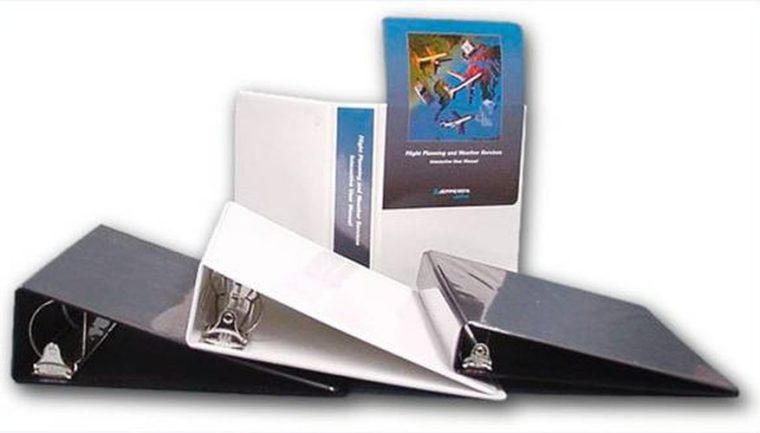
binders-made-800x800I bought my husband an Apple watch after he had his stroke, and he uses every possible feature that it allows. He thought of returning the favor by gifting me with one for Christmas, but soon enough realized that I would probably only get as far as telling time with it. He knows that I am technologically literate only to a point beyond which I’m just not willing to make the effort. For the most part I’m often still as old school as Mitt Romney with his binders. In fact, I decided to write about this after getting all tingly with excitement over finding a spiral notebook with three sections for taking notes. It’s a way of keeping track of what to remember, what to buy, and what I plan to do. I find as I get older that I need these kinds of reminders, and unlike my spouse who simply records his notes on his watch with his voice, I need a hardcopy to go with my visual learning style. I keep my scribbles on a table in my bedroom and refer to them periodically for ideas. Somehow my system seems easier and quicker than having to go through the motions of finding that information on a watch with print so small that I need 300+ reading glasses to see the letters.

I often laugh at myself and think of a time long ago when I was young. My mind was so sharp that I didn’t even need a calendar to recall appointments. Everything that I needed to know or remember was all in my very clear head. I look back at a time when I had to hold my laughter when I witnessed my father-in-law performing his daily ritual upon arriving home from work. He would walk to the kitchen table and immediately begin withdrawing slips of paper from the breast pocket of his shirt. Each paper contained something that he had thought about during the day that he wanted to remember. At the time I could not imagine becoming so absent minded that I would ever need such a system, but the need for ways of keeping track of all of the thoughts that race through my head soon enough became overwhelming, and I began to rely on planners and calendars that I carried in my purse.

These days I don’t have nearly as many appointments or goals as I did when I still had children and was working, but I continue to need a way of keeping track. I have surrendered to using Google Calendar because I can enter engagements quickly and also see what other members of my family are doing at a glance. I also keep track of my calorie consumption and exercise each day with an app that serves mostly as a kind of policing mechanism to keep me from over indulging. It chides me when I consume too much fat or sugar and threatens to starve me if I eat an item that leaves me without enough calories for dinner.

When I was still teaching my husband custom designed a grade book for me using a spreadsheet. I was one of the very first teachers in my school to use such a thing. I had to get permission from the principal to turn in printouts rather than the hand written calculations in the old style journals. I felt like a real trendsetter even though I did little more than plug in the numbers and then let the computer do the rest of the work. My program was so well attuned to my specific needs that I actually resented having to change over to the one that the school district eventually required all of us to use.

Perhaps the aspect of technology that I most enjoy is the word processor. Typing was always so difficult for me. It would take me longer to type a paper than to write it by hand. I labored over so many assignments not because I lacked ideas, but because I was a horrible typist. My final products were dotted with so much white out that I lost points for lack of neatness. God only knows how much I might have been to accomplish if I had been able to type on a computer keyboard instead of my mom’s electric typewriter with several keys that stuck.

I love emails and texts. In fact it was email that saved my bacon once when I was working on my graduate degree. I had completed all of the required hours, or so I thought, and was ready to graduate at the end of the summer until a counselor informed me that I needed one more class. Regardless of how I demonstrated that her math was faulty she refused to listen. I suppose that I became a bit overwrought and frightened her because she suddenly suggested that I get one of my professors to sponsor me in an independent study. She told me that I had exactly two days to make the arrangement. I frantically attempted to call my teachers with no luck. Then I recalled the professor who had required us to use email, a new idea that was still mainly the purview of universities back then. I sent him a message begging him to help me out. I mentioned that I would be taking a final exam the following day and joked that “if there is a God” he would answer my plea. While I was taking the test I heard a voice calling my name and saying,”God has arrived.” He helped me set up a program that evening and three weeks later I had completed the study. I became a fan of email from that point forward, and have never turned back.

I set timers with Amazon’s Alexa and request musical selections from her. She turns lights on and off by command and schedule and I have grown rather fond of her, especially when I didn’t have to squeeze behind my Christmas tree to plug and unplug the lights each day. Siri is another very dear friend of mine. She has taken me to exotic places that I might otherwise have never found. Now and again my southern accent confuses her, but mostly she is my constant guide. I am confident that she will get me safely to my destination no matter how far away it may be.

Still there is something about my hand written notes that is more reassuring than messages on a screen. I can place asterisks next them or cross them out when I change my mind. I can pull them from my pocket or my purse as I walk through the grocery store. I feel a sense of accomplishment when I crumple up a”To Do” list because I have completed all of the tasks. There is an aspect so wonderfully personal about seeing notes in my own handwriting. Perhaps it is the joy of being literate, a treasure that neither of my grandmothers ever knew. Being able to not just think, but also to record my ideas with my signature flourishes makes them feel more important, so I suppose that I will stick with my little notebooks and handwritten lists until something convinces me that there is a better way.

i’ve often thought that I might have enjoyed being an archeologist. I am fascinated by hieroglyphs and ancient paintings on the walls of caves. I wonder what we have today that will be as lasting as those ancient attempts to record daily life. Our paper eventually turns to dust. Our machines become outmoded and then seem to be more like inanimate bricks than keepers of our deepest thoughts. What will people of the future think of us, and how primitive will our efforts appear to be? The technology that we use today grows outdated so quickly. That watch that my husband wears is already becoming obsolete. We have to keep up with times that are moving faster and faster. Sometimes it’s just easier and more comforting to stick with the old familiar ways. Mitt Romney and I are about the same age. We like our binders and our notebooks. They have served us well. It’s not that we are against progress, we just see no point in getting rid of a good thing.

Thinking Inside the Box

clichés-900x675“It’s such a cliche,” she says. “I am weary of platitudes,” he complains. “That comment was so trite,” they observe.

I often see such statements in the quibbling that arises in discussions involving politics or religion. The putdowns are intended to be an assessment of the quality of ideas rather than a sound rebuttal. There is more emotion than rational thought in such outbursts, more insult and arrogance than counterpoint. The use of snide commentary has become fashionable in the modern world of tweets and soundbites. The more outrageous the idea, the more memorable it becomes and so we eschew the old ways of using parables and fables and familiar sayings or themes to explain our human natures. Instead we search for originality and condemn the laziness of quoting ancient ideas.

The dictionary tells us that a cliche is a phrase or opinion that is overused and betrays a lack of original thought.

“the old cliché “one man’s meat is another man’s poison.””

synonyms:

platitude, hackneyed phrase, commonplacebanality, old saying, maximtruism, stock phrase, trite phrase; old chestnut

“a good speechwriter will steer clear of clichés”

As someone who strives to string words together in unique ways there is probably no greater disappointment than to be considered trite, and yet I know full well that much of what I communicate is as old as the dirt on the ground. There are few totally original ideas. The themes and phrases that we use tend to simply be variations on ways of expressing ourselves that were actually invented eons ago. Furthermore, there is a usefulness of maxims that rings true through the centuries and captures our imaginations even though we have heard them many times before. The best of the old sayings are powerful educational tools perhaps because they are so familiar.

Each day those who watch television find hundreds of possible viewing choices, many of which feature programming that is quite original, modern, even avant guard, and yet in the month of December it was the Hallmark Channel that achieved the highest ratings. This of course was due in the main because of the 24/7 airing of Christmas films most of whose plots were as easy to predict as the fairytales of our childhood. They featured characters who had become lost and eventually found, families that were united in love, communities where the spirit of the season was bright. The stories were predictable and filled with the commonplace, all of which viewers enjoyed with unadulterated delight. They provided an often wished for break from the anger and confusion of our present day situations, and the comfort of the familiar that is all too often missing in the angst driven programming that is the fare of more critically acclaimed features.

The fact that such mundane movies were so embraced should tell us that people are generally weary and prefer light hearted positive messages over the portrayal of the complexities of life that daunt us in the real world. The public is voting for a break from gritty depictions of trouble, and instead choosing hackneyed positivity because sometimes we simply need a time out and a return to the familiar.

Cliches have in fact served as potent truisms whether in the form of fables or films throughout history. They are teaching tools that help us to remember and reflect on important ideas. Just because they are so on target that they are often quoted does not make them useless, but rather timeless and memorable. They provide us with a compact way of expressing important thoughts when our own minds are unable to create new phrases. There is a usefulness in them that we should not eschew simply because they are old and well known, or because they express ideas with which we do not agree.

There are indeed times when we find ourselves at a loss for words. When we hear of a mother who has lost a child or a spouse whose mate is dying, we often find it difficult to know what to say. We turn to the old masters who somehow found the brilliance to create comforting phrases that have a universal appeal throughout the ages. To argue that they make a comment moot simply because they have been used before is a kind of cliche in and of itself. It is a smug put down without really addressing the actual situation. The person who does such a thing may feel superior, but is in reality showing little original thought. An insult is rarely an effective argument as we see all too often in social networking.

There is a disconcerting haughtiness in the insinuations of those who mock the use of time honored phrases that is frankly disturbing to me. It is as disquieting as suggesting that one way of living is superior to another. In reality the abundance of variety speaks to the human need to be free to choose, a reality that we should respect rather than mock.

I would so love to see 2018 become the year of understanding and acceptance. It would be grand if we were somehow able to put an end to so much division and unwillingness to allow everyone to live and let live, and we might start by listening to the intended meaning of what people say rather than parsing their words for significances that are more in our minds than theirs. Our constant critiquing and arguing has become so loathsome that we find ourselves wanting to tune out and tune in to make believe worlds where everything comes out well in the end. We prefer staying inside the security of the box to venturing into unknown thoughts.

The truth is that if we worked just a bit harder to be open to differences of opinions and ideas we might indeed find closer approximations of the happy endings portrayed on those Hallmark movies. The platitudes that our mothers and fathers and teachers taught us were not meant to be nags, but guidelines for living more fully. There was a reason why they became so popular that everyone was repeating them, and they may in fact provide us with ways of better enjoying our human experience. Let’s not be so quick to dismiss them or the individuals who remind us of their power. We needn’t snicker with superiority. We all have much to learn.    

Yesterday Today and Tomorrow

default-1464355425-834-scientists-believe-they-have-explained-the-great-flu-outbreak-of-1918A hundred years ago in the fall of 1918, there were many who seriously wondered if the world was coming to an end.  A great war was still raging in Europe and decimating the young male population. Across the globe there was unrest and a general feeling that life would never be quite the same again. The worst surprise of that autumn was to come in the form of a tiny virus not yet visible to the human eye with the microscopes of the day. It would lead to an outbreak of influenza that eventually killed as many as five million people worldwide and hundreds of thousands in the United States. One sneeze from an infected person had the potential to infect ten thousand, and for a time nobody knew what to do.

It appears to have begun at a military base in Kansas where it was first thought to be little more than the typical seasonal outbreak of illness. It soon became apparent that the new strain was unlike anything doctors and biologists had ever before seen. It started with coughing and a fever that quickly grew ever more severe. It filled the lungs of the ill with so much fluid that they literally drowned. Before long there were not enough beds or doctors for the affected, and not enough coffins for those who died. During the months of September and October of that year the disease spread like wildfire, sparking dire accusations that the Germans had somehow planted germs in the bodies of soldiers fighting in the trenches. The fact that German troops were just as susceptible to the sickness did not allay the fears of those who were losing loved ones and friends so rapidly that it felt as though there was nothing that was going to stop the rampage of death.

More American citizens died during those weeks than in all of the wars of the twentieth century, and yet there was no cure, no idea of what the cause might be. For some reason the virus was more likely to spare the very young and old, but was most deadly for strong and healthy adults in their twenties and thirties. It would be years later before researchers found the virus that had wreaked such havoc on the population, and began to understand that the sickness had burned itself out when those who survived became immune without any form of medical assistance. Our understanding of such diseases grew over time, but always there continues to be a silent fear that something similar may one day return to infect humanity like a plague.

I had never heard about the horrific influenza of 1918, until I read a book shared by my daughter. She is a nurse and science teacher who has a great deal of interest in such things, and she thought that I might find the topic interesting as well. I was stunned to learn about the horrific events and to realize that none of the older people I had known who would have been young adults during that period had ever mentioned the event. I was particularly surprised that my grandfather who was well known for his vivid stories of the past had not brought up the topic. Since I was unaware of that part of history I had not known to quiz him about what he remembered regarding that sad chapter, and so I was not privy to his eye witness account.

Historians conjecture that this particular episode must have been so personally horrific that those who had endured it did not want to speak of it again. Perhaps it was the impetus for the roaring liveliness of the twenties when people appeared to throw all caution to the wind. Living through such tragedy must have caused people to view the world much differently than they otherwise might have. Most certainly they would have wanted to blunt the memories that must have been quite horrific. When the next decade of frivolity was followed by a worldwide depression and eventually another war, the personal stories of illness and death might have seemed trivial to them by comparison. In truth, they would have been right to wonder if the bad news would ever stop, and when it finally did they most probably decided never to speak of it again.

My father-in-law served in Korea during the war there. He has only mentioned what he saw there once in all of the years that I have known him. His eyes filled with tears as he recounted his experience and his voice was shaky. It was much too painful a memory for him to think about for very long. I have noticed that my uncles who fought during World War II were just as reluctant to share stories of their adventures as were my peers who fought in Vietnam. I suppose that there are events that are so horrible that we prefer to bury the thoughts of them deep within our psyches. It is simply too much to dwell on them for very long. 

I suspect that those who were witness to the 1918 influenza epidemic simply did not want to speak of the unspeakable. They lost loved ones and friends in a matter of days and weeks. They worried that the horror might return at any moment. To dwell on their heartbreak and fears would have been unbearable and so they did not include mention of the outbreak in their tales of living. The story languished until curious souls began to ferret out the details and bring them to light once again. What is a curiosity for those of us removed by a hundred years was all too real for those who were there when it happened.

Each generation has its share of tragedy. For those of us who grew up just after World War II the events etched permanently inside our brains include the good, the bad and the ugly. We recall with clarity exactly where we were when John F. Kennedy was assassinated. It pains us to think of the deaths of Martin Luther King, Jr. and Robert Kennedy that made is wonder if anarchy was going to rule the day. Many of have personal tragedies that affected us as well, the death of a father or hearing that a friend was killed in Vietnam. We smile when when we think of the first man to walk on the moon, and recoil at the vision of the twin towers in New York City falling like toy constructions before our eyes. These things affect us and change us and our ways of viewing the world, but we don’t often speak of them because the thoughts associated with them are too powerful and emotional. I suppose that the reality is that no matter how conversant we are there are no words sufficient to describe such things, and so we are silent just as my grandparents were about so much of the history that affected them.

Today we have new worries, but mostly go about our business hoping and praying that none of our biggest concerns will ever take place. Our natures compel us to be optimistic and to carry on even when situations seem dire. Like Scarlett O’Hara we believe that tomorrow will be a better day and we concentrate our thinking on the future rather than the past and the present. It’s how we survive. Still, there is something so fascinating about events like the influenza epidemic of 1918, that we can’t avert our gaze. We have to look if only for a moment so that we might remember that we are not immune to the same kinds of heartbreaking situations that plagued our ancestors. We are as human as they were, and we can only hope that when faced with tragedy we will respond well and not be judged too harshly for any mistakes that we make.

It’s all too easy to form opinions of what might have or should have happened. but we will never know what we might actually have done if we had faced similar hardships. It must have been a dark time, but somehow those who came before us found a way to keep moving forward without focusing too much on a past that they could not change. Perhaps we might learn from them and embrace each new day as an opportunity rather than dwelling on the heartache of the past. Yesterday is gone, today is an opportunity, and tomorrow allows us to repair any mistakes we have made. It’s the cycle that keeps the story of humanity alive.