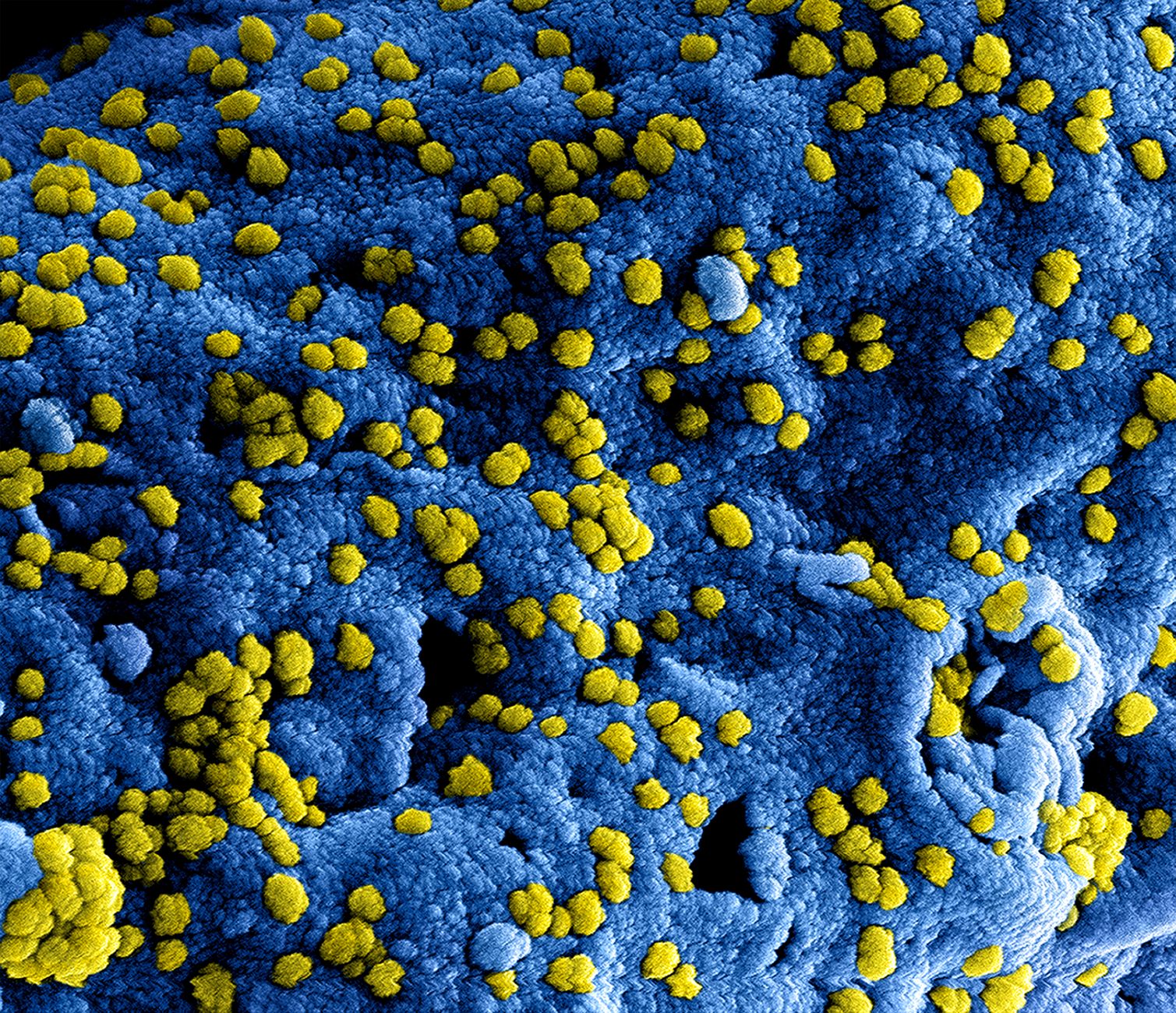
The long days of the Covid 19 pandemic still linger in my memory. I had read about the nineteen eighteen world wide pandemic in great detail. One book that impressed me read like a detective story with dedicated scientists determined to understand the cause of that horrific illness that killed millions across the globe. It was not until years later that they developed a better understanding of what happened then and were able to develop medications that would save the world from ever again enduring that strain of illness. I was so fascinated with what had happened then that I followed the daily news about the Covid 19 virus with a sense of awe when that illness was overtaking the world.
My husband had already endured a stroke and a heart attack so the two of us decided to lay low until more information about Covid and how to treat it became available. We were both retired so we were able to stay in our home and watch the world around us struggling to operate. We ordered masks and had our groceries delivered to our door. We took many voluntary precautions because I sensed that doctors and scientists across the globe were using and sharing their knowledge even as evidence taught them to change directions as new information became available.
I relied on advice from my primary care physician and a niece who is a doctor. I tuned in to the daily press conferences that featured Dr. Fauci and other medical experts. I knew that we would all have to adjust to whatever the best science was suggesting that we must do. At the same time I watched the amazing mathematical result of an exponential function raising the number of sick and dying to unbelievable highs. My instinct told me that we probably did not even have completely accurate accountings because many people quietly became sick and never informed a doctor. They suffered with the virus for a time and then got well. Some of those fortunate souls began to compare the virus to having a cold or the flu without acknowledging that for some people the same illness produced death. I chose caution over the hubris of believing that my husband and I would be okay even if we caught the virus.
We made the best of the situation while still worrying about family members like my father-in-law and his wife who were approaching their nineties with several medical issues that made them quite vulnerable. We helped them survive during that time, showing them how to order groceries to be delivered to their home and visiting them masked up to be certain that they had whatever they needed.
The times were lonely but we made the best of them. When we were finally vaccinated I cried tears of relief and from that moment forward I followed my doctor’s advice to get additional vaccinations every six months. Because of our caution neither of us came down with the virus and we were able to continue caring for members of the family who had to go into total isolation to be safe.
All the while Dr. Fauci gave me a sense of hope. I admired his courage in shunning politics to deliver what he believed was the truth at each phase of that time. I knew that my own doctors were delivering the same information to me. They felt that caution was the best reaction until we fully understood the nature of the virus. We were all part of a worldwide event that demonstrated our sameness as humans. For a time we worked together for the good of all until our president, Donald Trump, began to politicize the catastrophic event. He started to deliver junk science to the population to make himself look better. He threw Dr. Fauci under the bus all for his own glory. Then he lost the presidential election and demonstrated his fury by inciting a riot on January 6, 2021. Since that time he has twisted truth to a breaking point and now we have had to watched Dr. Fauci being threatened and accused of being a vile criminal. It boggles my mind.
At this moment in time the United States of America is troubled. Our president is on a vengeance tour that leads him to act like a spoiled child breaking everything he encounters. When he destroys one area he goes after another to divert attention to the mess that he is making of everything that he touches. His entire second term as president has been a total failure and so he covers his mistakes by accusing others of unreal crimes.
We are now involved in a war that was unnecessary that nobody wanted with no way out. We have watched in horror as the smooth running of our federal government has been destroyed. We see our president raging out of control while nothing that he does brings back the kind of glory that he seeks. So he turns to the tried and true distractions that he hopes will fools us into believing that he is a victim of misunderstanding. Hopefully few of us will be fooled.
I will stand by Dr. Fauci until the day I die. His public record of service to this nation speaks to his devotion to the health of all Americans. Like any good doctor he tells us the truth even when it is hard to hear. He did his best to lead us through the pandemic even as our president was working against him time and again. Somehow he kept his calm presence and refused to be bullied into doing and saying what was not good for the people. He is an American hero and it is a travesty that he is being drug through the mud. I feel ashamed that some in our nation are so ungrateful for his service. I hope he knows that most of us hold him in high esteem. We understand what is really happening and how he is being used as a pawn. Our hope is that one day the ignorance and vindictiveness will stop.