
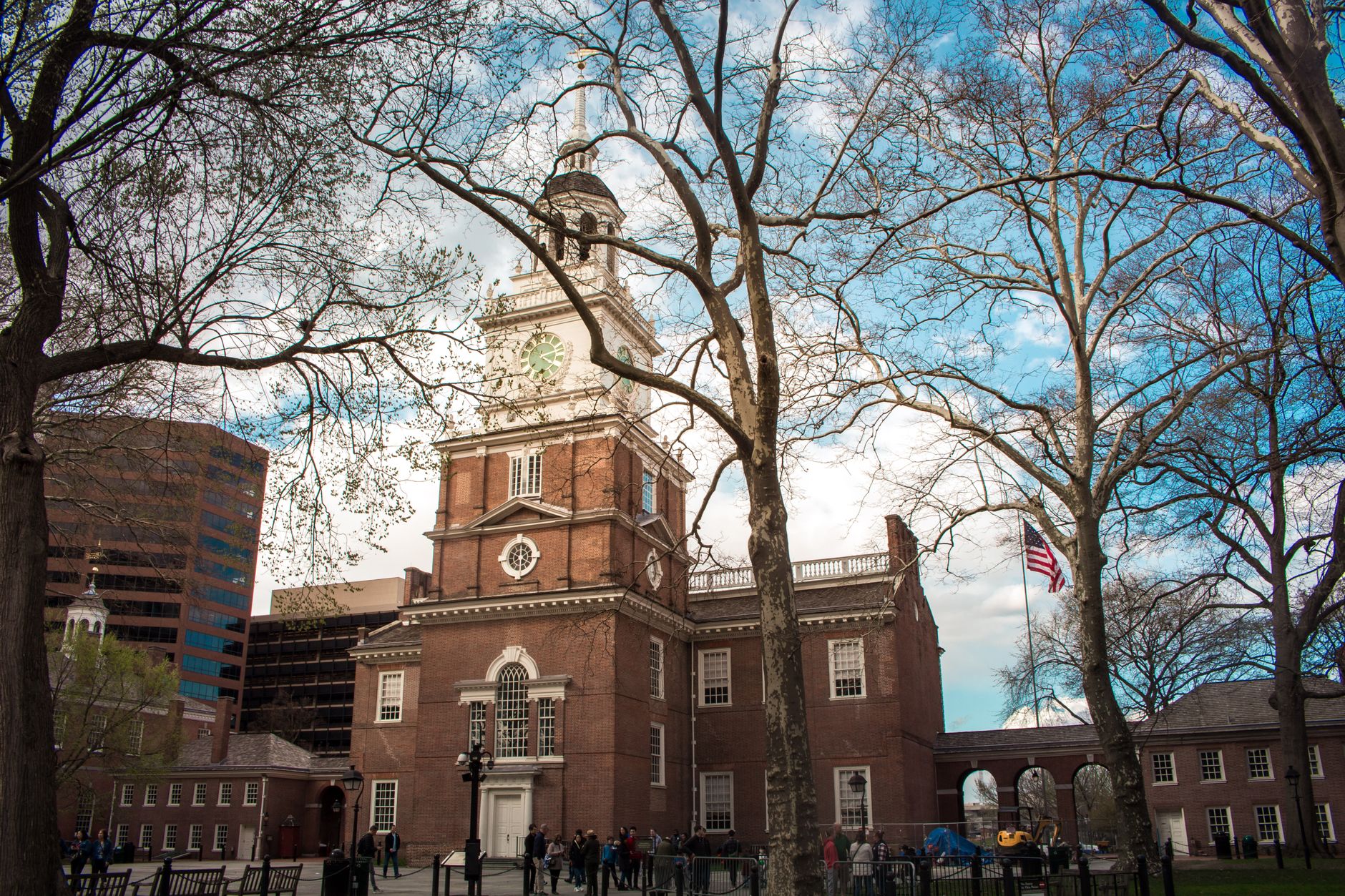
So here we are just a few days away from the two hundred fiftieth anniversary of the signing of the Declaration of Independence which led to a revolutionary war with England and the eventual creation of the United States of America and a new kind of government run by the people rather than a king. There will be much official celebrating in our nation but I have chosen to follow my own path for honoring the story of our democratic republic.
Perhaps it is just my personality at work but I see this historic moment as one that is not about a bash that seems to have nothing whatsoever to do with the dreams and expectations of our founding fathers. It is not about food or parties or fireworks or bloviated speeches but rather a moment of reflection on the enormity of what happened on that July fourth of seventeen seventy six. It was the beginning of a radical idea that we the people are the rulers of our own fate. It eschewed the idea that a king somehow had a divine right to rule over us and use our treasure for his own whims. It was a radical moment in history that like all such events was as imperfect as the men who initiated the idea but at its center was great possibility for common folks. It was a shocking and daring move that much of the world believed was impossible and yet two hundred fifty years later here we are.
It would be years before the dream of those signers was clinched and the war with one of the best trained military forces was over thanks in part to the aide of France. There would be much more work to do to craft a viable constitution that ended up forcing uncomfortable compromises to keep the new government from falling apart before it really got started. The new rules outlined in the Constitution began with the most important phrase “We the People.” Suddenly it was up to commoners to muddle their way into the future with the radical idea that the people were in charge.
Of course many of us were not counted to determine representation in Congress. It would be years before we actually had the right to vote. The southern states stalled the acceptance of the the document until their slaves were counted as two thirds of a person and slavery was declared legal. The representatives who saw slavery as an evil had to swallow their beliefs to keep the government united. Some of them ultimately refused to sign the document in protest of what they saw as an horrific original sin. The hope was that somewhere in the future the problem of slavery would be rectified but for the moment they simply hoped for the best and then looked away. The rift would never really go away until a civil war and amendments to the Constitution ended the vile practice once and for all.
It would not be until the twentieth century that women also earned the right to vote. We took our time acknowledging the Native Americans who had lived on the land in our nation for thousands of years before the first colonists set foot on the North American continent as well. Bit by bit we have been able to improve on the government that changed the world two hundred fifty years ago. Ironically we have found ourselves asking the same questions about our Constitution that James Madison set forth from the very beginnings of the United States. We wonder why a state with 500,000 people would have the same number of Senators as one with tens of millions of people. We ask why we elect a president by the electoral college rather than by popular votes. We wonder why it took so long to include all people living in the United States in the process of self government and why slavery was not outlawed from the outset. We continue to debate many of the same issues that our founders attempted to settle with compromises that were not always as fair as they might have seemed.
I plan to spend this week learning about the people who founded this nation, this democratic republic. I will read about their individual philosophies and the impacts that they had on the direction of the new government that precariously attempted to provide unheard of freedoms and responsibilities to common citizens. I will follow the arc of history that led to Abraham Lincoln and a civil war, the outlawing of slavery and the eventual inclusion of women in the government. I will study the trends and the arguments about what is best for our nation and fully enjoy my right to criticize even our president. How wonderful it is that I am able to do this with impunity! That is the main point of what happened two hundred fifty years ago.
My celebration will be serious but also hopeful just as those men were in seventeen seventy six. We have achieved much as a nation but to keep our republic we must always be vigilant. Tyrants will rise in our midst just as they always have but we have the right to vote them out. In this moment we would do well to remember that that we have the power, not our president. No king or authoritarian can or should limit our freedoms nor should he or she curtail the rights of any people for reasons of race or place of origin or religious beliefs.
Our ancestors were not perfect. Nobody ever is but they had a dream that continues to evolve for the betterment of humankind of all varieties. Learning our unvarnished history with its genius and horrific mistakes is how we will move forward into the next two hundred fifty years. Our celebration is not about blood and soil or bread and circuses. It is about imperfect humans who did their best to form a more perfect union. They hoped their idea would ultimately honor all of the people who came together to make the United States the vibrant and welcoming place that it was meant to be. It was a solemn promise that depends on all of us working together to keep the dream alive and becoming ever better. There is much work for all of us to do.
 All It Takes Is A Little Love