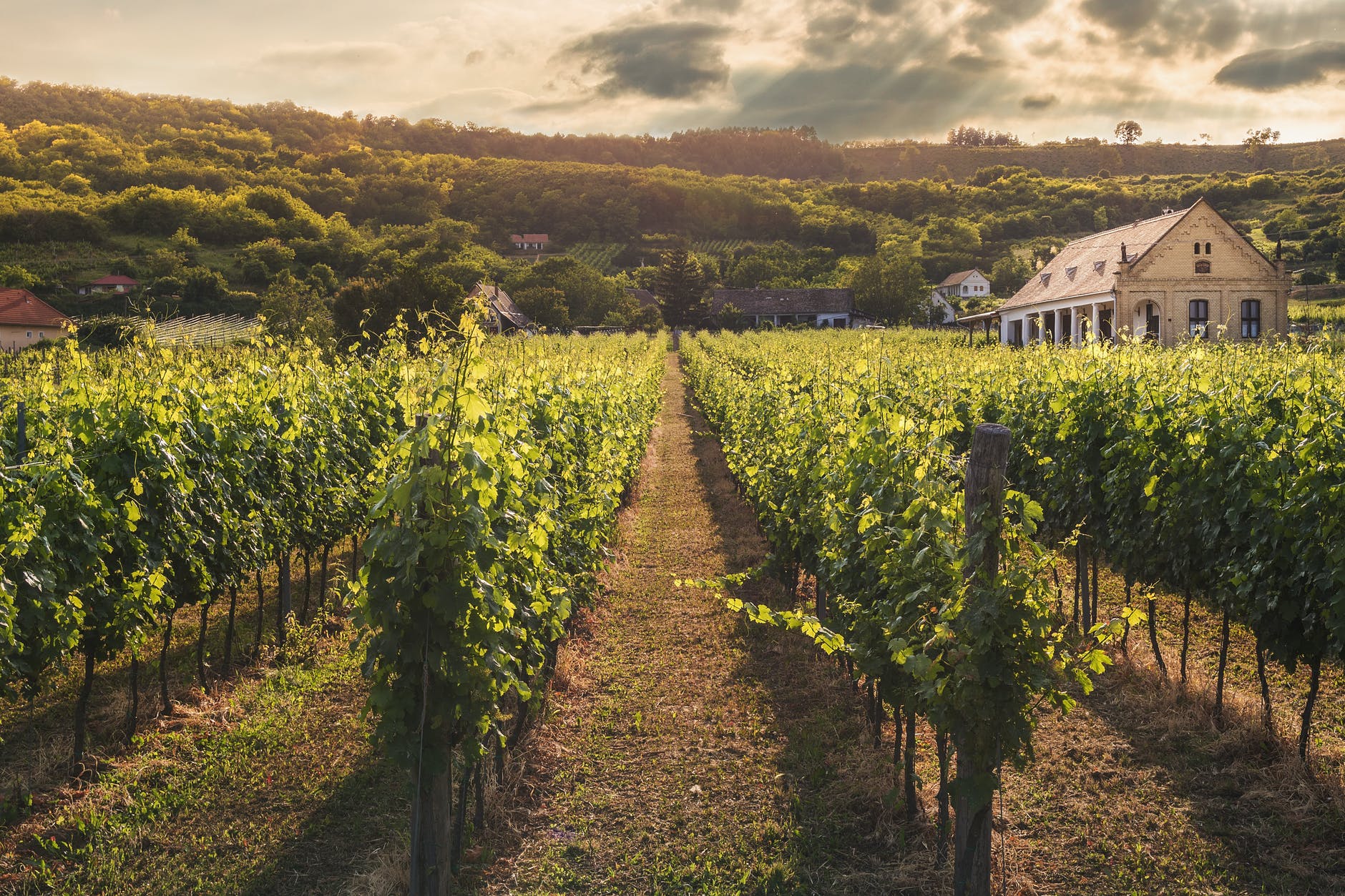
Where Is the Winter I So Love?

Photo by Andre Furtado on Pexels.com

I still think of school starting after Labor Day, even though that has not been the case for decades now. When September rolls around I begin to imagine cold days ahead that will mitigate the heat of summer. I much prefer lower temperatures that seem to make everything cozier. While I love the ocean, I prefer walking along its shores in a sweater with an cool breeze nipping at my nose. Perhaps it is my birth month of November that makes me fond of the colder times of the year, or maybe it’s just a personal, quirk. It may even be that the mild winters where I live are more comforting to me than the harsh heat of summer. I am more than ready to see the mercury drop in my thermometer. 

I like starting a fire in my fireplace and wearing my favorite sweaters that never seem to wear out. Nothing soothes me more than reading while sipping on a warm mug of tea. I enjoy wrapping myself in a soft and cuddly blanket and wearing slipper socks on my feet. I prefer long walks that invigorate me without making me sweat and gasp for air like in the summer. 

I read that my part of the world will become hotter and hotter as we humans add to the changes of climate. I’ve already noticed that it takes longer and longer to reach the cold days that I so love. There have been times when shorts were more suitable for comfort on Christmas day than a crazy sweater. My boots seem to last forever because there are so few days when it is cool enough to wear them. There seem to be fewer and fewer wintry days with each passing year. 

Those of us who prefer cold winter days tend to be in the minority. Most people revel in the sunny summertime. They love the warmth on their arms and the freedom of wearing skimpy clothing and playing outdoors. Those are the months when I feel sweaty and miserable. I spend most of my time indoors because when I go outside the air feels oppressive. I long for the cold when brisk walks energize me. I seem to come alive in the late fall and winter.

I have a friend who craves chilly rainy days and I have to admit to feeling the same. People laugh at his obsession with weather that others consider to be dreary while I understand his joy in such moments. Perhaps both of us would change our minds if we had to endure a harsh winter in upstate New York or on the plains of North Dakota, but down here in the south of Texas we rarely feel a chill in the air. 

One year I traveled to Minnesota in November. It was already much colder than the worst of our winters along the Gulf Coast. I needed a warm coat to wear for an upcoming trip to an Austrian ski town. A friend suggested that I check out the stores where we were. We set off in search of a suitable jacket and soon found a display of sale items that suited my needs. I found a wonderful down coat with a fur-lined hood and immediately claimed it as my own. As I was paying the cashier she remarked that I was getting a great deal on the piece that I had chosen. She noted that the annual sale of spring outerwear was always a hit with the customers who put such finds away for when the winter became a bit more bearable. It amazed me that there was actually a place on earth where such a heavy garment might be donned in the month of April when those of us down south are already well into wearing our summer gear. It occurred to me that I may not enjoy winter nearly as much in a place where it seems to last as long as our warm months do down here.

I haven’t had many occasions to wear that big coat that I purchased in Minnesota, but it sure came in handy when we had the big Texas freeze a couple of winters ago. The so called rolling blackouts of the power companies stretched into days of frigid temperatures inside the house. I wore that down jacket all day long as I shivered in my rooms. I found myself thinking of that episode of Little House on the Prairie when Pa was away and Ma had to deal with a deadly blizzard. it wasn’t quite that bad, but most of us down in the south aren’t really accustomed to sustained days of freezing. Even our plants and pets suffered during that time.

Perhaps what I really like is weather that is not too hot, not too cold, but just right. Sadly these days everything seems to be extreme. We either endure weeks of temperatures in the high nineties with no sign of rain or our streets are inundated. As we crisscross the world there are fires and famine or floods and destruction. We can’t seem to return to the gentle rolling of the seasons that I remember so well from my childhood. 

I used to rearrange my closet each September. I would move my summer gear to the back and place my fall and winter garments near the front. Now I don’t even bother because I rarely need to use the winter items. I miss the crisp cool fronts that rolled in each October making our classrooms without air conditioning bearable. Now it’s a good bet that we’ll still be sweating on Halloween. 

I’ve had to learn to adjust to the fact that I won’t see much winter like in the days of my youth. I’ll take whatever cooler times I can get. I often think of walking to school with the cold nipping at my nose. I’d push against the wintry air feeling invigorated, but I was always more than willing to accept a ride with my friend Judy when she and her mother stopped to take me the rest of the way on such days. There was something more normal about those times than what we all seem to experience now. 

I don’t know what the future will bring. I worry that my flat city will one day find itself under water as the earth continues to heat up and the oceans rise. I wonder if my grandchildren and great grandchildren will have to relocate much like the migratory societies of old. Where will there be a good place to go?  Will my old coat from Minnesota suddenly become a great way to stay warm in the spring as they travel north? Who knows?  I keep wondering where the winters that I so love have gone.

The Rumor

Photo by Karolina Grabowska on Pexels.com

I took a leap of faith several years back and followed one of my principals to a large urban school district where I would serve in an administrative position designed for the purpose of mentoring and facilitating the teachers. I had worked for years in a smaller, more low key school district where it seemed as though I knew people from almost every other school as well as all of the top officers at the administration building. I had a wonderful reputation there as well as offers to rise to even higher leadership positions, but I wanted to assist the principal who had helped me to make my way up the career ladder as he navigated the more shark infested waters of one of the country’s largest urban school districts. I agreed to come work for him and for the teachers at the school that he led.

He had warned me that the environment was not always as warm and fuzzy as the one that I would be leaving. Nonetheless I saw opportunities to expand my knowledge and skills as an educator, and I felt up to the challenge as long as he had confidence in me. Nonetheless I was a bit nervous as the first day of back to school inservice drew near. A good friend noticed my anxiety and took me out for a final leisurely lunch before I would be bound to the new campus for the next many months. 

While we were chatting and exchanging a few jokes she pulled a small package from her purse. I opened it to find a gold star pin. She explained that she wanted me to wear the pin on my first day so that I might remember that I was more than capable of being a guide and a helpmate for the teachers with whom I would be working. She said that the star was a symbol of my excellence, but also a reminder that I was but one among many individuals working to make a better world for our children in schools. Her gift and her words were so profound that I found the confidence to face the uncertain future. With the pin firmly planted on the lapel of my suit and a smile spreading across my face I introduced myself the following to the wonderful teachers whom I would be assisting .

I soon learned that it would not be easy sailing in my new role. None of the teachers knew me and they were reluctant to believe that my forays into their classrooms were for their benefit. I was an outsider and in their minds it was possible that I was little more than a spy for the principal. Many of them had worked in the school for decades and they felt that it was a bit audacious of me to come wearing that star and looking like I was the new sheriff’s deputy in the town. 

While I was attempting to demonstrate to the faculty that I was at their service, I learned about the problems of a navigating the business end of a large governmental agency. When the first paychecks arrived, mine was missing. It almost took an act of Congress to clear things up, but I finally managed to provide them with the documentation they needed to prove that I was actually a working employee and had been so for the past month.

On top of all of the furor in the payroll department I suddenly learned that someone was using my checking account to make large purchases. Since my husband was a banker he checked such things several times each day and took care of the problem immediately. Unfortunately I had to get a new checking account and begin again with the process of routing my pay go to my bank by direct deposit. It would be almost six weeks before I finally saw any money for the work I had been doing. Since it covered three pay periods it was a very large check.

Strangely I began to notice whispers and strange glances as I went about my daily routine of observing and conferring with teachers. I finally asked a faculty member who had been quite welcoming to me what was creating the uncomfortable environment around me. She laughed and explained that the clerk in the office who handed out the pay stubs had noticed my large paycheck and had multiplied it times the number of checks I would receive in an entire school year to determine my annual salary. Of course the amount that registered on her calculator was three times what it was supposed to be because of the delay in my first two checks. Without taking that into account she spend the rumor that I was making more money than even the principal. 

From there the talk got even juicier. Somehow one thing led to another and there were stories that I had just purchased a million dollar home and that I had to be some kind of spy for the district to be making the kind of money that was generally the exclusive domain of the higher ups. There was great concern about who I was and what I was trying to do inside the school. 

Eventually I was able to clear up all of the confusion, but I always felt as though a slight element of distrust lingered in many people’s minds even though I did my best to prove to them that I really was there to assist them and nothing else. I often supposed that the star pin from my friend must have muddied the waters even more. I can only imagine how I must have appeared to a faculty that has endured many big changes in a very short span of time. 

Rumors are grist for gossip and we all know that once something is uttered, it is often impossible to take it back. I probably struggled more at that school than I ever have in my entire life because the clerk planted a seed of doubt in many people’s minds. The good thing is that overall it was an incredible learning experience both for me and the faculty. I even reached a point at which I was able to laugh about the whole thing, especially that million dollar house that I was supposed to own.

Bubble Bubble Toil and Trouble

Photo by Joy Marino on Pexels.com

It’s only September, but I am already seeing signs of ghosts and goblins in stores. Halloween, a yearly celebration of folklore and frivolity is surely on its way with witches and cauldrons always part of the featured characters who lurk about on the night of tricks and treats. We humans have an attraction to stories of wicked women with gnarled faces who cast spells. Such stories have been around for centuries and remain the grist of fears and sometimes even injustice. 

Shakespeare alluded to the power of witches in Macbeth when a group hovering menacingly over a fire predicted the hero’s ultimate fate in words filled with irony and intrigue. These creatures set the ominous stage for murder and mayhem. Without them the play would have been just another story about the lure of power. 

These days we mostly laugh at the idea of witches able to foresee the future or cast dastardly spells on their enemies. Witches are an almost comic representation of our human foibles, but that was not the case in Salem, Massachusetts in a time when science was unable to explain strange happenings. With religious fervor and a lack of understanding a kind of group hysteria ruled the day, resulting in trials and sentences that were sometimes deadly. 

From 1692 to 1693, over 200 individuals were accused of witchcraft and prosecuted for their so called crimes. Nineteen of those people were sentenced to death and hung. The unfortunate series of events began when a group of girls began exhibiting strange fits that included convulsions and fainting. They claimed to have been taken over by the devil and named several people as witches who had cast spells on them. This lead to many months of hysteria and overly dramatic trials. 

What had once been a quiet seaport and farming town became infamous for the tragedy that the false accusations created. The lurid reputation of the era has become a kind model of the devastating consequences of embracing superstitions. Nonetheless it would be naive to believe that mythical thinking no longer exists. History has demonstrated again and again that, especially in difficult times, people are willing to suspend rational thinking and accept almost magical explanations for what is happening around them. 

It might be argued that the people of post World War I Germany fell for the lies that much of their misery had been cause by their Jewish neighbors because they were grasping for explanations for the hunger and want that they were experiencing. Hitler used their fears, anxieties and already developed prejudices to convince them that ridding themselves of certain people was actually justified. It’s the same age old trope that allowed slavery or turned ordinary people into witches. 

During the 1950s Senator Joseph McCarthy created boogeymen out of writers, actors and ordinary people in response to the cold war with the Soviet Union. Much as with the Salem witch trials he began hearings claiming that we were overrun with Communists intent on killing our democracy. Many of the people named in the hearings lost their jobs and became pariahs when in fact they had done nothing wrong. It was indeed a witch hunt of a different kind. 

Today we have so many bizarre stories about Covid-19 and the scientists and healthcare community attempting to help us that doctors are being threatened with death and hospitals have had to hire extra security. The stories of tracking devices in the vaccines and made up mortality statistics abound. The anti-science fervor has gone from simply not accepting the precautions and treatments to accusations that scientists and doctors are purposely putting citizens in harm’s way. 

We have groups who falsely believe that the presidential election was fraudulent, that teachers are grooming students for devious purposes, and that a deep state of politicians are trafficking children. The hysteria surrounding such beliefs is the same as those that the colonists of Salem felt back in the fifteenth century. We humans are still easily manipulated into accepting fantastical theories over the simple truth. 

One of my all time favorite college classes was called “Folklore.” I learned that just as there were people of old who actually believed that King Arthur existed, in modern times we want so badly to know that Elvis is still alive that there are sightings of him all over the world. We share stories that John Kennedy did not die but instead lived out his days on a Greek island. More recently a crowd gathered in Dallas in anticipation that John Kennedy, Jr. was going to return to tell us truths that we needed to hear. 

Sometimes it’s easier to believe fantastic stories than face the truth. You would think we might have learned from the tragedy of Salem and other superstitious times, but it seems that we still have a long way to go. The myths and legends may seem silly or even funny until they hurt someone. If it sounds too fantastical, it most likely is and that should give us pause to check for the facts. Nobody should ever be harmed by lies. 

My Nightmare

Photo by 1ndex on Pexels.com

It was raining outside when I went to bed. The pitter patter on my roof lulled me into a sound sleep which led to a very strange dream. I was back at work as a Dean of Faculty somewhere. I did not recognize the school where I had seemingly landed a new job. It was the first day of classes and everything was in a state of chaos. I was attempting to calm the situation and quickly losing the battle. Most of the teachers in the place were unqualified and thoroughly confused. I ran around like a chicken with its head cut off doing my best to set things right, but somehow my efforts made little difference. 

By the time I awoke from this nightmare I felt more exhausted than if I had stayed awake all night, rather than enduring the terrible images that had somehow wormed their way into my mind. I found myself wondering what might have brought on such a frightening scenario since I have been retired for quite some time now. Was it the fact that school had resumed once again or was it something I had eaten before going to bed? Then I remembered all of the commentaries about teacher shortages that I had seen during the week. 

I suppose that I have never fully relaxed and turned over the task of educating our children and teens to a younger group of people. I still hold mathematics classes three mornings a week and I do a bit of tutoring in the evening. Many of my younger colleagues are continue to be dedicated to the art and science of teaching, so I hear their commentaries about the current state of schools quite often. I intimately understand all of the difficulties that have arisen during the last couple of years due to the pandemic and a political wave that is focusing on questioning school curriculum. I also know that the fear of a school shooting is real and hovers in the back of every teacher’s mind. Mostly though, the most dedicated and masterful teachers simply want to provide the best quality of instruction to their students as possible, often without a great deal of support. 

I have always said that the old idea that those who can’t do anything else end up teaching is exactly wrong. In truth those who stay in the classroom for more than a few years are some of the most altruistic and talented individuals in our country. The literally view education as a vocation, something that they were destined to do. They are the rare souls so consumed with a desire to spread knowledge to the young generation that they are willing to work for less money and less respect than they might otherwise receive in a different profession. They work longer hours than anyone ever imagines and spend their own money gathering resources for their students. They provide the most important foundation of our society while often receiving little praise for their efforts. 

So it should not be surprising to anyone that there is a nationwide teacher shortage. Many of our finest educators decided to retire early. Others simply gave up the good fight and found alternative jobs. The ridiculous emphasis on testing, the insinuations that teachers too woke or even grooming students became all too much to bear, even as teachers knew that such things were overblown and rarely if ever happening. Sadly many of those that did return are quietly whispering plans to find a way out in the coming future if things don’t get better.  

Now we have situations where teaching jobs are being offered to veterans with only sixty hours of college credit. The idea is that such people will have an opportunity to get on the job training that will result in a degree and full certification in five years. While that sounds like a rather creative way of finding souls to fill the vacancy while also giving those who have served our country an opportunity to build a career, my instincts as a former teacher and Dean of Faculty tell me that there will be countless unintended consequences of such solutions. This will only fill the vacancies without addressing the real problems that exist in education today. In the meantime our children will suffer from the inexperience and lack of academic knowledge that such candidates will most surely exhibit. The kind of chaos of my dream will no doubt come true. 

Most of my grandchildren are already in college or have earned degrees, but they saw the beginnings of the teacher shortage before graduating from high school. One grandson had taken advanced mathematics classes from the seventh grade so that he might progress to Calculus BC in his senior year. Unfortunately, the teacher who had been slated to instruct the students in this college level class had a family emergency that required him to leave the school. As a result my grandson did not get the course that would have better prepared him for the engineering courses that lay ahead for him. 

This year more than half of the teachers who had been scheduled to teach another of my grandsons are no longer at his high school. Nobody knows any of the new teachers or what their qualifications or lack of them might be. Instead of continuity in the progression of education, many students are experiencing gaps produced by less qualified teachers who are filling spots rather than being chosen for their expertise in understanding the importance of the scope and sequencing of knowledge and skills. 

There are many things that state governments and local school districts might do to improve our schools and none of it has anything to do with creating rules that stifle the creativity of educators. Certainly higher salaries are part of the equation but equally important is providing respect for teachers. That begins with asking them what needs to be done to elevate the public view of their profession. They are also the specialists who know the needs of their students. Lawmakers, whose only experience with schooling is once being a student, should not be in charge of deciding the fate of our schools. The experts are the people in the classroom and we are well past time in listening to and acting on what they have to say. If we are to save our schools it will not be by simply filling the gaps with unqualified people and hoping for the best. We need to quit insulting our teachers on just about every level. It’s time we ask them what is needed to repair our schools. 

The Farm

Photo by David Bartus on Pexels.com

There was a time when my paternal grandparents lived on a farm in a tiny town called Caddo Gap, Arkansas. The place was little more that a blip on the map, but it had once been a site that boasted a post office and a jail. By the time I went to visit when I was six or seven years old the old town had been mostly abandoned and the road into the hills lead to a hodgepodge of homes and farms far away from what I then thought of as civilization.

Many of the places were still devoid of indoor plumbing and electricity. The people lived the way their ancestors had existed a hundred years before, save for their automobiles and tractors. My grandparents appeared to have the most grand and modern home in the area that was fully equipped with an indoor bathroom and electricity that ran their lights and their television. Nonetheless it was not such luxuries that drew me to our visits with them, but rather the glories of nature than were in abundance around them. 

Without the distractions of city life, nature became our entertainment and it was always a glorious adventure. Since we always visited during the summer when school was closed for a long holiday, the area was in full bloom. Crops of squash, tomatoes, green beans, peppers, corn, potatoes, peaches, berries, watermelon, cantaloupe, peas, okra, cucumbers, and onions were growing in profusion in fields in front of and behind the house. It was a cornucopia of food that my grandparents would preserve and store for use in the long winter months. 

I don’t think I have ever seen more butterflies and bees anywhere else on earth. The tiny critters were drawn to the feast that my grandparents had created. Birds circled overhead chirping songs that my grandmother seemed to understand as she called back to them with sounds that mimicked their mode of communication. The cow grazed lazily in the pasture, becoming bloated with the milk that my grandfather would collect each day. Those buckets of foaming white liquid were beautiful in their simplicity and worth. 

The chickens and were free to range and enjoy a life of loving care from my grandparents. They laid their eggs which my grandmother carefully collected each morning and serenaded us with their constant clucking. The rooster was our alarm clock, announcing the dawn of each new day. Every so often Grandma would select one of the older members of the flock as a candidate for dinner. She would deftly catch the unsuspecting fowl by the neck and make a quick motion with her wrist that ended the life of the bird. That night our chicken dinner would be fresh and tasty, if a bit unnerving for me. 

I was always in awe of my tiny grandmother whose height never quite reached five feet and whose weight was alway under one hundred pounds. This tiny woman was a tower of strength and energy and folk knowledge that was as interesting as the pages of the Foxfire book series. She might have authored one of those volumes had she been able to read or write. Instead she spread her knowledge through example, showing us how to track animals and where to find edible berries and plants in the wild. 

Grandma would take us on long hikes into the hills behind her farm, teaching us how to clear a safe path for ourselves by beating the brushy land with a walking stick before proceeding forward. She counseled us to wear hats to keep the sun from damaging our skin and to protect our arms with shirts that had long sleeves. She was like a tracker of old, able to notice even the tiniest change in the landscape. She may not have had schooled knowledge, but she was an encyclopedia of common sense. She used it to hunt squirrels and birds that she cooked in tasty dishes. She wielded a cane fishing pole like a professional fisherman.

The sunrises and sunsets on the farm were spectacular and when the evening came stars filled the nighttime sky in an abundance I had never seen in the city. Lightning bugs flitted around the yard and a cool breeze stole away the heat of the day. We spent our evenings sitting on the front porch in the dark, talking of family and neighbors and the accomplishments of the day. Grandpa told stories from his boyhood in such an entertaining way that we were captivated. 

Then there were Grandma’s flowers which grew in beds in front of and behind the house. Many have said that she was able to plant a dry dead stick and make it bloom. Somehow that story seemed so real to me because I have never before or since seen such a variety of blooms at a private residence. The landscape was a riot of colors that produced happy thoughts in anyone who gazed at them.

The night would bring bedtime and we would all go inside to sleep with the sounds of frogs and wind whispering past the open windows. Once in awhile we might hear the cry of a wildcat coming from the hills. The big box fans sang a lullaby that put us to sleep where we dreamed of the beautiful earth and it creatures that resided on Grandma and Grandpa’s farm. It seemed like heaven to me.