
 In the history of the world it has been the tiniest of insects that have wreaked the most havoc. Flies, fleas, ticks and mosquitoes have been carriers of death. Just as we conquer one of the many diseases that they impart to humans, another one comes along. Today the disease that is baffling scientists is Zika which was first discovered in Africa in 1947. It is carried by the Aedes aegypti mosquito which also is responsible for spreading yellow fever, dengue fever, and other infectious diseases. It is believed that Zika jumped from Africa to Pakistan, Malaysia and Indonesia in the nineteen seventies. By 2007 it was found in Micronesia and from there made its way to French Polynesia. By 2015 it began to show up in Brazil where it is now an epidemic.
Most people don’t even notice that they have the Zika virus. In its most severe forms it causes a rash, inflammation of the eyes, flu-like symptoms, painful joints and a fever. Very rarely it causes Guillian-Barre Syndrome which causes paralysis and even death. The biggest problem with Zika occurs when pregnant women catch the disease. It has been closely linked to microencephaly in fetuses, resulting in smaller than normal brain size in the babies. This can lead to developmental problems in the growing child. Continue reading “Zika”
 Women are angels and when someone breaks our wings we simply continue to fly on our broomsticks. We’re flexible like that.
 In one week the political run up to the presidential election will begin in earnest with the first primaries in Iowa and New Hampshire. They will finally provide us with a peek at what real Americans are actually thinking. Most of us are already exhausted from the furor leading up to this big day. It’s difficult to imagine that it will only become worse as we move slowly but surely toward November and the final resolution of who will next serve as our nation’s president.
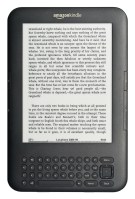 This morning I read an article from the BBC predicting the potential demise of printed books as we now know them. At least one out of every two readers in the United States and Great Britain now uses some form of electronic apparatus. Amazon, Barnes and Noble, and Apple have proven to be immensely popular with their tablets but the question becomes whether or not we as a society will eventually abandon the physical book in favor of a slim, light weight implement that stores a multitude of titles. Some futurists believe that in fifty to one hundred years the printed book will be as obsolete as buggy whips. They insist that books as we know them will become historical artifacts and the work of artisans. In other words they will be collectables or objects of art.
  All It Takes Is A Little Love